Avatar of Vocabulary Set 位置

SAT理科語彙 内 位置 語彙セット:完全かつ詳細なリスト

「SAT理科語彙」内の「位置」語彙セットは国際標準教材から厳選され、短期間で語彙をマスターできます。定義、例文、標準発音を網羅…

Lingolandでこの語彙セットを学習

今すぐ学習
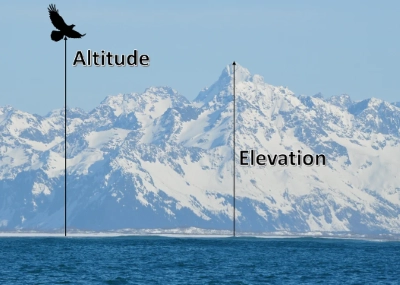
elevation

/ˌel.əˈveɪ.ʃən/

(noun) 標高, 高度, 昇降

例:

The city is at an elevation of 500 meters.
その都市は海抜500メートルの標高にあります。

altitude

/ˈæl.tə.tuːd/

(noun) 高度, 標高

例:

The aircraft reached an altitude of 30,000 feet.
航空機は30,000フィートの高度に達した。

proximity

/prɑːkˈsɪm.ə.t̬i/

(noun) 近接, 接近

例:

The house is valued for its proximity to the beach.
その家はビーチへの近さで評価されている。

arrangement

/əˈreɪndʒ.mənt/

(noun) 手配, 準備, 配置

例:

We need to make arrangements for the party.
パーティーの手配をする必要があります。

disposal

/dɪˈspoʊ.zəl/

(noun) 処分, 廃棄, 利用

例:

The proper disposal of hazardous waste is crucial.
有害廃棄物の適切な処分は非常に重要です。

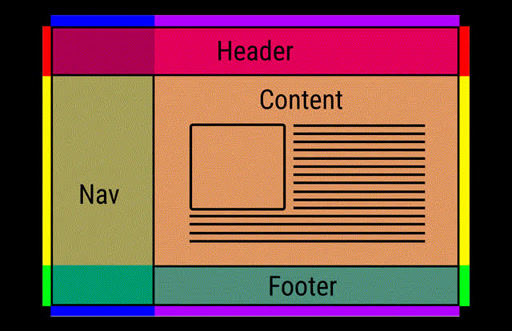
layout

/ˈleɪ.aʊt/

(noun) レイアウト, 配置, 構成;

(verb) 配置する, 設計する, 作成する

例:
The layout of the new office is very efficient.
新しいオフィスのレイアウトは非常に効率的です。

superposition

/ˌsuː.pɚ.pəˈzɪʃ.ən/

(noun) 重ね合わせ, 重畳, 量子重ね合わせ

例:

The map was created by the superposition of several different data layers.
その地図は、いくつかの異なるデータレイヤーの重ね合わせによって作成されました。

whereabouts

/ˈwer.ə.baʊts/

(noun) 居場所, 所在;

(adverb) どのあたりに, どこらへんに

例:
His exact whereabouts are unknown.
彼の正確な居場所は不明です。

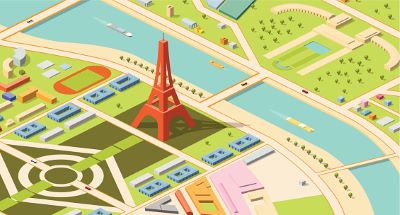
vicinity

/vəˈsɪn.ə.t̬i/

(noun) 近辺, 付近, 周辺

例:

There are no stores in the vicinity of the hotel.
ホテルの近くにはお店がありません。

precinct

/ˈpriː.sɪŋkt/

(noun) 管轄区域, 地区, 選挙区

例:

The police station serves the entire precinct.
警察署は管轄区域全体を管轄している。

environs

/ɪnˈvaɪ.rənz/

(plural noun) 周辺, 近郊

例:

The city and its environs are beautiful in the spring.
その都市と周辺地域は春になると美しい。

fringe

/frɪndʒ/

(noun) 前髪, フリンジ, 房飾り;

(verb) 縁取る, フリンジをつける;

(adjective) フリンジの, 非主流の, 過激な

例:
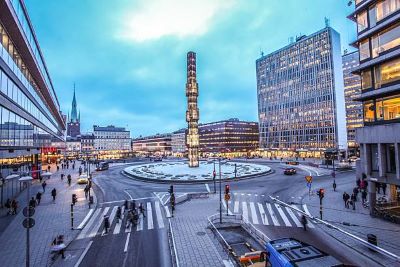
She decided to get a new haircut with a short fringe.
彼女は短い前髪の新しいヘアカットにすることにした。

locus

/ˈloʊ.kəs/

(noun) 場所, 位置, 点

例:

The library is the central locus of research on campus.
図書館はキャンパス内の研究の中心的場所です。

interstice

/ɪnˈtɝː.stɪs/

(noun) 隙間, 割れ目

例:

Sunlight filtered through the interstices of the leaves.
日光が葉の隙間から差し込んでいた。

dislocation

/ˌdɪs.loʊˈkeɪ.ʃən/

(noun) 脱臼, 混乱, 転位

例:

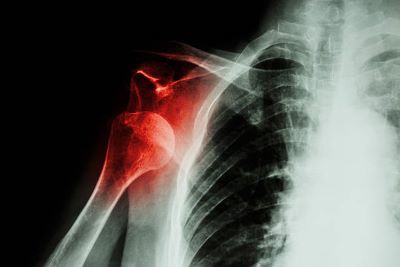
The athlete suffered a shoulder dislocation during the match.
その選手は試合中に肩の脱臼を負った。

configuration

/kənˌfɪɡ.jəˈreɪ.ʃən/

(noun) 構成, 配置, 設定

例:

The new computer has a powerful hardware configuration.
新しいコンピューターは強力なハードウェア構成を持っています。

transpose

/trænˈspoʊz/

(verb) 入れ替える, 転置する, 移項する

例:

You need to transpose the numbers in the last two columns.
最後の2つの列の数字を入れ替える必要があります。

displace

/dɪˈspleɪs/

(verb) 置き換える, 取って代わる, 避難させる

例:

New technology often displaces older methods.
新しい技術はしばしば古い方法を置き換える

hover

/ˈhʌ.vɚ/

(verb) ホバリングする, 空中停止する, さまよう

例:

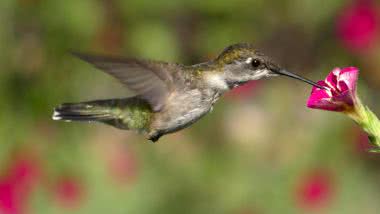
A hummingbird can hover in front of a flower.
ハチドリは花の前にホバリングできる。

droop

/druːp/

(verb) しおれる, 垂れる, うなだれる;

(noun) 垂れ下がり, しおれ, うなだれ

例:

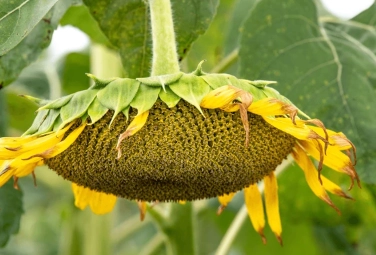
The flowers started to droop in the heat.
暑さで花がしおれ始めた。

embed

/ɪmˈbed/

(verb) 埋め込む, 組み込む, 同行させる

例:

He had a piece of glass embedded in his hand.
彼の手にガラスの破片が埋め込まれていた。

insert

/ɪnˈsɝːt/

(verb) 挿入する, 差し込む, 追加する;

(noun) 挿入物, 折込広告

例:

He carefully inserted the key into the lock.
彼は慎重に鍵を鍵穴に差し込んだ

repose

/rɪˈpoʊz/

(noun) 休息, 安らぎ, 静止;

(verb) 休息する, 横たわる, 置かれている

例:

The face of the sleeping child was in perfect repose.
眠っている子供の顔は完璧な安らぎの中にあった。

deposit

/dɪˈpɑː.zɪt/

(noun) 預金, 預託金, 手付金;

(verb) 預ける, 置く, 堆積させる

例:

I made a large deposit into my savings account.
貯蓄口座に多額の預金をしました。

lodge

/lɑːdʒ/

(noun) 小屋, ロッジ, 山小屋;

(verb) 申し立てる, 提出する, 預ける

例:
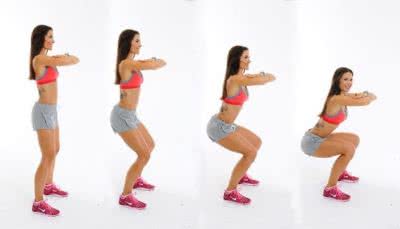
They stayed in a hunting lodge deep in the woods.
彼らは森の奥深くにある狩猟小屋に滞在した。

squat

/skwɑːt/

(verb) しゃがむ, かがむ, 不法占拠する;

(noun) しゃがみ, スクワット, 不法占拠地;

(adjective) ずんぐりした, 背の低い

例:
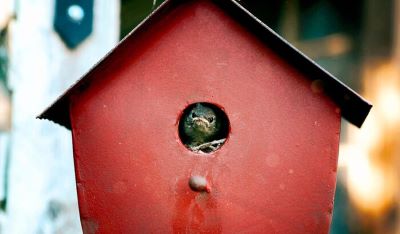
He squatted down to tie his shoelace.
彼は靴ひもを結ぶためにしゃがんだ

ensconce

/ɪnˈskɑːns/

(verb) 安置する, 落ち着かせる, 隠す

例:

She ensconced herself in a deep armchair with a book.
彼女は本を片手に深いアームチェアに身を落ち着けた

dangle

/ˈdæŋ.ɡəl/

(verb) ぶら下がる, 揺れる, ちらつかせる

例:

A single earring dangled from her ear.
片方のイヤリングが耳からぶら下がっていた

crouch

/kraʊtʃ/

(verb) かがむ, しゃがむ;

(noun) かがみ姿勢, しゃがみ姿勢

例:
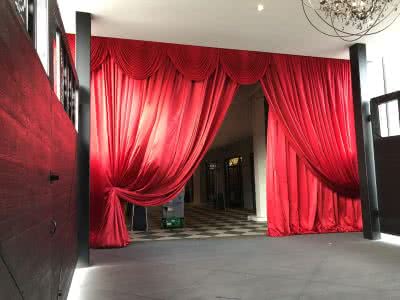
She had to crouch down to fit through the small opening.
彼女は小さな開口部を通るためにかがむ必要があった。

drape

/dreɪp/

(verb) かける, 覆う;

(noun) ドレープ, カーテン

例:

She draped a shawl over her shoulders.
彼女は肩にショールをかけた

mount

/maʊnt/

(noun) 山, 丘;

(verb) 登る, 乗る, 取り付ける

例:

We hiked to the top of the mount.
私たちはの頂上までハイキングした。

suspend

/səˈspend/

(verb) 一時停止する, 中断する, 吊るす

例:

The club has suspended him for two matches.
クラブは彼を2試合出場停止にした。

flank

/flæŋk/

(noun) 脇腹, 側面, 翼;

(verb) 側面を固める, 側面を攻撃する

例:
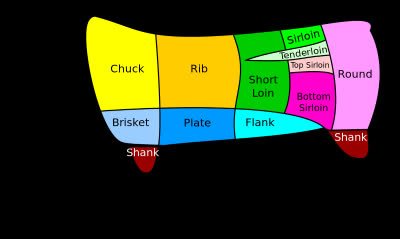
The horse had a scar on its flank.
その馬は脇腹に傷跡があった。

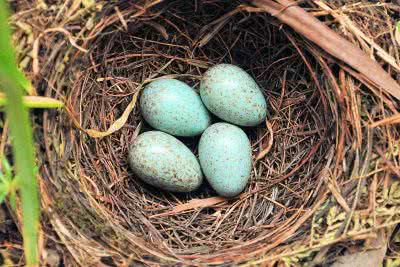
nest

/nest/

(noun) 巣, 隠れ家, 安息の地;

(verb) 巣を作る, 落ち着く

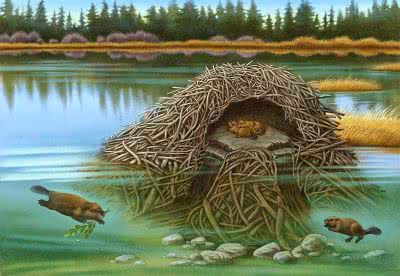
例:

The bird built its nest in the tall tree.
鳥は高い木にを作った。

snuggle

/ˈsnʌɡ.əl/

(verb) 寄り添う, 抱きしめる;

(noun) 寄り添い, 抱擁

例:
The child loved to snuggle with her teddy bear.
その子供はテディベアと寄り添うのが大好きだった。

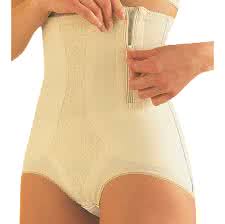
girdle

/ˈɡɝː.dəl/

(noun) ガードル, コルセット, 帯;

(verb) 囲む, 取り巻く

例:

She wore a girdle under her dress for a smoother silhouette.
彼女はより滑らかなシルエットのためにドレスの下にガードルを着用した。

overlay

/ˌoʊ.vɚˈleɪ/

(verb) 重ねる, 覆う;

(noun) オーバーレイ, 重ね合わせ

例:

She decided to overlay the old wallpaper with a fresh coat of paint.
彼女は古い壁紙の上に新しいペンキを重ね塗りすることにした。

erect

/ɪˈrekt/

(adjective) 直立した, まっすぐな;

(verb) 建立する, 建設する

例:

The soldier stood erect at attention.
兵士は気をつけの姿勢で直立していた。

superimpose

/ˌsuː.pɚ.ɪmˈpoʊz/

(verb) 重ね合わせる, 重ねる

例:

The artist decided to superimpose a digital image onto the traditional painting.
アーティストはデジタル画像を伝統的な絵画に重ね合わせることにした。

straddle

/ˈstræd.əl/

(verb) またがる, またぐ, 両方にまたがる

例:

She learned to straddle the horse before riding it.
彼女は馬に乗る前に、馬にまたがることを学んだ。

situate

/ˈsɪtʃ.u.eɪt/

(verb) 位置する, 置く, 配置する

例:

The hotel is ideally situated near the beach.
ホテルはビーチの近くに理想的に位置しています

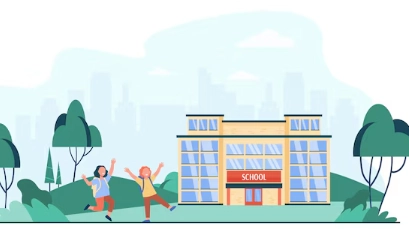
adjacent

/əˈdʒeɪ.sənt/

(adjective) 隣接した, 隣の

例:

The school is adjacent to the park.
学校は公園に隣接しています。

contiguous

/kənˈtɪɡ.ju.əs/

(adjective) 隣接した, 接触している

例:

The two states are contiguous with each other.
その2つの州は互いに隣接している

stationary

/ˈsteɪ.ʃə.ner.i/

(adjective) 静止した, 固定された, 動かない

例:

The car remained stationary at the red light.
車は赤信号で停止したままだった。

static

/ˈstæt̬.ɪk/

(adjective) 静的な, 停滞した;

(noun) 雑音, 砂嵐

例:

The population remained static for decades.
人口は数十年間停滞したままだった。

immovable

/ɪˈmuː.və.bəl/

(adjective) 動かせない, 不動の, 動じない

例:

The heavy safe was immovable.
その重い金庫は動かせなかった

isolated

/ˈaɪ.sə.leɪ.t̬ɪd/

(adjective) 孤立した, 離れた, 隔離された

例:

The village is very isolated, with no public transport.
その村は公共交通機関がなく、非常に孤立している

remote

/rɪˈmoʊt/

(adjective) 遠隔の, 遠い, 低い;

(noun) リモコン

例:
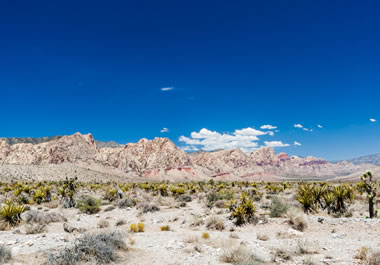
The village is located in a remote area.
その村は遠隔地に位置している。

sparse

/spɑːrs/

(adjective) まばらな, 希薄な, 少ない

例:

The population was sparse in the remote mountain regions.
遠隔の山岳地帯では人口がまばらだった。

aloft

/əˈlɑːft/

(adverb) 高く, 空中に;

(adjective) 空中の, 高く上がった

例:

The birds soared high aloft.
鳥たちは高く空へ舞い上がった。

innermost

/ˈɪn.ɚ.moʊst/

(adjective) 心の奥底の, 親密な, 最も内側の

例:

She shared her innermost thoughts with her best friend.
彼女は親友に心の奥底にある考えを打ち明けた。

positional

/pəˈzɪʃ.ən.əl/

(adjective) 位置の, ポジションの

例:

The team's positional play was excellent during the match.
試合中、チームのポジションプレーは素晴らしかった。

outspread

/ˌaʊtˈspred/

(adjective) 広げた, 展開した;

(verb) 広げる, 展開する

例:
The eagle soared with outspread wings.
ワシは翼を広げて舞い上がった。

slanted

/ˈslæn.t̬ɪd/

(adjective) 傾斜した, 斜めの, 偏った

例:

The house has a slanted roof to help the snow slide off.
その家は雪が滑り落ちやすいように傾斜した屋根をしています。

outermost

/ˈaʊ.t̬ɚ.moʊst/

(adjective) 最も外側の, 一番端の

例:

The outermost layer of the skin is called the epidermis.
皮膚の最も外側の層は表皮と呼ばれます。

opposable

/əˈpoʊ.zə.bəl/

(adjective) 対向できる, 向かい合わせにできる

例:

Humans have opposable thumbs, which allow us to grip tools.
人間には対向できる親指があり、それによって道具を握ることができます。

elsewhere

/ˈels.wer/

(adverb) 他の場所で, どこか別の場所に

例:

Maybe we should look elsewhere for a solution.
解決策を他の場所で探すべきかもしれません。

pinpoint

/ˈpɪn.pɔɪnt/

(verb) 特定する, 正確に指摘する

例:

The investigators are trying to pinpoint the cause of the accident.
捜査官は事故の原因を特定しようとしている。

inversion

/ɪnˈvɝː.ʒən/

(noun) 反転, 逆転, 倒置

例:

The photograph showed an inversion of the landscape, with the sky at the bottom.
その写真は、空が下にある風景の反転を示していた。
Lingolandでこの語彙セットを学習