Avatar of Vocabulary Set 化学

SAT理科語彙 内 化学 語彙セット:完全かつ詳細なリスト

「SAT理科語彙」内の「化学」語彙セットは国際標準教材から厳選され、短期間で語彙をマスターできます。定義、例文、標準発音を網羅…

Lingolandでこの語彙セットを学習

今すぐ学習
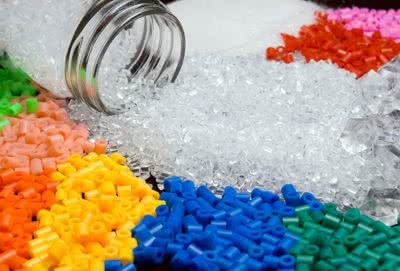
polymer

/ˈpɑː.lɪ.mɚ/

(noun) ポリマー, 高分子

例:

Plastic is a common example of a polymer.
プラスチックはポリマーの一般的な例です。

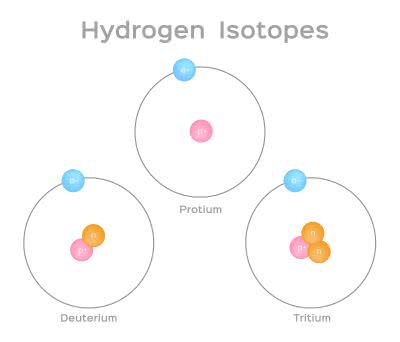
isotope

/ˈaɪ.sə.toʊp/

(noun) 同位体

例:

Carbon-14 is a radioactive isotope of carbon.
炭素14は炭素の放射性同位体です。

reactive

/riˈæk.tɪv/

(adjective) 反応性の, 受動的な, 反応的な

例:

The patient's pupils were reactive to light.
患者の瞳孔は光に反応性があった。

radioactive

/ˌreɪ.di.oʊˈæk.tɪv/

(adjective) 放射性の

例:

The waste material is highly radioactive and must be handled with extreme care.
廃棄物は非常に放射性が高く、細心の注意を払って取り扱う必要があります。

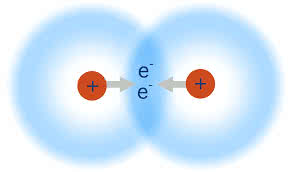
covalent bond

/ˌkoʊ.veɪ.lənt ˈbɑːnd/

(noun) 共有結合

例:

Water molecules are held together by covalent bonds.
水分子は共有結合によって結合しています。

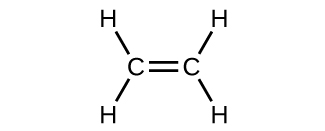
double bond

/ˈdʌb.əl bɑːnd/

(noun) 二重結合

例:

Ethylene contains a double bond between its two carbon atoms.
エチレンは2つの炭素原子の間に二重結合を含んでいる。

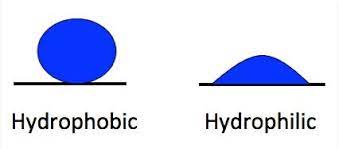
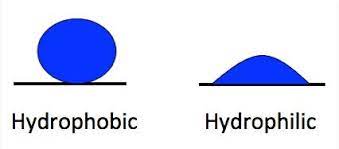
hydrophilic

/ˌhaɪdroʊˈfɪlɪk/

(adjective) 親水性の

例:

The hydrophilic head of the molecule faces the water.
分子の親水性の頭部は水の方を向いています。

hydrophobic

/ˌhaɪdroʊˈfoʊbɪk/

(adjective) 疎水性の, 水をはじく, 恐水病の

例:

The leaves of the lotus plant have a hydrophobic surface that keeps them clean.
ハスの葉は疎水性の表面を持っており、清潔に保たれています。

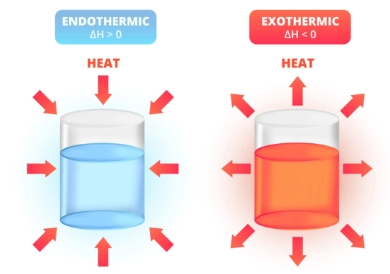
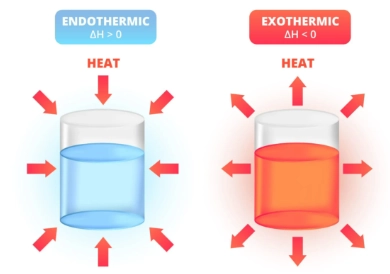
exothermic reaction

/ˌek.soʊˈθɝː.mɪk riˈæk.ʃən/

(noun) 発熱反応

例:

The combustion of wood is a common exothermic reaction.
木材の燃焼は一般的な発熱反応です。

endothermic reaction

/ˌen.doʊˈθɝː.mɪk riˈæk.ʃən/

(noun) 吸熱反応

例:

Photosynthesis is a classic example of an endothermic reaction.
光合成は吸熱反応の典型的な例です。

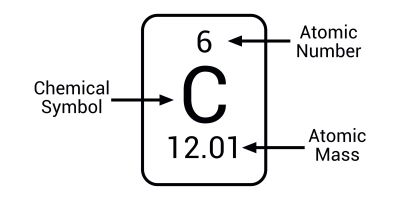
atomic mass

/əˈtɑː.mɪk mæs/

(noun) 原子量, 原子質量

例:

The atomic mass of carbon is approximately 12.011.
炭素の原子量は約12.011です。

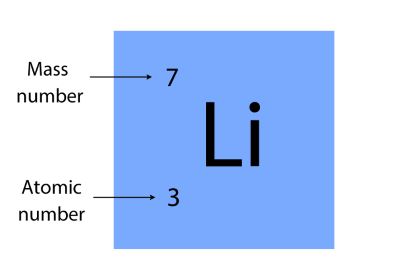
mass number

/ˈmæs ˌnʌm.bɚ/

(noun) 質量数

例:

The mass number of carbon-12 is twelve.
炭素12の質量数は12です。

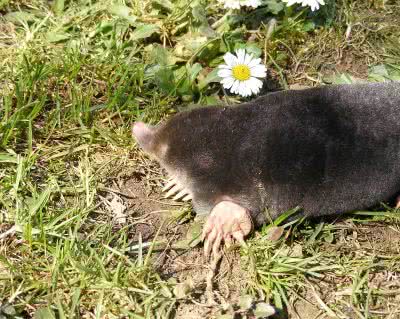
mole

/moʊl/

(noun) ほくろ, モグラ, スパイ

例:

She had a small mole on her cheek.
彼女の頬には小さなほくろがあった。

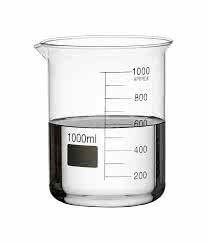
beaker

/ˈbiː.kɚ/

(noun) ビーカー

例:

The chemist poured the solution into a glass beaker.
化学者は溶液をガラスビーカーに注いだ。

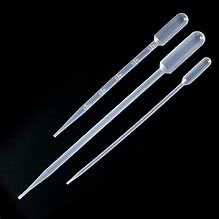
pipette

/paɪˈpet/

(noun) ピペット;

(verb) ピペットで測り取る, ピペットで移す

例:
She used a pipette to transfer the precise amount of solution.
彼女は正確な量の溶液を移すためにピペットを使用した。

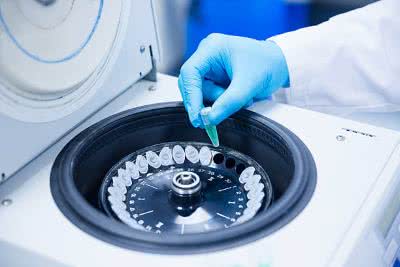
centrifuge

/ˈsen.trə.fjuːdʒ/

(noun) 遠心分離機;

(verb) 遠心分離する

例:

The lab technician used a centrifuge to separate the blood components.
検査技師は血液成分を分離するために遠心分離機を使用した。

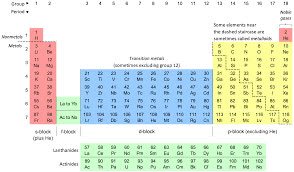
the periodic table

/ðə ˌpɪriˌɑːdɪk ˈteɪbl/

(noun) 周期表

例:

Students learned about the properties of elements using the periodic table.
学生たちは周期表を使って元素の性質について学んだ。

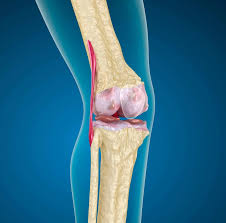
calcification

/ˌkæl.sə.fəˈkeɪ.ʃən/

(noun) 石灰化, 硬直化, 固定化

例:

The X-ray showed significant calcification in the patient's arteries.
レントゲン検査で患者の動脈に顕著な石灰化が見られた。

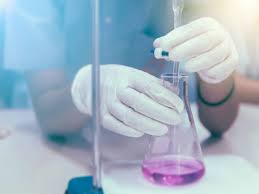
titration

/taɪˈtreɪ.ʃən/

(noun) 滴定

例:

The student performed a titration to find the acidity of the vinegar.
学生は酢の酸性度を調べるために滴定を行った。

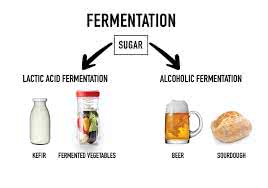
fermentation

/ˌfɝː.menˈteɪ.ʃən/

(noun) 発酵

例:

Yeast is essential for the fermentation of grapes into wine.
酵母はブドウをワインに発酵させるために不可欠です。

concentration

/ˌkɑːn.sənˈtreɪ.ʃən/

(noun) 集中, 集中力, 濃度

例:

He needs to improve his concentration during studies.
彼は勉強中の集中力を向上させる必要がある。

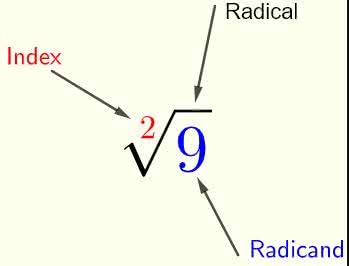
radical

/ˈræd.ɪ.kəl/

(adjective) 根本的な, 抜本的な, 徹底的な;

(noun) 急進派, 過激派, 革新主義者

例:
The company underwent a radical transformation.
その会社は根本的な変革を遂げた。

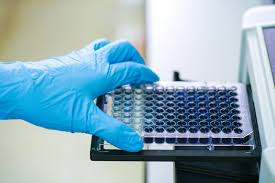
assay

/æsˈeɪ/

(noun) 分析, 試金, アッセイ;

(verb) 分析する, 試金する

例:

The gold ore underwent an assay to determine its purity.
金鉱石は純度を決定するために分析された。

equilibrium

/ˌiː.kwəˈlɪb.ri.əm/

(noun) 均衡, 平衡, 身体の平衡

例:

The market reached a state of equilibrium between supply and demand.
市場は需要と供給の均衡状態に達した。

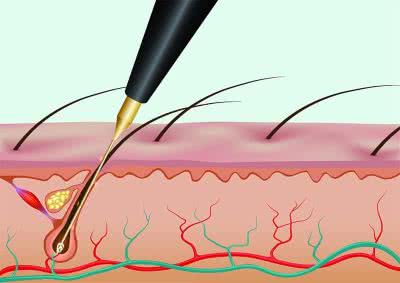
electrolysis

/iˌlekˈtrɑː.lə.sɪs/

(noun) 電気分解, 電気分解脱毛

例:

Water can be split into hydrogen and oxygen through electrolysis.
水は電気分解によって水素と酸素に分解できる。

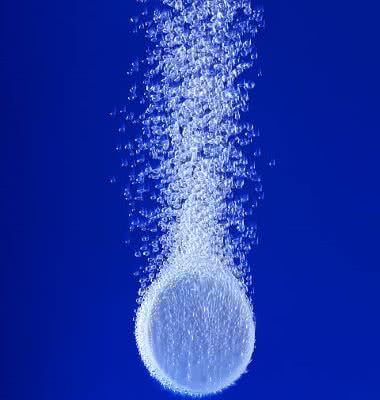
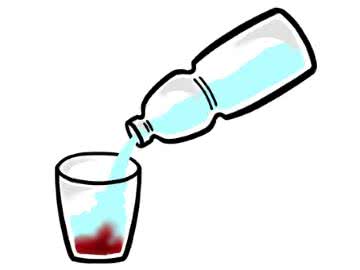
dissolve

/dɪˈzɑːlv/

(verb) 溶かす, 溶ける, 解散する

例:

Sugar dissolves in water.
砂糖は水に溶ける

dilute

/daɪˈluːt/

(verb) 薄める, 希釈する, 希薄にする;

(adjective) 薄い, 希釈された

例:

You should dilute the juice with water before drinking.
飲む前にジュースを水で薄めるべきです。

suspend

/səˈspend/

(verb) 一時停止する, 中断する, 吊るす

例:

The club has suspended him for two matches.
クラブは彼を2試合出場停止にした。

microstructure

/ˈmaɪ.kroʊˌstrʌk.tʃɚ/

(noun) 微細構造, マイクロ構造

例:

The microstructure of the steel determines its strength and durability.
鋼の微細構造がその強度と耐久性を決定します。

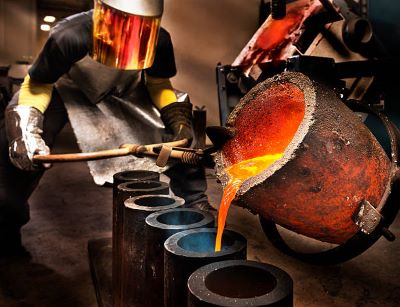
molten

/ˈmoʊl.tən/

(adjective) 溶けた, 熱で液化した

例:

The volcano erupted, sending a stream of molten lava down the mountain.
火山が噴火し、溶けた溶岩の流れが山を下った。

phase

/feɪz/

(noun) 段階, 相;

(verb) 段階的に導入する, 段階的に廃止する

例:

The project is currently in its initial phase.
プロジェクトは現在、初期段階にあります。

detoxify

/diːˈtɑːk.sə.faɪ/

(verb) 解毒する

例:

The liver works to detoxify the blood.
肝臓は血液を解毒する働きをします。

crystalline

/ˈkrɪs.təl.lən/

(adjective) 結晶質の, 結晶性の, 透明な

例:

The cave was filled with beautiful crystalline formations.
洞窟は美しい結晶質の形成物で満たされていた。

crystallographer

/ˌkrɪs.təˈlɑː.ɡrə.fɚ/

(noun) 結晶学者

例:

The crystallographer used X-ray diffraction to determine the protein's structure.
その結晶学者は、タンパク質の構造を決定するためにX線回折を使用した。

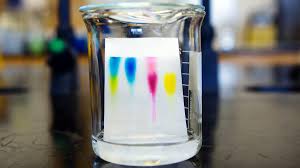
chromatography

/ˌkroʊ.məˈtɑː.ɡrə.fi/

(noun) クロマトグラフィー

例:

The scientist used gas chromatography to analyze the chemical composition of the sample.
科学者はサンプルの化学組成を分析するためにガスクロマトグラフィー(chromatography)を使用した。

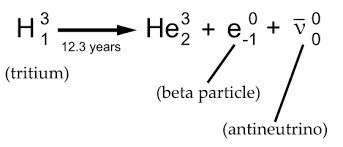
beta decay

/ˈbeɪ.t̬ə dɪˌkeɪ/

(noun) ベータ崩壊

例:

Carbon-14 undergoes beta decay to become nitrogen-14.
炭素14はベータ崩壊を起こして窒素14になる。

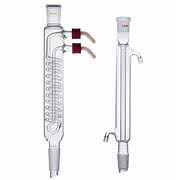
condenser

/kənˈden.sɚ/

(noun) 凝縮器, コンデンサー, コンデンサーレンズ

例:

The air conditioning unit uses a condenser to cool the refrigerant.
エアコンユニットは冷媒を冷却するために凝縮器を使用します。

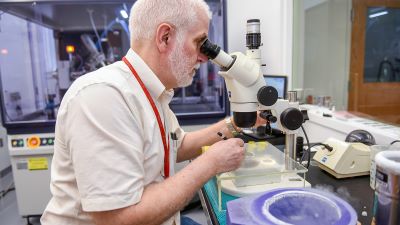
metallurgist

/ˈmet̬.əl.ɝː.dʒɪst/

(noun) 冶金学者, 冶金技術者

例:

The metallurgist analyzed the alloy to determine its strength.
その冶金学者は合金を分析して強度を測定した。

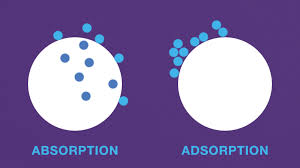
adsorption

/ædˈsɔːrp.ʃən/

(noun) 吸着

例:

Activated carbon is often used for the adsorption of impurities from water.
活性炭は水からの不純物の吸着によく使われます。

biodiesel

/ˈbaɪ.oʊˌdiː.zəl/

(noun) バイオディーゼル

例:

Many trucks now run on biodiesel to reduce emissions.
多くのトラックが排出量を削減するために現在バイオディーゼルで走行しています。

superabsorbent

/ˌsuː.pɚ.əbˈzɔːr.bənt/

(adjective) 高吸水性の, 超吸収性の

例:

These new diapers feature a superabsorbent core to keep the baby dry.
この新しいおむつは、赤ちゃんをドライに保つための高吸水性コアを備えています。
Lingolandでこの語彙セットを学習