Avatar of Vocabulary Set 解剖学と遺伝学

SAT理科語彙 内 解剖学と遺伝学 語彙セット:完全かつ詳細なリスト

「SAT理科語彙」内の「解剖学と遺伝学」語彙セットは国際標準教材から厳選され、短期間で語彙をマスターできます。定義、例文、標準発音を網羅…

Lingolandでこの語彙セットを学習

今すぐ学習
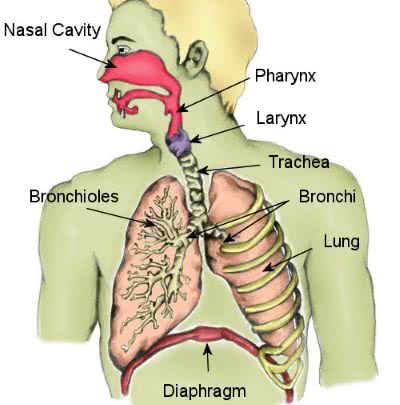
diaphragm

/ˈdaɪ.ə.fræm/

(noun) 横隔膜, 振動板, 絞り

例:

The doctor explained how the diaphragm helps us breathe.
医師は横隔膜がどのように呼吸を助けるかを説明した。

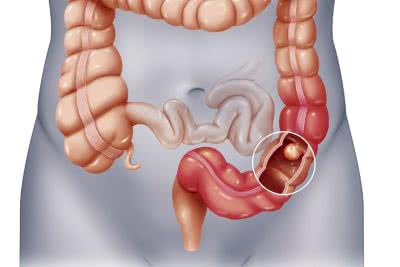
appendix

/əˈpen.dɪks/

(noun) 虫垂, 付録, 補遺

例:

The surgeon removed his inflamed appendix.
外科医は彼の炎症を起こした虫垂を切除した。

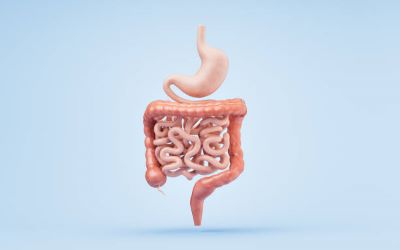
intestinal

/ˌɪnˈtes.tɪn.əl/

(adjective) 腸の, 腸に関する

例:

The doctor diagnosed an intestinal infection.
医師は腸の感染症と診断した。

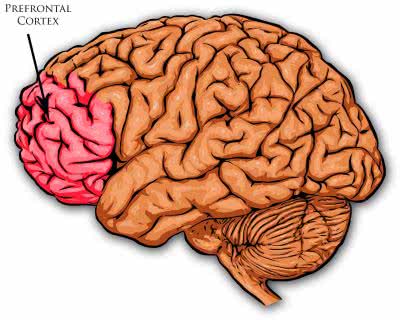
prefrontal cortex

/ˌpriːˈfrʌn.təl ˈkɔːr.teks/

(noun) 前頭前野

例:

Damage to the prefrontal cortex can affect a person's ability to make sound decisions.
前頭前野の損傷は、健全な意思決定能力に影響を与える可能性があります。

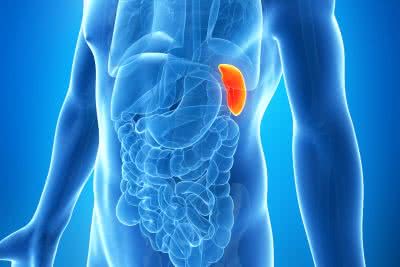
spleen

/spliːn/

(noun) 脾臓, 悪意, 怒り

例:

The doctor examined his spleen for any abnormalities.
医師は彼の脾臓に異常がないか検査した。

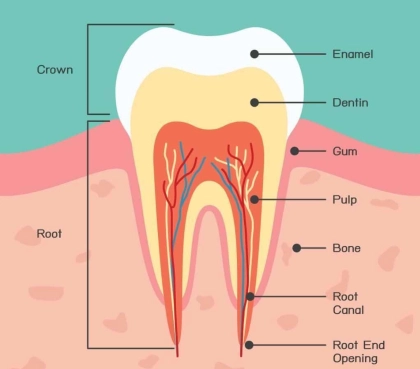
enamel

/ɪˈnæm.əl/

(noun) エナメル, 琺瑯, エナメル質;

(verb) エナメルを塗る, 琺瑯を施す

例:
The old bathtub had a chipped enamel finish.
古いバスタブはエナメル仕上げが欠けていた。

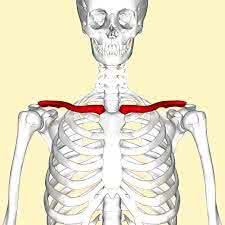
clavicle

/ˈklæv.ɪ.kəl/

(noun) 鎖骨

例:

He fractured his clavicle during the football game.
彼はフットボールの試合中に鎖骨を骨折した。

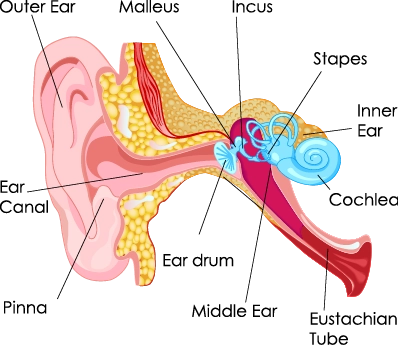
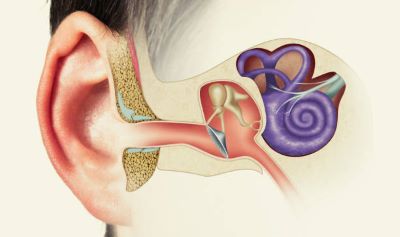
cochlea

/ˈkɑːk.li.ə/

(noun) 蝸牛

例:

Sound waves are converted into electrical signals in the cochlea.
音波は蝸牛で電気信号に変換されます。

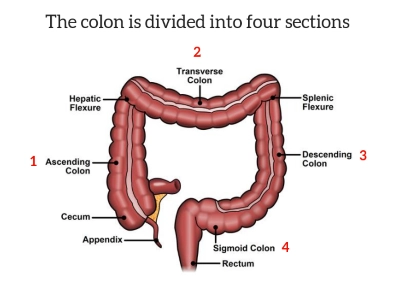
cecum

/ˈsiː.kəm/

(noun) 盲腸

例:

The appendix is a small, finger-shaped organ that projects from the cecum.
虫垂は盲腸から突き出た小さな指状の器官です。

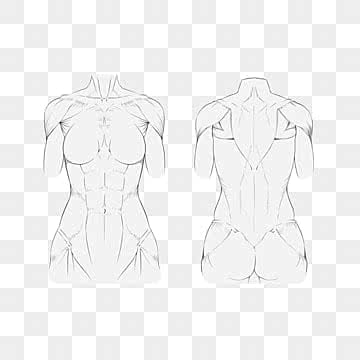
torso

/ˈtɔːr.soʊ/

(noun) 胴体, 胴

例:

The artist sculpted the muscular torso of a male figure.
芸術家は男性像の筋肉質な胴体を彫刻した。

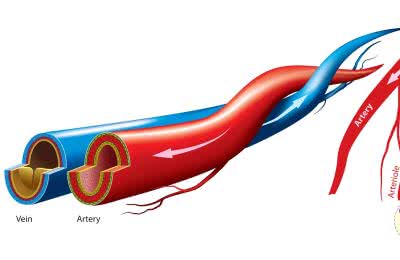
artery

/ˈɑːr.t̬ɚ.i/

(noun) 動脈, 幹線道路, 主要道路

例:

The surgeon carefully repaired the damaged artery.
外科医は損傷した動脈を慎重に修復した。

joint

/dʒɔɪnt/

(noun) 関節, 接合部, 継ぎ目;

(adjective) 共同の, 合同の;

(verb) 接合する, つなぐ

例:
My knee joint aches after running.
走った後、膝の関節が痛む。

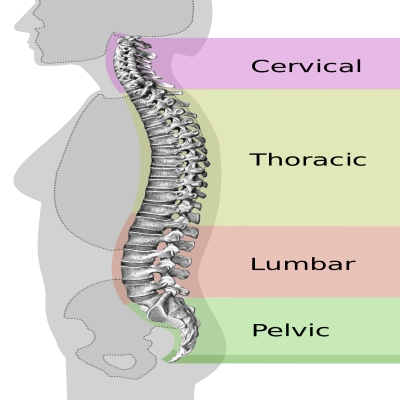
spine

/spaɪn/

(noun) 脊椎, 背骨, 背表紙

例:

He injured his spine in a fall.
彼は転倒で脊椎を負傷した。

tract

/trækt/

(noun) 土地, 地域, 広がり

例:

The government purchased a large tract of land for the new park.
政府は新しい公園のために広大な土地を購入した。

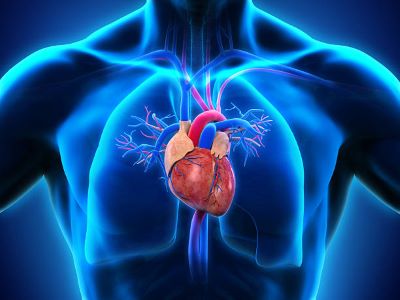
coronary

/ˈkɔːr.ə.ner.i/

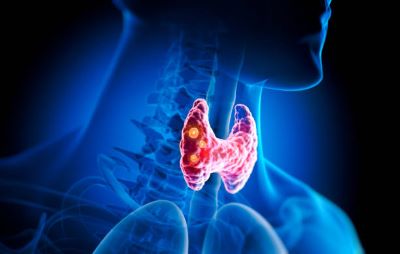
thyroid

/ˈθaɪ.rɔɪd/

(noun) 甲状腺;

(adjective) 甲状腺の

例:

The doctor checked her thyroid during the examination.
医師は診察中に彼女の甲状腺を検査した。

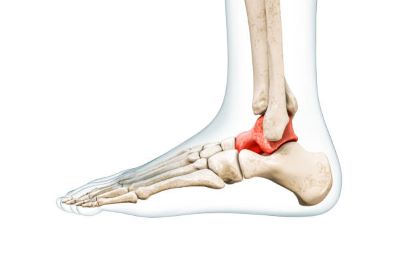
talus

/ˈteɪ.ləs/

(noun) 距骨, 崖錐, ががいすい

例:

The athlete suffered a fracture of the talus during the jump.
そのアスリートはジャンプ中に距骨を骨折した。

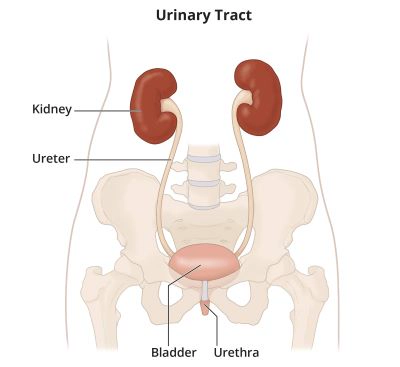
bladder

/ˈblæd.ɚ/

(noun) 膀胱, 袋, ブラダー

例:

The doctor examined the patient's bladder.
医師は患者の膀胱を検査した。

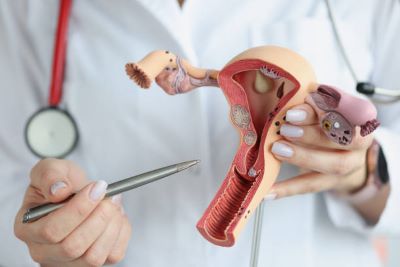
reproductive

/ˌriː.prəˈdʌk.t̬ɪv/

(adjective) 生殖の, 繁殖の

例:

The study focused on the reproductive health of women.
その研究は女性の生殖健康に焦点を当てた。

sensory

/ˈsen.sər.i/

(adjective) 感覚の, 知覚の

例:

The brain processes sensory information from the environment.
脳は環境からの感覚情報を処理する。

tactile

/ˈtæk.təl/

(adjective) 触覚の, 触知できる

例:

The exhibition includes tactile displays for the visually impaired.
その展示会には視覚障害者のための触覚ディスプレイが含まれています。

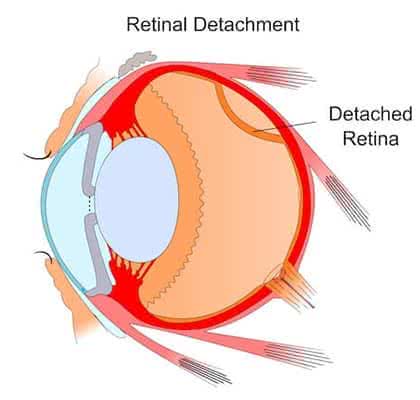
retinal

/ˈret.ən.əl/

(adjective) 網膜の;

(noun) レチナール

例:

The doctor performed a retinal examination.
医師は網膜検査を行った。

auditory

/ˈɑː.də.tɔːr.i/

(adjective) 聴覚の

例:

The experiment tested the participants' auditory perception.
その実験は参加者の聴覚認識をテストした。

optical

/ˈɑːp.tɪ.kəl/

(adjective) 光学の, 視覚の

例:

The new telescope has excellent optical performance.
新しい望遠鏡は優れた光学性能を持っています。

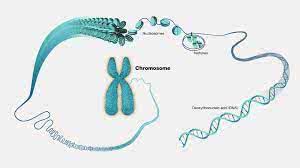
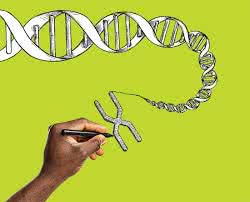
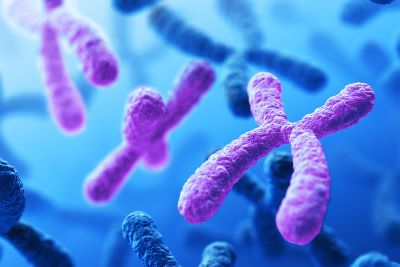
chromosome

/ˈkroʊ.mə.soʊm/

(noun) 染色体

例:

Humans have 23 pairs of chromosomes.
人間は23対の染色体を持っています。

genome

/ˈdʒiː.noʊm/

(noun) ゲノム

例:

Scientists are working to map the human genome.
科学者たちはヒトゲノムの地図作成に取り組んでいる。

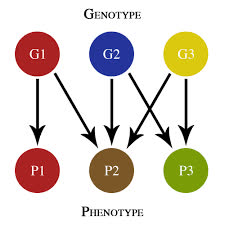
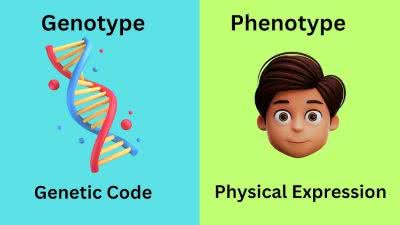
genotype

/ˈdʒen.oʊ.taɪp/

(noun) 遺伝子型;

(verb) 遺伝子型を判定する

例:

The researcher analyzed the genotype of the plants to determine their resistance to disease.
研究者は植物の遺伝子型を分析し、病気への耐性を判断した。

phenotype

/ˈfiː.noʊ.taɪp/

(noun) 表現型

例:

The color of a flower is a clear phenotype.
花の色は明確な表現型です。

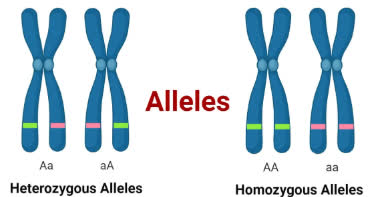
allele

/əˈliːl/

(noun) 対立遺伝子, アレル

例:

Each parent contributes one allele for every gene to their offspring.
各親は子孫に対して、すべての遺伝子について1つの対立遺伝子を提供します。

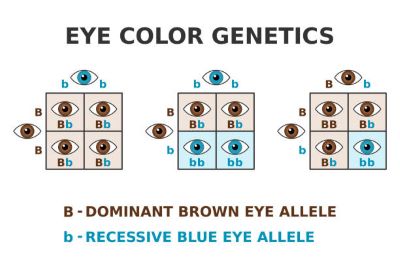
recessive

/rɪˈses.ɪv/

(adjective) 劣性

例:

Blue eyes are a recessive trait.
青い目は劣性形質です。

dominant

/ˈdɑː.mə.nənt/

(adjective) 支配的な, 優勢な, 優性

例:

The company has a dominant position in the market.
その会社は市場で支配的な地位を占めている。

expression

/ɪkˈspreʃ.ən/

(noun) 表現, 表明, 言い回し

例:

Art is a form of self-expression.
芸術は自己表現の一形態である。

modify

/ˈmɑː.də.faɪ/

(verb) 修正する, 変更する, 修飾する

例:

The design was modified to include a new safety feature.
新しい安全機能を含めるために、デザインが修正された

mutation

/mjuːˈteɪ.ʃən/

(noun) 変異, 変化, 遺伝子変異

例:

The virus underwent a rapid mutation.
ウイルスは急速な変異を遂げた。

inherit

/ɪnˈher.ɪt/

(verb) 相続する, 遺伝する, 受け継ぐ

例:

She inherited a fortune from her grandmother.
彼女は祖母から財産を相続した。

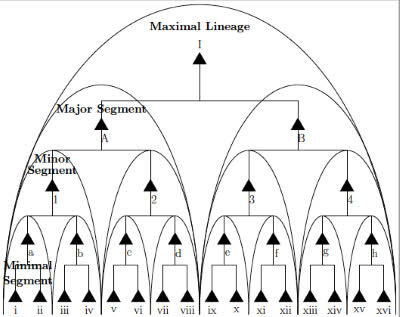
lineage

/ˈlɪn.i.ɪdʒ/

(noun) 血統, 家系, 系統

例:

His noble lineage could be traced back to ancient kings.
彼の高貴な血統は古代の王にまで遡ることができた。

progenitor

/proʊˈdʒen.ə.t̬ɚ/

(noun) 祖先, 創始者, 起源

例:

The first single-celled organisms were the progenitors of all life on Earth.
最初の単細胞生物は、地球上のすべての生命の祖先でした。

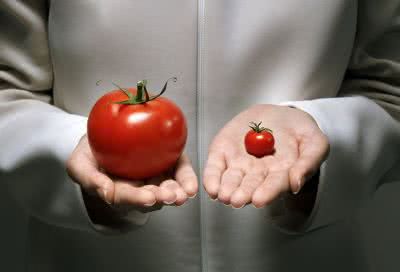
transgenic

/trænzˈdʒen.ɪk/

(adjective) 遺伝子組み換えの, トランスジェニックの

例:

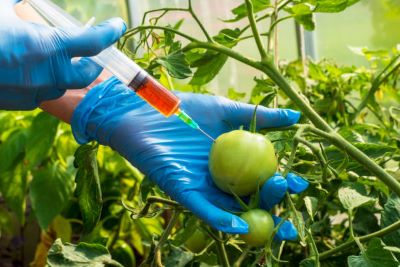
Scientists developed transgenic crops to be resistant to pests.
科学者たちは害虫に強い遺伝子組み換え作物を開発した。

geneticist

/dʒəˈnet̬.ə.sɪst/

(noun) 遺伝学者

例:

The geneticist explained how the trait was passed down through generations.
その遺伝学者は、その形質がどのように世代を超えて受け継がれたかを説明した。

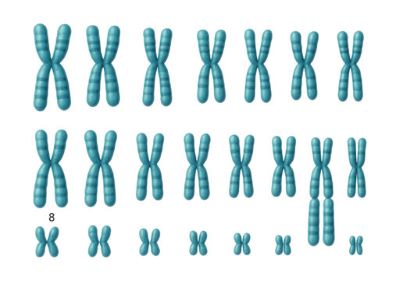
karyotype

/ˈker.i.ə.taɪp/

(noun) 核型;

(verb) 核型を分析する

例:

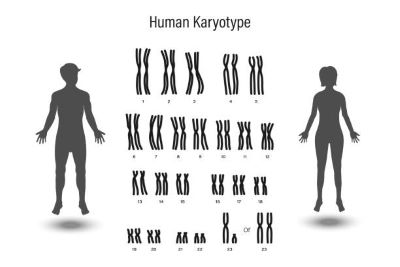
The doctor ordered a karyotype to check for chromosomal abnormalities.
医師は染色体異常を調べるために核型検査を指示した。

eugenics

/juːˈdʒen.ɪks/

(noun) 優生学

例:

The history of eugenics is fraught with ethical controversies.
優生学の歴史は倫理的な論争に満ちている。

trisomy

/traɪˈsoʊ.mi/

(noun) トリソミー, 三染色体性

例:

Down syndrome is the most common form of trisomy in humans.
ダウン症は、人間において最も一般的なトリソミーの形態です。

palindrome

/ˈpæl.ɪn.droʊm/

(noun) 回文

例:

The word 'level' is a palindrome.
「level」という単語は回文です。

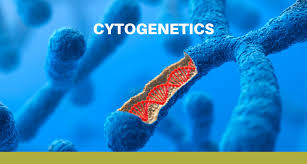
cytogenetics

/ˌsaɪ.t̬oʊ.dʒəˈnet̬.ɪks/

(noun) 細胞遺伝学

例:

Advances in cytogenetics have greatly improved our understanding of genetic disorders.
細胞遺伝学の進歩は、遺伝性疾患の理解を大幅に向上させました。

autosome

/ˈɑː.t̬ə.zoʊm/

(noun) 常染色体

例:

Humans have 22 pairs of autosomes and one pair of sex chromosomes.
人間は22対の常染色体と1対の性染色体を持っています。

genetically

/dʒəˈnet̬.ɪ.kəl.i/

(adverb) 遺伝的に

例:

The disease is genetically inherited.
その病気は遺伝的に受け継がれる。

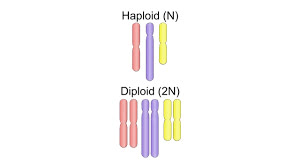
haploid

/ˈhæp.lɔɪd/

(adjective) 単倍体の, ハプロイドの;

(noun) 単倍体

例:

Gametes are haploid cells, containing only one set of chromosomes.
配偶子は倍数性が1(単倍体)の細胞で、染色体を1セットしか持っていません。
Lingolandでこの語彙セットを学習