Avatar of Vocabulary Set 解剖學和遺傳學

詞彙集 解剖學和遺傳學(屬於 SAT科學詞彙):完整且詳細的清單

詞彙集「解剖學和遺傳學」(屬於「SAT科學詞彙」)從國際標準教材來源精心挑選,幫助您在短時間內掌握詞彙。全面彙整定義、例句及標準發音…

在 Lingoland 學習此詞彙集

立即學習
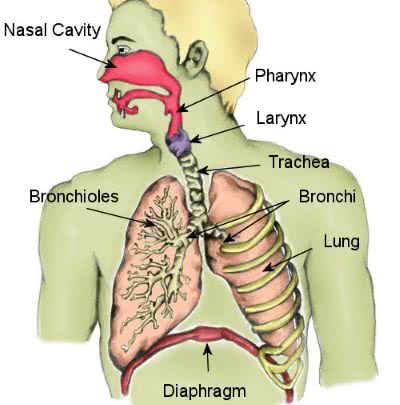
diaphragm

/ˈdaɪ.ə.fræm/

(noun) 橫膈膜, 振膜, 光圈

範例:

The doctor explained how the diaphragm helps us breathe.
醫生解釋了橫膈膜如何幫助我們呼吸。

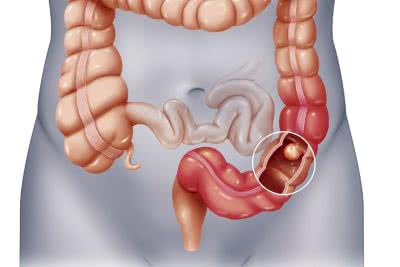
appendix

/əˈpen.dɪks/

(noun) 闌尾, 附錄, 附件

範例:

The surgeon removed his inflamed appendix.
外科醫生切除了他發炎的闌尾

intestinal

/ˌɪnˈtes.tɪn.əl/

(adjective) 腸的, 腸道的

範例:

The doctor diagnosed an intestinal infection.
醫生診斷出腸道感染。

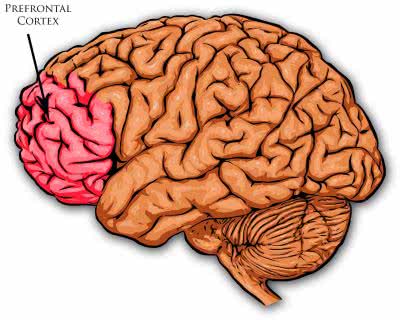
prefrontal cortex

/ˌpriːˈfrʌn.təl ˈkɔːr.teks/

(noun) 前額葉皮層

範例:

Damage to the prefrontal cortex can affect a person's ability to make sound decisions.
前額葉皮層受損會影響一個人的正確決策能力。

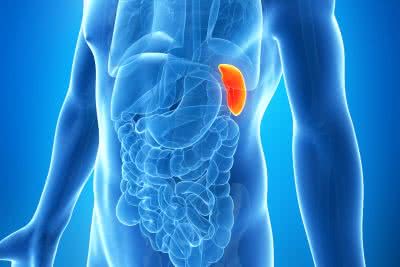
spleen

/spliːn/

(noun) 脾臟, 壞脾氣, 惡意

範例:

The doctor examined his spleen for any abnormalities.
醫生檢查了他的脾臟是否有異常。

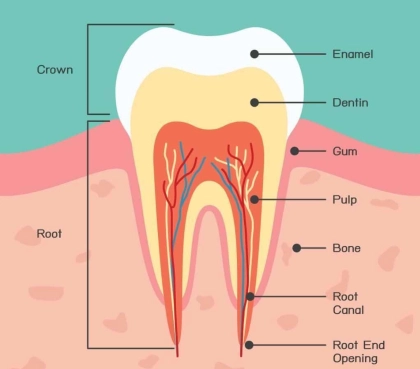
enamel

/ɪˈnæm.əl/

(noun) 搪瓷, 琺瑯, 牙釉質;

(verb) 上搪瓷, 上琺瑯

範例:
The old bathtub had a chipped enamel finish.
舊浴缸的搪瓷表面有缺口。

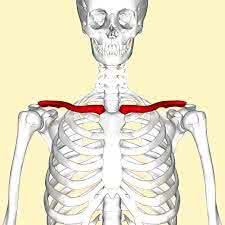
clavicle

/ˈklæv.ɪ.kəl/

(noun) 鎖骨

範例:

He fractured his clavicle during the football game.
他在足球比賽中摔斷了鎖骨

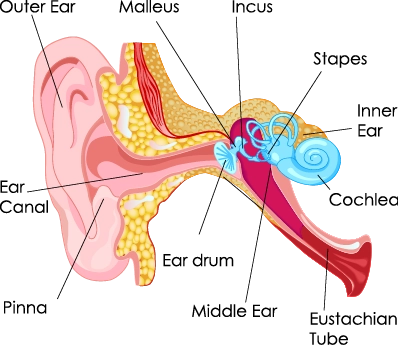
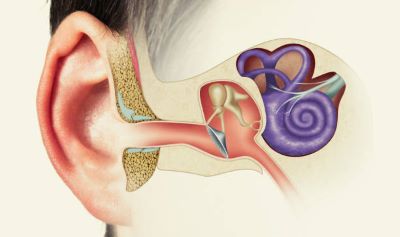
cochlea

/ˈkɑːk.li.ə/

(noun) 耳蝸

範例:

Sound waves are converted into electrical signals in the cochlea.
聲波在耳蝸中轉化為電信號。

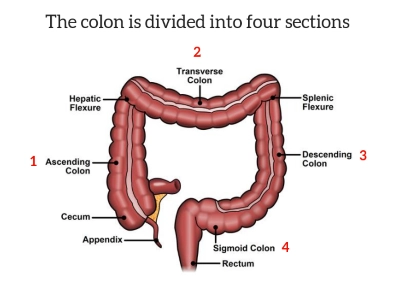
cecum

/ˈsiː.kəm/

(noun) 盲腸

範例:

The appendix is a small, finger-shaped organ that projects from the cecum.
闌尾是盲腸突出的小指狀器官。

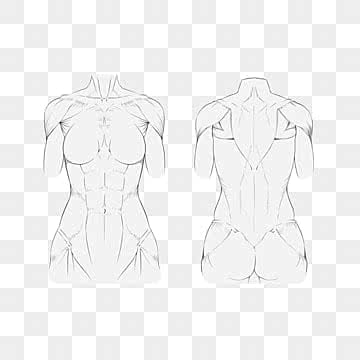
torso

/ˈtɔːr.soʊ/

(noun) 軀幹, 上身

範例:

The artist sculpted the muscular torso of a male figure.
藝術家雕刻了一個男性人物的肌肉發達的軀幹

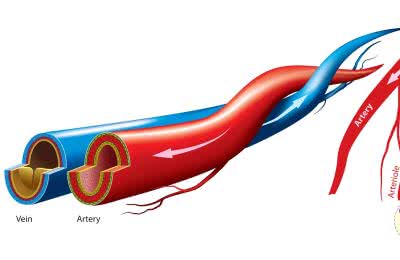
artery

/ˈɑːr.t̬ɚ.i/

(noun) 動脈, 幹道, 主要路線

範例:

The surgeon carefully repaired the damaged artery.
外科醫生小心翼翼地修復了受損的動脈

joint

/dʒɔɪnt/

(noun) 關節, 接頭, 連接處;

(adjective) 共同的, 聯合的;

(verb) 連接, 接合

範例:
My knee joint aches after running.
跑步後我的膝關節疼痛。

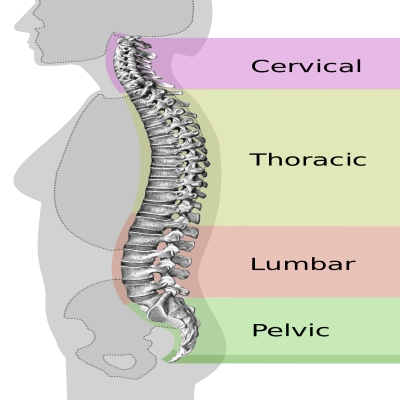
spine

/spaɪn/

(noun) 脊椎, 脊柱, 書脊

範例:

He injured his spine in a fall.
他在一次跌倒中傷到了脊椎

tract

/trækt/

(noun) 土地, 地帶, 區域

範例:

The government purchased a large tract of land for the new park.
政府為新公園購買了一大片土地

coronary

/ˈkɔːr.ə.ner.i/

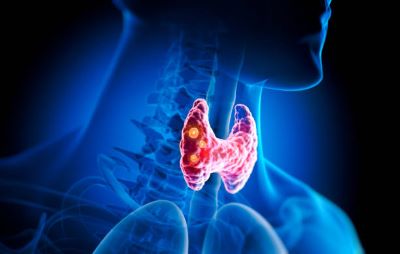
thyroid

/ˈθaɪ.rɔɪd/

(noun) 甲狀腺;

(adjective) 甲狀腺的

範例:

The doctor checked her thyroid during the examination.
醫生在檢查時檢查了她的甲狀腺

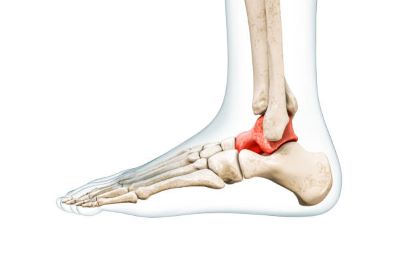
talus

/ˈteɪ.ləs/

(noun) 距骨, 岩屑堆, 崩積層

範例:

The athlete suffered a fracture of the talus during the jump.
這名運動員在跳躍時距骨骨折。

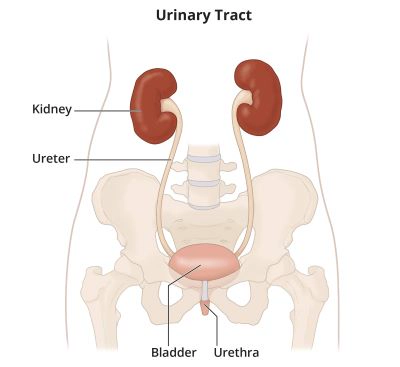
bladder

/ˈblæd.ɚ/

(noun) 膀胱, 氣囊, 內膽

範例:

The doctor examined the patient's bladder.
醫生檢查了病人的膀胱

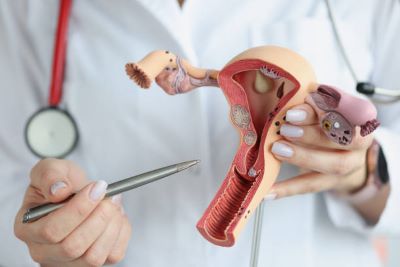
reproductive

/ˌriː.prəˈdʌk.t̬ɪv/

(adjective) 生殖的, 繁殖的

範例:

The study focused on the reproductive health of women.
這項研究關注女性的生殖健康。

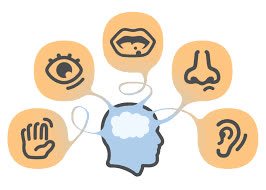
sensory

/ˈsen.sər.i/

(adjective) 感官的, 感覺的

範例:

The brain processes sensory information from the environment.
大腦處理來自環境的感官信息。

tactile

/ˈtæk.təl/

(adjective) 觸覺的, 有觸感的

範例:

The exhibition includes tactile displays for the visually impaired.
展覽包括為視障人士提供的觸覺展示。

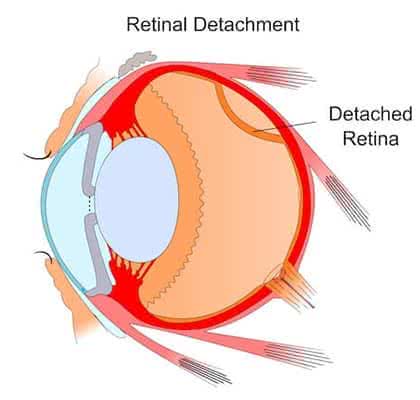
retinal

/ˈret.ən.əl/

(adjective) 視網膜的;

(noun) 視黃醛

範例:

The doctor performed a retinal examination.
醫生進行了視網膜檢查。

auditory

/ˈɑː.də.tɔːr.i/

(adjective) 聽覺的

範例:

The experiment tested the participants' auditory perception.
實驗測試了參與者的聽覺感知能力。

optical

/ˈɑːp.tɪ.kəl/

(adjective) 光學的, 視覺的

範例:

The new telescope has excellent optical performance.
這款新望遠鏡具有出色的光學性能。

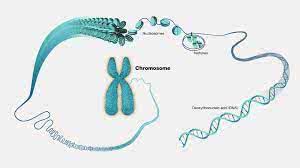
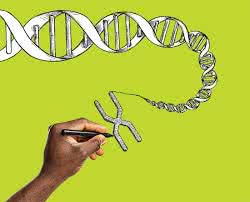
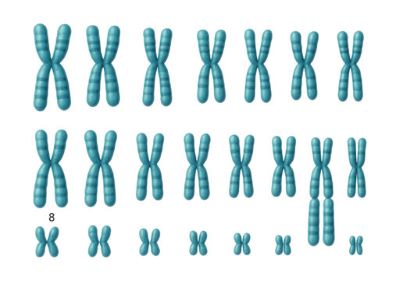
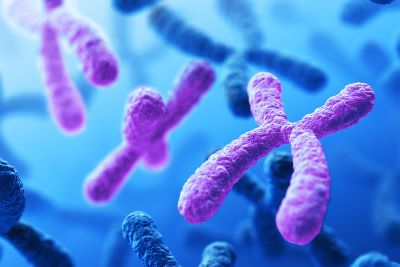
chromosome

/ˈkroʊ.mə.soʊm/

(noun) 染色體

範例:

Humans have 23 pairs of chromosomes.
人類有23對染色體

genome

/ˈdʒiː.noʊm/

(noun) 基因組

範例:

Scientists are working to map the human genome.
科學家們正在繪製人類基因組圖譜。

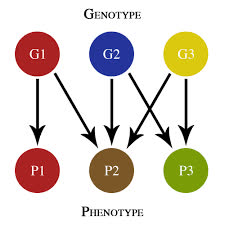
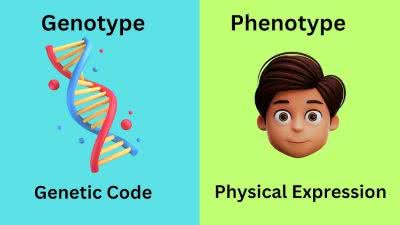
genotype

/ˈdʒen.oʊ.taɪp/

(noun) 基因型;

(verb) 進行基因分型

範例:

The researcher analyzed the genotype of the plants to determine their resistance to disease.
研究人員分析了植物的基因型,以確定它們的抗病性。

phenotype

/ˈfiː.noʊ.taɪp/

(noun) 表型

範例:

The color of a flower is a clear phenotype.
花的顏色是一個明顯的表型

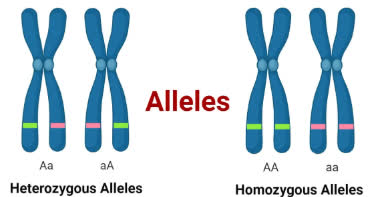
allele

/əˈliːl/

(noun) 等位基因

範例:

Each parent contributes one allele for every gene to their offspring.
每個親本為後代的每個基因貢獻一個等位基因

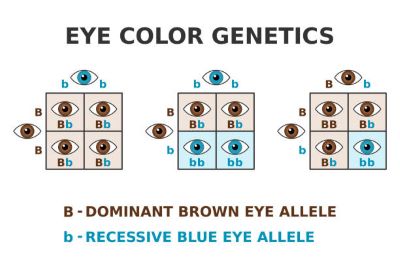
recessive

/rɪˈses.ɪv/

(adjective) 隱性

範例:

Blue eyes are a recessive trait.
藍眼睛是一種隱性特徵。

dominant

/ˈdɑː.mə.nənt/

(adjective) 主導的, 佔優勢的, 顯性

範例:

The company has a dominant position in the market.
該公司在市場上佔據主導地位。

expression

/ɪkˈspreʃ.ən/

(noun) 表達, 表現, 短語

範例:

Art is a form of self-expression.
藝術是一種自我表達的形式。

modify

/ˈmɑː.də.faɪ/

(verb) 修改, 更改, 修飾

範例:

The design was modified to include a new safety feature.
設計被修改以包含新的安全功能。

mutation

/mjuːˈteɪ.ʃən/

(noun) 變異, 突變, 變化

範例:

The virus underwent a rapid mutation.
病毒發生了快速變異

inherit

/ɪnˈher.ɪt/

(verb) 繼承, 遺傳, 接替

範例:

She inherited a fortune from her grandmother.
她從祖母那裡繼承了一筆財富。

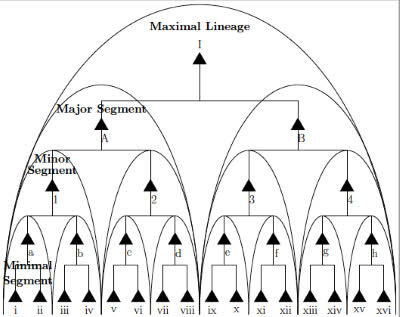
lineage

/ˈlɪn.i.ɪdʒ/

(noun) 血統, 世系, 家系

範例:

His noble lineage could be traced back to ancient kings.
他高貴的血統可以追溯到古代國王。

progenitor

/proʊˈdʒen.ə.t̬ɚ/

(noun) 祖先, 開創者, 起源

範例:

The first single-celled organisms were the progenitors of all life on Earth.
第一批單細胞生物是地球上所有生命的祖先

transgenic

/trænzˈdʒen.ɪk/

(adjective) 轉基因的

範例:

Scientists developed transgenic crops to be resistant to pests.
科學家開發了轉基因作物以抵抗害蟲。

geneticist

/dʒəˈnet̬.ə.sɪst/

(noun) 遺傳學家

範例:

The geneticist explained how the trait was passed down through generations.
這位遺傳學家解釋了這一特徵是如何代代相傳的。

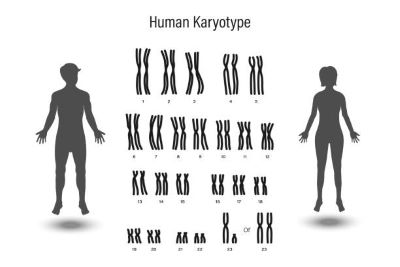
karyotype

/ˈker.i.ə.taɪp/

(noun) 核型, 染色體組型;

(verb) 進行核型分析

範例:

The doctor ordered a karyotype to check for chromosomal abnormalities.
醫生要求進行核型分析以檢查染色體異常。

eugenics

/juːˈdʒen.ɪks/

(noun) 優生學

範例:

The history of eugenics is fraught with ethical controversies.
優生學的歷史充滿了倫理爭議。

trisomy

/traɪˈsoʊ.mi/

(noun) 三體症, 三體性

範例:

Down syndrome is the most common form of trisomy in humans.
唐氏症是人類最常見的三體症形式。

palindrome

/ˈpæl.ɪn.droʊm/

(noun) 迴文

範例:

The word 'level' is a palindrome.
“level”這個詞是一個迴文

cytogenetics

/ˌsaɪ.t̬oʊ.dʒəˈnet̬.ɪks/

(noun) 細胞遺傳學

範例:

Advances in cytogenetics have greatly improved our understanding of genetic disorders.
細胞遺傳學的進步極大地增進了我們對遺傳疾病的理解。

autosome

/ˈɑː.t̬ə.zoʊm/

(noun) 常染色體

範例:

Humans have 22 pairs of autosomes and one pair of sex chromosomes.
人類有22對常染色體和一對性染色體。

genetically

/dʒəˈnet̬.ɪ.kəl.i/

(adverb) 基因上, 遺傳上

範例:

The disease is genetically inherited.
這種疾病是基因遺傳的。

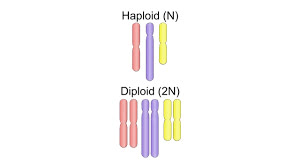
haploid

/ˈhæp.lɔɪd/

(adjective) 單倍體的;

(noun) 單倍體

範例:

Gametes are haploid cells, containing only one set of chromosomes.
配子是單倍體細胞,僅含有一套染色體。
在 Lingoland 學習此詞彙集