Avatar of Vocabulary Set 해부학 및 유전학

SAT 과학 어휘 내 해부학 및 유전학 어휘 세트: 완전하고 상세한 목록

'SAT 과학 어휘' 내 '해부학 및 유전학' 어휘 세트는 국제 표준 교재 출처에서 엄선되어 짧은 시간 안에 어휘를 마스터할 수 있도록 도와줍니다. 정의, 예문, 표준 발음을 완벽하게 수록...

Lingoland에서 이 어휘 세트 학습하기

지금 학습하기
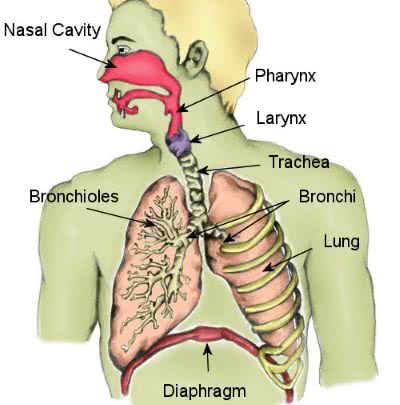
diaphragm

/ˈdaɪ.ə.fræm/

(noun) 횡격막, 진동판, 조리개

예시:

The doctor explained how the diaphragm helps us breathe.
의사는 횡격막이 우리가 숨 쉬는 데 어떻게 도움이 되는지 설명했다.

appendix

/əˈpen.dɪks/

(noun) 맹장, 충수, 부록

예시:

The surgeon removed his inflamed appendix.
외과 의사는 그의 염증이 생긴 맹장을 제거했다.

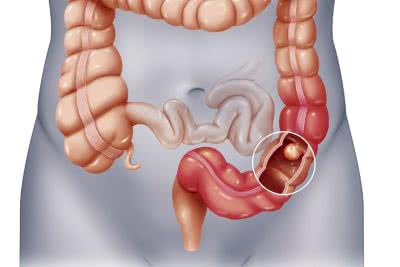
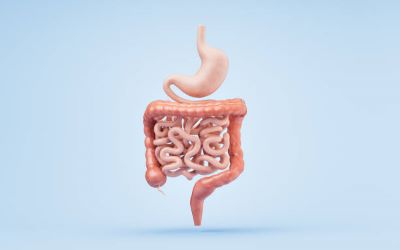
intestinal

/ˌɪnˈtes.tɪn.əl/

(adjective) 장, 장의

예시:

The doctor diagnosed an intestinal infection.
의사는 감염을 진단했다.

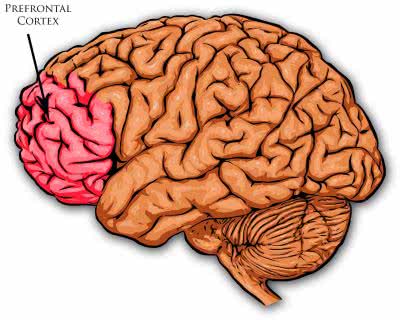
prefrontal cortex

/ˌpriːˈfrʌn.təl ˈkɔːr.teks/

(noun) 전전두엽 피질

예시:

Damage to the prefrontal cortex can affect a person's ability to make sound decisions.
전전두엽 피질 손상은 사람의 건전한 의사 결정 능력에 영향을 미칠 수 있습니다.

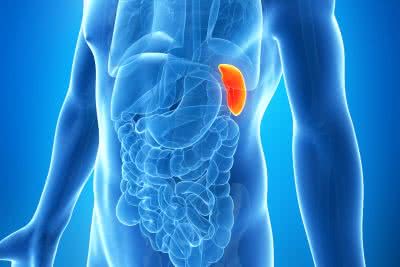
spleen

/spliːn/

(noun) 비장, 악의, 분노

예시:

The doctor examined his spleen for any abnormalities.
의사는 그의 비장에 이상이 있는지 검사했다.

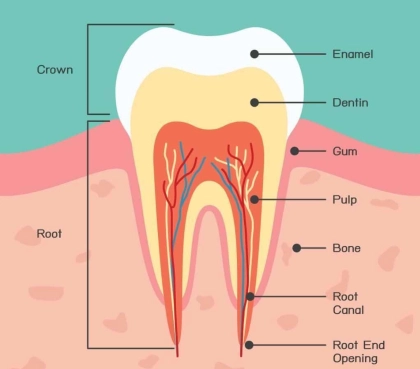
enamel

/ɪˈnæm.əl/

(noun) 에나멜, 법랑, 치아 에나멜;

(verb) 에나멜을 입히다, 법랑 처리하다

예시:
The old bathtub had a chipped enamel finish.
오래된 욕조는 에나멜 마감이 벗겨져 있었다.

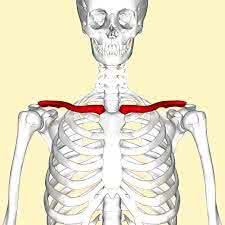
clavicle

/ˈklæv.ɪ.kəl/

(noun) 쇄골

예시:

He fractured his clavicle during the football game.
그는 축구 경기 중에 쇄골이 부러졌다.

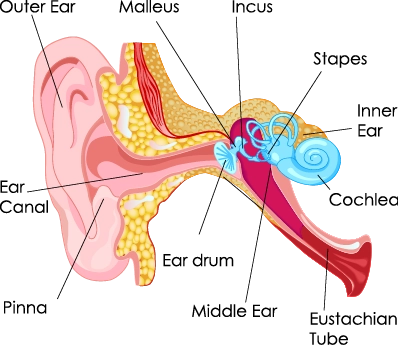
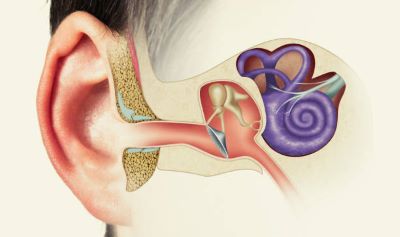
cochlea

/ˈkɑːk.li.ə/

(noun) 달팽이관

예시:

Sound waves are converted into electrical signals in the cochlea.
음파는 달팽이관에서 전기 신호로 변환됩니다.

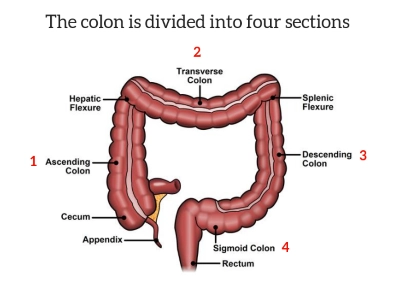
cecum

/ˈsiː.kəm/

(noun) 막창자, 맹장

예시:

The appendix is a small, finger-shaped organ that projects from the cecum.
맹장은 막창자에서 돌출된 작은 손가락 모양의 기관이다.

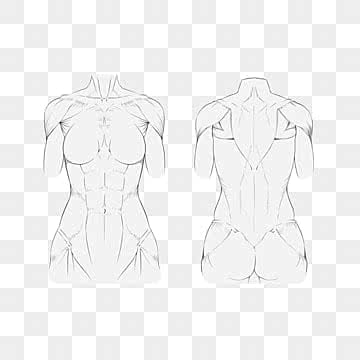
torso

/ˈtɔːr.soʊ/

(noun) 몸통, 상체

예시:

The artist sculpted the muscular torso of a male figure.
예술가는 남성 인물의 근육질 몸통을 조각했다.

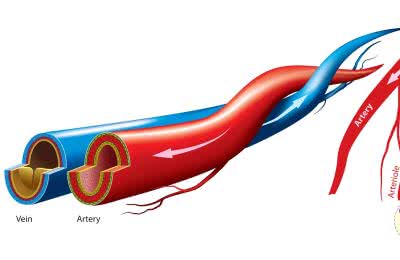
artery

/ˈɑːr.t̬ɚ.i/

(noun) 동맥, 간선도로, 주요 도로

예시:

The surgeon carefully repaired the damaged artery.
외과 의사는 손상된 동맥을 조심스럽게 수리했다.

joint

/dʒɔɪnt/

(noun) 관절, 연결부, 이음매;

(adjective) 공동의, 합동의;

(verb) 연결하다, 잇다

예시:
My knee joint aches after running.
달리기 후에 무릎 관절이 아프다.

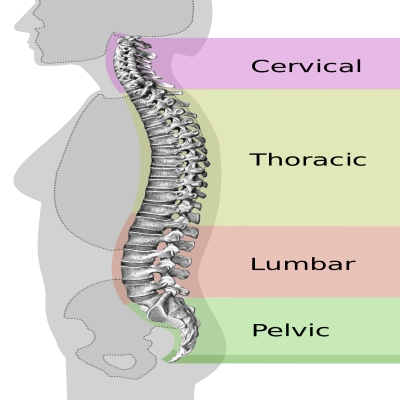
spine

/spaɪn/

(noun) 척추, 등뼈, 책등

예시:

He injured his spine in a fall.
그는 넘어지면서 척추를 다쳤다.

tract

/trækt/

(noun) 지역, 구역, 땅

예시:

The government purchased a large tract of land for the new park.
정부는 새 공원을 위해 넓은 을 매입했다.

coronary

/ˈkɔːr.ə.ner.i/

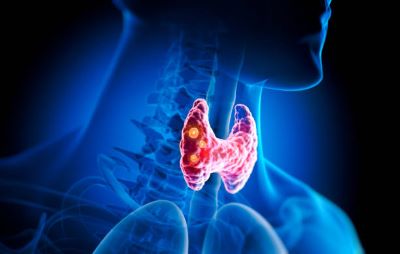
thyroid

/ˈθaɪ.rɔɪd/

(noun) 갑상선;

(adjective) 갑상선의

예시:

The doctor checked her thyroid during the examination.
의사는 검사 중에 그녀의 갑상선을 확인했다.

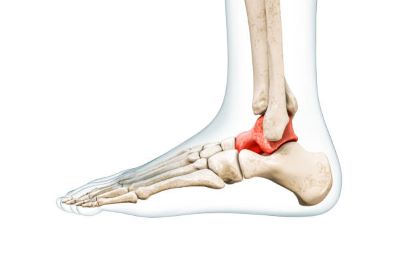
talus

/ˈteɪ.ləs/

(noun) 거골, 애추, 너덜지대

예시:

The athlete suffered a fracture of the talus during the jump.
그 선수는 점프 도중 거골 골절을 입었다.

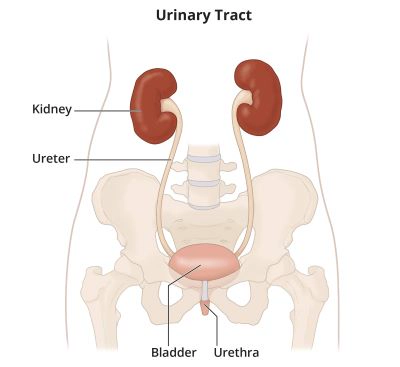
bladder

/ˈblæd.ɚ/

(noun) 방광, 주머니, 튜브

예시:

The doctor examined the patient's bladder.
의사는 환자의 방광을 검사했다.

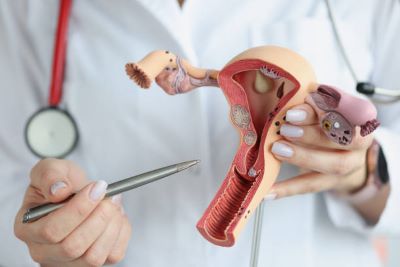
reproductive

/ˌriː.prəˈdʌk.t̬ɪv/

(adjective) 생식의, 번식의

예시:

The study focused on the reproductive health of women.
그 연구는 여성의 생식 건강에 초점을 맞췄다.

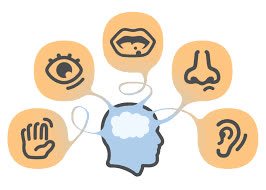
sensory

/ˈsen.sər.i/

(adjective) 감각의, 지각의

예시:

The brain processes sensory information from the environment.
뇌는 환경으로부터의 감각 정보를 처리한다.

tactile

/ˈtæk.təl/

(adjective) 촉각의, 촉각을 이용한

예시:

The exhibition includes tactile displays for the visually impaired.
그 전시회에는 시각 장애인을 위한 촉각 디스플레이가 포함되어 있습니다.

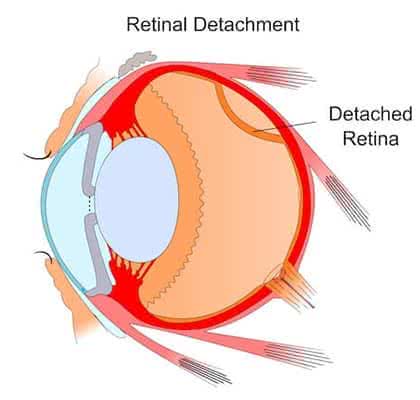
retinal

/ˈret.ən.əl/

(adjective) 망막의;

(noun) 레티날

예시:

The doctor performed a retinal examination.
의사는 망막 검사를 실시했다.

auditory

/ˈɑː.də.tɔːr.i/

(adjective) 청각의

예시:

The experiment tested the participants' auditory perception.
그 실험은 참가자들의 청각 인식을 테스트했다.

optical

/ˈɑːp.tɪ.kəl/

(adjective) 광학의, 시각의

예시:

The new telescope has excellent optical performance.
새로운 망원경은 뛰어난 광학 성능을 가지고 있다.

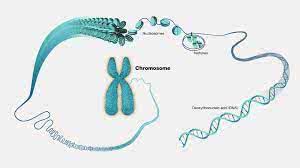
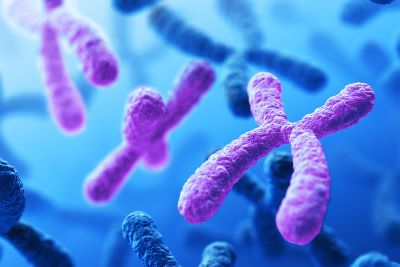
chromosome

/ˈkroʊ.mə.soʊm/

(noun) 염색체

예시:

Humans have 23 pairs of chromosomes.
인간은 23쌍의 염색체를 가지고 있다.

genome

/ˈdʒiː.noʊm/

(noun) 게놈

예시:

Scientists are working to map the human genome.
과학자들은 인간 게놈을 매핑하기 위해 노력하고 있다.

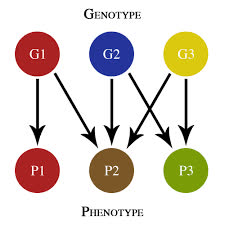
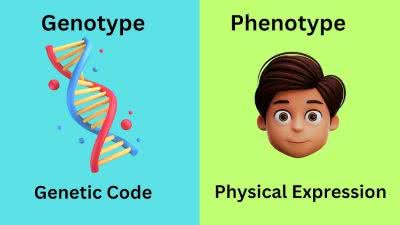
genotype

/ˈdʒen.oʊ.taɪp/

(noun) 유전자형;

(verb) 유전자형을 분석하다

예시:

The researcher analyzed the genotype of the plants to determine their resistance to disease.
연구원은 식물의 질병 저항성을 결정하기 위해 유전자형을 분석했다.

phenotype

/ˈfiː.noʊ.taɪp/

(noun) 표현형

예시:

The color of a flower is a clear phenotype.
꽃의 색깔은 명확한 표현형이다.

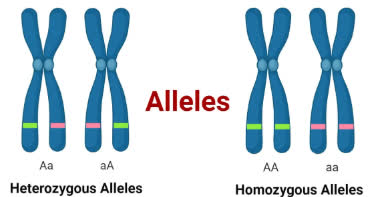
allele

/əˈliːl/

(noun) 대립 유전자

예시:

Each parent contributes one allele for every gene to their offspring.
각 부모는 자손에게 모든 유전자에 대해 하나의 대립 유전자를 물려줍니다.

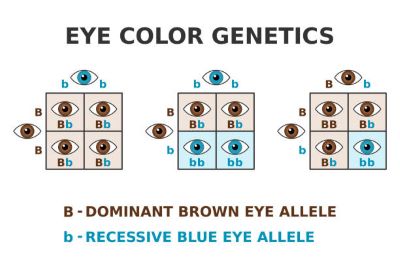
recessive

/rɪˈses.ɪv/

(adjective) 열성

예시:

Blue eyes are a recessive trait.
파란 눈은 열성 형질이다.

dominant

/ˈdɑː.mə.nənt/

(adjective) 지배적인, 우세한, 우성

예시:

The company has a dominant position in the market.
그 회사는 시장에서 지배적인 위치를 차지하고 있다.

expression

/ɪkˈspreʃ.ən/

(noun) 표현, 표출, 구절

예시:

Art is a form of self-expression.
예술은 자기 표현의 한 형태이다.

modify

/ˈmɑː.də.faɪ/

(verb) 수정하다, 변경하다, 수식하다

예시:

The design was modified to include a new safety feature.
새로운 안전 기능을 포함하도록 디자인이 수정되었다.

mutation

/mjuːˈteɪ.ʃən/

(noun) 변이, 변화, 돌연변이

예시:

The virus underwent a rapid mutation.
바이러스는 빠른 변이를 겪었다.

inherit

/ɪnˈher.ɪt/

(verb) 상속받다, 유전되다, 물려받다

예시:

She inherited a fortune from her grandmother.
그녀는 할머니로부터 재산을 상속받았다.

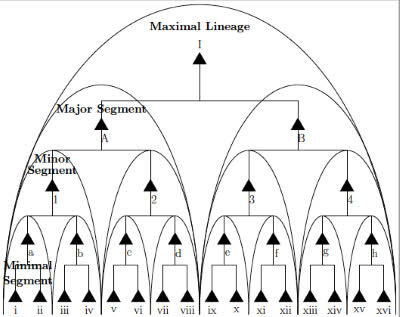
lineage

/ˈlɪn.i.ɪdʒ/

(noun) 혈통, 가계, 계보

예시:

His noble lineage could be traced back to ancient kings.
그의 고귀한 혈통은 고대 왕들까지 거슬러 올라갈 수 있었다.

progenitor

/proʊˈdʒen.ə.t̬ɚ/

(noun) 조상, 선구자, 기원

예시:

The first single-celled organisms were the progenitors of all life on Earth.
최초의 단세포 유기체는 지구상의 모든 생명체의 조상이었다.

transgenic

/trænzˈdʒen.ɪk/

(adjective) 형질전환의

예시:

Scientists developed transgenic crops to be resistant to pests.
과학자들은 해충에 강한 형질전환 작물을 개발했다.

geneticist

/dʒəˈnet̬.ə.sɪst/

(noun) 유전학자

예시:

The geneticist explained how the trait was passed down through generations.
유전학자는 그 형질이 어떻게 세대를 거쳐 전해졌는지 설명했다.

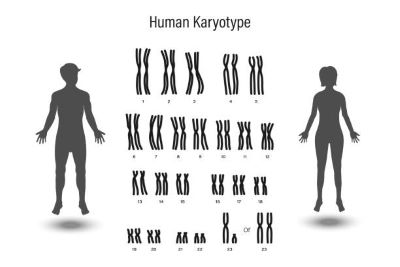
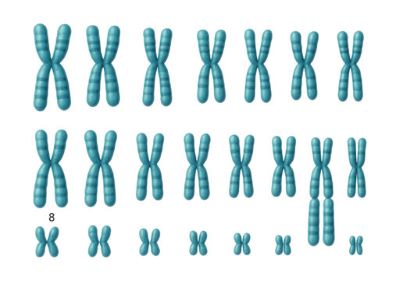
karyotype

/ˈker.i.ə.taɪp/

(noun) 핵형;

(verb) 핵형을 분석하다

예시:

The doctor ordered a karyotype to check for chromosomal abnormalities.
의사는 염색체 이상을 확인하기 위해 핵형 검사를 지시했다.

eugenics

/juːˈdʒen.ɪks/

(noun) 우생학

예시:

The history of eugenics is fraught with ethical controversies.
우생학의 역사는 윤리적 논란으로 가득하다.

trisomy

/traɪˈsoʊ.mi/

(noun) 삼염색체성, 트리소미

예시:

Down syndrome is the most common form of trisomy in humans.
다운 증후군은 인간에게 가장 흔한 삼염색체성 형태입니다.

palindrome

/ˈpæl.ɪn.droʊm/

(noun) 회문

예시:

The word 'level' is a palindrome.
'level'이라는 단어는 회문입니다.

cytogenetics

/ˌsaɪ.t̬oʊ.dʒəˈnet̬.ɪks/

(noun) 세포유전학

예시:

Advances in cytogenetics have greatly improved our understanding of genetic disorders.
세포유전학의 발전은 유전 질환에 대한 우리의 이해를 크게 향상시켰습니다.

autosome

/ˈɑː.t̬ə.zoʊm/

(noun) 상염색체

예시:

Humans have 22 pairs of autosomes and one pair of sex chromosomes.
인간은 22쌍의 상염색체와 한 쌍의 성염색체를 가지고 있다.

genetically

/dʒəˈnet̬.ɪ.kəl.i/

(adverb) 유전적으로

예시:

The disease is genetically inherited.
그 질병은 유전적으로 유전된다.

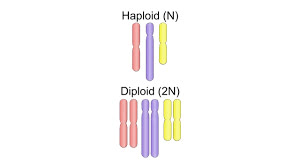
haploid

/ˈhæp.lɔɪd/

(adjective) 반수체의;

(noun) 반수체

예시:

Gametes are haploid cells, containing only one set of chromosomes.
배아세포는 반수체 세포로, 단 하나의 염색체 세트만을 포함하고 있습니다.
Lingoland에서 이 어휘 세트 학습하기