Avatar of Vocabulary Set 通信する

人文科学に関連するSAT語彙 内 通信する 語彙セット:完全かつ詳細なリスト

「人文科学に関連するSAT語彙」内の「通信する」語彙セットは国際標準教材から厳選され、短期間で語彙をマスターできます。定義、例文、標準発音を網羅…

Lingolandでこの語彙セットを学習

今すぐ学習

acknowledge

/əkˈnɑː.lɪdʒ/

(verb) 認める, 承認する, 応答する

例:

He acknowledged that he was wrong.
彼は自分が間違っていたことを認めた

pronounce

/prəˈnaʊns/

(verb) 発音する, 宣言する, 言い渡す

例:

How do you pronounce 'Worcestershire'?
'Worcestershire'はどのように発音しますか?

disprove

/dɪˈspruːv/

(verb) 反証する, 誤りを証明する

例:

The new evidence helped to disprove the old theory.
新しい証拠は古い理論を反証するのに役立った。

boast

/boʊst/

(verb) 自慢する, 鼻にかける, 誇る;

(noun) 自慢, 誇り

例:

He likes to boast about his new car.
彼は新しい車について自慢するのが好きだ。

murmur

/ˈmɝː.mɚ/

(noun) ささやき, せせらぎ, ざわめき;

(verb) ささやく, つぶやく, ざわめく

例:

The murmur of the stream was very soothing.
小川のせせらぎはとても心地よかった。

assert

/əˈsɝːt/

(verb) 主張する, 断言する, 言い張る

例:

He continued to assert his innocence.
彼は自分の無実を主張し続けた。

proclaim

/proʊˈkleɪm/

(verb) 布告する, 宣言する, 公認する

例:

The king will proclaim a new law tomorrow.
王は明日、新しい法律を布告するだろう。

approve

/əˈpruːv/

(verb) 承認する, 賛成する, 良いと認める

例:

The committee voted to approve the new budget.
委員会は新予算を承認することに投票した。

enunciate

/ɪˈnʌn.si.eɪt/

(verb) はっきりと発音する, 明瞭に言う, 表明する

例:

You must enunciate your words if you want people to understand you.
人々に理解してもらいたいなら、言葉をはっきりと発音しなければなりません。

encapsulate

/ɪnˈkæp.sjə.leɪt/

(verb) 要約する, 集約する, 包む

例:

The final chapter encapsulates the main arguments of the book.
最終章は本の主要な議論を要約している

rave

/reɪv/

(verb) 絶賛する, 熱狂的に話す, うわごとを言う;

(noun) 絶賛, 熱狂的な評価, レイヴ

例:

Critics raved about her performance in the play.
批評家たちは彼女の劇での演技を絶賛した

demonstrate

/ˈdem.ən.streɪt/

(verb) 証明する, 実証する, 実演する

例:

The study demonstrates the effectiveness of the new drug.
その研究は新薬の有効性を示している

expound

/ɪkˈspaʊnd/

(verb) 詳述する, 詳しく説明する

例:

The professor began to expound his views on social reform.
教授は社会改革に関する自身の見解を詳述し始めた。

concede

/kənˈsiːd/

(verb) 認める, 譲歩する, 譲る

例:

He finally had to concede that his opponent was right.
彼はついに相手が正しいと認めるしかなかった。

cite

/saɪt/

(verb) 引用する, 言及する, 挙げる

例:

He cited several sources in his research paper.
彼は研究論文でいくつかの情報源を引用した

signal

/ˈsɪɡ.nəl/

(noun) 信号, 合図, 電波;

(verb) 合図する, 信号を送る

例:

He gave a signal to the driver to stop.
彼は運転手に止まるように合図を送った。

retract

/rɪˈtrækt/

(verb) 引っ込める, 格納する, 撤回する

例:

The cat can retract its claws.
猫は爪を引っ込めることができる。

denounce

/dɪˈnaʊns/

(verb) 非難する, 糾弾する, 密告する

例:

The government was quick to denounce the terrorist attack.
政府はテロ攻撃を迅速に非難した

outline

/ˈaʊt.laɪn/

(noun) 概要, 輪郭, 大綱;

(verb) 輪郭を描く, 概要を述べる, 概説する

例:

He drew an outline of the proposed building.
彼は提案された建物の概要を描いた。

interject

/ˌɪn.t̬ɚˈdʒekt/

(verb) 差し挟む, 口を挟む

例:

She tried to interject a comment, but he ignored her.
彼女はコメントを差し挟もうとしたが、彼は彼女を無視した。

indicate

/ˈɪn.də.keɪt/

(verb) 示す, 指し示す, 示唆する

例:

Please indicate your preference by checking the box.
チェックボックスにチェックを入れて、ご希望を示してください。

postulate

/ˈpɑːs.tʃə.leɪt/

(verb) 仮定する, 前提とする;

(noun) 公準, 前提

例:

He postulated that the universe is expanding.
彼は宇宙が膨張していると仮定した

oversimplify

/ˌoʊ.vɚˈsɪm.plə.faɪ/

(verb) 単純化しすぎる

例:

The documentary tends to oversimplify a very complex historical event.
そのドキュメンタリーは、非常に複雑な歴史的事実を単純化しすぎる傾向がある。

recant

/rɪˈkænt/

(verb) 撤回する, 取り消す

例:

He was forced to recant his political beliefs under pressure.
彼は圧力を受けて政治的信念を撤回するよう強요された。

illustrate

/ˈɪl.ə.streɪt/

(verb) 説明する, 例示する, 挿絵を描く

例:

The speaker used a diagram to illustrate his point.
講演者は図を使って自分の点を説明した

renounce

/rɪˈnaʊns/

(verb) 放棄する, 棄てる, 捨てる

例:

He had to renounce his claim to the throne.
彼は王位継承権を放棄しなければならなかった。

condemn

/kənˈdem/

(verb) 非難する, 糾弾する, 宣告する

例:

The government issued a statement to condemn the terrorist attack.
政府はテロ攻撃を非難する声明を発表した。

posit

/ˈpɑː.zɪt/

(verb) 仮定する, 提唱する

例:

He posited that the universe is infinite.
彼は宇宙は無限であると仮定した

retell

/ˌriːˈtel/

(verb) 語り直す, 復唱する

例:

The children were asked to retell the story in their own words.
子供たちは自分の言葉で物語を語り直すよう求められた。

elucidate

/iˈluː.sə.deɪt/

(verb) 解明する, 説明する, 明らかにする

例:

The professor was asked to elucidate the complex theory for the students.
教授は学生のために複雑な理論を解明するよう求められた。

specify

/ˈspes.ə.faɪ/

(verb) 指定する, 明記する

例:

Please specify the exact requirements for the project.
プロジェクトの正確な要件を指定してください。

articulate

/ɑːrˈtɪk.jə.lət/

(adjective) 明瞭な, はっきりした;

(verb) 明確に表現する, はっきり発音する, 関節する

例:

She is a very articulate speaker.
彼女は非常に明瞭に話す話し手です。

elaborate

/iˈlæb.ɚ.ət/

(adjective) 手の込んだ, 精巧な, 複雑な;

(verb) 詳しく説明する, 詳述する, 練り上げる

例:

The wedding cake was an elaborate masterpiece with intricate designs.
ウェディングケーキは複雑なデザインの手の込んだ傑作でした。

chant

/tʃænt/

(noun) チャント, 詠唱, 聖歌;

(verb) チャントする, 詠唱する, 唱える

例:

The crowd erupted in a loud chant of 'Victory! Victory!'
群衆は「勝利!勝利!」という大きなチャントを叫び始めた。

recite

/rɪˈsaɪt/

(verb) 朗読する, 暗唱する, 述べる

例:

She stood on the stage to recite a poem.
彼女は舞台に立って詩を朗読した

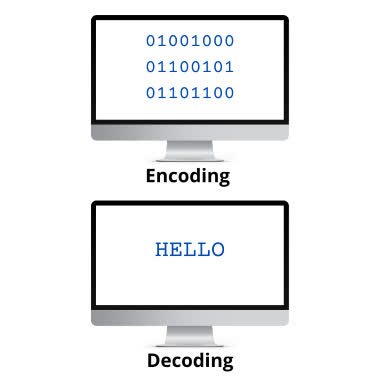
encode

/ɪnˈkoʊd/

(verb) エンコードする, 符号化する, 変換する

例:

The data was encoded to protect its privacy.
データのプライバシーを保護するためにエンコードされた。

declaration

/ˌdek.ləˈreɪ.ʃən/

(noun) 宣言, 声明, 宣言書

例:

The government issued a declaration of emergency.
政府は緊急事態の宣言を発表した。

protestation

/ˌprɑː.t̬esˈteɪ.ʃən/

(noun) 主張, 断言

例:

Despite his protestations of innocence, he was found guilty.
無実の主張にもかかわらず、彼は有罪判決を受けた。

rant

/rænt/

(verb) まくし立てる, わめく, 怒鳴る;

(noun) まくし立て, わめき, 怒鳴り声

例:

He began to rant about the injustice of the system.
彼はシステムの不公平さについてまくし立て始めた。

vocalization

/ˌvoʊ.kəl.ɪˈzeɪ.ʃən/

(noun) 発声, 声出し

例:

The bird's complex vocalization can be heard from miles away.
その鳥の複雑な発声は何マイルも先から聞こえる。

insistence

/ɪnˈsɪs.təns/

(noun) 主張, こだわり

例:

Her insistence on accuracy made her a valuable researcher.
彼女の正確さへのこだわりは、彼女を貴重な研究者にした。

groan

/ɡroʊn/

(verb) うめく, うなる, きしむ;

(noun) うめき声, うなり声, きしみ音

例:

He let out a loud groan as he tried to stand up.
彼は立ち上がろうとして大きなうめき声を上げた。

statement

/ˈsteɪt.mənt/

(noun) 声明, 陳述, 明細書

例:

The witness gave a detailed statement to the police.
証人は警察に詳細な供述をした。

lament

/ləˈment/

(noun) 嘆き, 悲歌;

(verb) 嘆く, 悲しむ

例:

Her lament for her lost child was heartbreaking.
亡くした子供への彼女の嘆きは胸が張り裂けるようだった。

fluent

/ˈfluː.ənt/

(adjective) 流暢な, すらすら話せる, 流動的な

例:

She is fluent in three languages.
彼女は3つの言語を流暢に話します。

vernacular

/vɚˈnæk.jə.lɚ/

(noun) 方言, 口語, 俗語;

(adjective) 口語の, 方言の, 在来の

例:

He spoke in the local vernacular, which was difficult for outsiders to understand.
彼は地元の方言で話したので、部外者には理解しにくかった。

inarticulate

/ˌɪn.ɑːrˈtɪk.jə.lət/

(adjective) 不明瞭な, 言葉にならない, はっきりしない

例:
He was so emotional that he became completely inarticulate.
彼は感情的になりすぎて、完全に不明瞭になった。

expository

/ɪkˈspɑː.zə.tɔːr.i/

(adjective) 解説的な, 説明的な

例:

The textbook provides an expository account of the historical events.
その教科書は歴史的出来事について解説的な記述を提供している。

descriptive

/dɪˈskrɪp.t̬ɪv/

(adjective) 記述的な, 描写的な

例:

The book provides a descriptive account of the journey.
その本は旅の記述的な説明を提供している。

eloquent

/ˈel.ə.kwənt/

(adjective) 雄弁な, 説得力のある, 明確に示している

例:

She delivered an eloquent speech that moved everyone.
彼女は皆を感動させる雄弁なスピーチをした。

inexplicable

/ˌɪn.ɪkˈsplɪk.ə.bəl/

(adjective) 不可解な, 説明のつかない

例:

For some inexplicable reason, the plane was delayed for several hours.
どういうわけか、飛行機は数時間遅れた。

explicitly

/ɪkˈsplɪs.ɪt.li/

(adverb) 明示的に, 明確に, はっきりと

例:

The instructions stated explicitly that no food was allowed.
指示には、食べ物は許可されていないと明示的に記載されていました。

expressly

/ɪkˈspres.li/

(adverb) 特に, わざわざ, 明確に

例:

The document was created expressly for this project.
その文書は特にこのプロジェクトのために作成された。
Lingolandでこの語彙セットを学習