Avatar of Vocabulary Set 의사소통하다

SAT 인문학 관련 어휘 내 의사소통하다 어휘 세트: 완전하고 상세한 목록

'SAT 인문학 관련 어휘' 내 '의사소통하다' 어휘 세트는 국제 표준 교재 출처에서 엄선되어 짧은 시간 안에 어휘를 마스터할 수 있도록 도와줍니다. 정의, 예문, 표준 발음을 완벽하게 수록...

Lingoland에서 이 어휘 세트 학습하기

지금 학습하기

acknowledge

/əkˈnɑː.lɪdʒ/

(verb) 인정하다, 승인하다, 응답하다

예시:

He acknowledged that he was wrong.
그는 자신이 틀렸다는 것을 인정했다.

pronounce

/prəˈnaʊns/

(verb) 발음하다, 선언하다, 내리다

예시:

How do you pronounce 'Worcestershire'?
'Worcestershire'를 어떻게 발음하나요?

disprove

/dɪˈspruːv/

(verb) 반증하다, 틀렸음을 입증하다

예시:

The new evidence helped to disprove the old theory.
새로운 증거는 오래된 이론을 반증하는 데 도움이 되었다.

boast

/boʊst/

(verb) 자랑하다, 뽐내다, 갖추다;

(noun) 자랑, 허풍

예시:

He likes to boast about his new car.
그는 새 차에 대해 자랑하는 것을 좋아한다.

murmur

/ˈmɝː.mɚ/

(noun) 속삭임, 웅성거림, 중얼거림;

(verb) 속삭이다, 웅성거리다, 중얼거리다

예시:

The murmur of the stream was very soothing.
시냇물의 속삭임이 매우 마음을 편안하게 했다.

assert

/əˈsɝːt/

(verb) 주장하다, 단언하다, 확언하다

예시:

He continued to assert his innocence.
그는 계속해서 자신의 무죄를 주장했다.

proclaim

/proʊˈkleɪm/

(verb) 선포하다, 공표하다, 공식적으로 인정하다

예시:

The king will proclaim a new law tomorrow.
왕은 내일 새로운 법을 선포할 것이다.

approve

/əˈpruːv/

(verb) 승인하다, 찬성하다, 좋다고 생각하다

예시:

The committee voted to approve the new budget.
위원회는 새 예산을 승인하기로 투표했다.

enunciate

/ɪˈnʌn.si.eɪt/

(verb) 또박또박 발음하다, 명확히 말하다, 명확히 밝히다

예시:

You must enunciate your words if you want people to understand you.
사람들이 이해하기를 원한다면 말을 또박또박 발음해야 합니다.

encapsulate

/ɪnˈkæp.sjə.leɪt/

(verb) 요약하다, 압축하다, 캡슐에 넣다

예시:

The final chapter encapsulates the main arguments of the book.
마지막 장은 책의 주요 논거를 요약한다.

rave

/reɪv/

(verb) 극찬하다, 열광적으로 말하다, 헛소리하다;

(noun) 극찬, 열광적인 평가, 레이브

예시:

Critics raved about her performance in the play.
비평가들은 그녀의 연극 연기에 대해 극찬했다.

demonstrate

/ˈdem.ən.streɪt/

(verb) 입증하다, 증명하다, 시연하다

예시:

The study demonstrates the effectiveness of the new drug.
그 연구는 신약의 효과를 입증한다.

expound

/ɪkˈspaʊnd/

(verb) 상세히 설명하다, 해설하다

예시:

The professor began to expound his views on social reform.
교수는 사회 개혁에 대한 자신의 견해를 상세히 설명하기 시작했다.

concede

/kənˈsiːd/

(verb) 인정하다, 양보하다, 허락하다

예시:

He finally had to concede that his opponent was right.
그는 마침내 상대방이 옳다는 것을 인정해야 했다.

cite

/saɪt/

(verb) 인용하다, 언급하다, 들다

예시:

He cited several sources in his research paper.
그는 연구 논문에서 여러 출처를 인용했다.

signal

/ˈsɪɡ.nəl/

(noun) 신호, 표시, 전파;

(verb) 신호하다, 알리다

예시:

He gave a signal to the driver to stop.
그는 운전자에게 멈추라는 신호를 보냈다.

retract

/rɪˈtrækt/

(verb) 집어넣다, 움츠리다, 철회하다

예시:

The cat can retract its claws.
고양이는 발톱을 집어넣을 수 있다.

denounce

/dɪˈnaʊns/

(verb) 비난하다, 규탄하다, 고발하다

예시:

The government was quick to denounce the terrorist attack.
정부는 테러 공격을 즉시 비난했다.

outline

/ˈaʊt.laɪn/

(noun) 개요, 윤곽, 초안;

(verb) 윤곽을 그리다, 개요를 설명하다, 요약하다

예시:

He drew an outline of the proposed building.
그는 제안된 건물의 개요를 그렸다.

interject

/ˌɪn.t̬ɚˈdʒekt/

(verb) 끼어들다, 삽입하다

예시:

She tried to interject a comment, but he ignored her.
그녀는 한마디 끼어들려고 했지만, 그는 그녀를 무시했다.

indicate

/ˈɪn.də.keɪt/

(verb) 나타내다, 가리키다, 의미하다

예시:

Please indicate your preference by checking the box.
상자를 체크하여 선호도를 표시해 주세요.

postulate

/ˈpɑːs.tʃə.leɪt/

(verb) 가정하다, 전제하다;

(noun) 공리, 전제

예시:

He postulated that the universe is expanding.
그는 우주가 팽창하고 있다고 가정했다.

oversimplify

/ˌoʊ.vɚˈsɪm.plə.faɪ/

(verb) 지나치게 단순화하다

예시:

The documentary tends to oversimplify a very complex historical event.
그 다큐멘터리는 매우 복잡한 역사적 사건을 지나치게 단순화하는 경향이 있다.

recant

/rɪˈkænt/

(verb) 철회하다, 취소하다

예시:

He was forced to recant his political beliefs under pressure.
그는 압박 속에서 자신의 정치적 신념을 철회해야 했다.

illustrate

/ˈɪl.ə.streɪt/

(verb) 설명하다, 예시하다, 삽화를 그리다

예시:

The speaker used a diagram to illustrate his point.
연사는 자신의 요점을 설명하기 위해 다이어그램을 사용했다.

renounce

/rɪˈnaʊns/

(verb) 포기하다, 단념하다, 버리다

예시:

He had to renounce his claim to the throne.
그는 왕위에 대한 권리를 포기해야 했다.

condemn

/kənˈdem/

(verb) 규탄하다, 비난하다, 선고하다

예시:

The government issued a statement to condemn the terrorist attack.
정부는 테러 공격을 규탄하는 성명을 발표했다.

posit

/ˈpɑː.zɪt/

(verb) 가정하다, 제시하다

예시:

He posited that the universe is infinite.
그는 우주가 무한하다고 가정했다.

retell

/ˌriːˈtel/

(verb) 다시 이야기하다, 복창하다

예시:

The children were asked to retell the story in their own words.
아이들은 자신의 말로 이야기를 다시 말해 보라는 요청을 받았다.

elucidate

/iˈluː.sə.deɪt/

(verb) 명확히 설명하다, 밝히다, 해명하다

예시:

The professor was asked to elucidate the complex theory for the students.
교수는 학생들을 위해 복잡한 이론을 명확히 설명해 달라는 요청을 받았다.

specify

/ˈspes.ə.faɪ/

(verb) 명시하다, 지정하다

예시:

Please specify the exact requirements for the project.
프로젝트의 정확한 요구 사항을 명시해 주세요.

articulate

/ɑːrˈtɪk.jə.lət/

(adjective) 말을 잘하는, 명확한;

(verb) 명확히 표현하다, 발음하다, 관절을 이루다

예시:

She is a very articulate speaker.
그녀는 매우 말을 잘하는 연사이다.

elaborate

/iˈlæb.ɚ.ət/

(adjective) 정교한, 상세한, 복잡한;

(verb) 상세히 설명하다, 정교하게 만들다, 발전시키다

예시:

The wedding cake was an elaborate masterpiece with intricate designs.
웨딩 케이크는 복잡한 디자인의 정교한 걸작이었다.

chant

/tʃænt/

(noun) 구호, 성가, 영창;

(verb) 외치다, 성가를 부르다, 영창하다

예시:

The crowd erupted in a loud chant of 'Victory! Victory!'
군중은 '승리! 승리!'라는 큰 구호를 외쳤다.

recite

/rɪˈsaɪt/

(verb) 낭송하다, 암송하다, 열거하다

예시:

She stood on the stage to recite a poem.
그녀는 무대에 서서 시를 낭송했다.

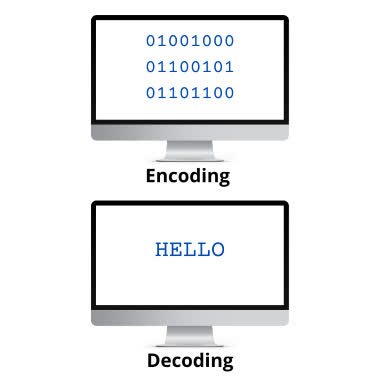
encode

/ɪnˈkoʊd/

(verb) 인코딩하다, 부호화하다, 변환하다

예시:

The data was encoded to protect its privacy.
데이터는 개인 정보 보호를 위해 인코딩되었다.

declaration

/ˌdek.ləˈreɪ.ʃən/

(noun) 선언, 성명, 선언문

예시:

The government issued a declaration of emergency.
정부는 비상사태 선언을 발표했다.

protestation

/ˌprɑː.t̬esˈteɪ.ʃən/

(noun) 주장, 단언

예시:

Despite his protestations of innocence, he was found guilty.
무죄라는 그의 주장에도 불구하고 그는 유죄 판결을 받았다.

rant

/rænt/

(verb) 열변을 토하다, 고함치다, 격렬하게 말하다;

(noun) 열변, 고함, 격렬한 비난

예시:

He began to rant about the injustice of the system.
그는 시스템의 불공정함에 대해 열변을 토하기 시작했다.

vocalization

/ˌvoʊ.kəl.ɪˈzeɪ.ʃən/

(noun) 발성, 발음

예시:

The bird's complex vocalization can be heard from miles away.
그 새의 복잡한 발성은 수 마일 밖에서도 들릴 수 있다.

insistence

/ɪnˈsɪs.təns/

(noun) 고집, 주장

예시:

Her insistence on accuracy made her a valuable researcher.
정확성에 대한 그녀의 고집은 그녀를 귀중한 연구원으로 만들었다.

groan

/ɡroʊn/

(verb) 신음하다, 끙끙거리다, 삐걱거리다;

(noun) 신음, 끙끙거림, 삐걱거리는 소리

예시:

He let out a loud groan as he tried to stand up.
그는 일어서려고 할 때 큰 신음소리를 냈다.

statement

/ˈsteɪt.mənt/

(noun) 성명, 진술, 명세서

예시:

The witness gave a detailed statement to the police.
증인은 경찰에 상세한 진술서를 제출했다.

lament

/ləˈment/

(noun) 애도, 비탄;

(verb) 애도하다, 한탄하다

예시:

Her lament for her lost child was heartbreaking.
잃어버린 아이에 대한 그녀의 애도는 가슴 아팠다.

fluent

/ˈfluː.ənt/

(adjective) 유창한, 능숙한, 유동적인

예시:

She is fluent in three languages.
그녀는 세 가지 언어에 능통하다.

vernacular

/vɚˈnæk.jə.lɚ/

(noun) 방언, 사투리, 일상어;

(adjective) 일상적인, 방언의, 토착의

예시:

He spoke in the local vernacular, which was difficult for outsiders to understand.
그는 외부인들이 이해하기 어려운 지역 방언으로 말했다.

inarticulate

/ˌɪn.ɑːrˈtɪk.jə.lət/

(adjective) 말을 제대로 못하는, 불분명한, 명확하지 않은

예시:
He was so emotional that he became completely inarticulate.
그는 너무 감정적이어서 완전히 말을 제대로 못했다.

expository

/ɪkˈspɑː.zə.tɔːr.i/

(adjective) 설명적인, 해설의

예시:

The textbook provides an expository account of the historical events.
그 교과서는 역사적 사건들에 대한 설명적인 기술을 제공한다.

descriptive

/dɪˈskrɪp.t̬ɪv/

(adjective) 묘사적인, 기술적인

예시:

The book provides a descriptive account of the journey.
그 책은 여행에 대한 묘사적인 설명을 제공한다.

eloquent

/ˈel.ə.kwənt/

(adjective) 유창한, 설득력 있는, 명확히 보여주는

예시:

She delivered an eloquent speech that moved everyone.
그녀는 모두를 감동시킨 유창한 연설을 했다.

inexplicable

/ˌɪn.ɪkˈsplɪk.ə.bəl/

(adjective) 설명할 수 없는, 불가해한

예시:

For some inexplicable reason, the plane was delayed for several hours.
어떤 설명할 수 없는 이유로 비행기가 몇 시간 동안 지연되었습니다.

explicitly

/ɪkˈsplɪs.ɪt.li/

(adverb) 명시적으로, 분명히, 명백히

예시:

The instructions stated explicitly that no food was allowed.
지침에는 음식이 허용되지 않는다고 명시적으로 언급되어 있었습니다.

expressly

/ɪkˈspres.li/

(adverb) 특별히, 일부러, 명백히

예시:

The document was created expressly for this project.
그 문서는 이 프로젝트를 위해 특별히 작성되었다.
Lingoland에서 이 어휘 세트 학습하기