
一般IELTS語彙(バンド6-7) 内 ネガティブな感情 語彙セット:完全かつ詳細なリスト
「一般IELTS語彙(バンド6-7)」内の「ネガティブな感情」語彙セットは国際標準教材から厳選され、短期間で語彙をマスターできます。定義、例文、標準発音を網羅…
Lingolandでこの語彙セットを学習
今すぐ学習
/ˌdes.əlˈeɪ.ʃən/
(noun) 荒廃, 寂寥, 破壊
例:
The earthquake left the city in utter desolation.
地震は都市を完全な荒廃状態にした。

/frʌsˈtreɪ.ʃən/
(noun) 欲求不満, 不満, 挫折
例:
He slammed his fist on the table in frustration.
彼は欲求不満でテーブルに拳を叩きつけた。


/ˌdɪs.kənˈtent/
(noun) 不満, 不平;
(verb) 不満にさせる;
(adjective) 不満な
例:
There is growing discontent among the workers regarding their low wages.
低賃金に関して労働者の間に不満が広がっている。

/ˈbɪt̬.ɚ.nəs/
(noun) 苦い気持ち, 恨み, 苦味
例:
He felt a deep sense of bitterness after being betrayed by his friend.
友人に裏切られた後、彼は深い苦い気持ちを感じた。

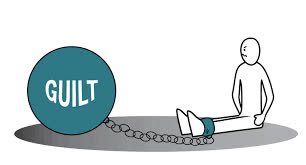

/rɪˈmɔːrs/
(noun) 後悔, 自責の念
例:
He felt a pang of remorse for his harsh words.
彼はひどい言葉を言ったことに後悔の念を感じた。

/ɪmˈber.əs.mənt/
(noun) 恥ずかしさ, 困惑, きまり悪さ
例:
She felt a blush of embarrassment creep up her neck when she tripped.
彼女はつまずいたとき、首に恥ずかしさの赤みが広がるのを感じた。

/hjuːˌmɪl.iˈeɪ.ʃən/
(noun) 屈辱, 恥辱
例:
He suffered the humiliation of being fired in front of his colleagues.
彼は同僚の前で解雇されるという屈辱を味わった。

/ˌædʒ.əˈteɪ.ʃən/
(noun) 動揺, 興奮, 攪拌
例:
She was in a state of great agitation after the accident.
彼女は事故の後、ひどく動揺していた。

/ˈrest.ləs.nəs/
(noun) 落ち着きのなさ, そわそわすること
例:
He felt a sense of restlessness as he waited for the results.
彼は結果を待つ間、落ち着かない気持ちになった。
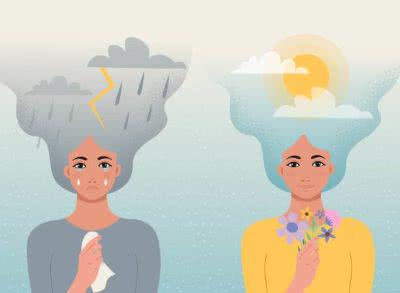
/ˈpes.ə.mɪ.zəm/
(noun) 悲観主義
例:
His constant pessimism about the economy was draining.
彼の経済に対する絶え間ない悲観主義は消耗的だった。

/əˈbæn.dən.mənt/
(noun) 放棄, 見捨てられること, 奔放
例:
The abandonment of the old house left it in ruins.
その古い家の放棄により、家は廃墟となった。

/ˌvʌl.nɚ.əˈbɪl.ə.t̬i/
(noun) 脆弱性, 弱さ
例:
The old bridge's vulnerability to strong winds was a concern.
古い橋の強風に対する脆弱性が懸念された。

/ˌɪr.əˈteɪ.ʃən/
(noun) いらだち, 苛立ち, 怒り
例:
He tried to hide his irritation at the delay.
彼は遅延に対するいらだちを隠そうとした。

/ˈbɔːr.dəm/
(noun) 退屈, 倦怠
例:
She suffered from extreme boredom during the long lecture.
彼女は長い講義の間、極度の退屈に苦しんだ。

/ˈhɑːrt.breɪk/
(noun) 悲嘆, 失恋
例:
The news of his death caused her immense heartbreak.
彼の死の知らせは彼女に計り知れない悲嘆をもたらした。

/woʊ/
(noun) 悲しみ, 苦悩, 不幸;
(exclamation) ああ, 災い
例:
The country was plunged into woe after the natural disaster.
自然災害の後、国は深い悲しみに沈んだ。

/dɪˈspleʒ.ɚ/
(noun) 不快, 不満, 不興
例:
The teacher frowned to show her displeasure with the noisy class.
先生は騒がしいクラスへの不快感を示すために眉をひそめた。

/ʌnˈhæp.i.nəs/
(noun) 不幸, 不幸せ, 不満
例:
She tried to hide her unhappiness from her family.
彼女は家族に自分の不幸を隠そうとした。

/reɪdʒ/
(noun) 激怒, 怒り, 憤怒;
(verb) 激怒する, 荒れ狂う, 猛威を振るう
例:
He flew into a rage when he heard the news.
彼はそのニュースを聞いて激怒した。

/ˈpæn.ɪk/
(noun) パニック, 恐慌;
(verb) パニックになる, 恐慌に陥る
例:
The crowd was in a state of panic after the explosion.
爆発後、群衆はパニック状態に陥った。

/ɡrʌdʒ/
(noun) 恨み, 遺恨;
(verb) 惜しむ, 恨む
例:
She held a grudge against him for years after their argument.
彼女は口論の後、何年もの間彼に恨みを抱いていた。

/bleɪm/
(noun) 責任, 非難;
(verb) 責める, 非難する
例:
She took all the blame for the mistake.
彼女はその間違いのすべての責任を負った。

/dɪˈskʌm.fɚt/
(noun) 不快感, 違和感, 軽い痛み;
(verb) 不快にさせる, 困惑させる, 居心地悪くさせる
例:
She felt a slight discomfort in her knee after the long walk.
長い散歩の後、彼女は膝にわずかな不快感を感じた。

/dɪˈsper/
(noun) 絶望;
(verb) 絶望する
例:
He fell into despair after losing his job.
彼は仕事を失って絶望に陥った。

/ˈæŋ.ɡwɪʃ/
(noun) 苦悩, 苦痛, 絶望;
(verb) 苦しめる, 悩ませる
例:
He experienced great anguish after the loss of his child.
彼は子供を亡くした後、大きな苦悩を経験した。

/rɪˈzent.mənt/
(noun) 憤り, 恨み, 反感
例:
She felt a deep sense of resentment towards her boss for taking credit for her work.
彼女は自分の手柄を横取りした上司に対して深い憤りを感じた。