
词汇集 负面情绪(属于 雅思通用词汇(6-7分)):完整且详细的清单
词汇集「负面情绪」(属于「雅思通用词汇(6-7分)」)从国际标准教材来源精心挑选,帮助您在短时间内掌握词汇。全面汇整定义、例句及标准发音…
在 Lingoland 学习此词汇集
立即学习
/ˌdes.əlˈeɪ.ʃən/
(noun) 荒凉, 毁灭, 凄凉
示例:
The earthquake left the city in utter desolation.
地震使城市陷入彻底的荒凉。

/frʌsˈtreɪ.ʃən/
(noun) 沮丧, 挫败感, 挫败
示例:
He slammed his fist on the table in frustration.
他沮丧地把拳头砸在桌子上。


/ˌdɪs.kənˈtent/
(noun) 不满, 不平;
(verb) 使不满;
(adjective) 不满的
示例:
There is growing discontent among the workers regarding their low wages.
工人们对低工资的不满情绪日益高涨。

/ˈbɪt̬.ɚ.nəs/
(noun) 痛苦, 怨恨, 苦味
示例:
He felt a deep sense of bitterness after being betrayed by his friend.
被朋友背叛后,他感到深深的痛苦。



/rɪˈmɔːrs/
(noun) 悔恨, 懊悔
示例:
He felt a pang of remorse for his harsh words.
他对自己的严厉言辞感到一阵悔恨。

/ɪmˈber.əs.mənt/
(noun) 尴尬, 窘迫, 难堪
示例:
She felt a blush of embarrassment creep up her neck when she tripped.
她绊倒时,感到一阵尴尬的红晕爬上脖子。

/hjuːˌmɪl.iˈeɪ.ʃən/
(noun) 羞辱, 耻辱
示例:
He suffered the humiliation of being fired in front of his colleagues.
他在同事面前被解雇,遭受了羞辱。

/ˌædʒ.əˈteɪ.ʃən/
(noun) 焦虑, 不安, 搅拌
示例:
She was in a state of great agitation after the accident.
事故发生后,她处于极度焦虑的状态。

/ˈrest.ləs.nəs/
(noun) 焦躁, 坐立不安, 不安
示例:
He felt a sense of restlessness as he waited for the results.
他在等待结果时感到一种焦躁不安。
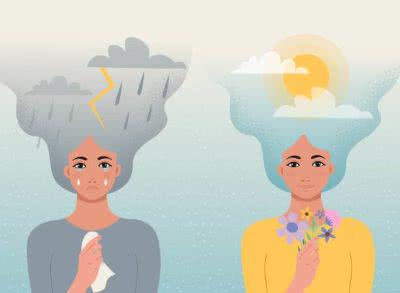
/ˈpes.ə.mɪ.zəm/
(noun) 悲观主义
示例:
His constant pessimism about the economy was draining.
他对经济的持续悲观令人筋疲力尽。

/əˈbæn.dən.mənt/
(noun) 遗弃, 放弃, 放任
示例:
The abandonment of the old house left it in ruins.
那座旧房子的遗弃使其变成了废墟。

/ˌvʌl.nɚ.əˈbɪl.ə.t̬i/
(noun) 脆弱性, 弱点
示例:
The old bridge's vulnerability to strong winds was a concern.
老桥对强风的脆弱性令人担忧。

/ˌɪr.əˈteɪ.ʃən/
(noun) 恼怒, 烦躁, 刺激
示例:
He tried to hide his irritation at the delay.
他试图掩饰他对延误的恼怒。

/ˈbɔːr.dəm/
(noun) 无聊, 厌倦
示例:
She suffered from extreme boredom during the long lecture.
在漫长的讲座中,她感到极度无聊。

/ˈhɑːrt.breɪk/
(noun) 心碎, 悲痛
示例:
The news of his death caused her immense heartbreak.
他去世的消息给她带来了巨大的心碎。

/woʊ/
(noun) 悲哀, 不幸, 灾难;
(exclamation) 唉, 不幸
示例:
The country was plunged into woe after the natural disaster.
自然灾害后,国家陷入了巨大的悲痛之中。

/dɪˈspleʒ.ɚ/
(noun) 不满, 不快
示例:
The teacher frowned to show her displeasure with the noisy class.
老师皱起眉头,对吵闹的班级表示不满。

/ʌnˈhæp.i.nəs/
(noun) 不快乐, 不幸, 不满
示例:
She tried to hide her unhappiness from her family.
她试图向家人隐瞒她的不快乐。

/reɪdʒ/
(noun) 狂怒, 盛怒, 暴怒;
(verb) 大怒, 发怒, 肆虐
示例:
He flew into a rage when he heard the news.
他听到这个消息后勃然大怒。

/ˈpæn.ɪk/
(noun) 恐慌, 惊慌;
(verb) 恐慌, 惊慌
示例:
The crowd was in a state of panic after the explosion.
爆炸后,人群陷入恐慌。

/ɡrʌdʒ/
(noun) 怨恨, 积怨;
(verb) 嫉妒, 不情愿地给予
示例:
She held a grudge against him for years after their argument.
争吵过后,她对他怀恨在心多年。


/dɪˈskʌm.fɚt/
(noun) 不适, 不舒服, 轻微疼痛;
(verb) 使不适, 使不安, 使尴尬
示例:
She felt a slight discomfort in her knee after the long walk.
长时间散步后,她感到膝盖有些不适。


/ˈæŋ.ɡwɪʃ/
(noun) 痛苦, 苦恼, 剧痛;
(verb) 使痛苦, 使苦恼
示例:
He experienced great anguish after the loss of his child.
失去孩子后,他经历了巨大的痛苦。

/rɪˈzent.mənt/
(noun) 愤恨, 不满, 怨恨
示例:
She felt a deep sense of resentment towards her boss for taking credit for her work.
她对老板抢走她的工作功劳感到深深的愤恨。