Avatar of Vocabulary Set Émotions négatives

Ensemble de vocabulaire Émotions négatives dans Vocabulaire général IELTS (niveaux 6-7) : Liste complète et détaillée

L'ensemble de vocabulaire 'Émotions négatives' dans 'Vocabulaire général IELTS (niveaux 6-7)' est soigneusement sélectionné à partir de sources de manuels internationaux standard, vous aidant à maîtriser le vocabulaire en peu de temps. Compilation complète de définitions, exemples illustratifs et prononciation standard...

Apprendre cet ensemble de vocabulaire sur Lingoland

Apprendre maintenant

desolation

/ˌdes.əlˈeɪ.ʃən/

(noun) désolation, ruine, ravage

Exemple:

The earthquake left the city in utter desolation.
Le tremblement de terre a laissé la ville dans une désolation totale.

frustration

/frʌsˈtreɪ.ʃən/

(noun) frustration, déception, entrave

Exemple:

He slammed his fist on the table in frustration.
Il a claqué son poing sur la table de frustration.

agony

/ˈæɡ.ə.ni/

(noun) agonie, souffrance extrême

Exemple:

He was in agony after breaking his leg.
Il était en agonie après s'être cassé la jambe.

discontent

/ˌdɪs.kənˈtent/

(noun) mécontentement, insatisfaction;

(verb) mécontenter;

(adjective) mécontent, insatisfait

Exemple:

There is growing discontent among the workers regarding their low wages.
Il y a un mécontentement croissant parmi les travailleurs concernant leurs bas salaires.

bitterness

/ˈbɪt̬.ɚ.nəs/

(noun) amertume, rancœur, goût amer

Exemple:

He felt a deep sense of bitterness after being betrayed by his friend.
Il ressentit une profonde amertume après avoir été trahi par son ami.

wrath

/rɑːθ/

(noun) colère, fureur

Exemple:

The king's wrath was feared by all his subjects.
La colère du roi était crainte par tous ses sujets.

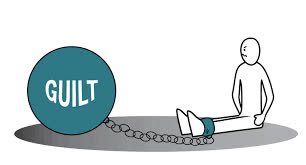
guilt

/ɡɪlt/

(noun) culpabilité, remords

Exemple:

The jury found him innocent of the guilt.
Le jury l'a déclaré innocent de la culpabilité.

remorse

/rɪˈmɔːrs/

(noun) remords, repentir

Exemple:

He felt a pang of remorse for his harsh words.
Il ressentit un pincement de remords pour ses paroles dures.

embarrassment

/ɪmˈber.əs.mənt/

(noun) embarras, gêne, honte

Exemple:

She felt a blush of embarrassment creep up her neck when she tripped.
Elle sentit une rougeur d'embarras monter le long de son cou quand elle trébucha.

humiliation

/hjuːˌmɪl.iˈeɪ.ʃən/

(noun) humiliation, affront

Exemple:

He suffered the humiliation of being fired in front of his colleagues.
Il a subi l'humiliation d'être renvoyé devant ses collègues.

agitation

/ˌædʒ.əˈteɪ.ʃən/

(noun) agitation, émoi, brassage

Exemple:

She was in a state of great agitation after the accident.
Elle était dans un état de grande agitation après l'accident.

restlessness

/ˈrest.ləs.nəs/

(noun) agitation, inquiétude, impatience

Exemple:
He felt a sense of restlessness as he waited for the results.
Il ressentait un sentiment d'agitation en attendant les résultats.

pessimism

/ˈpes.ə.mɪ.zəm/

(noun) pessimisme

Exemple:

His constant pessimism about the economy was draining.
Son pessimisme constant concernant l'économie était épuisant.

abandonment

/əˈbæn.dən.mənt/

(noun) abandon, délaissement, insouciance

Exemple:

The abandonment of the old house left it in ruins.
L'abandon de la vieille maison l'a laissée en ruines.

vulnerability

/ˌvʌl.nɚ.əˈbɪl.ə.t̬i/

(noun) vulnérabilité, fragilité

Exemple:

The old bridge's vulnerability to strong winds was a concern.
La vulnérabilité du vieux pont aux vents forts était une préoccupation.

irritation

/ˌɪr.əˈteɪ.ʃən/

(noun) irritation, agacement, inflammation

Exemple:

He tried to hide his irritation at the delay.
Il a essayé de cacher son irritation face au retard.

boredom

/ˈbɔːr.dəm/

(noun) ennui, lassitude

Exemple:

She suffered from extreme boredom during the long lecture.
Elle a souffert d'un ennui extrême pendant la longue conférence.

heartbreak

/ˈhɑːrt.breɪk/

(noun) chagrin, peine de cœur

Exemple:

The news of his death caused her immense heartbreak.
La nouvelle de sa mort lui a causé un immense chagrin.

woe

/woʊ/

(noun) malheur, chagrin, peine;

(exclamation) malheur, hélas

Exemple:

The country was plunged into woe after the natural disaster.
Le pays a été plongé dans le malheur après la catastrophe naturelle.

displeasure

/dɪˈspleʒ.ɚ/

(noun) mécontentement, déplaisir

Exemple:
The teacher frowned to show her displeasure with the noisy class.
L'enseignante a froncé les sourcils pour montrer son mécontentement face à la classe bruyante.

unhappiness

/ʌnˈhæp.i.nəs/

(noun) malheur, infelicité, mécontentement

Exemple:
She tried to hide her unhappiness from her family.
Elle a essayé de cacher son malheur à sa famille.

rage

/reɪdʒ/

(noun) rage, colère, fureur;

(verb) rager, faire rage, s'emporter

Exemple:
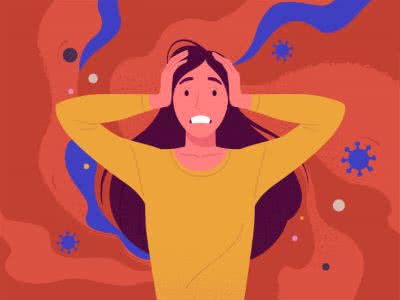
He flew into a rage when he heard the news.
Il est entré dans une rage quand il a appris la nouvelle.

panic

/ˈpæn.ɪk/

(noun) panique;

(verb) paniquer

Exemple:

The crowd was in a state of panic after the explosion.
La foule était en état de panique après l'explosion.

grudge

/ɡrʌdʒ/

(noun) rancune, ressentiment;

(verb) envier, regretter

Exemple:

She held a grudge against him for years after their argument.
Elle lui a gardé rancune pendant des années après leur dispute.

blame

/bleɪm/

(noun) blâme, responsabilité;

(verb) blâmer, accuser

Exemple:

She took all the blame for the mistake.
Elle a pris tout le blâme pour l'erreur.

discomfort

/dɪˈskʌm.fɚt/

(noun) inconfort, gêne, malaise;

(verb) gêner, incommoder, embarrasser

Exemple:

She felt a slight discomfort in her knee after the long walk.
Elle a ressenti un léger inconfort au genou après la longue marche.

despair

/dɪˈsper/

(noun) désespoir;

(verb) désespérer

Exemple:

He fell into despair after losing his job.
Il est tombé dans le désespoir après avoir perdu son emploi.

anguish

/ˈæŋ.ɡwɪʃ/

(noun) angoisse, souffrance, tourment;

(verb) angoisser, tourmenter

Exemple:

He experienced great anguish after the loss of his child.
Il a ressenti une grande angoisse après la perte de son enfant.

resentment

/rɪˈzent.mənt/

(noun) ressentiment, rancœur, amertume

Exemple:

She felt a deep sense of resentment towards her boss for taking credit for her work.
Elle éprouvait un profond ressentiment envers son patron pour s'être approprié le mérite de son travail.
Apprendre cet ensemble de vocabulaire sur Lingoland