Avatar of Vocabulary Set 301-350

教科書に近い600語の語彙 内 301-350 語彙セット:完全かつ詳細なリスト

「教科書に近い600語の語彙」内の「301-350」語彙セットは国際標準教材から厳選され、短期間で語彙をマスターできます。定義、例文、標準発音を網羅…

Lingolandでこの語彙セットを学習

今すぐ学習

schedule

/ˈskedʒ.uːl/

(noun) スケジュール, 予定, 時刻表;

(verb) スケジュールする, 予定を立てる

例:

I need to check my schedule for next week.
来週のスケジュールを確認する必要があります。

permanent

/ˈpɝː.mə.nənt/

(adjective) 永久的な, 永続的な, 恒久的な;

(noun) パーマ, 永久パーマ

例:

She is looking for a permanent job.
彼女は常勤の仕事を探している。

bustling

/ˈbʌs.lɪŋ/

(adjective) 賑やかな, 活気のある, 忙しい

例:

The market was bustling with shoppers.
市場は買い物客で賑わっていた

thrive

/θraɪv/

(verb) 繁栄する, 成長する, 成功する

例:

The plants thrive in warm, sunny climates.
植物は暖かく日当たりの良い気候でよく育ちます

economy

/iˈkɑː.nə.mi/

(noun) 経済, 節約, 経済性

例:

The country's economy is growing rapidly.
その国の経済は急速に成長している。

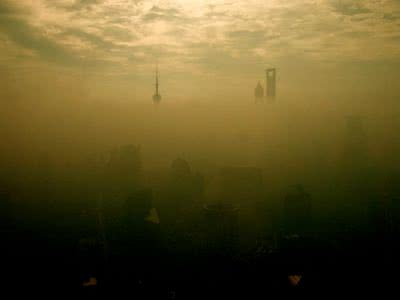
smog

/smɑːɡ/

(noun) スモッグ, 煙霧

例:

The city was covered in a thick layer of smog.
その都市は厚いスモッグの層に覆われていた。

commerce

/ˈkɑː.mɝːs/

(noun) 商業, 貿易

例:

International commerce has increased significantly.
国際商業は著しく増加した。

afford

/əˈfɔːrd/

(verb) 余裕がある, 〜できる, 提供する

例:

I can't afford a new car right now.
今、新しい車を買う余裕がありません

labour

/ˈleɪ.bɚ/

(noun) 労働, 労力, 陣痛;

(verb) 骨を折る, 苦労する

例:

The construction project required a lot of manual labour.
建設プロジェクトには多くの肉体労働が必要でした。

graduation

/ˌɡrædʒ.uˈeɪ.ʃən/

(noun) 卒業, 卒業式, 目盛り

例:

My graduation ceremony is next month.
私の卒業式は来月です。

achieve

/əˈtʃiːv/

(verb) 達成する, 成し遂げる, 得る

例:

She worked hard to achieve her goals.
彼女は目標を達成するために一生懸命働いた。

devote

/dɪˈvoʊt/

(verb) 捧げる, 専念する

例:

She decided to devote her life to helping others.
彼女は人生を他者を助けることに捧げると決めた。

recruit

/rɪˈkruːt/

(noun) 新兵, 新入隊員, 新メンバー;

(verb) 募集する, 採用する, 編成する

例:

The new recruits arrived at the training camp.
新しい新兵たちが訓練キャンプに到着した。

vivid

/ˈvɪv.ɪd/

(adjective) 鮮やかな, 生き生きとした, 鮮明な

例:

He gave a vivid description of the accident.
彼は事故の鮮やかな描写をした。

childhood

/ˈtʃaɪld.hʊd/

(noun) 子供時代, 幼少期

例:

She had a happy childhood.
彼女は幸せな子供時代を過ごした。

achievement

/əˈtʃiːv.mənt/

(noun) 功績, 業績, 達成

例:

Winning the championship was a great achievement for the team.
チャンピオンシップでの優勝は、チームにとって大きな功績でした。

heritage

/ˈher.ɪ.t̬ɪdʒ/

(noun) 遺産, 相続財産, 文化遺産

例:

The old house was part of her family's heritage.
その古い家は彼女の家族の遺産の一部だった。

independence

/ˌɪn.dɪˈpen.dəns/

(noun) 独立, 自立

例:

The country gained its independence in 1960.
その国は1960年に独立を達成した。

duty

/ˈduː.t̬i/

(noun) 義務, 責任, 関税

例:

It is your duty to report any suspicious activity.
不審な活動を報告するのはあなたの義務です。

enemy

/ˈen.ə.mi/

(noun) 敵, 仇

例:

He made many enemies during his political career.
彼は政治家としてのキャリアの中で多くのを作った。

impressive

/ɪmˈpres.ɪv/

(adjective) 印象的な, 感動的な

例:

The view from the mountain top was truly impressive.
山頂からの眺めは本当に印象的だった。

invent

/ɪnˈvent/

(verb) 発明する, 考案する, でっち上げる

例:

Alexander Graham Bell invented the telephone.
アレクサンダー・グラハム・ベルは電話を発明した

talented

/ˈtæl.ən.t̬ɪd/

(adjective) 才能のある, 有能な

例:

She is a very talented musician.
彼女はとても才能のある音楽家です。

gifted

/ˈɡɪf.tɪd/

(adjective) 才能のある, 天賦の

例:

She is a truly gifted musician.
彼女は本当に才能のある音楽家です。

pass down

/pæs daʊn/

(phrasal verb) 受け継ぐ, 譲り渡す, 伝える

例:

The family traditions have been passed down through generations.
家族の伝統は世代から世代へと受け継がれてきました。

take over

/ˈteɪk ˌoʊ.vər/

(phrasal verb) 引き継ぐ, 乗っ取る, 支配する

例:

She will take over as CEO next month.
彼女は来月CEOに就任します

drop out

/drɑːp aʊt/

(phrasal verb) 中退する, 脱落する, 脱退する

例:

He decided to drop out of college and start his own business.
彼は大学を中退することを決意し、自分のビジネスを始めた。

deal with

/diːl wɪð/

(phrasal verb) 対処する, 処理する, 取引する

例:

We need to deal with this issue immediately.
この問題にすぐに対処する必要があります。

tragic

/ˈtrædʒ.ɪk/

(adjective) 悲劇的な, 痛ましい, 悲劇の

例:

The news of the accident was truly tragic.
その事故のニュースは本当に悲劇的だった。

neighbour

/ˈneɪ.bər/

(noun) 隣人, 近所の人;

(verb) 隣接する, 隣り合う

例:

Our new neighbour moved in last week.
新しい隣人が先週引っ越してきました。

consider

/kənˈsɪd.ɚ/

(verb) 考慮する, 検討する, 見なす

例:

You should consider all the options before deciding.
決定する前にすべての選択肢を考慮するべきです。

genius

/ˈdʒiː.ni.əs/

(noun) 天才, 才能, 偉才

例:

She has a genius for languages.
彼女は語学の才能がある。

generosity

/ˌdʒen.əˈrɑː.sə.t̬i/

(noun) 寛大さ, 気前の良さ

例:

His generosity knew no bounds; he always helped those in need.
彼の寛大さには限りがなく、常に困っている人々を助けた。

origin

/ˈɔːr.ə.dʒɪn/

(noun) 起源, 源, 発端

例:

The river's origin is in the mountains.
その川の源流は山にある。

festivity

/fesˈtɪv.ə.t̬i/

(noun) お祭り気分, 祝祭, 陽気さ

例:

The town was filled with a sense of festivity during the annual carnival.
毎年恒例のカーニバルの間、街はお祭り気分に満ちていた。

identity

/aɪˈden.t̬ə.t̬i/

(noun) 身元, 同一性, アイデンティティ

例:

He was trying to hide his true identity.
彼は本当の身元を隠そうとしていた。

remain

/rɪˈmeɪn/

(verb) 残る, 残存する, 〜のままである;

(noun) 残り, 残骸

例:

Only a few ruins remain from the ancient city.
古代都市からはわずかな遺跡しか残っていません

mystery

/ˈmɪs.tɚ.i/

(noun) 謎, 神秘, ミステリー

例:

The disappearance of the ancient civilization remains a mystery.
古代文明の消失はのままだ。

popularity

/ˌpɑː.pjəˈler.ə.t̬i/

(noun) 人気, 流行

例:

The band gained immense popularity after their hit song.
そのバンドはヒット曲の後、絶大な人気を得た。

foster

/ˈfɑː.stɚ/

(verb) 育む, 促進する, 育成する;

(adjective) 里親の, 養育の

例:

The school aims to foster a love of learning in its students.
学校は生徒たちの学習意欲を育むことを目指している。

speciality

/ˌspeʃ.iˈæl.ə.t̬i/

(noun) 専門, 得意分野, 特産品

例:

His speciality is ancient Roman history.
彼の専門は古代ローマ史です。

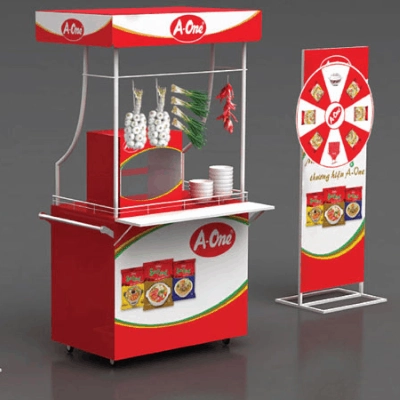
booth

/buːθ/

(noun) ブース, 屋台, ボックス

例:

The artist displayed her paintings in a small booth at the art fair.
そのアーティストはアートフェアの小さなブースで絵画を展示した。

souvenir

/ˌsuː.vəˈnɪr/

(noun) お土産, 記念品

例:

I bought a small statue as a souvenir of my trip to Paris.
パリ旅行のお土産として小さな像を買いました。

cuisine

/kwɪˈziːn/

(noun) 料理, 料理法

例:

French cuisine is known for its rich sauces and delicate pastries.
フランス料理は濃厚なソースと繊細なペストリーで知られています。

decompose

/ˌdiː.kəmˈpoʊz/

(verb) 分解する, 腐敗する, 分析する

例:

The organic matter began to decompose rapidly.
有機物は急速に分解し始めた。

release

/rɪˈliːs/

(verb) 解放する, 放す, リリースする;

(noun) 釈放, リリース

例:
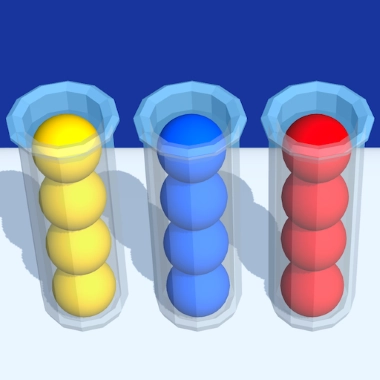
The police decided to release the suspect due to lack of evidence.
警察は証拠不十分のため、容疑者を釈放することを決定した。

sort

/sɔːrt/

(noun) 種類, 型;

(verb) 並べ替える, 分類する, 解決する

例:

What sort of music do you like?
どんな種類の音楽が好きですか?

reuse

/ˌriːˈjuːz/

(verb) 再利用する, 再び使う;

(noun) 再利用, 再使用

例:
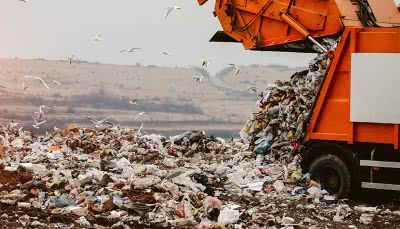
We should reuse plastic bags to protect the environment.
環境保護のためにビニール袋を再利用すべきです。

dump

/dʌmp/

(noun) ゴミ捨て場, 埋立地, ひどい場所;

(verb) 捨てる, 投棄する, 振る

例:

The city's landfill is a huge garbage dump.
その都市の埋立地は巨大なゴミ捨て場だ。

site

/saɪt/

(noun) 敷地, 場所, 現場;

(verb) 配置する, 設置する, 建設する

例:

The construction of the new school is on a large site.
新しい学校の建設は広い敷地で行われています。
Lingolandでこの語彙セットを学習