Avatar of Vocabulary Set 301-350

교과서에 가까운 600개 어휘 내 301-350 어휘 세트: 완전하고 상세한 목록

'교과서에 가까운 600개 어휘' 내 '301-350' 어휘 세트는 국제 표준 교재 출처에서 엄선되어 짧은 시간 안에 어휘를 마스터할 수 있도록 도와줍니다. 정의, 예문, 표준 발음을 완벽하게 수록...

Lingoland에서 이 어휘 세트 학습하기

지금 학습하기

schedule

/ˈskedʒ.uːl/

(noun) 일정, 시간표, 계획;

(verb) 일정을 잡다, 예정하다

예시:

I need to check my schedule for next week.
다음 주 일정을 확인해야 해.

permanent

/ˈpɝː.mə.nənt/

(adjective) 영구적인, 영속적인, 지속적인;

(noun) 파마, 영구 파마

예시:

She is looking for a permanent job.
그녀는 영구적인 직업을 찾고 있다.

bustling

/ˈbʌs.lɪŋ/

(adjective) 북적이는, 활기찬, 번화한

예시:

The market was bustling with shoppers.
시장은 쇼핑객들로 북적였다.

thrive

/θraɪv/

(verb) 번성하다, 성장하다, 잘 자라다

예시:

The plants thrive in warm, sunny climates.
식물은 따뜻하고 햇볕이 잘 드는 기후에서 잘 자란다.

economy

/iˈkɑː.nə.mi/

(noun) 경제, 절약, 효율성

예시:

The country's economy is growing rapidly.
그 나라의 경제는 빠르게 성장하고 있다.

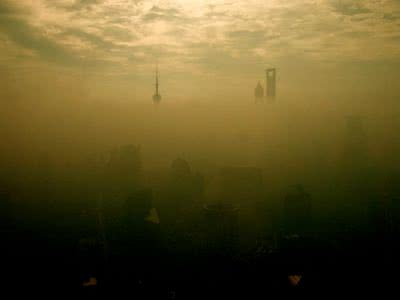
smog

/smɑːɡ/

(noun) 스모그, 연무

예시:

The city was covered in a thick layer of smog.
도시는 두꺼운 스모그 층으로 덮여 있었다.

commerce

/ˈkɑː.mɝːs/

(noun) 상업, 무역

예시:

International commerce has increased significantly.
국제 상업이 크게 증가했다.

afford

/əˈfɔːrd/

(verb) 여유가 있다, 감당하다, 제공하다

예시:

I can't afford a new car right now.
지금 새 차를 살 여유가 없어.

labour

/ˈleɪ.bɚ/

(noun) 노동, 수고, 진통;

(verb) 노력하다, 고생하다

예시:

The construction project required a lot of manual labour.
건설 프로젝트에는 많은 육체 노동이 필요했다.

graduation

/ˌɡrædʒ.uˈeɪ.ʃən/

(noun) 졸업, 졸업식, 눈금

예시:

My graduation ceremony is next month.
졸업식은 다음 달이야.

achieve

/əˈtʃiːv/

(verb) 달성하다, 성취하다, 이루다

예시:

She worked hard to achieve her goals.
그녀는 목표를 달성하기 위해 열심히 노력했다.

devote

/dɪˈvoʊt/

(verb) 바치다, 전념하다

예시:

She decided to devote her life to helping others.
그녀는 다른 사람들을 돕는 데 삶을 바치기로 결정했다.

recruit

/rɪˈkruːt/

(noun) 신병, 신참, 신입;

(verb) 모집하다, 영입하다, 조직하다

예시:

The new recruits arrived at the training camp.
새로운 신병들이 훈련소에 도착했다.

vivid

/ˈvɪv.ɪd/

(adjective) 생생한, 선명한, 강렬한

예시:

He gave a vivid description of the accident.
그는 사고에 대해 생생하게 묘사했다.

childhood

/ˈtʃaɪld.hʊd/

(noun) 어린 시절, 유년기

예시:

She had a happy childhood.
그녀는 행복한 어린 시절을 보냈다.

achievement

/əˈtʃiːv.mənt/

(noun) 성취, 업적, 달성

예시:

Winning the championship was a great achievement for the team.
챔피언십 우승은 팀에게 큰 성취였다.

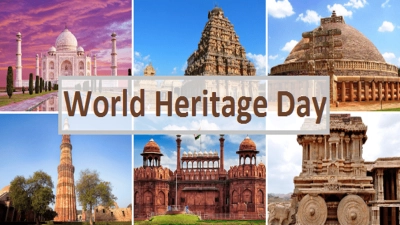
heritage

/ˈher.ɪ.t̬ɪdʒ/

(noun) 유산, 상속 재산, 문화유산

예시:

The old house was part of her family's heritage.
그 오래된 집은 그녀 가족의 유산의 일부였다.

independence

/ˌɪn.dɪˈpen.dəns/

(noun) 독립, 자립

예시:

The country gained its independence in 1960.
그 나라는 1960년에 독립을 얻었다.

duty

/ˈduː.t̬i/

(noun) 의무, 책임, 관세

예시:

It is your duty to report any suspicious activity.
의심스러운 활동을 신고하는 것은 당신의 의무입니다.

enemy

/ˈen.ə.mi/

(noun) 적, 원수

예시:

He made many enemies during his political career.
그는 정치 경력 동안 많은 을 만들었다.

impressive

/ɪmˈpres.ɪv/

(adjective) 인상적인, 감명 깊은

예시:

The view from the mountain top was truly impressive.
산 정상에서 본 경치는 정말 인상적이었다.

invent

/ɪnˈvent/

(verb) 발명하다, 고안하다, 꾸며내다

예시:

Alexander Graham Bell invented the telephone.
알렉산더 그레이엄 벨은 전화를 발명했다.

talented

/ˈtæl.ən.t̬ɪd/

(adjective) 재능 있는, 유능한

예시:

She is a very talented musician.
그녀는 매우 재능 있는 음악가이다.

gifted

/ˈɡɪf.tɪd/

(adjective) 재능 있는, 영재의

예시:

She is a truly gifted musician.
그녀는 정말 재능 있는 음악가이다.

pass down

/pæs daʊn/

(phrasal verb) 물려주다, 전하다, 하달하다

예시:

The family traditions have been passed down through generations.
가족 전통은 여러 세대에 걸쳐 전해져 내려왔습니다.

take over

/ˈteɪk ˌoʊ.vər/

(phrasal verb) 인수하다, 장악하다, 지배하다

예시:

She will take over as CEO next month.
그녀는 다음 달에 CEO 자리를 인수할 것이다.

drop out

/drɑːp aʊt/

(phrasal verb) 중퇴하다, 탈락하다, 빠지다

예시:

He decided to drop out of college and start his own business.
그는 대학을 중퇴하고 자신의 사업을 시작하기로 결정했다.

deal with

/diːl wɪð/

(phrasal verb) 처리하다, 다루다, 거래하다

예시:

We need to deal with this issue immediately.
이 문제를 즉시 처리해야 합니다.

tragic

/ˈtrædʒ.ɪk/

(adjective) 비극적인, 슬픈, 비극의

예시:

The news of the accident was truly tragic.
그 사고 소식은 정말 비극적이었다.

neighbour

/ˈneɪ.bər/

(noun) 이웃, 옆집 사람;

(verb) 인접하다, 이웃하다

예시:

Our new neighbour moved in last week.
새로운 이웃이 지난주에 이사 왔어.

consider

/kənˈsɪd.ɚ/

(verb) 고려하다, 생각하다, 여기다

예시:

You should consider all the options before deciding.
결정하기 전에 모든 선택지를 고려해야 합니다.

genius

/ˈdʒiː.ni.əs/

(noun) 천재성, 재능, 천재

예시:

She has a genius for languages.
그녀는 언어에 천재적인 재능이 있다.

generosity

/ˌdʒen.əˈrɑː.sə.t̬i/

(noun) 관대함, 너그러움

예시:

His generosity knew no bounds; he always helped those in need.
그의 관대함은 끝이 없었다; 그는 항상 도움이 필요한 사람들을 도왔다.

origin

/ˈɔːr.ə.dʒɪn/

(noun) 기원, 근원, 시작

예시:

The river's origin is in the mountains.
그 강은 산에서 시작된다.

festivity

/fesˈtɪv.ə.t̬i/

(noun) 축제, 경축, 흥겨움

예시:

The town was filled with a sense of festivity during the annual carnival.
연례 카니발 동안 도시는 축제 분위기로 가득했다.

identity

/aɪˈden.t̬ə.t̬i/

(noun) 정체성, 신원, 특징

예시:

He was trying to hide his true identity.
그는 자신의 진짜 정체를 숨기려 했다.

remain

/rɪˈmeɪn/

(verb) 남다, 잔존하다, ~인 채로 있다;

(noun) 잔해, 잔여물

예시:

Only a few ruins remain from the ancient city.
고대 도시에서는 몇몇 유적만 남아있다.

mystery

/ˈmɪs.tɚ.i/

(noun) 미스터리, 수수께끼, 추리 소설

예시:

The disappearance of the ancient civilization remains a mystery.
고대 문명의 사라짐은 여전히 미스터리로 남아있다.

popularity

/ˌpɑː.pjəˈler.ə.t̬i/

(noun) 인기, 대중성

예시:

The band gained immense popularity after their hit song.
그 밴드는 히트곡 이후 엄청난 인기를 얻었다.

foster

/ˈfɑː.stɚ/

(verb) 함양하다, 촉진하다, 육성하다;

(adjective) 위탁, 양육

예시:

The school aims to foster a love of learning in its students.
학교는 학생들에게 학습에 대한 사랑을 함양하는 것을 목표로 한다.

speciality

/ˌspeʃ.iˈæl.ə.t̬i/

(noun) 전문 분야, 특기, 특산품

예시:

His speciality is ancient Roman history.
그의 전문 분야는 고대 로마 역사이다.

booth

/buːθ/

(noun) 부스, 가판대, 칸막이

예시:

The artist displayed her paintings in a small booth at the art fair.
그 예술가는 미술 박람회에서 작은 부스에 그림을 전시했다.

souvenir

/ˌsuː.vəˈnɪr/

(noun) 기념품, 추억

예시:

I bought a small statue as a souvenir of my trip to Paris.
파리 여행의 기념품으로 작은 조각상을 샀다.

cuisine

/kwɪˈziːn/

(noun) 요리, 음식

예시:

French cuisine is known for its rich sauces and delicate pastries.
프랑스 요리는 풍부한 소스와 섬세한 페이스트리로 유명합니다.

decompose

/ˌdiː.kəmˈpoʊz/

(verb) 분해하다, 부패하다, 분석하다

예시:

The organic matter began to decompose rapidly.
유기물이 빠르게 분해되기 시작했다.

release

/rɪˈliːs/

(verb) 석방하다, 풀어주다, 발매하다;

(noun) 석방, 출시

예시:
The police decided to release the suspect due to lack of evidence.
경찰은 증거 불충분으로 용의자를 석방하기로 결정했다.

sort

/sɔːrt/

(noun) 종류, 유형;

(verb) 정렬하다, 분류하다, 해결하다

예시:
What sort of music do you like?
어떤 종류의 음악을 좋아해?

reuse

/ˌriːˈjuːz/

(verb) 재사용하다, 다시 사용하다;

(noun) 재사용, 다시 사용

예시:
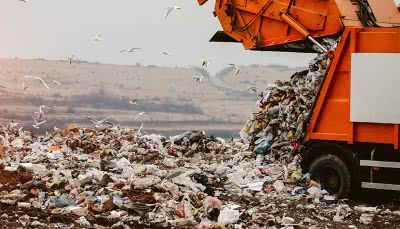
We should reuse plastic bags to protect the environment.
환경 보호를 위해 비닐봉투를 재사용해야 합니다.

dump

/dʌmp/

(noun) 쓰레기장, 매립지, 쓰레기 같은 곳;

(verb) 버리다, 내버리다, 차다

예시:

The city's landfill is a huge garbage dump.
도시의 매립지는 거대한 쓰레기 매립지이다.

site

/saɪt/

(noun) 부지, 장소, 현장;

(verb) 위치시키다, 설치하다, 건설하다

예시:

The construction of the new school is on a large site.
새 학교 건설은 넓은 부지에 있다.
Lingoland에서 이 어휘 세트 학습하기