Avatar of Vocabulary Set A2 - 文字 A

Oxford 3000 - A2 内 A2 - 文字 A 語彙セット:完全かつ詳細なリスト

「Oxford 3000 - A2」内の「A2 - 文字 A」語彙セットは国際標準教材から厳選され、短期間で語彙をマスターできます。定義、例文、標準発音を網羅…

Lingolandでこの語彙セットを学習

今すぐ学習

ability

/əˈbɪl.ə.t̬i/

(noun) 能力, 才能

例:

She has the ability to learn new languages quickly.
彼女は新しい言語を素早く学ぶ能力がある。

able

/ˈeɪ.bəl/

(adjective) できる, 有能な, 熟練した

例:

She is able to speak three languages fluently.
彼女は3つの言語を流暢に話すことができます

abroad

/əˈbrɑːd/

(adverb) 海外で, 海外へ, 広まって

例:

She decided to study abroad for a year.
彼女は1年間海外で勉強することに決めた。

accept

/əkˈsept/

(verb) 受け入れる, 承諾する, 同意する

例:

She accepted the gift with a smile.
彼女は笑顔で贈り物を受け取った。

accident

/ˈæk.sə.dənt/

(noun) 事故, 災難, 偶然

例:

He was involved in a car accident.
彼は自動車事故に巻き込まれた。

according to

/əˈkɔːrdɪŋ tə/

(preposition) 〜によると, 〜に従って

例:

According to the weather forecast, it will rain tomorrow.
天気予報によると、明日は雨が降るでしょう。

achieve

/əˈtʃiːv/

(verb) 達成する, 成し遂げる, 得る

例:

She worked hard to achieve her goals.
彼女は目標を達成するために一生懸命働いた。

act

/ækt/

(verb) 行動する, 実行する, 演じる;

(noun) 行為, 行動, 法律

例:

It's time to act.
行動する時が来た。

active

/ˈæk.tɪv/

(adjective) 活動的な, 活発な, 活動中の

例:

He leads a very active lifestyle, always hiking and cycling.

彼は非常に活動的なライフスタイルを送っており、常にハイキングやサイクリングをしています。

actually

/ˈæk.tʃu.ə.li/

(adverb) 実際に, 本当に

例:

I thought it would be difficult, but it was actually quite easy.
難しいと思ったけど、実際にはかなり簡単だった。

adult

/ˈæd.ʌlt/

(noun) 大人, 成人;

(adjective) 大人の, 成熟した

例:

Children must be accompanied by an adult.
子供は大人の同伴が必要です。

advantage

/ədˈvæn.t̬ɪdʒ/

(noun) 利点, 有利な点;

(verb) 有利にする, 利益をもたらす

例:

His height gave him an advantage in basketball.
彼の身長はバスケットボールで彼に有利に働いた。

adventure

/ədˈven.tʃɚ/

(noun) 冒険, スリル;

(verb) 冒険する

例:

They went on a thrilling adventure in the Amazon rainforest.
彼らはアマゾンの熱帯雨林でスリリングな冒険に出かけた。

advertise

/ˈæd.vɚ.taɪz/

(verb) 宣伝する, 広告する, 公にする

例:

We need to advertise our new product more effectively.
新製品をより効果的に宣伝する必要があります。

advertisement

/ˌæd.vɚˈtaɪz.mənt/

(noun) 広告, 宣伝

例:

The company placed an advertisement in the local newspaper.
その会社は地方紙に広告を出した。

advertising

/ˈæd.vɚ.taɪ.zɪŋ/

(noun) 広告, 宣伝

例:

The company invested heavily in online advertising.
その会社はオンライン広告に多額の投資をした。

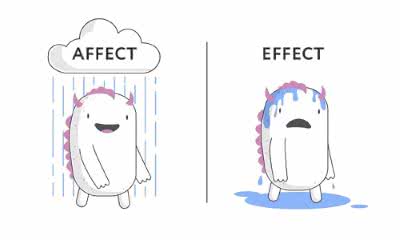
affect

/əˈfekt/

(verb) 影響する, 作用する, 感動させる

例:

The weather will affect our travel plans.
天気は私たちの旅行計画に影響するでしょう。

after

/ˈæf.tɚ/

(preposition) 後に, 〜の後で, 〜の後ろに;

(adverb) その後, 後で;

(conjunction) 〜を追って, 〜を求めて

例:

She arrived after the meeting had started.
彼女は会議が始まった後に到着した。

against

/əˈɡenst/

(preposition) 〜に反対して, 〜に対して, 〜に寄りかかって

例:

The decision went against my wishes.
その決定は私の希望に反して行われた。

ah

/ɑː/

(exclamation) ああ, あ

例:

Ah, that feels so good!
ああ、それはとても気持ちいい!

airline

/ˈer.laɪn/

(noun) 航空会社

例:

Which airline are you flying with?
どの航空会社を利用しますか?

alive

/əˈlaɪv/

(adjective) 生きている, 生きた, 活発な

例:

Is your grandmother still alive?
おばあさんはまだ生きていますか?

all

/ɑːl/

(determiner) すべての, 全部の;

(pronoun) すべて, 全員;

(adverb) 完全に, 全く

例:

She ate all the cake.
彼女はケーキを全部食べた。

all right

/ɔːl ˈraɪt/

(adjective) 大丈夫, まあまあ, 悪くない;

(adverb) まあまあ, 問題なく

例:

The movie was all right, but not great.
その映画はまあまあだったけど、最高ではなかった。

allow

/əˈlaʊ/

(verb) 許す, 許可する, 可能にする

例:

My parents don't allow me to stay out late.
両親は私が夜遅くまで外出するのを許してくれない。

almost

/ˈɑːl.moʊst/

(adverb) ほとんど, もう少しで

例:

I'm almost done with my homework.
宿題がほとんど終わった。

alone

/əˈloʊn/

(adjective) 一人で, 単独で, 自力で;

(adverb) 一人で, 単独で

例:
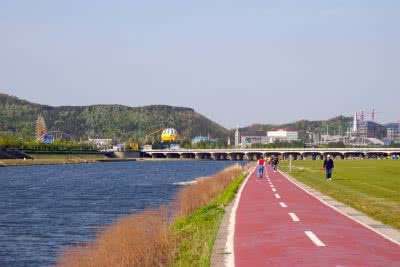
She likes to be alone sometimes.
彼女は時々一人でいるのが好きだ。

along

/əˈlɑːŋ/

(adverb) 沿って, 一緒に, 加えて;

(preposition) と共に, 一致して

例:

We walked along the beach.
私たちはビーチ沿いを歩いた。

already

/ɑːlˈred.i/

(adverb) すでに, もう

例:

She has already finished her homework.
彼女はすでに宿題を終えている。

alternative

/ɑːlˈtɝː.nə.t̬ɪv/

(adjective) 代替の, 別の;

(noun) 選択肢, 代替案

例:

Do you have an alternative solution?
代替案はありますか?

although

/ɑːlˈðoʊ/

(conjunction) けれども, にもかかわらず;

(adverb) けれども, しかし

例:

Although it was raining, we went for a walk.
雨が降っていたけれども、散歩に出かけた。

among

/əˈmʌŋ/

(preposition) 〜の中に, 〜の間で, 〜の中で

例:

He was standing among the trees.
彼は木々の中に立っていた。

amount

/əˈmaʊnt/

(noun) 量, 金額;

(verb) 達する, 等しい

例:

A large amount of money was stolen.
多額の金が盗まれた。

ancient

/ˈeɪn.ʃənt/

(adjective) 古代の, 昔の, 古い

例:

The pyramids are ancient structures.
ピラミッドは古代の建造物です。

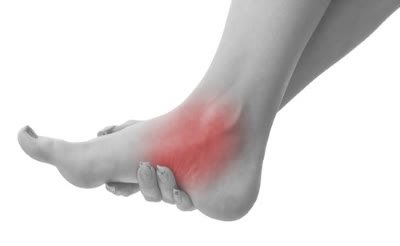
ankle

/ˈæŋ.kəl/

(noun) 足首

例:

She twisted her ankle while playing soccer.
彼女はサッカーをしているときに足首をひねった。

any

/ˈen.i/

(determiner) 何か, どれでも, どんな;

(pronoun) どれでも, 誰でも;

(adverb) 少しでも, 全く

例:

Do you have any questions?
何か質問はありますか?

anybody

/ˈen.iˌbɑː.di/

(pronoun) 誰か, 誰も

例:

Did anybody see what happened?
誰か何が起こったか見ましたか?

any more

/ˌen.i ˈmɔːr/

(adverb) もう, これ以上

例:

She doesn't live here any more.
彼女はもうここには住んでいません。

anyway

/ˈen.i.weɪ/

(adverb) とにかく, いずれにしても, それに

例:

I don't think it's a good idea. Anyway, it's too late now.

それは良い考えだとは思いません。とにかく、もう遅いです。

anywhere

/ˈen.i.wer/

(adverb) どこでも, どこにも

例:

Can we go anywhere quiet?
どこか静かな場所に行けますか?

app

/æp/

(noun) アプリ, アプリケーション

例:

I downloaded a new photo editing app.
新しい写真編集アプリをダウンロードしました。

appear

/əˈpɪr/

(verb) 現れる, 出現する, 〜のように見える

例:

A ship appeared on the horizon.
船が地平線に現れた

appearance

/əˈpɪr.əns/

(noun) 外観, 見た目, 出現

例:

Her sudden appearance surprised everyone.
彼女の突然の出現は皆を驚かせた。

apply

/əˈplaɪ/

(verb) 応募する, 申請する, 塗る

例:

You should apply for the job by Friday.
金曜日までにその仕事に応募すべきです。

architect

/ˈɑːr.kə.tekt/

(noun) 建築家, 立案者, 設計者

例:

The architect presented the blueprints for the new library.
建築家は新しい図書館の設計図を提示した。

architecture

/ˈɑːr.kə.tek.tʃɚ/

(noun) 建築, 建築学, 構造

例:

She studied architecture at university.
彼女は大学で建築を学んだ。

argue

/ˈɑːrɡ.juː/

(verb) 主張する, 論じる, 口論する

例:

The lawyer tried to argue that his client was innocent.
弁護士は依頼人が無実であると主張しようとした。

argument

/ˈɑːrɡ.jə.mənt/

(noun) 議論, 口論, 論争

例:

They had a fierce argument about politics.
彼らは政治について激しい議論をした。

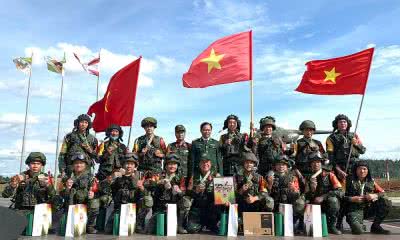
army

/ˈɑːr.mi/

(noun) 軍隊, 陸軍, 大群

例:

The army was deployed to the border.
軍隊は国境に配備された。

arrange

/əˈreɪndʒ/

(verb) アレンジする, 並べる, 手配する

例:

She arranged the flowers in a vase.
彼女は花を花瓶にアレンジした。

arrangement

/əˈreɪndʒ.mənt/

(noun) 手配, 準備, 配置

例:

We need to make arrangements for the party.
パーティーの手配をする必要があります。

as

/æz/

(conjunction) 〜しながら, 〜の時に, 〜として;

(adverb) 〜と同じくらい, 〜のように;

(preposition) 〜の通りに, 〜のように

例:

He sang as he walked down the street.
彼は通りを歩きながら歌った

asleep

/əˈsliːp/

(adjective) 眠って, 眠っている, しびれた

例:

The baby is finally asleep.
赤ちゃんはついに眠っています。

assistant

/əˈsɪs.tənt/

(noun) アシスタント, 助手;

(adjective) 補助の, アシスタントの

例:

She works as a personal assistant to the CEO.
彼女はCEOの個人アシスタントとして働いています。

athlete

/ˈæθ.liːt/

(noun) アスリート, 運動選手

例:

The young athlete trained every day for the competition.
若いアスリートは大会のために毎日練習した。

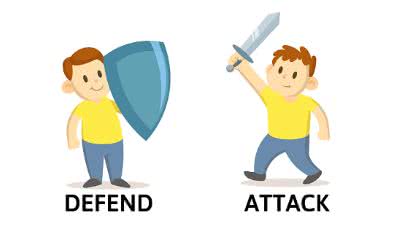
attack

/əˈtæk/

(noun) 攻撃, 発作, 批判;

(verb) 攻撃する, 批判する

例:

The army launched a surprise attack on the enemy.
軍は敵に奇襲攻撃を仕掛けた。

attend

/əˈtend/

(verb) 出席する, 通う, 対応する

例:

She decided to attend the conference.
彼女は会議に出席することにした。

attention

/əˈten.ʃən/

(noun) 注意, 集中, 配慮;

(exclamation) 気をつけ, 注目

例:

Please pay attention to the instructions.
指示に注意してください。

attractive

/əˈtræk.tɪv/

(adjective) 魅力的な, 魅力ある

例:

She wore a very attractive dress to the party.
彼女はパーティーにとても魅力的なドレスを着ていた。

audience

/ˈɑː.di.əns/

(noun) 観客, 聴衆, 読者層

例:

The band played to a large audience.
バンドは多くの観客の前で演奏した。

author

/ˈɑː.θɚ/

(noun) 著者, 作家;

(verb) 執筆する, 著述する

例:

She is the author of three best-selling novels.
彼女は3冊のベストセラー小説の著者です。

available

/əˈveɪ.lə.bəl/

(adjective) 利用可能, 入手可能

例:

The book is available at the library.
その本は図書館で利用可能です。

average

/ˈæv.ɚ.ɪdʒ/

(noun) 平均, 普通;

(adjective) 平均的な, 普通の;

(verb) 平均する, 平均で〜になる

例:
The average score on the test was 75.
テストの平均点は75点でした。

avoid

/əˈvɔɪd/

(verb) 避ける, 回避する

例:

She tried to avoid eye contact.
彼女はアイコンタクトを避けようとした。

award

/əˈwɔːrd/

(noun) 賞, 授与;

(verb) 授与する, 与える

例:

She received an award for her outstanding performance.
彼女は優れたパフォーマンスに対してを受け取った。

awful

/ˈɑː.fəl/

(adjective) ひどい, 恐ろしい, 最悪の;

(adverb) ものすごく, 非常に

例:

The weather was awful yesterday.
昨日の天気はひどかった
Lingolandでこの語彙セットを学習