Avatar of Vocabulary Set A2 - 字母 A

词汇集 A2 - 字母 A(属于 Oxford 3000 - A2):完整且详细的清单

词汇集「A2 - 字母 A」(属于「Oxford 3000 - A2」)从国际标准教材来源精心挑选,帮助您在短时间内掌握词汇。全面汇整定义、例句及标准发音…

在 Lingoland 学习此词汇集

立即学习

ability

/əˈbɪl.ə.t̬i/

(noun) 能力, 才能

示例:

She has the ability to learn new languages quickly.
她有快速学习新语言的能力

able

/ˈeɪ.bəl/

(adjective) 能够, 有能力的, 能干的

示例:

She is able to speak three languages fluently.
能够流利地说三种语言。

abroad

/əˈbrɑːd/

(adverb) 在国外, 到国外, 广泛地

示例:

She decided to study abroad for a year.
她决定出国留学一年。

accept

/əkˈsept/

(verb) 接受, 收下, 同意

示例:

She accepted the gift with a smile.
她微笑着接受了礼物。

accident

/ˈæk.sə.dənt/

(noun) 事故, 意外, 偶然

示例:

He was involved in a car accident.
他卷入了一场车祸。

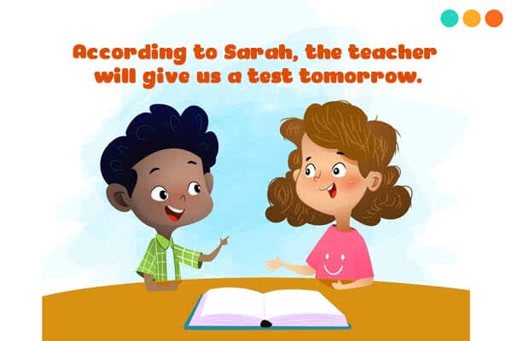
according to

/əˈkɔːrdɪŋ tə/

(preposition) 根据, 按照

示例:

According to the weather forecast, it will rain tomorrow.
根据天气预报,明天会下雨。

achieve

/əˈtʃiːv/

(verb) 实现, 达到, 完成

示例:

She worked hard to achieve her goals.
她努力工作以实现自己的目标。

act

/ækt/

(verb) 行动, 做, 表演;

(noun) 行为, 举动, 法案

示例:

It's time to act.
是时候行动了。

active

/ˈæk.tɪv/

(adjective) 积极的, 活跃的, 有效的

示例:

He leads a very active lifestyle, always hiking and cycling.

他过着非常积极的生活方式,总是徒步旅行和骑自行车。

actually

/ˈæk.tʃu.ə.li/

(adverb) 实际上, 其实, 真的

示例:

I thought it would be difficult, but it was actually quite easy.
我以为会很难,但实际上相当容易。

adult

/ˈæd.ʌlt/

(noun) 成年人, 大人;

(adjective) 成年的, 成熟的

示例:

Children must be accompanied by an adult.
儿童必须由成人陪同。

advantage

/ədˈvæn.t̬ɪdʒ/

(noun) 优势, 有利条件;

(verb) 有利于, 使处于有利地位

示例:

His height gave him an advantage in basketball.
他的身高让他在篮球中占据优势

adventure

/ədˈven.tʃɚ/

(noun) 冒险, 刺激;

(verb) 冒险

示例:

They went on a thrilling adventure in the Amazon rainforest.
他们在亚马逊雨林进行了一次惊险的冒险

advertise

/ˈæd.vɚ.taɪz/

(verb) 做广告, 宣传, 宣扬

示例:

We need to advertise our new product more effectively.
我们需要更有效地宣传我们的新产品。

advertisement

/ˌæd.vɚˈtaɪz.mənt/

(noun) 广告, 宣传

示例:

The company placed an advertisement in the local newspaper.
该公司在当地报纸上刊登了一则广告

advertising

/ˈæd.vɚ.taɪ.zɪŋ/

(noun) 广告, 宣传

示例:

The company invested heavily in online advertising.
该公司在网络广告上投入了大量资金。

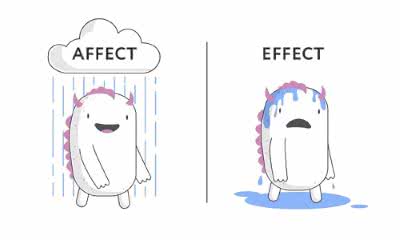
affect

/əˈfekt/

(verb) 影响, 感动, 打动

示例:

The weather will affect our travel plans.
天气将影响我们的旅行计划。

after

/ˈæf.tɚ/

(preposition) 在...之后, 在...后面, 追逐;

(adverb) 之后, 后来;

(conjunction) 追逐, 追求

示例:

She arrived after the meeting had started.
她在会议开始才到。

against

/əˈɡenst/

(preposition) 反对, 对抗, 靠着

示例:

The decision went against my wishes.
这个决定违背了我的意愿。

ah

/ɑː/

(exclamation) 啊, 哦

示例:

Ah, that feels so good!
,感觉真好!

airline

/ˈer.laɪn/

(noun) 航空公司

示例:

Which airline are you flying with?
你乘坐哪家航空公司的航班?

alive

/əˈlaɪv/

(adjective) 活着的, 在世的, 活跃的

示例:

Is your grandmother still alive?
你奶奶还活着吗?

all

/ɑːl/

(determiner) 所有, 全部;

(pronoun) 一切, 所有;

(adverb) 完全, 全然

示例:

She ate all the cake.
她吃了所有的蛋糕。

all right

/ɔːl ˈraɪt/

(adjective) 还行, 没问题, 可以;

(adverb) 还行, 顺利地

示例:

The movie was all right, but not great.
这部电影还行,但不是很好。

allow

/əˈlaʊ/

(verb) 允许, 准许, 使能够

示例:

My parents don't allow me to stay out late.
我父母不允许我熬夜。

almost

/ˈɑːl.moʊst/

(adverb) 几乎, 差不多

示例:

I'm almost done with my homework.
差不多做完作业了。

alone

/əˈloʊn/

(adjective) 独自, 单独, 独立;

(adverb) 独自, 一个人

示例:

She likes to be alone sometimes.
她有时喜欢独处

along

/əˈlɑːŋ/

(adverb) 沿着, 一起, 随同;

(preposition) 与...一起, 与...相符

示例:

We walked along the beach.
我们沿着海滩散步。

already

/ɑːlˈred.i/

(adverb) 已经, 早已, 这么快

示例:

She has already finished her homework.
已经完成作业了。

alternative

/ɑːlˈtɝː.nə.t̬ɪv/

(adjective) 替代的, 其他的;

(noun) 选择, 替代方案

示例:

Do you have an alternative solution?
你有没有替代方案?

although

/ɑːlˈðoʊ/

(conjunction) 尽管, 虽然;

(adverb) 尽管, 然而

示例:

Although it was raining, we went for a walk.
尽管下着雨,我们还是去散步了。

among

/əˈmʌŋ/

(preposition) 在...之中, 在...之间, 在...中

示例:

He was standing among the trees.
他站在树林中

amount

/əˈmaʊnt/

(noun) 数量, 总额;

(verb) 达, 等于

示例:

A large amount of money was stolen.
一大笔钱被盗了。

ancient

/ˈeɪn.ʃənt/

(adjective) 古代的, 古老的, 老旧的

示例:

The pyramids are ancient structures.
金字塔是古代建筑。

ankle

/ˈæŋ.kəl/

(noun) 脚踝

示例:

She twisted her ankle while playing soccer.
她踢足球时扭伤了脚踝

any

/ˈen.i/

(determiner) 任何, 一些, 随便哪个;

(pronoun) 任何一个, 任何;

(adverb) 一点, 丝毫

示例:

Do you have any questions?
你有什么问题吗?

anybody

/ˈen.iˌbɑː.di/

(pronoun) 任何人, 有人

示例:

Did anybody see what happened?
有人看到发生了什么吗?

any more

/ˌen.i ˈmɔːr/

(adverb) 不再, 更多

示例:

She doesn't live here any more.
她不再住在这里了。

anyway

/ˈen.i.weɪ/

(adverb) 无论如何, 反正, 而且

示例:

I don't think it's a good idea. Anyway, it's too late now.

我认为这不是个好主意。无论如何,现在已经太晚了。

anywhere

/ˈen.i.wer/

(adverb) 任何地方, 无论何处

示例:

Can we go anywhere quiet?
我们可以去任何安静的地方吗?

app

/æp/

(noun) 应用, 应用程序

示例:

I downloaded a new photo editing app.
我下载了一个新的照片编辑应用

appear

/əˈpɪr/

(verb) 出现, 显现, 似乎

示例:

A ship appeared on the horizon.
一艘船在海平线上出现了。

appearance

/əˈpɪr.əns/

(noun) 外貌, 外观, 出现

示例:

Her sudden appearance surprised everyone.
她突然的出现让所有人感到惊讶。

apply

/əˈplaɪ/

(verb) 申请, 请求, 涂抹

示例:

You should apply for the job by Friday.
你应该在周五前申请这份工作。

architect

/ˈɑːr.kə.tekt/

(noun) 建筑师, 设计师, 策划者

示例:

The architect presented the blueprints for the new library.
建筑师展示了新图书馆的蓝图。

architecture

/ˈɑːr.kə.tek.tʃɚ/

(noun) 建筑, 建筑学, 架构

示例:

She studied architecture at university.
她在大学学习建筑学

argue

/ˈɑːrɡ.juː/

(verb) 争论, 辩论, 争吵

示例:

The lawyer tried to argue that his client was innocent.
律师试图辩称他的委托人是无辜的。

argument

/ˈɑːrɡ.jə.mənt/

(noun) 争论, 争吵, 辩论

示例:

They had a fierce argument about politics.
他们就政治问题进行了激烈的争论

army

/ˈɑːr.mi/

(noun) 军队, 陆军, 大批

示例:

The army was deployed to the border.
军队被部署到边境。

arrange

/əˈreɪndʒ/

(verb) 整理, 安排, 筹备

示例:

She arranged the flowers in a vase.
她把花在花瓶里。

arrangement

/əˈreɪndʒ.mənt/

(noun) 安排, 准备, 布置

示例:

We need to make arrangements for the party.
我们需要为派对做安排

as

/æz/

(conjunction) 当...时, 一边...一边, 作为;

(adverb) 像, 一样;

(preposition) 照...那样, 如同

示例:

He sang as he walked down the street.
一边走在街上一边唱歌。

asleep

/əˈsliːp/

(adjective) 睡着的, 熟睡的, 麻木的

示例:

The baby is finally asleep.
宝宝终于睡着了

assistant

/əˈsɪs.tənt/

(noun) 助理, 助手;

(adjective) 辅助的, 助理的

示例:

She works as a personal assistant to the CEO.
她担任首席执行官的私人助理。

athlete

/ˈæθ.liːt/

(noun) 运动员, 体育家

示例:

The young athlete trained every day for the competition.
这位年轻的运动员每天都为比赛训练。

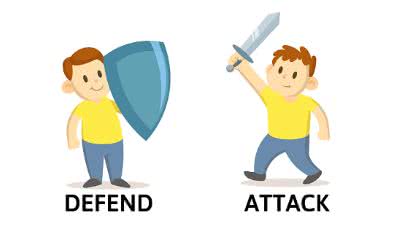
attack

/əˈtæk/

(noun) 攻击, 袭击, 发作;

(verb) 攻击, 袭击, 抨击

示例:

The army launched a surprise attack on the enemy.
军队对敌人发动了突然袭击

attend

/əˈtend/

(verb) 参加, 出席, 就读

示例:

She decided to attend the conference.
她决定参加会议。

attention

/əˈten.ʃən/

(noun) 注意, 专注, 关注;

(exclamation) 立正, 军姿

示例:

Please pay attention to the instructions.
请注意说明。

attractive

/əˈtræk.tɪv/

(adjective) 有吸引力的, 迷人的

示例:

She wore a very attractive dress to the party.
她穿了一件非常迷人的连衣裙去参加派对。

audience

/ˈɑː.di.əns/

(noun) 观众, 听众, 读者

示例:

The band played to a large audience.
乐队为大批观众演奏。

author

/ˈɑː.θɚ/

(noun) 作者, 作家;

(verb) 撰写, 创作

示例:

She is the author of three best-selling novels.
她是三部畅销小说的作者

available

/əˈveɪ.lə.bəl/

(adjective) 可用的, 有空的

示例:

The book is available at the library.
这本书在图书馆有售

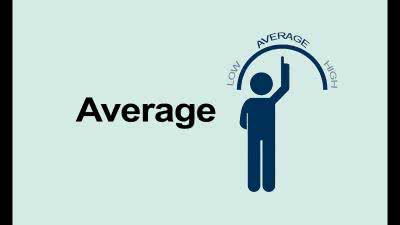
average

/ˈæv.ɚ.ɪdʒ/

(noun) 平均值, 平均数, 一般;

(adjective) 平均的, 普通的;

(verb) 平均为, 达到平均

示例:
The average score on the test was 75.
这次考试的平均分是75分。

avoid

/əˈvɔɪd/

(verb) 避免, 避开

示例:

She tried to avoid eye contact.
她试图避免眼神交流。

award

/əˈwɔːrd/

(noun) 奖, 奖项;

(verb) 授予, 颁发

示例:

She received an award for her outstanding performance.
她因出色的表现获得了奖项

awful

/ˈɑː.fəl/

(adjective) 糟糕的, 可怕的, 极坏的;

(adverb) 非常, 极其

示例:

The weather was awful yesterday.
昨天的天气糟透了
在 Lingoland 学习此词汇集