Avatar of Vocabulary Set B1 - 形容詞 1

レベル B1 内 B1 - 形容詞 1 語彙セット:完全かつ詳細なリスト

「レベル B1」内の「B1 - 形容詞 1」語彙セットは国際標準教材から厳選され、短期間で語彙をマスターできます。定義、例文、標準発音を網羅…

Lingolandでこの語彙セットを学習

今すぐ学習

annoyed

/əˈnɔɪd/

(adjective) イライラした, 迷惑そうな

例:

She was annoyed by the constant noise from her neighbors.
彼女は隣人からの絶え間ない騒音にイライラしていた

automatic

/ˌɑː.t̬əˈmæt̬.ɪk/

(adjective) 自動の, オートマチックの, 自動的な;

(noun) 自動銃, オートマチック, オートマチック車

例:

The car has an automatic transmission.
その車はオートマチックトランスミッションを搭載している。

aware

/əˈwer/

(adjective) 気づいている, 認識している

例:

Are you aware of the risks involved?
関連するリスクを認識していますか?

human

/ˈhjuː.mən/

(adjective) 人間の, 人間に特有の, 人間らしい;

(noun) 人間, 人類

例:
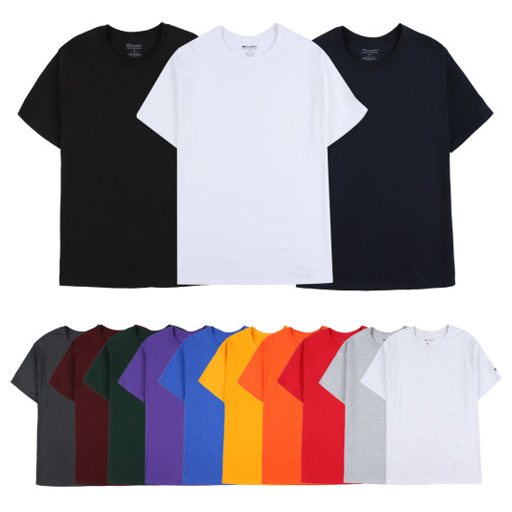
The ability to reason is a unique human trait.
推論する能力は、人間に特有の特性です。

basic

/ˈbeɪ.sɪk/

(adjective) 基本的な, 基礎的な, 質素な

例:

The basic principles of physics are taught in high school.
物理学の基本的な原理は高校で教えられます。

central

/ˈsen.trəl/

(adjective) 中央の, 中心の, 主要な

例:

The park is in the central part of the city.
公園は市の中心部にあります。

complex

/kɑːmˈpleks/

(adjective) 複雑な, 入り組んだ, 理解しにくい;

(noun) 複合施設, 団地, コンプレックス

例:

The human brain is a highly complex organ.
人間の脳は非常に複雑な器官です。

confused

/kənˈfjuːzd/

(adjective) 混乱した, 困惑した, ごちゃごちゃした

例:

She felt completely confused after waking up from the long nap.
長い昼寝から目覚めた後、彼女は完全に混乱していた。

convenient

/kənˈviː.ni.ənt/

(adjective) 便利な, 都合の良い, 使いやすい

例:

It's very convenient to have a supermarket nearby.
近くにスーパーがあるのはとても便利です。

criminal

/ˈkrɪm.ə.nəl/

(noun) 犯罪者, 犯人;

(adjective) 犯罪の, 刑事の

例:

The police arrested the criminal after a long chase.
警察は長い追跡の末、犯人を逮捕した。

cultural

/ˈkʌl.tʃɚ.əl/

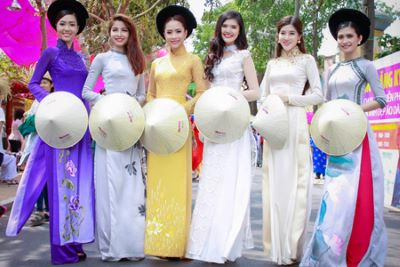
(adjective) 文化的, 文化的な, 芸術的な

例:

The museum showcases the rich cultural heritage of the region.
その博物館は地域の豊かな文化的遺産を展示している。

current

/ˈkɝː.ənt/

(adjective) 現在の, 今の;

(noun) 流れ, 潮流, 電流

例:

What's your current address?
あなたの現在の住所は何ですか?

disappointed

/ˌdɪs.əˈpɔɪn.t̬ɪd/

(adjective) がっかりした, 失望した

例:

She was deeply disappointed with her exam results.
彼女は試験結果に深くがっかりした

drunk

/drʌŋk/

(adjective) 酔った, 酔っ払った;

(noun) 酔っ払い, 酒飲み;

(past participle) 飲んだ

例:
He was so drunk he could barely stand.
彼は酔っ払ってほとんど立てなかった。

eastern

/ˈiː.stɚn/

(adjective) 東の, 東部の, 東洋の

例:

The sun rises in the eastern sky.
太陽は東の空に昇る。

embarrassing

/ɪmˈber.ə.sɪŋ/

(adjective) 恥ずかしい, きまり悪い

例:

It was so embarrassing when I tripped in front of everyone.
みんなの前でつまずいたときは、とても恥ずかしかった

equal

/ˈiː.kwəl/

(adjective) 等しい, 同等の, 耐えうる;

(noun) 対等な存在, 匹敵する者;

(verb) 等しい, に相当する

例:
All men are created equal.
すべての人は平等に作られている。

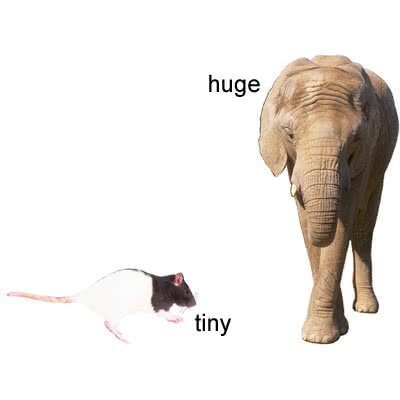
huge

/hjuːdʒ/

(adjective) 巨大な, 莫大な, 重要な

例:

The company made a huge profit this quarter.
その会社は今四半期に莫大な利益を上げた。

essential

/ɪˈsen.ʃəl/

(adjective) 不可欠な, 本質的な, 固有の;

(noun) 必要不可欠なもの, 基本

例:

Water is essential for life.
水は生命に不可欠です。

familiar

/fəˈmɪl.i.jɚ/

(adjective) なじみのある, よく知られた, 精通している

例:

His face looked familiar, but I couldn't place him.
彼の顔は見覚えがあったが、誰だか思い出せなかった。

fixed

/fɪkst/

(adjective) 固定された, 据え付けの, 決定済みの;

(verb) 修理する, 直す, 固定する

例:

The shelf is fixed to the wall.
棚は壁に固定されています。

global

/ˈɡloʊ.bəl/

(adjective) 地球規模の, 世界的な, 普遍的な

例:

Climate change is a global issue that affects everyone.
気候変動はすべての人に影響を与える地球規模の問題です。

historical

/hɪˈstɔːr.ɪ.kəl/

(adjective) 歴史的な, 歴史上の, 過去の

例:

The museum has many historical artifacts.
その博物館には多くの歴史的な工芸品があります。

imaginary

/ɪˈmædʒ.ə.ner.i/

(adjective) 想像上の, 架空の

例:

Dragons are imaginary creatures.
ドラゴンは想像上の生き物です。

indoor

/ˌɪnˈdɔːr/

(adjective) 屋内, 室内

例:

We played indoor games because of the rain.
雨のため、室内ゲームをしました。

injured

/ˈɪn.dʒɚd/

(adjective) 負傷した, 損傷した, 傷ついた;

(verb) 負傷させる, 傷つける, 損なう

例:

The player was injured during the game and had to leave the field.
選手は試合中に負傷し、フィールドを去らなければならなかった。

innocent

/ˈɪn.ə.sənt/

(adjective) 無罪の, 無実の, 無邪気な;

(noun) 無実の人, 無垢な人

例:

The jury found him innocent of all charges.
陪審員は彼をすべての容疑で無罪と判断した。

legal

/ˈliː.ɡəl/

(adjective) 法律の, 合法の, 適法の

例:

He sought legal advice from a lawyer.
彼は弁護士から法的な助言を求めた。

magic

/ˈmædʒ.ɪk/

(noun) 魔法, 魔術, 魅力;

(adjective) 魔法の, 不思議な;

(verb) 魔法のように作り出す, 魔法のように消し去る

例:

She believed in the power of magic.
彼女は魔法の力を信じていた。

native

/ˈneɪ.t̬ɪv/

(noun) 出身者, 先住民;

(adjective) 母国の, 故郷の, 生まれつきの

例:
She is a native of Paris.
彼女はパリの出身者です。

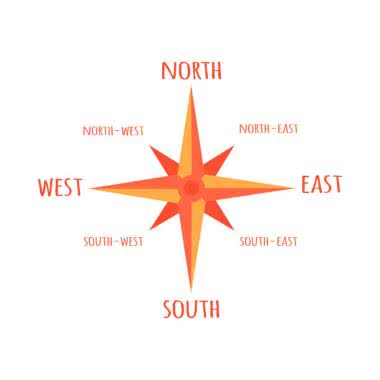
northern

/ˈnɔːr.ðɚn/

(adjective) 北の, 北部に位置する

例:

The northern lights are a beautiful phenomenon.
の光は美しい現象です。

traditional

/trəˈdɪʃ.ən.əl/

(adjective) 伝統的な, 昔ながらの

例:

The village still follows traditional customs.
その村は今でも伝統的な習慣に従っている。

ancient

/ˈeɪn.ʃənt/

(adjective) 古代の, 昔の, 古い

例:

The pyramids are ancient structures.
ピラミッドは古代の建造物です。

secret

/ˈsiː.krət/

(noun) 秘密, 秘訣;

(adjective) 秘密の, 隠された

例:

Can you keep a secret?
秘密を守れますか?

big

/bɪɡ/

(adjective) 大きい, 巨大な, 重要な;

(adverb) 大口をたたく, 偉そうに

例:

He lives in a big house.
彼は大きな家に住んでいる。

hidden

/ˈhɪd.ən/

(adjective) 隠された, 秘密の;

(past participle) 隠した, 隠れた

例:

The treasure was hidden in a secret cave.
宝物は秘密の洞窟に隠されていた。
Lingolandでこの語彙セットを学習