Avatar of Vocabulary Set B1 - 형용사 1

레벨 B1 내 B1 - 형용사 1 어휘 세트: 완전하고 상세한 목록

'레벨 B1' 내 'B1 - 형용사 1' 어휘 세트는 국제 표준 교재 출처에서 엄선되어 짧은 시간 안에 어휘를 마스터할 수 있도록 도와줍니다. 정의, 예문, 표준 발음을 완벽하게 수록...

Lingoland에서 이 어휘 세트 학습하기

지금 학습하기

annoyed

/əˈnɔɪd/

(adjective) 짜증난, 성가신

예시:

She was annoyed by the constant noise from her neighbors.
그녀는 이웃의 끊임없는 소음에 짜증이 났다.

automatic

/ˌɑː.t̬əˈmæt̬.ɪk/

(adjective) 자동의, 자동적인, 본능적인;

(noun) 자동 총기, 자동 권총, 자동차

예시:

The car has an automatic transmission.
그 차는 자동 변속기야.

aware

/əˈwer/

(adjective) 알고 있는, 인지하는

예시:

Are you aware of the risks involved?
관련된 위험을 알고 있나요?

human

/ˈhjuː.mən/

(adjective) 인간의, 인류의, 인간적인;

(noun) 인간, 사람

예시:

The ability to reason is a unique human trait.
추론 능력은 독특한 인간의 특성이다.

basic

/ˈbeɪ.sɪk/

(adjective) 기본적인, 기초적인, 간단한

예시:

The basic principles of physics are taught in high school.
물리학의 기본 원리는 고등학교에서 가르쳐진다.

central

/ˈsen.trəl/

(adjective) 중앙의, 중심의, 핵심적인

예시:

The park is in the central part of the city.
공원은 도시의 중앙 부분에 있다.

complex

/kɑːmˈpleks/

(adjective) 복잡한, 난해한, 이해하기 어려운;

(noun) 단지, 복합 건물, 콤플렉스

예시:

The human brain is a highly complex organ.
인간의 뇌는 매우 복잡한 기관이다.

confused

/kənˈfjuːzd/

(adjective) 혼란스러운, 당황한, 뒤죽박죽인

예시:

She felt completely confused after waking up from the long nap.
긴 낮잠에서 깨어난 후 그녀는 완전히 혼란스러웠다.

convenient

/kənˈviː.ni.ənt/

(adjective) 편리한, 적절한, 사용하기 쉬운

예시:

It's very convenient to have a supermarket nearby.
근처에 슈퍼마켓이 있는 것이 매우 편리하다.

criminal

/ˈkrɪm.ə.nəl/

(noun) 범죄자, 죄인;

(adjective) 형사상의, 범죄의

예시:
The police arrested the criminal after a long chase.
경찰은 긴 추격 끝에 범인을 체포했다.

cultural

/ˈkʌl.tʃɚ.əl/

(adjective) 문화적, 예술적

예시:

The museum showcases the rich cultural heritage of the region.
그 박물관은 그 지역의 풍부한 문화적 유산을 전시하고 있다.

current

/ˈkɝː.ənt/

(adjective) 현재의, 지금의;

(noun) 흐름, 물살, 전류

예시:

What's your current address?
현재 주소가 어떻게 되세요?

disappointed

/ˌdɪs.əˈpɔɪn.t̬ɪd/

(adjective) 실망한

예시:

She was deeply disappointed with her exam results.
그녀는 시험 결과에 깊이 실망했다.

drunk

/drʌŋk/

(adjective) 취한, 술 취한;

(noun) 취객, 술고래;

(past participle) 마신

예시:
He was so drunk he could barely stand.
그는 너무 취해서 거의 서 있을 수 없었다.

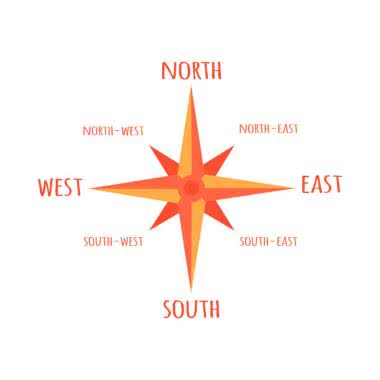
eastern

/ˈiː.stɚn/

(adjective) 동쪽의, 동양의

예시:

The sun rises in the eastern sky.
태양은 동쪽 하늘에서 뜬다.

embarrassing

/ɪmˈber.ə.sɪŋ/

(adjective) 당황스러운, 창피한

예시:

It was so embarrassing when I tripped in front of everyone.
모두 앞에서 넘어졌을 때 정말 창피했다.

equal

/ˈiː.kwəl/

(adjective) 같은, 동등한, 대처할 수 있는;

(noun) 동등한 존재, 비할 데 없는 존재;

(verb) ~와 같다, ~에 해당하다

예시:
All men are created equal.
모든 사람은 평등하게 창조되었다.

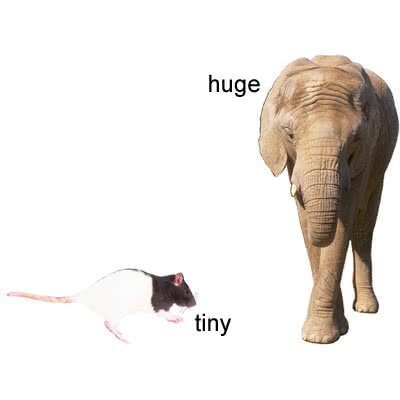
huge

/hjuːdʒ/

(adjective) 거대한, 엄청난, 중요한

예시:

The company made a huge profit this quarter.
그 회사는 이번 분기에 엄청난 이익을 냈다.

essential

/ɪˈsen.ʃəl/

(adjective) 필수적인, 본질적인, 고유한;

(noun) 필수품, 핵심

예시:

Water is essential for life.
물은 생명에 필수적이다.

familiar

/fəˈmɪl.i.jɚ/

(adjective) 익숙한, 친숙한, 잘 아는

예시:

His face looked familiar, but I couldn't place him.
그의 얼굴은 익숙했지만, 누구인지 기억나지 않았다.

fixed

/fɪkst/

(adjective) 고정된, 설치된, 정해진;

(verb) 고치다, 수리하다, 고정하다

예시:

The shelf is fixed to the wall.
선반은 벽에 고정되어 있다.

global

/ˈɡloʊ.bəl/

(adjective) 전 세계적인, 글로벌, 보편적인

예시:

Climate change is a global issue that affects everyone.
기후 변화는 모든 사람에게 영향을 미치는 전 세계적인 문제입니다.

historical

/hɪˈstɔːr.ɪ.kəl/

(adjective) 역사적인, 역사상의, 과거의

예시:

The museum has many historical artifacts.
그 박물관에는 많은 역사적인 유물이 있다.

imaginary

/ɪˈmædʒ.ə.ner.i/

(adjective) 상상의, 가상의

예시:

Dragons are imaginary creatures.
용은 상상의 동물이다.

indoor

/ˌɪnˈdɔːr/

(adjective) 실내의

예시:

We played indoor games because of the rain.
비 때문에 실내 게임을 했어.

injured

/ˈɪn.dʒɚd/

(adjective) 부상당한, 손상된, 상처받은;

(verb) 다치게 하다, 손상시키다, 해치다

예시:

The player was injured during the game and had to leave the field.
선수는 경기 중에 부상당해 경기장을 떠나야 했다.

innocent

/ˈɪn.ə.sənt/

(adjective) 무죄의, 결백한, 순진한;

(noun) 무고한 사람, 순진한 사람

예시:

The jury found him innocent of all charges.
배심원단은 그가 모든 혐의에 대해 무죄라고 판결했다.

legal

/ˈliː.ɡəl/

(adjective) 법률의, 합법적인, 법적으로 허용되는

예시:

He sought legal advice from a lawyer.
그는 변호사에게 법률 자문을 구했다.

magic

/ˈmædʒ.ɪk/

(noun) 마법, 마술, 매력;

(adjective) 마법의, 신비한;

(verb) 마법처럼 만들다, 마법처럼 없애다

예시:

She believed in the power of magic.
그녀는 마법의 힘을 믿었다.

native

/ˈneɪ.t̬ɪv/

(noun) 출신, 원주민;

(adjective) 모국어의, 고향의, 원래의

예시:
She is a native of Paris.
그녀는 파리 출신이다.

northern

/ˈnɔːr.ðɚn/

(adjective) 북쪽의, 북부의

예시:

The northern lights are a beautiful phenomenon.
북극광은 아름다운 현상이다.

traditional

/trəˈdɪʃ.ən.əl/

(adjective) 전통적인, 관습적인

예시:

The village still follows traditional customs.
그 마을은 여전히 전통적인 관습을 따르고 있다.

ancient

/ˈeɪn.ʃənt/

(adjective) 고대의, 옛날의, 오래된

예시:

The pyramids are ancient structures.
피라미드는 고대 건축물이다.

secret

/ˈsiː.krət/

(noun) 비밀, 비결, 요령;

(adjective) 비밀의, 숨겨진

예시:

Can you keep a secret?
비밀을 지킬 수 있어?

big

/bɪɡ/

(adjective) 큰, 거대한, 중요한;

(adverb) 허풍 떨며, 자만하게

예시:

He lives in a big house.
그는 집에 살아.

hidden

/ˈhɪd.ən/

(adjective) 숨겨진, 비밀의;

(past participle) 숨겼다, 숨겨진

예시:

The treasure was hidden in a secret cave.
보물은 비밀 동굴에 숨겨져 있었다.
Lingoland에서 이 어휘 세트 학습하기