Avatar of Vocabulary Set A1 - Lettera W

Insieme di vocabolario A1 - Lettera W in Oxford 3000 - A1: Lista completa e dettagliata

L'insieme di vocabolario 'A1 - Lettera W' in 'Oxford 3000 - A1' è selezionato con cura da fonti di testi standard internazionali, aiutandoti a padroneggiare il vocabolario in breve tempo. Compilazione completa di definizioni, esempi illustrativi e pronuncia standard...

Impara questo insieme di vocabolario su Lingoland

Impara ora
wait

/weɪt/

(verb) aspettare, attendere, essere disponibile;

(noun) attesa

Esempio:

I'll wait for you at the corner.
Ti aspetterò all'angolo.

waiter

/ˈweɪ.t̬ɚ/

(noun) cameriere

Esempio:

The waiter brought us the menu.
Il cameriere ci ha portato il menu.

wake

/weɪk/

(verb) svegliarsi, svegliare, scia;

(noun) veglia funebre, funerale, scia

Esempio:

I usually wake up at 7 AM.
Di solito mi sveglio alle 7 del mattino.

walk

/wɑːk/

(verb) camminare, passeggiare, portare a spasso;

(noun) passeggiata, camminata

Esempio:

She likes to walk in the park every morning.
Le piace camminare nel parco ogni mattina.

wall

/wɑːl/

(noun) muro, parete;

(verb) murare, recintare

Esempio:

The garden is surrounded by a high brick wall.
Il giardino è circondato da un alto muro di mattoni.

want

/wɑːnt/

(verb) volere, mancare, aver bisogno di;

(noun) mancanza, bisogno

Esempio:

I want a new car.
Io voglio una macchina nuova.

warm

/wɔːrm/

(adjective) caldo, tiepido, caloroso;

(verb) scaldare, riscaldare;

(adverb) calorosamente, caldamente

Esempio:

The sun felt warm on my skin.
Il sole si sentiva caldo sulla mia pelle.

wash

/wɑːʃ/

(verb) lavare, pulire, lavarsi;

(noun) lavaggio, lavata, velatura

Esempio:
Please wash your hands before dinner.
Per favore, lava le mani prima di cena.

watch

/wɑːtʃ/

(verb) guardare, osservare, fare attenzione;

(noun) orologio, guardia, sorveglianza

Esempio:

I like to watch movies on weekends.
Mi piace guardare film nei fine settimana.

water

/ˈwɑː.t̬ɚ/

(noun) acqua;

(verb) annaffiare

Esempio:

Please give me a glass of water.
Per favore, dammi un bicchiere d'acqua.

way

/weɪ/

(noun) modo, maniera, strada;

(adverb) molto, troppo

Esempio:

There are many ways to solve this problem.
Ci sono molti modi per risolvere questo problema.

we

/wiː/

(pronoun) noi

Esempio:

We are going to the park.
Noi andiamo al parco.

wear

/wer/

(verb) indossare, consumare, logorare;

(noun) usura, logorio, abbigliamento

Esempio:

She likes to wear bright colors.
Le piace indossare colori vivaci.

weather

/ˈweð.ɚ/

(noun) tempo, clima;

(verb) erodere, deteriorare, resistere

Esempio:

The weather is beautiful today.
Il tempo è bellissimo oggi.

website

/ˈweb.saɪt/

(noun) sito web, sito internet

Esempio:
I found the information on their official website.
Ho trovato le informazioni sul loro sito web ufficiale.

wednesday

/ˈwenz.deɪ/

(noun) mercoledì

Esempio:

I have a meeting on Wednesday morning.
Ho una riunione mercoledì mattina.

week

/wiːk/

(noun) settimana, settimana lavorativa

Esempio:

There are seven days in a week.
Ci sono sette giorni in una settimana.

weekend

/ˈwiːk.end/

(noun) fine settimana

Esempio:

I'm looking forward to the weekend.
Non vedo l'ora che arrivi il fine settimana.

welcome

/ˈwel.kəm/

(verb) accogliere, dare il benvenuto;

(exclamation) benvenuto;

(adjective) gradito, ben accetto;

(noun) benvenuto, accoglienza

Esempio:
We welcomed the new neighbors to the community.
Abbiamo accolto i nuovi vicini nella comunità.

well

/wel/

(adverb) bene, molto;

(adjective) bene, in salute;

(interjection) beh, ecco;

(noun) pozzo;

(verb) salire, sgorgare

Esempio:

She sings very well.
Canta molto bene.

west

/west/

(noun) ovest, Occidente;

(adjective) occidentale;

(adverb) verso ovest

Esempio:

The sun sets in the west.
Il sole tramonta a ovest.

what

/wɑːt/

(pronoun) cosa, che, quale;

(determiner) che, quale;

(adverb) cosa, che;

(interjection) cosa

Esempio:
What is your name?
Qual è il tuo nome?

when

/wen/

(adverb) quando;

(noun) quando, momento;

(conjunction) quando, in cui

Esempio:

When did you arrive?
Quando sei arrivato?

where

/wer/

(adverb) dove, in cui;

(conjunction) dove, il luogo in cui;

(noun) dove, luogo

Esempio:

Where are you going?
Dove stai andando?

which

/wɪtʃ/

(determiner) quale;

(pronoun) quale, che

Esempio:

Which book do you want?
Quale libro vuoi?

white

/waɪt/

(adjective) bianco, caucasico;

(noun) il bianco, colore bianco, bianchi;

(verb) sbiancare, imbiancare

Esempio:

She wore a beautiful white dress to the party.
Indossava un bellissimo vestito bianco alla festa.

who

/huː/

(pronoun) chi, che

Esempio:

Who is coming to the party?
Chi viene alla festa?

why

/waɪ/

(adverb) perché;

(noun) ragione, motivo;

(interjection) ma, ehi

Esempio:

Why did you do that?
Perché l'hai fatto?

wife

/waɪf/

(noun) moglie

Esempio:

My wife and I are going on vacation next month.
Mia moglie ed io andremo in vacanza il mese prossimo.

will

/wɪl/

(modal verb) volere, intendere;

(noun) volontà, determinazione, testamento;

(verb) testare, legare

Esempio:

I will be there by 5 PM.
Sarò lì entro le 17:00.

win

/wɪn/

(verb) vincere, ottenere;

(noun) vittoria, guadagno

Esempio:
Our team hopes to win the championship this year.
La nostra squadra spera di vincere il campionato quest'anno.

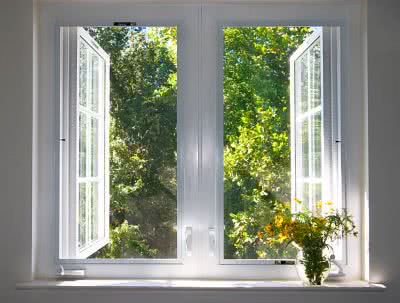
window

/ˈwɪn.doʊ/

(noun) finestra, periodo;

(verb) finestrare, dotare di finestre

Esempio:

She looked out the window at the rain.
Guardò fuori dalla finestra la pioggia.

wine

/waɪn/

(noun) vino;

(verb) bere vino, offrire vino

Esempio:

We had a bottle of red wine with dinner.
Abbiamo bevuto una bottiglia di vino rosso a cena.

winter

/ˈwɪn.t̬ɚ/

(noun) inverno;

(verb) svernare

Esempio:

I love to ski in the winter.
Amo sciare in inverno.

with

/wɪð/

(preposition) con;

(adverb) con sé, insieme

Esempio:

She went to the party with her friends.
È andata alla festa con i suoi amici.

without

/wɪˈðaʊt/

(preposition) senza;

(adverb) fuori, all'esterno

Esempio:

She left without saying goodbye.
Se n'è andata senza dire addio.

woman

/ˈwʊm.ən/

(noun) donna

Esempio:

The woman walked into the room.
La donna entrò nella stanza.

wonderful

/ˈwʌn.dɚ.fəl/

(adjective) meraviglioso, splendido, fantastico

Esempio:

We had a wonderful time at the party.
Ci siamo divertiti meravigliosamente alla festa.

word

/wɝːd/

(noun) parola, messaggio, segnale;

(verb) formulare, esprimere

Esempio:

The teacher asked the students to spell a difficult word.
L'insegnante ha chiesto agli studenti di sillabare una parola difficile.

work

/wɝːk/

(noun) lavoro, attività, compito;

(verb) lavorare, operare, funzionare

Esempio:

I have a lot of work to do today.
Ho molto lavoro da fare oggi.

worker

/ˈwɝː.kɚ/

(noun) lavoratore, operaio, operaia (insetto)

Esempio:

She is a hard worker and always meets deadlines.
È una gran lavoratrice e rispetta sempre le scadenze.

world

/wɝːld/

(noun) mondo, ambito

Esempio:

The world is a beautiful place.
Il mondo è un posto bellissimo.

would

/wʊd/

(modal verb) sarebbe, vorresti, saresti

Esempio:
He said he would be here by noon.
Ha detto che sarebbe stato qui entro mezzogiorno.

write

/raɪt/

(verb) scrivere, comporre, redigere

Esempio:

Please write your name clearly at the top of the form.
Per favore, scrivi il tuo nome chiaramente in cima al modulo.

writer

/ˈraɪ.t̬ɚ/

(noun) scrittore, autore

Esempio:

She is a famous writer of children's books.
È una famosa scrittrice di libri per bambini.

writing

/ˈraɪ.t̬ɪŋ/

(noun) scrittura, scritto, opera;

(verb) scrivendo

Esempio:

Her writing is clear and easy to read.
La sua scrittura è chiara e facile da leggere.

wrong

/rɑːŋ/

(adjective) sbagliato, errato, ingiusto;

(adverb) male, sbagliato;

(noun) errore, ingiustizia;

(verb) fare un torto a, ingiustamente trattare

Esempio:

You got the answer wrong.
Hai sbagliato la risposta.
Impara questo insieme di vocabolario su Lingoland