Avatar of Vocabulary Set Signification peu courante

Ensemble de vocabulaire Signification peu courante dans Vocabulaire essentiel pour l'examen SAT : Liste complète et détaillée

L'ensemble de vocabulaire 'Signification peu courante' dans 'Vocabulaire essentiel pour l'examen SAT' est soigneusement sélectionné à partir de sources de manuels internationaux standard, vous aidant à maîtriser le vocabulaire en peu de temps. Compilation complète de définitions, exemples illustratifs et prononciation standard...

Apprendre cet ensemble de vocabulaire sur Lingoland

Apprendre maintenant

celebrate

/ˈsel.ə.breɪt/

(verb) célébrer, fêter, louer

Exemple:

We're going to celebrate her birthday with a big party.
Nous allons célébrer son anniversaire avec une grande fête.

wind

/wɪnd/

(noun) vent, souffle, air;

(verb) enrouler, serpenter, remonter

Exemple:

The wind blew strongly from the west.
Le vent soufflait fort de l'ouest.

maintain

/meɪnˈteɪn/

(verb) entretenir, maintenir, conserver

Exemple:
It's important to regularly maintain your car.
Il est important d'entretenir régulièrement votre voiture.

occur

/əˈkɝː/

(verb) se produire, avoir lieu, venir à l'esprit

Exemple:

The accident occurred at 3 PM.
L'accident s'est produit à 15h.

hail

/heɪl/

(noun) grêle, salut, acclamation;

(verb) grêler, héler, appeler;

(exclamation) salut

Exemple:

The sudden hail storm damaged the crops.
La tempête de grêle soudaine a endommagé les récoltes.

relate

/rɪˈleɪt/

(verb) relier, mettre en relation, s'identifier à

Exemple:

I can't relate these two events.
Je ne peux pas relier ces deux événements.

arrest

/əˈrest/

(verb) arrêter, interpeller, freiner;

(noun) arrestation, interpellation, arrêt

Exemple:

The police decided to arrest the suspect.
La police a décidé d'arrêter le suspect.

address

/ˈæd.res/

(noun) adresse, discours, allocution;

(verb) s'adresser à, traiter, adresser

Exemple:

Please write your name and address on the form.
Veuillez écrire votre nom et votre adresse sur le formulaire.

display

/dɪˈspleɪ/

(verb) afficher, exposer;

(noun) affichage, exposition, écran

Exemple:

The museum will display ancient artifacts.
Le musée exposera des artefacts anciens.

float

/floʊt/

(verb) flotter, planer, laisser flotter;

(noun) flotteur, bouée, char

Exemple:
The boat began to float on the water.
Le bateau a commencé à flotter sur l'eau.

chart

/tʃɑːrt/

(noun) graphique, carte, plan;

(verb) cartographier, tracer, suivre

Exemple:

The sales figures are shown on the chart.
Les chiffres de vente sont affichés sur le graphique.

subject

/ˈsʌb.dʒekt/

(noun) sujet, thème, matière;

(verb) soumettre, exposer;

(adjective) sujet à, susceptible de

Exemple:
The main subject of the meeting was the new budget.
Le principal sujet de la réunion était le nouveau budget.

treat

/triːt/

(verb) traiter, offrir, payer;

(noun) plaisir, gâterie, tournée

Exemple:

She treats everyone with respect.
Elle traite tout le monde avec respect.

contract

/ˈkɑːn.trækt/

(noun) contrat, accord;

(verb) se contracter, rétrécir, contracter

Exemple:

They signed a contract for the new house.
Ils ont signé un contrat pour la nouvelle maison.

deliver

/dɪˈlɪv.ɚ/

(verb) livrer, remettre, apporter

Exemple:

The postman delivered the mail this morning.
Le facteur a livré le courrier ce matin.

convey

/kənˈveɪ/

(verb) transporter, acheminer, transmettre

Exemple:

The pipes convey water to the main tank.
Les tuyaux acheminent l'eau vers le réservoir principal.

promote

/prəˈmoʊt/

(verb) promouvoir, favoriser, élever

Exemple:
The organization works to promote peace and understanding.
L'organisation œuvre pour promouvoir la paix et la compréhension.

portray

/pɔːrˈtreɪ/

(verb) dépeindre, représenter, décrire

Exemple:

The artist chose to portray the queen in a regal pose.
L'artiste a choisi de dépeindre la reine dans une pose royale.

determine

/dɪˈtɝː.mɪn/

(verb) déterminer, décider, établir

Exemple:

The success of the project will determine our future.
Le succès du projet déterminera notre avenir.

convert

/kənˈvɝːt/

(verb) convertir, transformer, se convertir;

(noun) converti, néophyte

Exemple:

They decided to convert the old barn into a guesthouse.
Ils ont décidé de convertir l'ancienne grange en maison d'hôtes.

inspire

/ɪnˈspaɪr/

(verb) inspirer, motiver, susciter

Exemple:

His courage inspired everyone around him.
Son courage a inspiré tout le monde autour de lui.

afford

/əˈfɔːrd/

(verb) permettre, avoir les moyens de, offrir

Exemple:

I can't afford a new car right now.
Je ne peux pas me permettre une nouvelle voiture en ce moment.

realize

/ˈriː.ə.laɪz/

(verb) réaliser, comprendre, accomplir

Exemple:

She suddenly realized that she had left her phone at home.
Elle a soudainement réalisé qu'elle avait laissé son téléphone à la maison.

resonate

/ˈrez.ən.eɪt/

(verb) résonner, retentir, trouver un écho

Exemple:

The sound of the bell resonated through the valley.
Le son de la cloche résonnait à travers la vallée.

advance

/ədˈvæns/

(noun) avance, progrès, acompte;

(verb) avancer, progresser, prêter;

(adjective) préalable, anticipé

Exemple:

The army made a rapid advance towards the enemy lines.
L'armée a fait une avance rapide vers les lignes ennemies.

charter

/ˈtʃɑːr.t̬ɚ/

(noun) charte, statut, privilège;

(verb) affréter, fonder, louer

Exemple:

The city received its royal charter in 1205.
La ville a reçu sa charte royale en 1205.

people

/ˈpiː.pəl/

(noun) gens, personnes, peuple;

(verb) peupler, remplir

Exemple:

Many people attended the concert.
Beaucoup de gens ont assisté au concert.

regard

/rɪˈɡɑːrd/

(verb) considérer, estimer, regarder;

(noun) égard, considération, estime

Exemple:

She regarded him as a friend.
Elle le considérait comme un ami.

discount

/ˈdɪs.kaʊnt/

(noun) réduction, remise;

(verb) réduire, remiser, écarter

Exemple:
They offer a 10% discount for students.
Ils offrent une réduction de 10% pour les étudiants.

level

/ˈlev.əl/

(noun) niveau, degré, plan;

(adjective) plat, horizontal;

(verb) niveler, aplanir

Exemple:

The water level in the reservoir is low.
Le niveau d'eau dans le réservoir est bas.

discipline

/ˈdɪs.ə.plɪn/

(noun) discipline, domaine d'étude;

(verb) discipliner, réprimander

Exemple:
The school has strict discipline rules.
L'école a des règles de discipline strictes.

drag

/dræɡ/

(verb) traîner, tirer, s'éterniser;

(noun) traînée, résistance, drag

Exemple:

She had to drag the heavy suitcase up the stairs.
Elle a dû traîner la lourde valise dans les escaliers.

response

/rɪˈspɑːns/

(noun) réponse, réaction

Exemple:

I sent an email, but I haven't received a response yet.
J'ai envoyé un e-mail, mais je n'ai pas encore reçu de réponse.

signature

/ˈsɪɡ.nə.tʃɚ/

(noun) signature, marque de fabrique, caractéristique distinctive

Exemple:
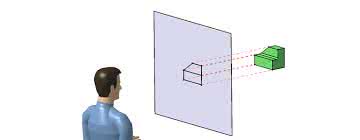
Please put your signature at the bottom of the form.
Veuillez apposer votre signature au bas du formulaire.

projection

/prəˈdʒek.ʃən/

(noun) projection, prévision, affichage

Exemple:
The company's financial projections show steady growth.
Les projections financières de l'entreprise montrent une croissance constante.

benefit

/ˈben.ə.fɪt/

(noun) avantage, bénéfice, profit;

(verb) bénéficier, profiter, avantager

Exemple:

The new policy will bring many benefits to the community.
La nouvelle politique apportera de nombreux avantages à la communauté.

wake

/weɪk/

(verb) se réveiller, réveiller, sillage;

(noun) veillée funèbre, funérailles, sillage

Exemple:
I usually wake up at 7 AM.
Je me réveille habituellement à 7 heures du matin.

impression

/ɪmˈpreʃ.ən/

(noun) impression, imitation, parodie

Exemple:
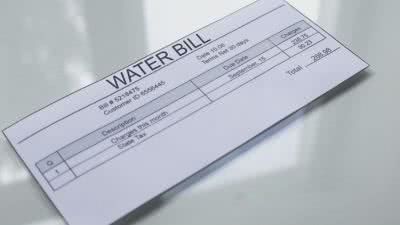
My first impression of him was that he was very kind.
Ma première impression de lui était qu'il était très gentil.

bill

/bɪl/

(noun) facture, addition, projet de loi;

(verb) facturer, annoncer, promouvoir

Exemple:
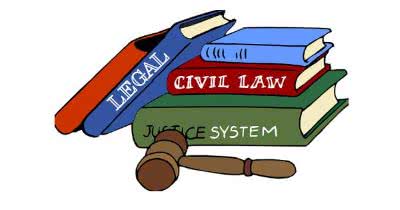
Can I have the bill, please?
Puis-je avoir l'addition, s'il vous plaît?

constitution

/ˌkɑːn.stəˈtuː.ʃən/

(noun) constitution, composition, santé

Exemple:
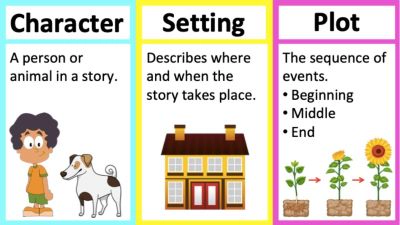
The country adopted a new constitution after the revolution.
Le pays a adopté une nouvelle constitution après la révolution.

plot

/plɑːt/

(noun) complot, machination, intrigue;

(verb) comploter, manigancer, tracer

Exemple:

The police uncovered a plot to overthrow the government.
La police a découvert un complot visant à renverser le gouvernement.

condition

/kənˈdɪʃ.ən/

(noun) état, condition, clause;

(verb) conditionner, préparer

Exemple:
The car is in excellent condition.
La voiture est en excellent état.

adoption

/əˈdɑːp.ʃən/

(noun) adoption, mise en œuvre

Exemple:
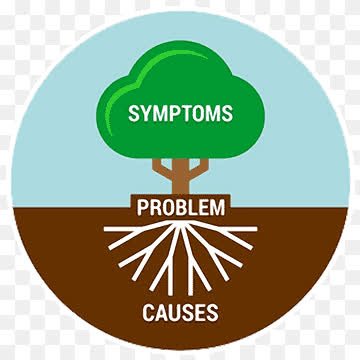
The adoption of new technologies is crucial for progress.
L'adoption de nouvelles technologies est cruciale pour le progrès.

cause

/kɑːz/

(noun) cause, raison, idéal;

(verb) causer, provoquer

Exemple:
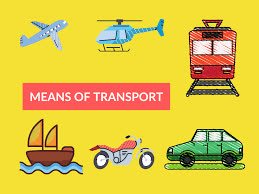
The heavy rain was the cause of the flood.
La forte pluie a été la cause de l'inondation.

means

/miːnz/

(noun) moyen, méthode, moyens;

(verb) signifier, vouloir dire, avoir l'intention de

Exemple:

He achieved his goals by fair means.
Il a atteint ses objectifs par des moyens justes.

impact

/ˈɪm.pækt/

(noun) impact, choc, collision;

(verb) impacter, affecter, influencer

Exemple:

The impact of the car against the tree was severe.
L'impact de la voiture contre l'arbre fut sévère.

vehicle

/ˈviː.ə.kəl/

(noun) véhicule, engin, moyen

Exemple:

The police stopped the vehicle for a routine check.
La police a arrêté le véhicule pour un contrôle de routine.

expression

/ɪkˈspreʃ.ən/

(noun) expression, manifestation, locution

Exemple:

Art is a form of self-expression.
L'art est une forme d'auto-expression.

province

/ˈprɑː.vɪns/

(noun) province, campagne, domaine

Exemple:

Quebec is the largest province in Canada by area.
Le Québec est la plus grande province du Canada en superficie.

draft

/dræft/

(noun) ébauche, brouillon, projet;

(verb) rédiger, ébaucher, recruter

Exemple:

She submitted the first draft of her novel to her editor.
Elle a soumis la première ébauche de son roman à son éditeur.

game

/ɡeɪm/

(noun) jeu, sport, gibier;

(verb) manipuler, tromper;

(adjective) partant, disposé

Exemple:
Let's play a board game tonight.
Jouons à un jeu de société ce soir.

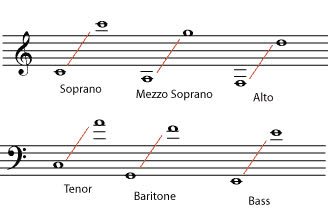
tenor

/ˈten.ɚ/

(noun) ténor, tenor, sens

Exemple:

He has a powerful tenor voice.
Il a une voix de ténor puissante.

gulf

/ɡʌlf/

(noun) golfe, gouffre, abîme

Exemple:

The ship sailed into the gulf.
Le navire a navigué dans le golfe.

propagation

/ˌprɑː.pəˈɡeɪ.ʃən/

(noun) propagation, multiplication, diffusion

Exemple:

The nursery specializes in the propagation of rare orchids.
La pépinière est spécialisée dans la propagation des orchidées rares.

draw

/drɑː/

(verb) dessiner, tracer, tirer;

(noun) match nul, attrait, tirage

Exemple:
She likes to draw animals.
Elle aime dessiner des animaux.

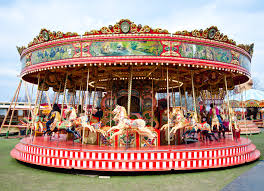
carousel

/ˌker.əˈsel/

(noun) carrousel, manège, tapis roulant à bagages

Exemple:
The children loved riding on the carousel at the fair.
Les enfants ont adoré monter sur le carrousel à la foire.

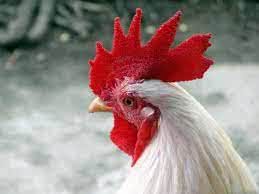
crest

/krest/

(noun) crête, sommet, blason;

(verb) atteindre le sommet, franchir

Exemple:
The rooster had a bright red crest.
Le coq avait une crête rouge vif.

acute

/əˈkjuːt/

(adjective) aiguisé, perspicace, aigu

Exemple:
She has an acute sense of smell.
Elle a un sens de l'odorat aiguisé.

pastoral

/ˈpæs.tɚ.əl/

(adjective) pastoral, champêtre, clérical;

(noun) pastorale, églogue

Exemple:

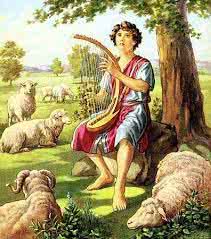
The artist painted a beautiful pastoral scene with sheep and rolling hills.
L'artiste a peint une belle scène pastorale avec des moutons et des collines ondulantes.

intimate

/ˈɪn.tə.mət/

(adjective) intime, proche, privé;

(verb) insinuer, laisser entendre

Exemple:

They shared an intimate dinner.
Ils ont partagé un dîner intime.

fine

/faɪn/

(adjective) beau, excellent, bien;

(noun) amende, contravention;

(verb) infliger une amende, verbaliser;

(adverb) bien, correctement

Exemple:

This is a fine example of ancient pottery.
C'est un bel exemple de poterie ancienne.
Apprendre cet ensemble de vocabulaire sur Lingoland