Avatar of Vocabulary Set Básico 1

Conjunto de vocabulario Básico 1 en Día 12 - Automatización en la fábrica: Lista completa y detallada

El conjunto de vocabulario 'Básico 1' en 'Día 12 - Automatización en la fábrica' está seleccionado cuidadosamente de fuentes de libros de texto estándar internacionales, ayudándote a dominar el vocabulario en poco tiempo. Incluye definiciones completas, ejemplos ilustrativos y pronunciación estándar...

Aprende este conjunto de vocabulario en Lingoland

Aprender ahora
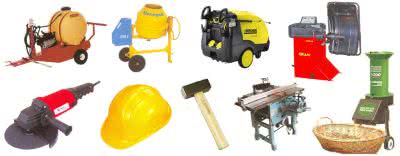
equipment

/ɪˈkwɪp.mənt/

(noun) equipo, material

Ejemplo:

The laboratory is equipped with state-of-the-art equipment.
El laboratorio está equipado con equipo de última generación.

automate

/ˈɑː.t̬ə.meɪt/

(verb) automatizar

Ejemplo:

The factory decided to automate its assembly line to increase efficiency.
La fábrica decidió automatizar su línea de montaje para aumentar la eficiencia.

specification

/ˌspes.ə.fəˈkeɪ.ʃən/

(noun) especificación, detalle, determinación

Ejemplo:
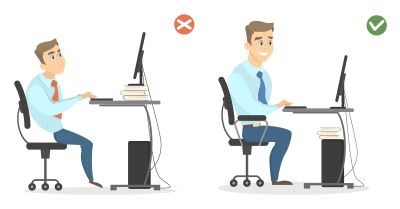
The architect provided detailed specifications for the new building.
El arquitecto proporcionó especificaciones detalladas para el nuevo edificio.

properly

/ˈprɑː.pɚ.li/

(adverb) correctamente, apropiadamente, adecuadamente

Ejemplo:
Make sure you install the software properly.
Asegúrate de instalar el software correctamente.

safety

/ˈseɪf.ti/

(noun) seguridad, seguro, dispositivo de seguridad

Ejemplo:
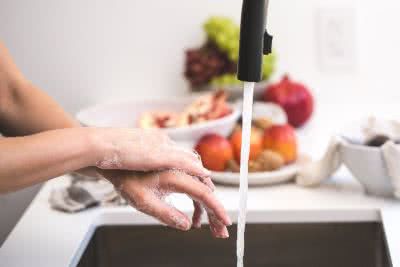
The children's safety is our top priority.
La seguridad de los niños es nuestra máxima prioridad.

precaution

/prɪˈkɑː.ʃən/

(noun) precaución, medida preventiva

Ejemplo:
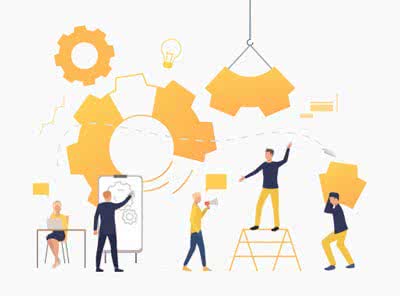
As a precaution, we evacuated the building.
Como precaución, evacuamos el edificio.

operate

/ˈɑː.pə.reɪt/

(verb) operar, manejar, funcionar

Ejemplo:
Can you show me how to operate this new coffee machine?
¿Puedes enseñarme cómo manejar esta nueva cafetera?

processing

/ˈprɑː.ses.ɪŋ/

(noun) procesamiento, elaboración, gestión

Ejemplo:
The factory handles the processing of raw materials into finished goods.
La fábrica se encarga del procesamiento de materias primas en productos terminados.

capacity

/kəˈpæs.ə.t̬i/

(noun) capacidad, aforo, habilidad

Ejemplo:
The hall has a seating capacity of 500 people.
El salón tiene una capacidad para 500 personas.

assemble

/əˈsem.bəl/

(verb) reunir, congregar, ensamblar

Ejemplo:
The students began to assemble in the auditorium for the morning meeting.
Los estudiantes comenzaron a reunirse en el auditorio para la reunión de la mañana.

utilize

/ˈjuː.t̬əl.aɪz/

(verb) utilizar, emplear, aprovechar

Ejemplo:

The company decided to utilize new technology to improve efficiency.
La empresa decidió utilizar nueva tecnología para mejorar la eficiencia.

place

/pleɪs/

(noun) lugar, sitio, casa;

(verb) colocar, poner, ubicar

Ejemplo:
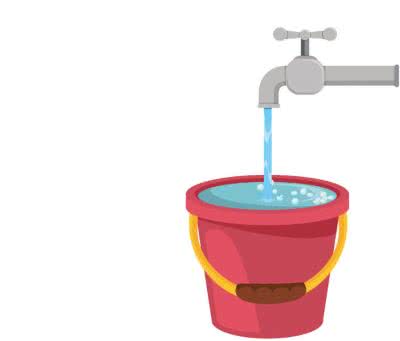
This is a good place to sit.
Este es un buen lugar para sentarse.

fill

/fɪl/

(verb) llenar, rellenar, cubrir;

(noun) relleno, cantidad

Ejemplo:
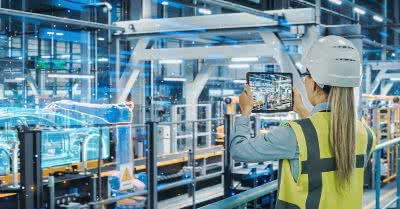
Please fill the bottle with water.
Por favor, llena la botella con agua.

manufacturing

/ˌmæn.jəˈfæk.tʃɚ.ɪŋ/

(noun) manufactura, fabricación, proceso de fabricación

Ejemplo:
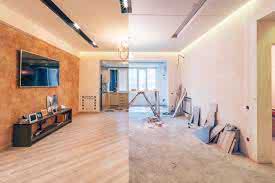
The country's economy relies heavily on manufacturing.
La economía del país depende en gran medida de la manufactura.

renovate

/ˈren.ə.veɪt/

(verb) renovar, restaurar

Ejemplo:

They decided to renovate their old house.
Decidieron renovar su vieja casa.

decision

/dɪˈsɪʒ.ən/

(noun) decisión

Ejemplo:

We need to make a decision soon.
Necesitamos tomar una decisión pronto.

material

/məˈtɪr.i.əl/

(noun) material, sustancia, información;

(adjective) material, sustancial

Ejemplo:

The dress was made of a soft, flowing material.
El vestido estaba hecho de un material suave y fluido.

success

/səkˈses/

(noun) éxito, logro, persona exitosa

Ejemplo:
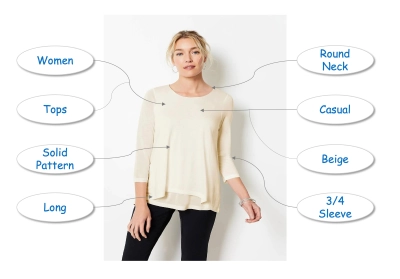
Her hard work led to the success of the project.
Su arduo trabajo llevó al éxito del proyecto.

attribute

/ˈæt.rɪ.bjuːt/

(noun) atributo, cualidad, característica;

(verb) atribuir, achacar

Ejemplo:
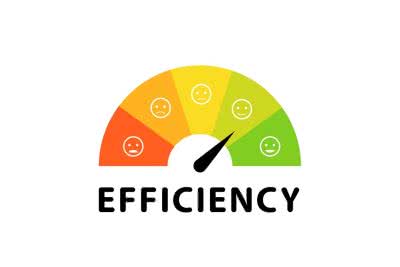
Patience is a key attribute for a teacher.
La paciencia es un atributo clave para un maestro.

efficiency

/ɪˈfɪʃ.ən.si/

(noun) eficiencia, eficacia

Ejemplo:

The new system improved the efficiency of the production line.
El nuevo sistema mejoró la eficiencia de la línea de producción.

limit

/ˈlɪm.ɪt/

(noun) límite, frontera, límite máximo;

(verb) limitar, restringir

Ejemplo:

There's a speed limit on this road.
Hay un límite de velocidad en esta carretera.

tailored

/ˈteɪ.lɚd/

(adjective) hecho a medida, personalizado;

(verb) adaptar, personalizar

Ejemplo:
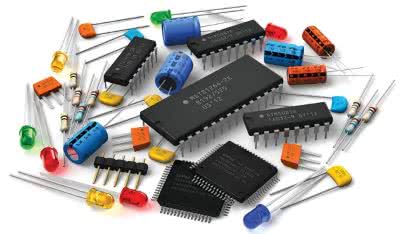
The suit was perfectly tailored to his measurements.
El traje estaba perfectamente hecho a medida para sus medidas.

component

/kəmˈpoʊ.nənt/

(noun) componente, elemento, parte;

(adjective) componente, constitutivo

Ejemplo:

The engine is a crucial component of the car.
El motor es un componente crucial del coche.

capable

/ˈkeɪ.pə.bəl/

(adjective) capaz, competente

Ejemplo:

She is capable of handling difficult situations.
Ella es capaz de manejar situaciones difíciles.

economize

/iˈkɑː.nə.maɪz/

(verb) economizar, ahorrar

Ejemplo:

We need to economize on electricity to save money.
Necesitamos economizar en electricidad para ahorrar dinero.

flexible

/ˈflek.sə.bəl/

(adjective) flexible, maleable, adaptable

Ejemplo:
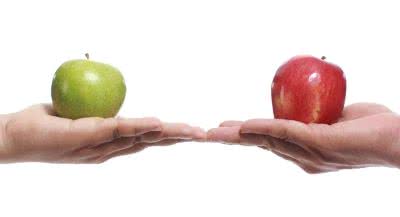
The yoga instructor showed us how to make our bodies more flexible.
El instructor de yoga nos mostró cómo hacer nuestros cuerpos más flexibles.

comparable

/ˈkɑːm.pɚ.ə.bəl/

(adjective) comparable, equivalente

Ejemplo:
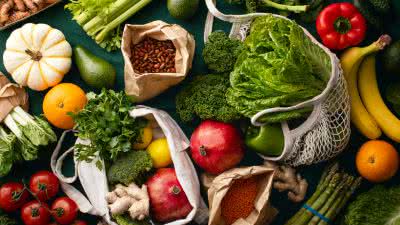
The two products are comparable in price and quality.
Los dos productos son comparables en precio y calidad.

produce

/prəˈduːs/

(verb) producir, fabricar, causar;

(noun) productos, productos agrícolas

Ejemplo:
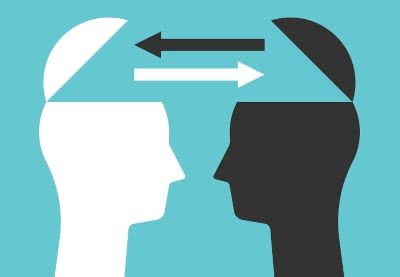
The factory produces cars.
La fábrica produce coches.

respectively

/rɪˈspek.tɪv.li/

(adverb) respectivamente

Ejemplo:

John and Mary scored 85 and 90 points, respectively.
John y Mary obtuvieron 85 y 90 puntos, respectivamente.

device

/dɪˈvaɪs/

(noun) dispositivo, aparato, artificio

Ejemplo:

This new device can translate languages in real-time.
Este nuevo dispositivo puede traducir idiomas en tiempo real.

trim

/trɪm/

(verb) recortar, podar, arreglar;

(noun) ribete, adorno, embellecedor;

(adjective) ordenado, elegante, pulcro

Ejemplo:

She decided to trim her hair short.
Ella decidió recortar su cabello corto.

launch

/lɑːntʃ/

(verb) lanzar, iniciar, disparar;

(noun) lanzamiento, inicio

Ejemplo:

The company plans to launch a new product next quarter.
La empresa planea lanzar un nuevo producto el próximo trimestre.

separately

/ˈsep.ɚ.ət.li/

(adverb) separadamente, por separado

Ejemplo:
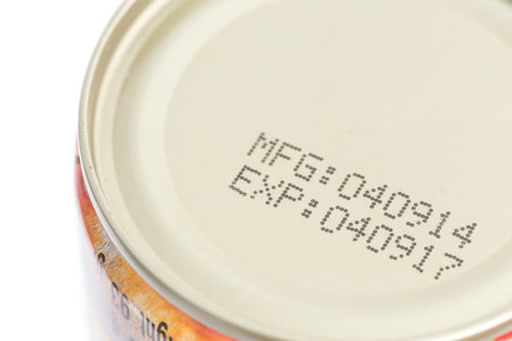
The children were seated separately at different tables.
Los niños estaban sentados separadamente en mesas diferentes.

expiration

/ˌek.spəˈreɪ.ʃən/

(noun) caducidad, vencimiento, espiración

Ejemplo:
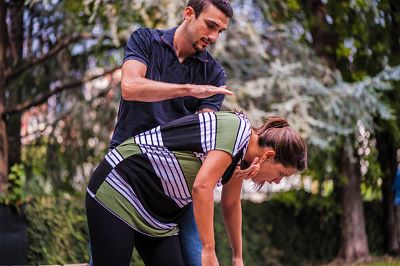
Please check the expiration date on the milk.
Por favor, compruebe la fecha de caducidad en la leche.

maneuver

/məˈnuː.vɚ/

(noun) maniobra, movimiento, estratagema;

(verb) maniobrar, mover con destreza, manipular

Ejemplo:

The pilot performed a difficult aerial maneuver.
El piloto realizó una difícil maniobra aérea.

coming

/ˈkʌm.ɪŋ/

(adjective) próximo, venidero;

(noun) llegada, venida

Ejemplo:

I'll see you next week, on the coming Monday.
Te veré la próxima semana, el próximo lunes.

damaged

/ˈdæm.ɪdʒd/

(adjective) dañado, estropeado, perjudicado

Ejemplo:
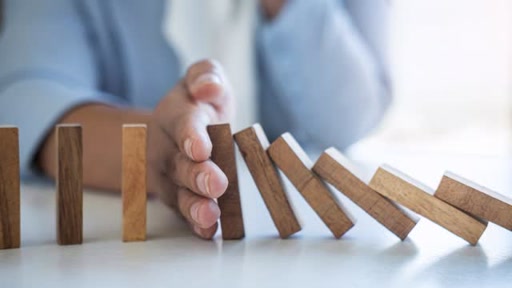
The car was severely damaged in the accident.
El coche resultó gravemente dañado en el accidente.

prevent

/prɪˈvent/

(verb) prevenir, evitar, impedir

Ejemplo:

The new policy aims to prevent fraud.
La nueva política tiene como objetivo prevenir el fraude.

power

/ˈpaʊ.ɚ/

(noun) poder, capacidad, autoridad;

(verb) alimentar, impulsar

Ejemplo:

The engine lacks sufficient power to climb the steep hill.
El motor carece de suficiente potencia para subir la colina empinada.

chemical

/ˈkem.ɪ.kəl/

(noun) producto químico, sustancia química;

(adjective) químico

Ejemplo:

The factory produces various industrial chemicals.
La fábrica produce varios productos químicos industriales.
Aprende este conjunto de vocabulario en Lingoland