Avatar of Vocabulary Set 基本1

12日目 - 工場の自動化 内 基本1 語彙セット:完全かつ詳細なリスト

「12日目 - 工場の自動化」内の「基本1」語彙セットは国際標準教材から厳選され、短期間で語彙をマスターできます。定義、例文、標準発音を網羅…

Lingolandでこの語彙セットを学習

今すぐ学習
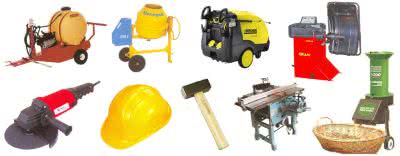
equipment

/ɪˈkwɪp.mənt/

(noun) 設備, 機器, 用具

例:

The laboratory is equipped with state-of-the-art equipment.
その研究所は最新の設備が整っている。

automate

/ˈɑː.t̬ə.meɪt/

(verb) 自動化する

例:

The factory decided to automate its assembly line to increase efficiency.
工場は効率を高めるために組立ラインを自動化することを決定した。

specification

/ˌspes.ə.fəˈkeɪ.ʃən/

(noun) 仕様, 明細, 特定

例:

The architect provided detailed specifications for the new building.
建築家は新しい建物の詳細な仕様書を提供した。

properly

/ˈprɑː.pɚ.li/

(adverb) 適切に, きちんと, 礼儀正しく

例:

Make sure you install the software properly.
ソフトウェアを適切にインストールしてください。

safety

/ˈseɪf.ti/

(noun) 安全, 無事, 安全装置

例:

The children's safety is our top priority.
子供たちの安全が最優先事項です。

precaution

/prɪˈkɑː.ʃən/

(noun) 予防策, 用心

例:

As a precaution, we evacuated the building.
予防策として、私たちは建物を避難させました。

operate

/ˈɑː.pə.reɪt/

(verb) 操作する, 運用する, 機能する

例:

Can you show me how to operate this new coffee machine?
この新しいコーヒーメーカーの操作方法を教えていただけますか?

processing

/ˈprɑː.ses.ɪŋ/

(noun) 加工, 処理

例:

The factory handles the processing of raw materials into finished goods.
工場は原材料を完成品に加工する。

capacity

/kəˈpæs.ə.t̬i/

(noun) 容量, 収容能力, 能力

例:

The hall has a seating capacity of 500 people.
このホールの収容人数は500人です。

assemble

/əˈsem.bəl/

(verb) 集まる, 集合する, 組み立てる

例:

The students began to assemble in the auditorium for the morning meeting.
生徒たちは朝の会議のために講堂に集まり始めた。

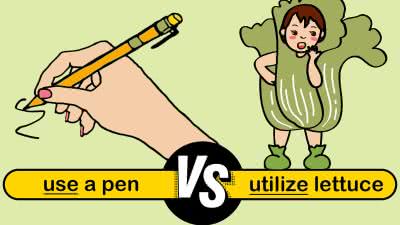
utilize

/ˈjuː.t̬əl.aɪz/

(verb) 活用する, 利用する, 役立てる

例:

The company decided to utilize new technology to improve efficiency.
その会社は効率を改善するために新しい技術を活用することを決定した。

place

/pleɪs/

(noun) 場所, 所, 家;

(verb) 置く, 配置する, 特定する

例:

This is a good place to sit.
ここは座るのに良い場所です。

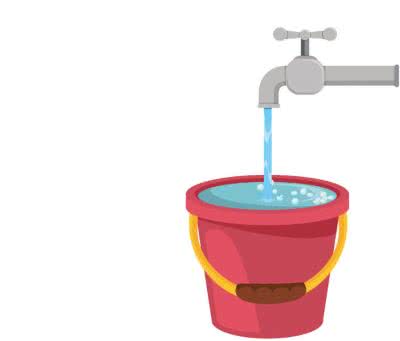
fill

/fɪl/

(verb) 満たす, 埋める, 就任させる;

(noun) 満杯, 量

例:
Please fill the bottle with water.
ボトルに水を満たしてください。

manufacturing

/ˌmæn.jəˈfæk.tʃɚ.ɪŋ/

(noun) 製造, 製造業, 生産工程

例:

The country's economy relies heavily on manufacturing.
その国の経済は製造業に大きく依存している。

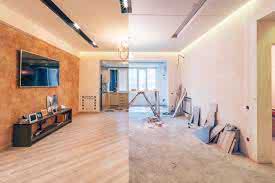
renovate

/ˈren.ə.veɪt/

(verb) 改築する, 改装する

例:

They decided to renovate their old house.
彼らは古い家を改築することにした。

decision

/dɪˈsɪʒ.ən/

(noun) 決定, 決断

例:

We need to make a decision soon.
早く決定を下す必要があります。

material

/məˈtɪr.i.əl/

(noun) 材料, 素材, 資料;

(adjective) 物質的な, 実質的な

例:

The dress was made of a soft, flowing material.
そのドレスは柔らかく流れるような素材でできていた。

success

/səkˈses/

(noun) 成功, 達成, 成功者

例:

Her hard work led to the success of the project.
彼女の努力がプロジェクトの成功につながった。

attribute

/ˈæt.rɪ.bjuːt/

(noun) 属性, 特質;

(verb) 帰する, 原因を求める

例:

Patience is a key attribute for a teacher.
忍耐力は教師にとって重要な属性です。

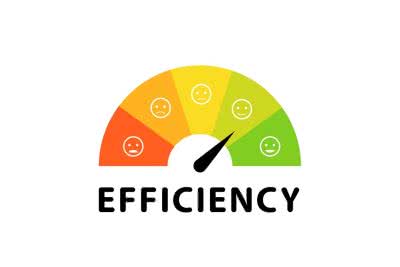
efficiency

/ɪˈfɪʃ.ən.si/

(noun) 効率, 能率

例:

The new system improved the efficiency of the production line.
新しいシステムは生産ラインの効率を向上させた。

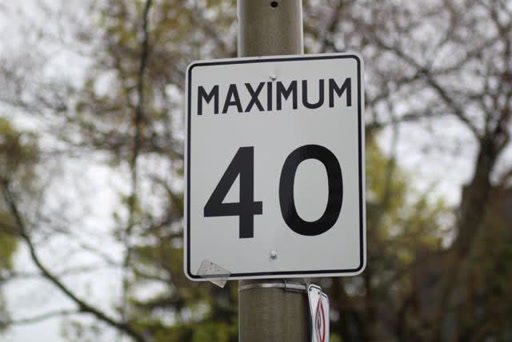
limit

/ˈlɪm.ɪt/

(noun) 限界, 制限, 上限;

(verb) 制限する, 限定する

例:

There's a speed limit on this road.
この道には速度制限があります。

tailored

/ˈteɪ.lɚd/

(adjective) 仕立てられた, 合わせた;

(verb) 合わせる, 調整する

例:
The suit was perfectly tailored to his measurements.
そのスーツは彼の寸法に完璧に仕立てられていた

component

/kəmˈpoʊ.nənt/

(noun) 構成要素, 部品, 成分;

(adjective) 構成する, 成分の

例:

The engine is a crucial component of the car.
エンジンは車の重要な部品です。

capable

/ˈkeɪ.pə.bəl/

(adjective) 能力がある, 有能な, できる

例:

She is capable of handling difficult situations.
彼女は困難な状況に対処する能力がある

economize

/iˈkɑː.nə.maɪz/

(verb) 節約する, 倹約する

例:

We need to economize on electricity to save money.
お金を節約するために電気を節約する必要があります。

flexible

/ˈflek.sə.bəl/

(adjective) 柔軟な, 曲げやすい, 融通の利く

例:

The yoga instructor showed us how to make our bodies more flexible.
ヨガのインストラクターは、体をより柔軟にする方法を教えてくれました。

comparable

/ˈkɑːm.pɚ.ə.bəl/

(adjective) 匹敵する, 比較できる

例:

The two products are comparable in price and quality.
その2つの製品は価格と品質において匹敵する

produce

/prəˈduːs/

(verb) 生産する, 製造する, 生み出す;

(noun) 農産物, 生産物

例:
The factory produces cars.
その工場は車を生産している

respectively

/rɪˈspek.tɪv.li/

(adverb) それぞれ

例:

John and Mary scored 85 and 90 points, respectively.
ジョンとメアリーは、それぞれ85点と90点を獲得しました。

device

/dɪˈvaɪs/

(noun) 装置, 機器, 策略

例:

This new device can translate languages in real-time.
この新しいデバイスはリアルタイムで言語を翻訳できます。

trim

/trɪm/

(verb) 刈り込む, 整える, トリミングする;

(noun) 縁飾り, 飾り, トリム;

(adjective) きちんとした, 整った, 引き締まった

例:

She decided to trim her hair short.
彼女は髪を短く整えることにした。

launch

/lɑːntʃ/

(verb) 発売する, 開始する, 打ち上げる;

(noun) 発売, 打ち上げ

例:

The company plans to launch a new product next quarter.
その会社は来四半期に新製品を発売する予定です。

separately

/ˈsep.ɚ.ət.li/

(adverb) 別々に, 個別に

例:

The children were seated separately at different tables.
子供たちは異なるテーブルに別々に座っていた。

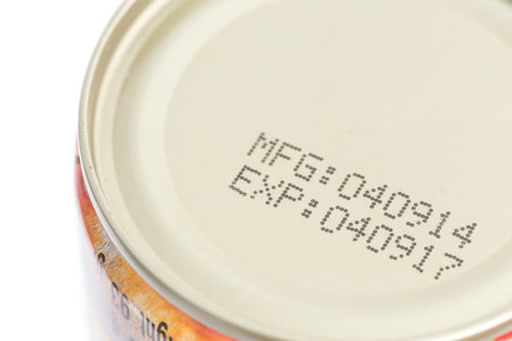
expiration

/ˌek.spəˈreɪ.ʃən/

(noun) 有効期限, 満了, 呼気

例:

Please check the expiration date on the milk.
牛乳の賞味期限を確認してください。

maneuver

/məˈnuː.vɚ/

(noun) 機動, 操作, 策略;

(verb) 操縦する, 巧みに動かす, 画策する

例:

The pilot performed a difficult aerial maneuver.
パイロットは難しい空中機動を行った。

coming

/ˈkʌm.ɪŋ/

(adjective) 来る, 次の;

(noun) 到来, 来ること

例:

I'll see you next week, on the coming Monday.
来週、来る月曜日にお会いしましょう。

damaged

/ˈdæm.ɪdʒd/

(adjective) 損傷した, 傷ついた, 破損した

例:

The car was severely damaged in the accident.
車は事故でひどく損傷した。

prevent

/prɪˈvent/

(verb) 防ぐ, 防止する, 妨げる

例:

The new policy aims to prevent fraud.
新しい政策は詐欺を防止することを目指している。

power

/ˈpaʊ.ɚ/

(noun) 力, 能力, 権力;

(verb) 動かす, 電力を供給する

例:

The engine lacks sufficient power to climb the steep hill.
そのエンジンは急な丘を登るのに十分ながない。

chemical

/ˈkem.ɪ.kəl/

(noun) 化学物質, 化学薬品;

(adjective) 化学の, 化学的な

例:

The factory produces various industrial chemicals.
その工場は様々な工業用化学物質を生産している。
Lingolandでこの語彙セットを学習