
Avatar of Vocabulary Set C1 - Aclarar un Punto

Conjunto de vocabulario C1 - Aclarar un Punto en Nivel C1: Lista completa y detallada

El conjunto de vocabulario 'C1 - Aclarar un Punto' en 'Nivel C1' está seleccionado cuidadosamente de fuentes de libros de texto estándar internacionales, ayudándote a dominar el vocabulario en poco tiempo. Incluye definiciones completas, ejemplos ilustrativos y pronunciación estándar...

Aprende este conjunto de vocabulario en Lingoland

Aprender ahora

advocate

/ˈæd.və.keɪt/

(noun) defensor, partidario, abogado;

(verb) abogar por, defender

Ejemplo:

She is a strong advocate for human rights.
Ella es una fuerte defensora de los derechos humanos.

appraise

/əˈpreɪz/

(verb) tasar, evaluar

Ejemplo:

The ring was appraised at $5,000.
El anillo fue tasado en 5.000 dólares.

assert

/əˈsɝːt/

(verb) afirmar, aseverar, declarar

Ejemplo:

He continued to assert his innocence.
Él continuó afirmando su inocencia.

bias

/ˈbaɪ.əs/

(noun) sesgo, prejuicio, parcialidad;

(verb) sesgar, influir

Ejemplo:

There was a clear bias against women in the hiring process.
Había un claro sesgo contra las mujeres en el proceso de contratación.

calculate

/ˈkæl.kjə.leɪt/

(verb) calcular, estimar, evaluar

Ejemplo:

Can you calculate the total cost?
¿Puedes calcular el costo total?

commit

/kəˈmɪt/

(verb) cometer, comprometerse, dedicarse

Ejemplo:

He was arrested for attempting to commit fraud.
Fue arrestado por intentar cometer fraude.

confer

/kənˈfɝː/

(verb) conferir, otorgar, conferenciar

Ejemplo:

The university will confer an honorary degree upon the visiting dignitary.
La universidad conferirá un título honorífico al dignatario visitante.

conform

/kənˈfɔːrm/

(verb) conformarse a, ajustarse a, conformar

Ejemplo:

All products must conform to safety standards.
Todos los productos deben ajustarse a las normas de seguridad.

contend

/kənˈtend/

(verb) lidiar con, enfrentar, sostener

Ejemplo:

She had to contend with a serious illness.
Tuvo que lidiar con una enfermedad grave.

contradict

/ˌkɑːn.trəˈdɪkt/

(verb) contradecir, desmentir, refutar

Ejemplo:

The witness's testimony seemed to contradict the evidence.
El testimonio del testigo parecía contradecir la evidencia.

contradictory

/ˌkɑːn.trəˈdɪk.tɚ.i/

(adjective) contradictorio, inconsistente

Ejemplo:

The two statements were contradictory.
Las dos declaraciones eran contradictorias.

convert

/kənˈvɝːt/

(verb) convertir, transformar, convertirse;

(noun) converso, neófito

Ejemplo:

They decided to convert the old barn into a guesthouse.
Decidieron convertir el viejo granero en una casa de huéspedes.

deduce

/dɪˈduːs/

(verb) deducir, inferir

Ejemplo:

From the evidence, we can deduce that he was the culprit.
De la evidencia, podemos deducir que él fue el culpable.

deem

/diːm/

(verb) considerar, juzgar

Ejemplo:

The area has been deemed safe.
El área ha sido considerada segura.

dispute

/dɪˈspjuːt/

(noun) disputa, controversia, debate;

(verb) disputar, contestar, debatir

Ejemplo:

The border dispute between the two countries escalated.
La disputa fronteriza entre los dos países escaló.

echo

/ˈek.oʊ/

(noun) eco, repetición;

(verb) resonar, hacer eco, reflejar

Ejemplo:

The cave produced a clear echo.
La cueva produjo un eco claro.

anti

/ˈæn.t̬i/

(adjective) anti, contra;

(noun) anti, opositor;

(prefix) anti, contra

Ejemplo:

She is anti-war.
Ella es anti-guerra.

affirmative

/əˈfɝː.mə.t̬ɪv/

(adjective) afirmativo, positivo;

(noun) afirmativo, sí

Ejemplo:

Her answer was an affirmative nod.
Su respuesta fue un asentimiento afirmativo.

challenging

/ˈtʃæl.ɪn.dʒɪŋ/

(adjective) desafiante, difícil

Ejemplo:

Learning a new language can be very challenging.
Aprender un nuevo idioma puede ser muy desafiante.

credible

/ˈkred.ə.bəl/

(adjective) creíble, fiable, sólido

Ejemplo:

The witness provided a credible account of the accident.
El testigo proporcionó un relato creíble del accidente.

debatable

/dɪˈbeɪ.t̬ə.bəl/

(adjective) debatible, discutible

Ejemplo:

Whether he is the best player is debatable.
Si es el mejor jugador es debatible.

pronounced

/prəˈnaʊnst/

(adjective) pronunciado, marcado;

(past participle) pronunciado, declarado

Ejemplo:

She had a pronounced limp after the accident.
Tenía una cojera pronunciada después del accidente.

then again

/ðen əˈɡen/

(phrase) pero por otro lado, entonces de nuevo

Ejemplo:

I don't really like crowded places. Then again, I haven't been to a concert in ages.
Realmente no me gustan los lugares concurridos. Pero, por otro lado, no he ido a un concierto en años.

arguably

/ˈɑːrɡ.ju.ə.bli/

(adverb) posiblemente, discutiblemente

Ejemplo:

He is arguably the best player on the team.
Él es posiblemente el mejor jugador del equipo.

favorably

/ˈfeɪ.vɚ.ə.bli/

(adverb) favorablemente, positivamente

Ejemplo:

The committee reviewed the proposal favorably.
El comité revisó la propuesta favorablemente.

as a matter of fact

/æz ə ˈmæt.ər əv fækt/

(phrase) de hecho, en realidad

Ejemplo:

I thought he was angry, but as a matter of fact, he was quite pleased.
Pensé que estaba enojado, pero de hecho, estaba bastante complacido.

at the same time

/æt ðə seɪm taɪm/

(phrase) al mismo tiempo, simultáneamente, sin embargo

Ejemplo:
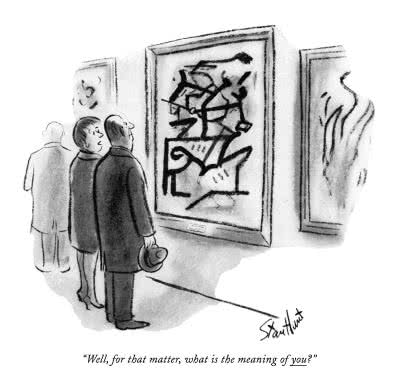
They arrived at the same time.
Llegaron al mismo tiempo.

for that matter

/fɔːr ðæt ˈmæt.ər/

(idiom) para el caso, a propósito

Ejemplo:

I don't like his music, or his movies for that matter.
No me gusta su música, ni sus películas para el caso.

as far as someone (something) is concerned

/æz fɑːr æz ˈsʌmwʌn (ˈsʌmθɪŋ) ɪz kənˈsɜːrnd/

(idiom) en lo que respecta a, en cuanto a

Ejemplo:

As far as I'm concerned, it's a great idea.
En lo que a mí respecta, es una gran idea.

fight out

/faɪt aʊt/

(phrasal verb) resolver, luchar por

Ejemplo:

They decided to fight out their differences in court.
Decidieron resolver sus diferencias en los tribunales.

clash

/klæʃ/

(noun) choque, estruendo, tintineo;

(verb) chocar, entrechocar, tintinear

Ejemplo:

The swords met with a loud clash.
Las espadas se encontraron con un fuerte choque.

confrontation

/ˌkɑːn.frənˈteɪ.ʃən/

(noun) confrontación, enfrentamiento, exposición

Ejemplo:

The police tried to avoid a direct confrontation with the protesters.
La policía intentó evitar una confrontación directa con los manifestantes.

consciousness

/ˈkɑːn.ʃəs.nəs/

(noun) conciencia, conocimiento, percepción

Ejemplo:

He lost consciousness after hitting his head.
Perdió el conocimiento después de golpearse la cabeza.

consistency

/kənˈsɪs.tən.si/

(noun) consistencia, uniformidad, coherencia

Ejemplo:

The team needs to show more consistency in their performance.
El equipo necesita mostrar más consistencia en su rendimiento.

conviction

/kənˈvɪk.ʃən/

(noun) condena, sentencia, convicción

Ejemplo:

The jury returned a conviction after only two hours of deliberation.
El jurado emitió una condena después de solo dos horas de deliberación.

critique

/krɪˈtiːk/

(noun) crítica, análisis;

(verb) criticar, analizar

Ejemplo:

The professor provided a thorough critique of the student's essay.
El profesor proporcionó una crítica exhaustiva del ensayo del estudiante.

don't-know

/doʊntˈnoʊ/

(noun) no-sabe, indeciso, ignorante

Ejemplo:
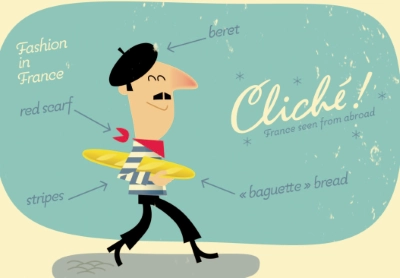
He's a bit of a don't-know when it comes to politics.
Es un poco un no-sabe en cuanto a política.

cliché

/kliːˈʃeɪ/

(noun) cliché, tópico;

(verb) clichar, usar clichés

Ejemplo:

The movie was full of romantic clichés.
La película estaba llena de clichés románticos.

double-edged

/ˌdʌb.əlˈedʒd/

(adjective) de doble filo, de dos filos, con dos caras

Ejemplo:
He wielded a double-edged sword in battle.
Blandió una espada de doble filo en la batalla.

to that effect

/tə ðæt ɪˈfekt/

(phrase) en ese sentido, a tal efecto

Ejemplo:

She said something to that effect, but I don't remember the exact words.
Ella dijo algo en ese sentido, pero no recuerdo las palabras exactas.

okey-dokey

/ˌoʊ.kiˈdoʊ.ki/

(exclamation) okey-dokey, de acuerdo

Ejemplo:
“Can you finish this report by noon?” “Okey-dokey!”
“¿Puedes terminar este informe para el mediodía?” “¡Okey-dokey!”

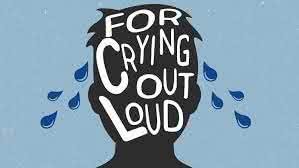
for crying out loud

/fɔː ˌkraɪ.ɪŋ aʊt ˈlaʊd/

(exclamation) por el amor de Dios, por Dios

Ejemplo:

Oh, for crying out loud, just tell me what you want!
¡Oh, por el amor de Dios, solo dime lo que quieres!
Aprende este conjunto de vocabulario en Lingoland