
Power and Ruling Vocabulary Set in SAT Humanities: Full and Detailed List
The 'Power and Ruling' vocabulary set in 'SAT Humanities' is carefully selected from standard international textbook sources, helping you master vocabulary in a short time. Comprehensive compilation of definitions, illustrative examples, and standard pronunciation...
Learn this vocabulary set on Lingoland
Learn Now
/əˈliː.dʒəns/
Example:
Citizens must pledge allegiance to their country.

/koʊ.əˈlɪʃ.ən/
Example:
The two parties formed a coalition government.

/ˈlɑː.bi/
Example:
The gun lobby is very powerful in this country.

/ˈæl.aɪ/
Example:
During the war, several nations formed an ally against the common enemy.
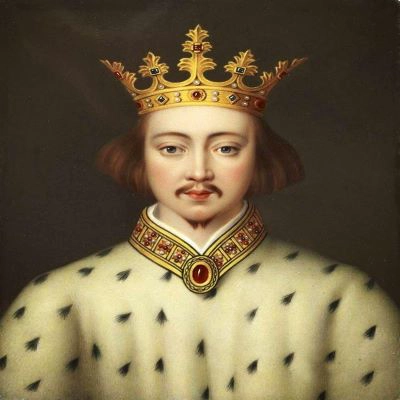
/ˈmɑː.nɚk/
Example:
The monarch delivered a speech to the nation.
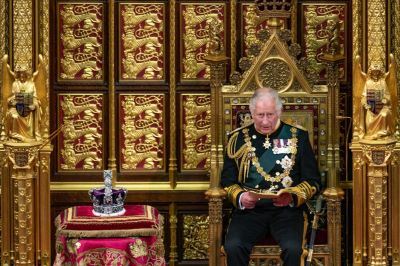
/əkˈseʃ.ən/
Example:
The queen's accession to the throne was celebrated with great pomp.

/səkˈses.ɚ/
Example:
The vice president is the natural successor to the president.
/ˈdaɪ.nə.sti/
Example:
The Ming dynasty ruled China for nearly 300 years.

/ˈdes.pə.tɪ.zəm/
Example:
The country suffered under decades of despotism.

/ˈdɪk.teɪ.t̬ɚ/
Example:
The country was ruled by a ruthless dictator for decades.
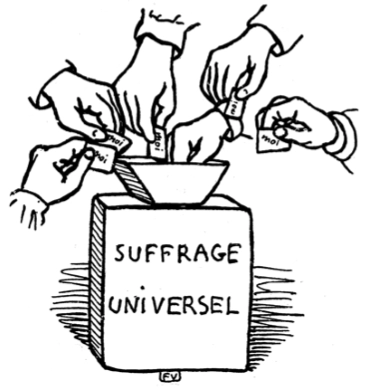
/ˈsʌf.rɪdʒ/
Example:
Women's suffrage was a major achievement in the fight for equality.

/rɪˈfɔːrm/
Example:
The government promised significant reform in the education system.
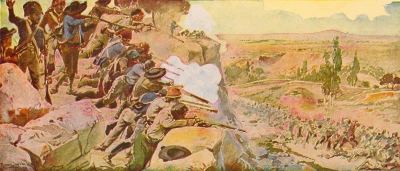
/ɡəˈrɪl.ə/
Example:
The guerrilla fighters launched a surprise attack on the enemy convoy.
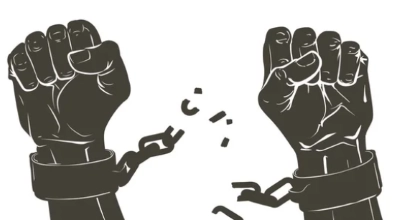
/rɪˈbel.i.ən/
Example:
The peasants rose in rebellion against the oppressive king.

/ˈmjuː.tən.i/
Example:
The sailors were punished for their part in the mutiny.

/rɪˈvoʊlt/
Example:
The people decided to revolt against the oppressive regime.
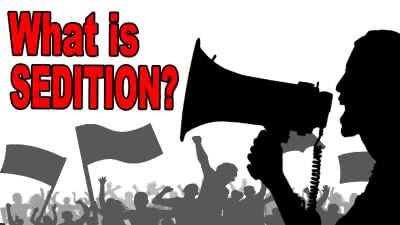
/səˈdɪʃ.ən/
Example:
He was arrested on charges of sedition.

/ˈʌpˌraɪ.zɪŋ/
Example:
The government quickly suppressed the peasant uprising.
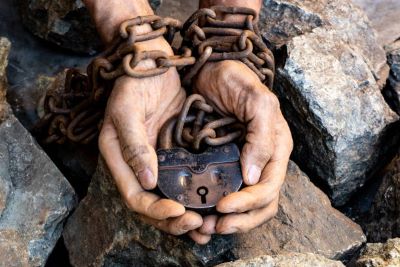
/ˈsɝː.və.tuːd/
Example:
He was sentenced to life in penal servitude.
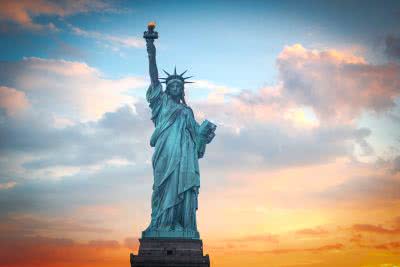
/ˈlɪb.ɚ.t̬i/
Example:
The country fought for its liberty and independence.

/ˌlɪb.əˈreɪ.ʃən/
Example:
The liberation of the city was celebrated by all.
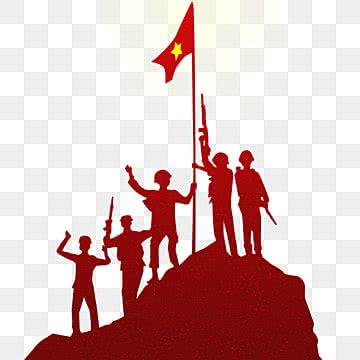
/ˌɪn.dɪˈpen.dəns/
Example:
The country gained its independence in 1960.

/reɪˈʒiːm/
Example:
The military regime suppressed all dissent.

/tɪˈræn.ɪ.kəl/
Example:
The people suffered under his tyrannical rule.
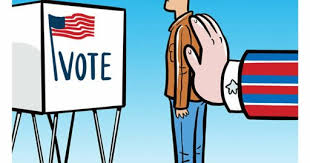
/ˈmæn.də.tɔːr.i/
Example:
Wearing a helmet is mandatory for all cyclists.

/səˈdɪʃ.əs/
Example:
The government arrested the activist for making seditious speeches.
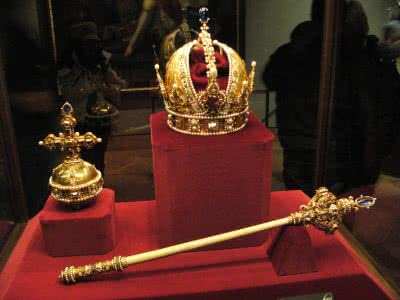
/ɪmˈpɪr.i.əl/
Example:
The Roman Empire had a vast imperial army.

/ˈneɪ.vəl/
Example:
The country has a strong naval fleet.

/rɪˈlɪŋ.kwɪʃ/
Example:
He was forced to relinquish control of the company.
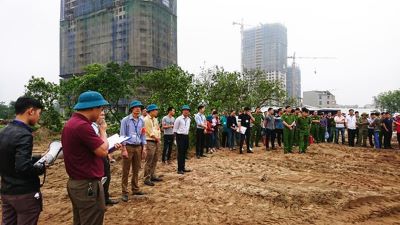
/ˌkɑː.mənˈdɪr/
Example:
The soldiers had to commandeer several private vehicles to transport the wounded.
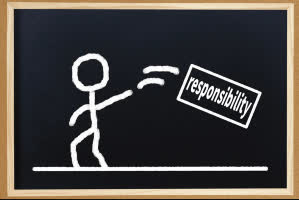
/ˈæb.də.keɪt/
Example:
The king decided to abdicate the throne in favor of his son.

/ɪnˈfɔːrs/
Example:
The police are responsible for enforcing traffic laws.

/kəˈmænd/
Example:
The officer gave a clear command to his troops.
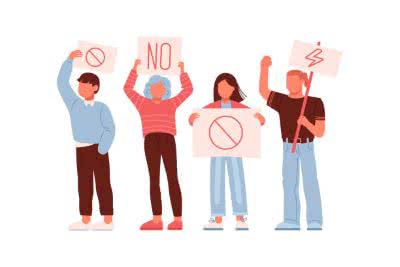
/ˈbɔɪ.kɑːt/
Example:
Consumers threatened to boycott the company's products.

/ˈdɑː.mə.neɪt/
Example:
The company has managed to dominate the market.

/juːˈsɝːp/
Example:
The prince attempted to usurp the throne from his brother.
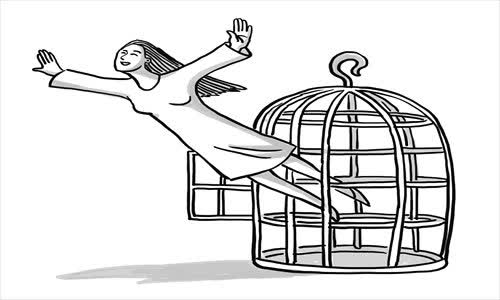
/ɪnˈtaɪ.t̬əl/
Example:
The pass entitles you to free entry.
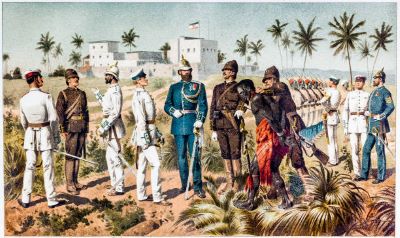
/ˈkɑː.lə.naɪz/
Example:
The European powers sought to colonize new lands for resources and trade.
/ˈræt̬.ə.faɪ/
Example:
The treaty was ratified by all member states.

/ˈsæŋk.ʃən/
Example:
The government gave its sanction to the new trade agreement.

/ˌoʊ.vɚˈruːl/
Example:
The judge decided to overrule the objection.

/ˈæn.ɪks/
Example:
The report had a detailed appendix annexed at the end.

/ˈdaʊnˌtrɑː.dən/
Example:
The novel tells the story of the downtrodden peasants.