Avatar of Vocabulary Set 権力と統治

人文科学に関連するSAT語彙 内 権力と統治 語彙セット:完全かつ詳細なリスト

「人文科学に関連するSAT語彙」内の「権力と統治」語彙セットは国際標準教材から厳選され、短期間で語彙をマスターできます。定義、例文、標準発音を網羅…

Lingolandでこの語彙セットを学習

今すぐ学習

allegiance

/əˈliː.dʒəns/

(noun) 忠誠, 忠義

例:

Citizens must pledge allegiance to their country.
市民は自国に忠誠を誓わなければならない。

coalition

/koʊ.əˈlɪʃ.ən/

(noun) 連立, 連合

例:

The two parties formed a coalition government.
両党は連立政権を樹立した。

lobby

/ˈlɑː.bi/

(noun) ロビー, 圧力団体, 玄関ホール;

(verb) ロビー活動をする, 働きかける

例:

The gun lobby is very powerful in this country.
ロビーはこの国で非常に強力です。

ally

/ˈæl.aɪ/

(noun) 同盟国, 味方, 支援者;

(verb) 提携する, 同盟する

例:

During the war, several nations formed an ally against the common enemy.
戦争中、いくつかの国は共通の敵に対して同盟国を結成した。

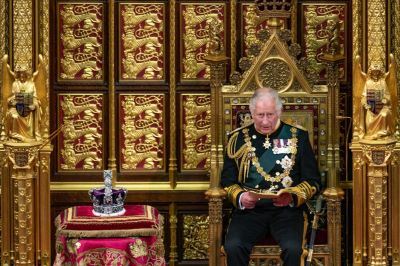
monarch

/ˈmɑː.nɚk/

(noun) 君主, 国王, 女王

例:

The monarch delivered a speech to the nation.
君主は国民に演説を行った。

accession

/əkˈseʃ.ən/

(noun) 即位, 就任, 昇進

例:

The queen's accession to the throne was celebrated with great pomp.
女王の即位は盛大な式典で祝われた。

successor

/səkˈses.ɚ/

(noun) 後継者, 後任

例:

The vice president is the natural successor to the president.
副大統領は大統領の当然の後継者である。

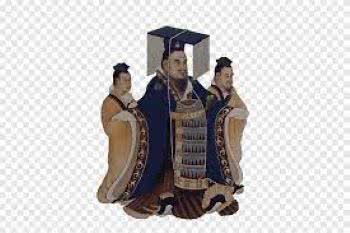
dynasty

/ˈdaɪ.nə.sti/

(noun) 王朝, 名家

例:

The Ming dynasty ruled China for nearly 300 years.
明朝は中国を約300年間統治しました。

despotism

/ˈdes.pə.tɪ.zəm/

(noun) 専制政治, 独裁

例:

The country suffered under decades of despotism.
その国は何十年もの間、専制政治に苦しんだ。

dictator

/ˈdɪk.teɪ.t̬ɚ/

(noun) 独裁者

例:

The country was ruled by a ruthless dictator for decades.
その国は何十年もの間、冷酷な独裁者によって支配されていた。

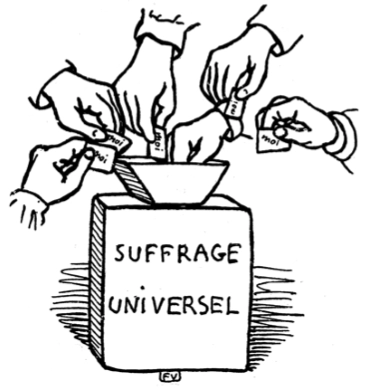
suffrage

/ˈsʌf.rɪdʒ/

(noun) 参政権, 選挙権, 投票

例:

Women's suffrage was a major achievement in the fight for equality.
女性の参政権は、平等のための闘いにおける大きな成果でした。

reform

/rɪˈfɔːrm/

(noun) 改革, 改善;

(verb) 改革する, 改善する, 更生させる

例:
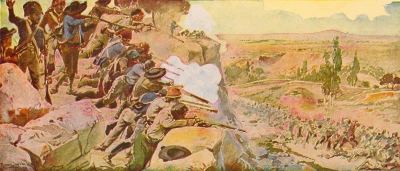
The government promised significant reform in the education system.
政府は教育制度の抜本的な改革を約束した。

guerrilla

/ɡəˈrɪl.ə/

(noun) ゲリラ, ゲリラ兵;

(adjective) ゲリラの, ゲリラ戦の

例:
The guerrilla fighters launched a surprise attack on the enemy convoy.
ゲリラ兵は敵の輸送隊に奇襲攻撃を仕掛けた。

rebellion

/rɪˈbel.i.ən/

(noun) 反乱, 暴動, 謀反

例:

The peasants rose in rebellion against the oppressive king.
農民たちは抑圧的な王に対して反乱を起こした。

mutiny

/ˈmjuː.tən.i/

(noun) 反乱, 暴動;

(verb) 反乱を起こす

例:

The sailors were punished for their part in the mutiny.
水兵たちは反乱に加担したとして処罰された。

revolt

/rɪˈvoʊlt/

(verb) 反乱を起こす, 反抗する, むかつかせる;

(noun) 反乱, 暴動

例:

The people decided to revolt against the oppressive regime.
人々は抑圧的な政権に反乱を起こすことを決めた。

sedition

/səˈdɪʃ.ən/

(noun) 扇動, 反乱, 暴動

例:

He was arrested on charges of sedition.
彼は扇動罪で逮捕された。

uprising

/ˈʌpˌraɪ.zɪŋ/

(noun) 蜂起, 反乱, 暴動

例:

The government quickly suppressed the peasant uprising.
政府は農民の蜂起を迅速に鎮圧した。

servitude

/ˈsɝː.və.tuːd/

(noun) 隷属, 奴隷状態, 強制労働

例:

He was sentenced to life in penal servitude.
彼は終身の強制労働刑に処された。

liberty

/ˈlɪb.ɚ.t̬i/

(noun) 自由, 裁量, 休暇

例:

The country fought for its liberty and independence.
その国は自由と独立のために戦った。

liberation

/ˌlɪb.əˈreɪ.ʃən/

(noun) 解放, 釈放, 解放運動

例:

The liberation of the city was celebrated by all.
都市の解放は皆に祝われた。

independence

/ˌɪn.dɪˈpen.dəns/

(noun) 独立, 自立

例:

The country gained its independence in 1960.
その国は1960年に独立を達成した。

regime

/reɪˈʒiːm/

(noun) 政権, 体制, 制度

例:

The military regime suppressed all dissent.
軍事政権はすべての反対意見を抑圧した。

tyrannical

/tɪˈræn.ɪ.kəl/

(adjective) 暴虐な, 専制的な

例:

The people suffered under his tyrannical rule.
人々は彼の暴虐な統治の下で苦しんだ。

mandatory

/ˈmæn.də.tɔːr.i/

(adjective) 義務的な, 強制的な, 必須の

例:

Wearing a helmet is mandatory for all cyclists.
ヘルメットの着用はすべてのサイクリストにとって義務的です。

seditious

/səˈdɪʃ.əs/

(adjective) 扇動的な, 反乱をそそる

例:

The government arrested the activist for making seditious speeches.
政府は扇動的な演説を行ったとして活動家を逮捕した。

imperial

/ɪmˈpɪr.i.əl/

(adjective) 帝国の, 皇帝の, ヤード・ポンド法の

例:

The Roman Empire had a vast imperial army.
ローマ帝国には広大な帝国軍があった。

naval

/ˈneɪ.vəl/

(adjective) 海軍の, 船舶の

例:

The country has a strong naval fleet.
その国は強力な海軍艦隊を持っている。

relinquish

/rɪˈlɪŋ.kwɪʃ/

(verb) 放棄する, 手放す

例:

He was forced to relinquish control of the company.
彼は会社の支配権を放棄せざるを得なかった。

commandeer

/ˌkɑː.mənˈdɪr/

(verb) 徴用する, 接収する

例:

The soldiers had to commandeer several private vehicles to transport the wounded.
兵士たちは負傷者を運ぶために数台の民間車両を徴用しなければならなかった。

abdicate

/ˈæb.də.keɪt/

(verb) 退位する, 放棄する

例:

The king decided to abdicate the throne in favor of his son.
王は息子のために王位を退くことを決めた。

enforce

/ɪnˈfɔːrs/

(verb) 施行する, 強制する

例:

The police are responsible for enforcing traffic laws.
警察は交通法規を施行する責任がある。

command

/kəˈmænd/

(noun) 命令, 指令, 支配;

(verb) 命令する, 指揮する, 支配する

例:

The officer gave a clear command to his troops.
将校は部隊に明確な命令を下した。

boycott

/ˈbɔɪ.kɑːt/

(verb) ボイコットする, ボイコット;

(noun) ボイコット

例:

Consumers threatened to boycott the company's products.
消費者はその会社の製品をボイコットすると脅した。

dominate

/ˈdɑː.mə.neɪt/

(verb) 支配する, 優位に立つ, 目立つ

例:

The company has managed to dominate the market.
その会社は市場を支配することに成功した。

usurp

/juːˈsɝːp/

(verb) 奪う, 横領する

例:

The prince attempted to usurp the throne from his brother.
王子は兄から王位を奪おうとした。

entitle

/ɪnˈtaɪ.t̬əl/

(verb) 権利を与える, 資格を与える, 題する

例:

The pass entitles you to free entry.
そのパスは無料入場を許可します。

colonize

/ˈkɑː.lə.naɪz/

(verb) 植民地化する, コロニー形成する, 定着する

例:

The European powers sought to colonize new lands for resources and trade.
ヨーロッパ列強は資源と貿易のために新しい土地を植民地化しようとした。

ratify

/ˈræt̬.ə.faɪ/

(verb) 批准する, 承認する

例:

The treaty was ratified by all member states.
その条約はすべての加盟国によって批准された

sanction

/ˈsæŋk.ʃən/

(noun) 承認, 許可, 制裁;

(verb) 承認する, 許可する, 制裁する

例:

The government gave its sanction to the new trade agreement.
政府は新しい貿易協定に承認を与えた。

overrule

/ˌoʊ.vɚˈruːl/

(verb) 却下する, 覆す, 無効にする

例:

The judge decided to overrule the objection.
裁判官は異議を却下することを決定した。

annex

/ˈæn.ɪks/

(verb) 添付する, 追加する, 併合する;

(noun) 別館, 付属建物

例:

The report had a detailed appendix annexed at the end.
報告書には詳細な付録が最後に添付されていた。

downtrodden

/ˈdaʊnˌtrɑː.dən/

(adjective) 虐げられた, 踏みにじられた

例:

The novel tells the story of the downtrodden peasants.
その小説は虐げられた農民たちの物語を語っている。
Lingolandでこの語彙セットを学習