Avatar of Vocabulary Set 权力与治理

词汇集 权力与治理(属于 SAT人文相关词汇):完整且详细的清单

词汇集「权力与治理」(属于「SAT人文相关词汇」)从国际标准教材来源精心挑选,帮助您在短时间内掌握词汇。全面汇整定义、例句及标准发音…

在 Lingoland 学习此词汇集

立即学习

allegiance

/əˈliː.dʒəns/

(noun) 效忠, 忠诚

示例:

Citizens must pledge allegiance to their country.
公民必须宣誓效忠他们的国家。

coalition

/koʊ.əˈlɪʃ.ən/

(noun) 联盟, 联合

示例:

The two parties formed a coalition government.
两党组建了联合政府。

lobby

/ˈlɑː.bi/

(noun) 游说团, 利益集团, 大堂;

(verb) 游说, 施加影响

示例:

The gun lobby is very powerful in this country.
枪支游说团在这个国家势力很大。

ally

/ˈæl.aɪ/

(noun) 盟友, 同盟国, 支持者;

(verb) 结盟, 联合

示例:

During the war, several nations formed an ally against the common enemy.
战争期间,几个国家结成同盟对抗共同的敌人。

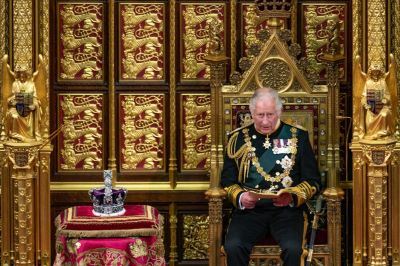
monarch

/ˈmɑː.nɚk/

(noun) 君主, 国王, 女王

示例:

The monarch delivered a speech to the nation.
君主向全国发表了讲话。

accession

/əkˈseʃ.ən/

(noun) 登基, 就任, 继位

示例:

The queen's accession to the throne was celebrated with great pomp.
女王的登基典礼隆重举行。

successor

/səkˈses.ɚ/

(noun) 继任者, 接替者

示例:

The vice president is the natural successor to the president.
副总统是总统的当然继任者

dynasty

/ˈdaɪ.nə.sti/

(noun) 王朝, 朝代, 世家

示例:

The Ming dynasty ruled China for nearly 300 years.
明朝统治中国近300年。

despotism

/ˈdes.pə.tɪ.zəm/

(noun) 专制, 暴政

示例:

The country suffered under decades of despotism.
这个国家在数十年的专制统治下遭受苦难。

dictator

/ˈdɪk.teɪ.t̬ɚ/

(noun) 独裁者

示例:

The country was ruled by a ruthless dictator for decades.
这个国家被一个残暴的独裁者统治了几十年。

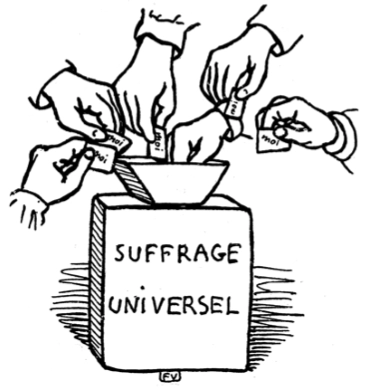
suffrage

/ˈsʌf.rɪdʒ/

(noun) 选举权, 投票权, 投票

示例:

Women's suffrage was a major achievement in the fight for equality.
妇女选举权是争取平等斗争中的一项重大成就。

reform

/rɪˈfɔːrm/

(noun) 改革, 改进;

(verb) 改革, 改进, 改造

示例:

The government promised significant reform in the education system.
政府承诺对教育系统进行重大改革

guerrilla

/ɡəˈrɪl.ə/

(noun) 游击队, 游击队员;

(adjective) 游击的, 游击战的

示例:
The guerrilla fighters launched a surprise attack on the enemy convoy.
游击队对敌方车队发动了突袭。

rebellion

/rɪˈbel.i.ən/

(noun) 叛乱, 反抗, 造反

示例:

The peasants rose in rebellion against the oppressive king.
农民们起来反抗暴君。

mutiny

/ˈmjuː.tən.i/

(noun) 兵变, 叛乱;

(verb) 兵变, 反叛

示例:

The sailors were punished for their part in the mutiny.
水手们因参与兵变而受到惩罚。

revolt

/rɪˈvoʊlt/

(verb) 反抗, 造反, 使厌恶;

(noun) 反抗, 起义

示例:

The people decided to revolt against the oppressive regime.
人民决定反抗压迫性政权。

sedition

/səˈdɪʃ.ən/

(noun) 煽动叛乱, 煽动

示例:

He was arrested on charges of sedition.
他因煽动叛乱罪被捕。

uprising

/ˈʌpˌraɪ.zɪŋ/

(noun) 起义, 叛乱, 暴动

示例:

The government quickly suppressed the peasant uprising.
政府迅速镇压了农民起义

servitude

/ˈsɝː.və.tuːd/

(noun) 奴役, 苦役, 奴隶状态

示例:

He was sentenced to life in penal servitude.
他被判处终身苦役

liberty

/ˈlɪb.ɚ.t̬i/

(noun) 自由, 自主权, 休假

示例:

The country fought for its liberty and independence.
这个国家为自由和独立而战。

liberation

/ˌlɪb.əˈreɪ.ʃən/

(noun) 解放, 释放, 解放运动

示例:

The liberation of the city was celebrated by all.
城市的解放得到了所有人的庆祝。

independence

/ˌɪn.dɪˈpen.dəns/

(noun) 独立, 自主

示例:

The country gained its independence in 1960.
该国于1960年获得独立

regime

/reɪˈʒiːm/

(noun) 政权, 体制, 制度

示例:

The military regime suppressed all dissent.
军事政权镇压了所有异议。

tyrannical

/tɪˈræn.ɪ.kəl/

(adjective) 专横的, 残暴的

示例:

The people suffered under his tyrannical rule.
人民在他的专横统治下受苦。

mandatory

/ˈmæn.də.tɔːr.i/

(adjective) 强制性的, 义务的, 必须的

示例:

Wearing a helmet is mandatory for all cyclists.
所有骑自行车的人都必须戴头盔。

seditious

/səˈdɪʃ.əs/

(adjective) 煽动性的, 反抗政府的

示例:

The government arrested the activist for making seditious speeches.
政府因该活动家发表煽动性演讲而将其逮捕。

imperial

/ɪmˈpɪr.i.əl/

(adjective) 帝国的, 皇帝的, 英制的

示例:

The Roman Empire had a vast imperial army.
罗马帝国拥有一支庞大的帝国军队。

naval

/ˈneɪ.vəl/

(adjective) 海军的, 军舰的

示例:

The country has a strong naval fleet.
该国拥有一支强大的海军舰队。

relinquish

/rɪˈlɪŋ.kwɪʃ/

(verb) 放弃, 交出

示例:

He was forced to relinquish control of the company.
他被迫放弃对公司的控制权。

commandeer

/ˌkɑː.mənˈdɪr/

(verb) 征用, 强占

示例:

The soldiers had to commandeer several private vehicles to transport the wounded.
士兵们不得不征用了几辆私家车来运送伤员。

abdicate

/ˈæb.də.keɪt/

(verb) 退位, 放弃

示例:

The king decided to abdicate the throne in favor of his son.
国王决定退位,将王位让给儿子。

enforce

/ɪnˈfɔːrs/

(verb) 执行, 强制

示例:

The police are responsible for enforcing traffic laws.
警察负责执行交通法规。

command

/kəˈmænd/

(noun) 命令, 指令, 控制;

(verb) 命令, 指挥, 控制

示例:

The officer gave a clear command to his troops.
军官向他的部队下达了明确的命令

boycott

/ˈbɔɪ.kɑːt/

(verb) 抵制, 杯葛;

(noun) 抵制, 杯葛

示例:

Consumers threatened to boycott the company's products.
消费者威胁要抵制该公司的产品。

dominate

/ˈdɑː.mə.neɪt/

(verb) 主导, 支配, 突出

示例:

The company has managed to dominate the market.
该公司已成功主导市场。

usurp

/juːˈsɝːp/

(verb) 篡夺, 侵占

示例:

The prince attempted to usurp the throne from his brother.
王子企图从他哥哥手中篡夺王位。

entitle

/ɪnˈtaɪ.t̬əl/

(verb) 赋予权利, 使有资格, 命名

示例:

The pass entitles you to free entry.
这张通行证赋予你免费入场的权利。

colonize

/ˈkɑː.lə.naɪz/

(verb) 殖民, 定植

示例:

The European powers sought to colonize new lands for resources and trade.
欧洲列强试图殖民新土地以获取资源和贸易。

ratify

/ˈræt̬.ə.faɪ/

(verb) 批准, 认可

示例:

The treaty was ratified by all member states.
该条约已获得所有成员国的批准

sanction

/ˈsæŋk.ʃən/

(noun) 批准, 许可, 制裁;

(verb) 批准, 认可, 制裁

示例:

The government gave its sanction to the new trade agreement.
政府批准了新的贸易协定。

overrule

/ˌoʊ.vɚˈruːl/

(verb) 驳回, 推翻, 否决

示例:

The judge decided to overrule the objection.
法官决定驳回异议。

annex

/ˈæn.ɪks/

(verb) 附加, 增添, 吞并;

(noun) 附楼, 附属建筑

示例:

The report had a detailed appendix annexed at the end.
报告末尾附有详细的附录。

downtrodden

/ˈdaʊnˌtrɑː.dən/

(adjective) 受压迫的, 被践踏的

示例:

The novel tells the story of the downtrodden peasants.
这部小说讲述了受压迫的农民的故事。
在 Lingoland 学习此词汇集