Avatar of Vocabulary Set 社会科学

词汇集 社会科学(属于 SAT人文相关词汇):完整且详细的清单

词汇集「社会科学」(属于「SAT人文相关词汇」)从国际标准教材来源精心挑选,帮助您在短时间内掌握词汇。全面汇整定义、例句及标准发音…

在 Lingoland 学习此词汇集

立即学习

segregation

/ˌseɡ.rəˈɡeɪ.ʃən/

(noun) 分离, 隔离, 种族隔离

示例:

The segregation of waste materials is important for recycling.
废物的分离对回收很重要。

discrimination

/dɪˌskrɪm.əˈneɪ.ʃən/

(noun) 歧视, 辨别, 鉴赏力

示例:

Racial discrimination is a serious issue in many societies.
种族歧视在许多社会中是一个严重的问题。

ethnicity

/eθˈnɪs.ə.t̬i/

(noun) 种族, 民族

示例:

The census asks about your ethnicity.
人口普查会询问你的种族

minority

/maɪˈnɔːr.ə.t̬i/

(noun) 少数, 少数派, 少数民族

示例:

Only a small minority of students failed the exam.
只有一小部分学生考试不及格。

activism

/ˈæk.tɪ.vɪ.zəm/

(noun) 行动主义, 积极行动

示例:

Her activism led to significant changes in environmental policy.
她的行动主义导致环境政策发生了重大变化。

agency

/ˈeɪ.dʒən.si/

(noun) 机构, 代理处, 部门

示例:

She works for a travel agency.
她在一家旅行工作。

clan

/klæn/

(noun) 氏族, 宗族, 团体

示例:

The ancient clan had a strong sense of loyalty.
这个古老的氏族有很强的忠诚感。

chiefdom

/ˈtʃiːf.dəm/

(noun) 酋邦, 首领管辖区

示例:

The island was divided into several powerful chiefdoms.
该岛被划分为几个强大的酋邦

collective

/kəˈlek.tɪv/

(adjective) 集体的, 共同的;

(noun) 集体, 合作社

示例:

It was a collective effort by the whole team.
这是整个团队的集体努力。

demographic

/ˌdem.əˈɡræf.ɪk/

(noun) 人口群体, 人口统计;

(adjective) 人口的, 人口统计的

示例:

The marketing campaign targets a young, urban demographic.
这项营销活动针对的是年轻的城市人口群体

urbanization

/ˌɝː.bən.əˈzeɪ.ʃən/

(noun) 城市化

示例:

Rapid urbanization can lead to challenges like housing shortages and increased traffic.
快速城市化可能导致住房短缺和交通拥堵等挑战。

civilization

/ˌsɪv.əl.əˈzeɪ.ʃən/

(noun) 文明, 文明化, 开化

示例:

Ancient Egypt was a highly advanced civilization.
古埃及是一个高度发达的文明

bureaucracy

/bjʊˈrɑː.krə.si/

(noun) 官僚主义, 官僚机构, 行政机构

示例:

The project was delayed due to excessive bureaucracy.
该项目因过度官僚主义而延误。

socialization

/ˌsoʊ.ʃəl.əˈzeɪ.ʃən/

(noun) 社会化, 社交训练, 社交

示例:

Schools play a vital role in the socialization of children.
学校在儿童的社会化过程中起着至关重要的作用。

civil rights

/ˈsɪv.əl raɪts/

(plural noun) 民权, 公民权利

示例:

The civil rights movement fought for racial equality.
民权运动为种族平等而奋斗。

status quo

/ˌsteɪ.təs ˈkwoʊ/

(noun) 现状

示例:

Certain people always want to maintain the status quo because it benefits them.
某些人总是想维持现状,因为这对他们有利。

industrialization

/ɪnˌdʌs.tri.ə.ləˈzeɪ.ʃən/

(noun) 工业化

示例:

The rapid industrialization of the country led to significant economic growth.
该国快速的工业化带来了显著的经济增长。

aristocracy

/ˌer.əˈstɑː.krə.si/

(noun) 贵族, 贵族阶级, 贵族政治

示例:

The old aristocracy still held significant power in the region.
贵族在该地区仍拥有重要权力。

royalty

/ˈrɔɪ.əl.t̬i/

(noun) 皇室, 王室, 版税

示例:

The queen and other royalty attended the state dinner.
女王和其他皇室成员出席了国宴。

metropolis

/məˈtrɑː.pəl.ɪs/

(noun) 大都市, 首都, 主要城市

示例:

New York City is a bustling metropolis.
纽约市是一个繁华的大都市

infrastructure

/ˈɪn.frəˌstrʌk.tʃɚ/

(noun) 基础设施

示例:

The country's aging infrastructure needs significant investment.
该国老化的基础设施需要大量投资。

legitimacy

/ləˈdʒɪt̬.ə.mə.si/

(noun) 合法性, 正当性, 合理性

示例:

The legitimacy of the election results was questioned.
选举结果的合法性受到质疑。

theory of mind

/ˈθɪri əv maɪnd/

(noun) 心理理论, 心智理论

示例:

Children usually develop a theory of mind around the age of four.
儿童通常在四岁左右发展出心理理论

civil disobedience

/ˌsɪv.əl ˌdɪs.əˈbiː.di.əns/

(noun) 公民抗命, 非暴力反抗

示例:

Mahatma Gandhi used civil disobedience to protest against British rule in India.
圣雄甘地利用公民抗命来抗议英国在印度的统治。

nonconformity

/ˌnɑːn.kənˈfɔːr.mə.t̬i/

(noun) 不从众, 不符合

示例:

His nonconformity to social norms made him an outcast.
他对社会规范的不从众使他成为了一个边缘人。

outcast

/ˈaʊt.kæst/

(noun) 被遗弃者, 被排斥者;

(adjective) 被遗弃的, 被逐出的

示例:
He felt like a social outcast after the scandal.
丑闻发生后,他觉得自己像个被社会抛弃的人

refugee

/ˌref.jʊˈdʒiː/

(noun) 难民

示例:

Thousands of refugees crossed the border seeking safety.
数千名难民越过边境寻求安全。

commune

/ˈkɑː.mjuːn/

(noun) 公社, 生活共同体;

(verb) 交流, 亲近, 谈心

示例:

She lived in a commune in the countryside for several years.
她在乡下的一个公社里住了几年。

outskirts

/ˈaʊt.skɝːts/

(plural noun) 郊区, 市郊

示例:

They live on the outskirts of London.
他们住在伦敦郊区

the rat race

/ðə ræt reɪs/

(idiom) 激烈的竞争, 你死我活的竞争

示例:

He decided to leave the rat race and move to the countryside.
他决定离开激烈的竞争,搬到乡村去。

parish

/ˈper.ɪʃ/

(noun) 教区, 教区居民

示例:

The local parish organized a community clean-up event.
当地教区组织了一次社区清洁活动。

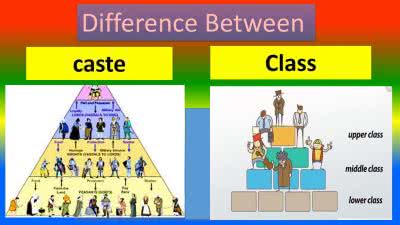
caste

/kæst/

(noun) 种姓, 种姓制度

示例:

The traditional caste system in India has deep historical roots.
印度传统的种姓制度有着深厚的历史根源。

echelon

/ˈeʃ.ə.lɑːn/

(noun) 阶层, 等级, 级别;

(verb) 梯次配置, 排成梯队

示例:

He quickly rose through the various echelons of the company.
他很快就升到了公司的各个阶层

station

/ˈsteɪ.ʃən/

(noun) 车站, 站, 所;

(verb) 驻扎, 安置

示例:

I'll meet you at the train station.
我在火车站等你。

classist

/ˈklæs.ɪst/

(adjective) 阶级歧视的;

(noun) 阶级歧视者

示例:

The policy was criticized for being classist and unfair to low-income families.
该政策因具有阶级歧视且对低收入家庭不公平而受到批评。

humble

/ˈhʌm.bəl/

(adjective) 谦逊的, 卑微的, 低级的;

(verb) 使谦逊, 使屈服

示例:

He is a very humble person despite his great success.
尽管他取得了巨大的成功,但他仍然是一个非常谦逊的人。

socioeconomic

/ˌsoʊ.si.oʊˌiː.kəˈnɑː.mɪk/

(adjective) 社会经济的

示例:

The study examined the socioeconomic impact of the new policy.
该研究考察了新政策的社会经济影响。

patriarchal

/ˌpeɪ.triˈɑːr.kəl/

(adjective) 父权的, 父权制的, 家长的

示例:

The novel explores the struggles of women living in a patriarchal society.
这部小说探讨了生活在父权制社会中的女性的挣扎。

indigenous

/ɪnˈdɪdʒ.ə.nəs/

(adjective) 本土的, 土著的, 原住民的

示例:

The kangaroo is indigenous to Australia.
袋鼠是澳大利亚的本土动物。

humanitarian

/hjuːˌmæn.ɪˈter.i.ən/

(noun) 人道主义者, 慈善家;

(adjective) 人道主义的, 慈善的

示例:

She dedicated her life to being a humanitarian, helping those in need around the world.
她致力于成为一名人道主义者,帮助世界各地有需要的人。

cosmopolitan

/ˌkɑːz.məˈpɑː.lɪ.t̬ən/

(adjective) 世界性的, 国际化的;

(noun) 世界公民, 国际主义者

示例:

She's a truly cosmopolitan person, having lived in Paris, Tokyo, and New York.
她是一个真正的世界性人物,曾在巴黎、东京和纽约居住过。

utopian

/juːˈtoʊ.pi.ən/

(adjective) 乌托邦的, 理想化的;

(noun) 乌托邦主义者, 空想家

示例:
The author described a utopian society where there is no poverty.
作者描述了一个没有贫困的乌托邦式社会。

progressive

/prəˈɡres.ɪv/

(adjective) 渐进的, 逐步的, 进步的;

(noun) 进步人士, 改革派

示例:

The disease showed a progressive decline in health.
这种疾病表现出健康状况的逐渐恶化。

militant

/ˈmɪl.ə.tənt/

(adjective) 激进的, 好战的, 好斗的;

(noun) 激进分子, 好战分子

示例:

The group adopted a more militant stance after the protests.
抗议后,该团体采取了更激进的立场。

suburban

/səˈbɝː.bən/

(adjective) 郊区的, 市郊的

示例:

They live in a quiet suburban neighborhood.
他们住在一个安静的郊区社区。

marginalize

/ˈmɑːr.dʒɪ.nəl.aɪz/

(verb) 边缘化, 排斥

示例:

The new policy tends to marginalize the voices of minority groups.
新政策倾向于边缘化少数群体的声音。

census

/ˈsen.səs/

(noun) 人口普查, 统计, 调查

示例:

The government conducts a national census every ten years.
政府每十年进行一次全国人口普查

assimilate

/əˈsɪm.ə.leɪt/

(verb) 吸收, 理解, 同化

示例:

It's hard to assimilate all the new information at once.
很难一次性吸收所有新信息。

rehabilitate

/ˌriː.həˈbɪl.ə.teɪt/

(verb) 改造, 康复, 修复

示例:

The program aims to rehabilitate offenders.
该计划旨在改造罪犯。
在 Lingoland 学习此词汇集