Avatar of Vocabulary Set 社會科學

詞彙集 社會科學(屬於 SAT人文相關詞彙):完整且詳細的清單

詞彙集「社會科學」(屬於「SAT人文相關詞彙」)從國際標準教材來源精心挑選,幫助您在短時間內掌握詞彙。全面彙整定義、例句及標準發音…

在 Lingoland 學習此詞彙集

立即學習

segregation

/ˌseɡ.rəˈɡeɪ.ʃən/

(noun) 分離, 隔離, 種族隔離

範例:

The segregation of waste materials is important for recycling.
廢物的分離對回收很重要。

discrimination

/dɪˌskrɪm.əˈneɪ.ʃən/

(noun) 歧視, 辨別, 鑑賞力

範例:

Racial discrimination is a serious issue in many societies.
種族歧視在許多社會中是一個嚴重的問題。

ethnicity

/eθˈnɪs.ə.t̬i/

(noun) 種族, 民族

範例:

The census asks about your ethnicity.
人口普查會詢問你的種族

minority

/maɪˈnɔːr.ə.t̬i/

(noun) 少數, 少數派, 少數民族

範例:

Only a small minority of students failed the exam.
只有一小部分學生考試不及格。

activism

/ˈæk.tɪ.vɪ.zəm/

(noun) 行動主義, 積極行動

範例:

Her activism led to significant changes in environmental policy.
她的行動主義導致環境政策發生了重大變化。

agency

/ˈeɪ.dʒən.si/

(noun) 機構, 代理處, 部門

範例:

She works for a travel agency.
她在一家旅行工作。

clan

/klæn/

(noun) 氏族, 宗族, 團體

範例:

The ancient clan had a strong sense of loyalty.
這個古老的氏族有很強的忠誠感。

chiefdom

/ˈtʃiːf.dəm/

(noun) 酋邦, 首領管轄區

範例:

The island was divided into several powerful chiefdoms.
該島被劃分為幾個強大的酋邦

collective

/kəˈlek.tɪv/

(adjective) 集體的, 共同的;

(noun) 集體, 合作社

範例:

It was a collective effort by the whole team.
這是整個團隊的集體努力。

demographic

/ˌdem.əˈɡræf.ɪk/

(noun) 人口群體, 人口統計;

(adjective) 人口的, 人口統計的

範例:

The marketing campaign targets a young, urban demographic.
這項營銷活動針對的是年輕的城市人口群體

urbanization

/ˌɝː.bən.əˈzeɪ.ʃən/

(noun) 城市化

範例:

Rapid urbanization can lead to challenges like housing shortages and increased traffic.
快速城市化可能導致住房短缺和交通擁堵等挑戰。

civilization

/ˌsɪv.əl.əˈzeɪ.ʃən/

(noun) 文明, 文明化, 開化

範例:

Ancient Egypt was a highly advanced civilization.
古埃及是一個高度發達的文明

bureaucracy

/bjʊˈrɑː.krə.si/

(noun) 官僚主義, 官僚機構, 行政機構

範例:

The project was delayed due to excessive bureaucracy.
該項目因過度官僚主義而延誤。

socialization

/ˌsoʊ.ʃəl.əˈzeɪ.ʃən/

(noun) 社會化, 社交訓練, 社交

範例:

Schools play a vital role in the socialization of children.
學校在兒童的社會化過程中起著至關重要的作用。

civil rights

/ˈsɪv.əl raɪts/

(plural noun) 民權, 公民權利

範例:

The civil rights movement fought for racial equality.
民權運動為種族平等而奮鬥。

status quo

/ˌsteɪ.təs ˈkwoʊ/

(noun) 現狀

範例:

Certain people always want to maintain the status quo because it benefits them.
某些人總是想維持現狀,因為這對他們有利。

industrialization

/ɪnˌdʌs.tri.ə.ləˈzeɪ.ʃən/

(noun) 工業化

範例:

The rapid industrialization of the country led to significant economic growth.
該國快速的工業化帶來了顯著的經濟增長。

aristocracy

/ˌer.əˈstɑː.krə.si/

(noun) 貴族, 貴族階級, 貴族政治

範例:

The old aristocracy still held significant power in the region.
貴族在該地區仍擁有重要權力。

royalty

/ˈrɔɪ.əl.t̬i/

(noun) 皇室, 王室, 版稅

範例:

The queen and other royalty attended the state dinner.
女王和其他皇室成員出席了國宴。

metropolis

/məˈtrɑː.pəl.ɪs/

(noun) 大都市, 首都, 主要城市

範例:

New York City is a bustling metropolis.
紐約市是一個繁華的大都市

infrastructure

/ˈɪn.frəˌstrʌk.tʃɚ/

(noun) 基礎設施

範例:

The country's aging infrastructure needs significant investment.
該國老化的基礎設施需要大量投資。

legitimacy

/ləˈdʒɪt̬.ə.mə.si/

(noun) 合法性, 正當性, 合理性

範例:

The legitimacy of the election results was questioned.
選舉結果的合法性受到質疑。

theory of mind

/ˈθɪri əv maɪnd/

(noun) 心理理論, 心智理論

範例:

Children usually develop a theory of mind around the age of four.
兒童通常在四歲左右發展出心理理論

civil disobedience

/ˌsɪv.əl ˌdɪs.əˈbiː.di.əns/

(noun) 公民抗命, 非暴力反抗

範例:

Mahatma Gandhi used civil disobedience to protest against British rule in India.
聖雄甘地利用公民抗命來抗議英國在印度的統治。

nonconformity

/ˌnɑːn.kənˈfɔːr.mə.t̬i/

(noun) 不從眾, 不符合

範例:

His nonconformity to social norms made him an outcast.
他對社會規範的不從眾使他成為了一個邊緣人。

outcast

/ˈaʊt.kæst/

(noun) 被遺棄者, 被排斥者;

(adjective) 被遺棄的, 被逐出的

範例:
He felt like a social outcast after the scandal.
醜聞發生後,他覺得自己像個被社會拋棄的人

refugee

/ˌref.jʊˈdʒiː/

(noun) 難民

範例:

Thousands of refugees crossed the border seeking safety.
數千名難民越過邊境尋求安全。

commune

/ˈkɑː.mjuːn/

(noun) 公社, 生活共同體;

(verb) 交流, 親近, 談心

範例:

She lived in a commune in the countryside for several years.
她在鄉下的一個公社裡住了幾年。

outskirts

/ˈaʊt.skɝːts/

(plural noun) 郊區, 市郊

範例:

They live on the outskirts of London.
他們住在倫敦郊區

the rat race

/ðə ræt reɪs/

(idiom) 激烈的競爭, 你死我活的競爭

範例:

He decided to leave the rat race and move to the countryside.
他決定離開激烈的競爭,搬到鄉村去。

parish

/ˈper.ɪʃ/

(noun) 教區, 教區居民

範例:

The local parish organized a community clean-up event.
當地教區組織了一次社區清潔活動。

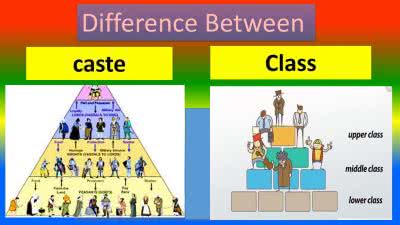
caste

/kæst/

(noun) 種姓, 種姓制度

範例:

The traditional caste system in India has deep historical roots.
印度傳統的種姓制度有著深厚的歷史根源。

echelon

/ˈeʃ.ə.lɑːn/

(noun) 階層, 等級, 級別;

(verb) 梯次配置, 排成梯隊

範例:

He quickly rose through the various echelons of the company.
他很快就升到了公司的各個階層

station

/ˈsteɪ.ʃən/

(noun) 車站, 站, 所;

(verb) 駐紮, 安置

範例:

I'll meet you at the train station.
我在火車站等你。

classist

/ˈklæs.ɪst/

(adjective) 階級歧視的;

(noun) 階級歧視者

範例:

The policy was criticized for being classist and unfair to low-income families.
該政策因具有階級歧視且對低收入家庭不公平而受到批評。

humble

/ˈhʌm.bəl/

(adjective) 謙遜的, 卑微的, 低級的;

(verb) 使謙遜, 使屈服

範例:

He is a very humble person despite his great success.
儘管他取得了巨大的成功,但他仍然是一個非常謙遜的人。

socioeconomic

/ˌsoʊ.si.oʊˌiː.kəˈnɑː.mɪk/

(adjective) 社會經濟的

範例:

The study examined the socioeconomic impact of the new policy.
該研究考察了新政策的社會經濟影響。

patriarchal

/ˌpeɪ.triˈɑːr.kəl/

(adjective) 父權的, 父權制的, 家長的

範例:

The novel explores the struggles of women living in a patriarchal society.
這部小說探討了生活在父權制社會中的女性的掙扎。

indigenous

/ɪnˈdɪdʒ.ə.nəs/

(adjective) 本土的, 土著的, 原住民的

範例:

The kangaroo is indigenous to Australia.
袋鼠是澳大利亞的本土動物。

humanitarian

/hjuːˌmæn.ɪˈter.i.ən/

(noun) 人道主義者, 慈善家;

(adjective) 人道主義的, 慈善的

範例:
She dedicated her life to being a humanitarian, helping those in need around the world.
她致力於成為一名人道主義者,幫助世界各地有需要的人。

cosmopolitan

/ˌkɑːz.məˈpɑː.lɪ.t̬ən/

(adjective) 世界性的, 國際化的;

(noun) 世界公民, 國際主義者

範例:

She's a truly cosmopolitan person, having lived in Paris, Tokyo, and New York.
她是一個真正的世界性人物,曾在巴黎、東京和紐約居住過。

utopian

/juːˈtoʊ.pi.ən/

(adjective) 烏托邦的, 理想化的;

(noun) 烏托邦主義者, 空想家

範例:
The author described a utopian society where there is no poverty.
作者描述了一個沒有貧困的烏托邦式社會。

progressive

/prəˈɡres.ɪv/

(adjective) 漸進的, 逐步的, 進步的;

(noun) 進步人士, 改革派

範例:

The disease showed a progressive decline in health.
這種疾病表現出健康狀況的逐漸惡化。

militant

/ˈmɪl.ə.tənt/

(adjective) 激進的, 好戰的, 好鬥的;

(noun) 激進分子, 好戰分子

範例:

The group adopted a more militant stance after the protests.
抗議後,該團體採取了更激進的立場。

suburban

/səˈbɝː.bən/

(adjective) 郊區的, 市郊的

範例:

They live in a quiet suburban neighborhood.
他們住在一個安靜的郊區社區。

marginalize

/ˈmɑːr.dʒɪ.nəl.aɪz/

(verb) 邊緣化, 排斥

範例:

The new policy tends to marginalize the voices of minority groups.
新政策傾向於邊緣化少數群體的聲音。

census

/ˈsen.səs/

(noun) 人口普查, 統計, 調查

範例:

The government conducts a national census every ten years.
政府每十年進行一次全國人口普查

assimilate

/əˈsɪm.ə.leɪt/

(verb) 吸收, 理解, 同化

範例:

It's hard to assimilate all the new information at once.
很難一次性吸收所有新信息。

rehabilitate

/ˌriː.həˈbɪl.ə.teɪt/

(verb) 改造, 康復, 修復

範例:

The program aims to rehabilitate offenders.
該計畫旨在改造罪犯。
在 Lingoland 學習此詞彙集