Avatar of Vocabulary Set 사회 과학

SAT 인문학 관련 어휘 내 사회 과학 어휘 세트: 완전하고 상세한 목록

'SAT 인문학 관련 어휘' 내 '사회 과학' 어휘 세트는 국제 표준 교재 출처에서 엄선되어 짧은 시간 안에 어휘를 마스터할 수 있도록 도와줍니다. 정의, 예문, 표준 발음을 완벽하게 수록...

Lingoland에서 이 어휘 세트 학습하기

지금 학습하기

segregation

/ˌseɡ.rəˈɡeɪ.ʃən/

(noun) 분리, 격리, 인종 분리

예시:

The segregation of waste materials is important for recycling.
폐기물 분리는 재활용에 중요합니다.

discrimination

/dɪˌskrɪm.əˈneɪ.ʃən/

(noun) 차별, 식별, 구별

예시:

Racial discrimination is a serious issue in many societies.
인종 차별은 많은 사회에서 심각한 문제입니다.

ethnicity

/eθˈnɪs.ə.t̬i/

(noun) 민족성, 민족

예시:

The census asks about your ethnicity.
인구 조사에서는 당신의 민족성에 대해 묻습니다.

minority

/maɪˈnɔːr.ə.t̬i/

(noun) 소수, 소수 민족, 소수 집단

예시:

Only a small minority of students failed the exam.
소수의 학생들만이 시험에 떨어졌다.

activism

/ˈæk.tɪ.vɪ.zəm/

(noun) 행동주의, 활동

예시:

Her activism led to significant changes in environmental policy.
그녀의 행동주의는 환경 정책에 상당한 변화를 가져왔다.

agency

/ˈeɪ.dʒən.si/

(noun) 대행사, 기관, 부서

예시:

She works for a travel agency.
그녀는 여행 사무소에서 일한다.

clan

/klæn/

(noun) 씨족, 일족, 그룹

예시:

The ancient clan had a strong sense of loyalty.
고대 씨족은 강한 충성심을 가지고 있었다.

chiefdom

/ˈtʃiːf.dəm/

(noun) 군장 사회, 군장 국가

예시:

The island was divided into several powerful chiefdoms.
그 섬은 여러 개의 강력한 군장 국가로 나뉘어 있었다.

collective

/kəˈlek.tɪv/

(adjective) 집단적인, 공동의;

(noun) 공동체, 집단

예시:

It was a collective effort by the whole team.
그것은 팀 전체의 집단적인 노력이었다.

demographic

/ˌdem.əˈɡræf.ɪk/

(noun) 인구 통계, 인구 집단;

(adjective) 인구 통계학적인

예시:

The marketing campaign targets a young, urban demographic.
마케팅 캠페인은 젊고 도시적인 인구 통계를 대상으로 합니다.

urbanization

/ˌɝː.bən.əˈzeɪ.ʃən/

(noun) 도시화

예시:

Rapid urbanization can lead to challenges like housing shortages and increased traffic.
급속한 도시화는 주택 부족과 교통량 증가와 같은 문제로 이어질 수 있습니다.

civilization

/ˌsɪv.əl.əˈzeɪ.ʃən/

(noun) 문명, 문명화, 개화

예시:

Ancient Egypt was a highly advanced civilization.
고대 이집트는 매우 발전된 문명이었다.

bureaucracy

/bjʊˈrɑː.krə.si/

(noun) 관료주의, 관료 조직, 행정 기구

예시:

The project was delayed due to excessive bureaucracy.
과도한 관료주의 때문에 프로젝트가 지연되었다.

socialization

/ˌsoʊ.ʃəl.əˈzeɪ.ʃən/

(noun) 사회화, 사교, 친목

예시:

Schools play a vital role in the socialization of children.
학교는 아이들의 사회화에 중요한 역할을 한다.

civil rights

/ˈsɪv.əl raɪts/

(plural noun) 민권, 시민권

예시:

The civil rights movement fought for racial equality.
민권 운동은 인종 평등을 위해 싸웠다.

status quo

/ˌsteɪ.təs ˈkwoʊ/

(noun) 현상, 현재의 상태

예시:

Certain people always want to maintain the status quo because it benefits them.
어떤 사람들은 자신들에게 이익이 되기 때문에 항상 현상을 유지하고 싶어 한다.

industrialization

/ɪnˌdʌs.tri.ə.ləˈzeɪ.ʃən/

(noun) 산업화

예시:

The rapid industrialization of the country led to significant economic growth.
국가의 급속한 산업화는 상당한 경제 성장을 가져왔다.

aristocracy

/ˌer.əˈstɑː.krə.si/

(noun) 귀족 계급, 귀족, 귀족 정치

예시:

The old aristocracy still held significant power in the region.
오래된 귀족 계급은 여전히 그 지역에서 상당한 권력을 가지고 있었다.

royalty

/ˈrɔɪ.əl.t̬i/

(noun) 왕족, 황족, 인세

예시:

The queen and other royalty attended the state dinner.
여왕과 다른 왕족들이 국빈 만찬에 참석했다.

metropolis

/məˈtrɑː.pəl.ɪs/

(noun) 대도시, 수도, 중심 도시

예시:

New York City is a bustling metropolis.
뉴욕시는 번화한 대도시이다.

infrastructure

/ˈɪn.frəˌstrʌk.tʃɚ/

(noun) 인프라, 사회 기반 시설

예시:

The country's aging infrastructure needs significant investment.
국가의 노후화된 인프라는 상당한 투자가 필요하다.

legitimacy

/ləˈdʒɪt̬.ə.mə.si/

(noun) 정당성, 합법성, 타당성

예시:

The legitimacy of the election results was questioned.
선거 결과의 정당성이 의문시되었다.

theory of mind

/ˈθɪri əv maɪnd/

(noun) 마음 이론

예시:

Children usually develop a theory of mind around the age of four.
아이들은 보통 4세 무렵에 마음 이론을 발달시킵니다.

civil disobedience

/ˌsɪv.əl ˌdɪs.əˈbiː.di.əns/

(noun) 시민 불복종

예시:

Mahatma Gandhi used civil disobedience to protest against British rule in India.
마하트마 간디는 인도의 영국 통치에 항의하기 위해 시민 불복종을 사용했다.

nonconformity

/ˌnɑːn.kənˈfɔːr.mə.t̬i/

(noun) 불순응, 부적합

예시:

His nonconformity to social norms made him an outcast.
사회적 규범에 대한 그의 불순응은 그를 부랑자로 만들었다.

outcast

/ˈaʊt.kæst/

(noun) 버림받은 사람, 추방자;

(adjective) 추방된, 버림받은

예시:
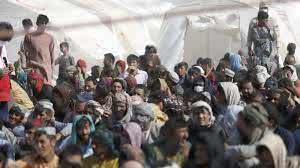
He felt like a social outcast after the scandal.
그는 스캔들 이후 사회적 부랑자가 된 기분이었다.

refugee

/ˌref.jʊˈdʒiː/

(noun) 난민

예시:

Thousands of refugees crossed the border seeking safety.
수천 명의 난민이 안전을 찾아 국경을 넘었다.

commune

/ˈkɑː.mjuːn/

(noun) 공동체, 코뮌;

(verb) 교감하다, 친하게 사귀다

예시:

She lived in a commune in the countryside for several years.
그녀는 몇 년 동안 시골의 공동체에서 살았다.

outskirts

/ˈaʊt.skɝːts/

(plural noun) 외곽, 교외

예시:

They live on the outskirts of London.
그들은 런던 외곽에 살고 있다.

the rat race

/ðə ræt reɪs/

(idiom) 치열한 경쟁, 쥐 경주

예시:

He decided to leave the rat race and move to the countryside.
그는 치열한 경쟁을 떠나 시골로 이사하기로 결정했다.

parish

/ˈper.ɪʃ/

(noun) 교구, 본당, 교구민

예시:

The local parish organized a community clean-up event.
지역 교구가 지역사회 청소 행사를 조직했다.

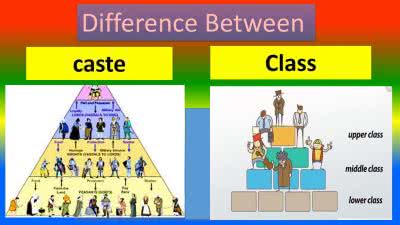
caste

/kæst/

(noun) 카스트, 카스트 제도

예시:

The traditional caste system in India has deep historical roots.
인도의 전통적인 카스트 제도는 깊은 역사적 뿌리를 가지고 있다.

echelon

/ˈeʃ.ə.lɑːn/

(noun) 계층, 단계, 지위;

(verb) 제대 대형으로 배치하다, 계단식으로 배열하다

예시:

He quickly rose through the various echelons of the company.
그는 회사의 여러 계층을 빠르게 거쳐 올라갔다.

station

/ˈsteɪ.ʃən/

(noun) 역, 정류장, 기지;

(verb) 배치하다, 주둔시키다

예시:

I'll meet you at the train station.
기차역에서 만나자.

classist

/ˈklæs.ɪst/

(adjective) 계급 차별적인;

(noun) 계급 차별주의자

예시:

The policy was criticized for being classist and unfair to low-income families.
그 정책은 계급 차별적이고 저소득 가구에 불공평하다는 비판을 받았다.

humble

/ˈhʌm.bəl/

(adjective) 겸손한, 소박한, 초라한;

(verb) 겸손하게 하다, 굴복시키다

예시:

He is a very humble person despite his great success.
그는 큰 성공에도 불구하고 매우 겸손한 사람이다.

socioeconomic

/ˌsoʊ.si.oʊˌiː.kəˈnɑː.mɪk/

(adjective) 사회경제적

예시:

The study examined the socioeconomic impact of the new policy.
그 연구는 새 정책의 사회경제적 영향을 조사했다.

patriarchal

/ˌpeɪ.triˈɑːr.kəl/

(adjective) 가부장적인

예시:

The novel explores the struggles of women living in a patriarchal society.
그 소설은 가부장적 사회에서 살아가는 여성들의 투쟁을 탐구한다.

indigenous

/ɪnˈdɪdʒ.ə.nəs/

(adjective) 원산의, 토착의, 원주민의

예시:

The kangaroo is indigenous to Australia.
캥거루는 호주 원산이다.

humanitarian

/hjuːˌmæn.ɪˈter.i.ən/

(noun) 인도주의자, 박애주의자;

(adjective) 인도주의적인, 박애주의적인

예시:

She dedicated her life to being a humanitarian, helping those in need around the world.
그녀는 전 세계의 도움이 필요한 사람들을 돕는 인도주의자가 되기 위해 평생을 바쳤다.

cosmopolitan

/ˌkɑːz.məˈpɑː.lɪ.t̬ən/

(adjective) 국제적인, 세계적인;

(noun) 세계인, 국제인

예시:

She's a truly cosmopolitan person, having lived in Paris, Tokyo, and New York.
그녀는 파리, 도쿄, 뉴욕에서 살았기 때문에 진정으로 국제적인 사람이다.

utopian

/juːˈtoʊ.pi.ən/

(adjective) 유토피아의, 이상향의;

(noun) 이상주의자, 공상가

예시:
The author described a utopian society where there is no poverty.
작가는 가난이 없는 유토피아적인 사회를 묘사했다.

progressive

/prəˈɡres.ɪv/

(adjective) 점진적인, 진행적인, 진보적인;

(noun) 진보주의자, 개혁가

예시:
The disease showed a progressive decline in health.
그 질병은 건강의 점진적인 저하를 보였다.

militant

/ˈmɪl.ə.tənt/

(adjective) 강경한, 호전적인, 공격적인;

(noun) 강경파, 투사

예시:

The group adopted a more militant stance after the protests.
그 단체는 시위 이후 더 강경한 입장을 취했다.

suburban

/səˈbɝː.bən/

(adjective) 교외의, 근교의

예시:

They live in a quiet suburban neighborhood.
그들은 조용한 교외 지역에 살고 있다.

marginalize

/ˈmɑːr.dʒɪ.nəl.aɪz/

(verb) 소외시키다, 주변화하다

예시:

The new policy tends to marginalize the voices of minority groups.
새로운 정책은 소수 집단의 목소리를 소외시키는 경향이 있다.

census

/ˈsen.səs/

(noun) 인구 조사, 센서스, 조사

예시:

The government conducts a national census every ten years.
정부는 10년마다 전국적인 인구 조사를 실시한다.

assimilate

/əˈsɪm.ə.leɪt/

(verb) 흡수하다, 동화하다, 동화시키다

예시:

It's hard to assimilate all the new information at once.
모든 새로운 정보를 한 번에 흡수하기는 어렵다.

rehabilitate

/ˌriː.həˈbɪl.ə.teɪt/

(verb) 재활시키다, 회복시키다, 재건축하다

예시:

The program aims to rehabilitate offenders.
이 프로그램은 범죄자들을 재활시키는 것을 목표로 한다.
Lingoland에서 이 어휘 세트 학습하기