
词汇集 执行动作(后方和对面)(属于 使用“一起”、“反对”、“分开”等短语动词。):完整且详细的清单
词汇集「执行动作(后方和对面)」(属于「使用“一起”、“反对”、“分开”等短语动词。」)从国际标准教材来源精心挑选,帮助您在短时间内掌握词汇。全面汇整定义、例句及标准发音…
在 Lingoland 学习此词汇集
立即学习
/fɔːl bɪˈhaɪnd/
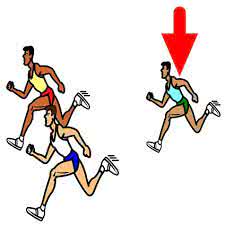
(phrasal verb) 落后, 掉队, 拖欠
示例:
If you don't study regularly, you'll fall behind in your classes.
如果你不经常学习,你会在课堂上落后。

/læɡ bɪˈhaɪnd/
(phrasal verb) 落后, 滞后
示例:
The company is lagging behind its competitors in innovation.
该公司在创新方面落后于竞争对手。

/liːv bɪˈhaɪnd/
(phrasal verb) 落下, 遗留, 留下
示例:
Don't leave behind your passport when you travel.
旅行时不要落下你的护照。

/laɪ bɪˈhaɪnd/
(phrasal verb) 隐藏在背后, 是...的原因
示例:
The true motives lie behind his sudden resignation.
他突然辞职的真正动机隐藏在背后。

/steɪ bɪˈhaɪnd/
(phrasal verb) 留下, 留下来, 落后
示例:
I had to stay behind to finish my work.
我不得不留下来完成我的工作。
/kʌm əˈkrɔs/
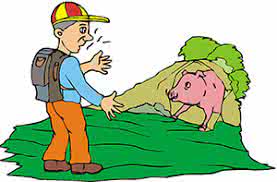
(phrasal verb) 偶然发现, 偶然遇到, 被理解
示例:
I came across an old friend at the market today.
我今天在市场上偶然遇到了一位老朋友。

/ɡet əˈkrɔs/
(phrasal verb) 表达, 传达, 穿过
示例:
It's difficult to get across how much I appreciate your help.
很难表达我有多么感谢你的帮助。

/pʊt əˈkrɔs/
(phrasal verb) 表达, 传达
示例:
He struggled to put across his point during the meeting.
他在会议中努力表达自己的观点。

/rʌn əˈkrɔs/
(phrasal verb) 偶遇, 偶然发现, 跑过
示例:
I ran across an old friend at the supermarket today.
我今天在超市偶遇了一位老朋友。