Avatar of Vocabulary Set A2 - 身体

词汇集 A2 - 身体(属于 A2级别):完整且详细的清单

词汇集「A2 - 身体」(属于「A2级别」)从国际标准教材来源精心挑选,帮助您在短时间内掌握词汇。全面汇整定义、例句及标准发音…

在 Lingoland 学习此词汇集

立即学习

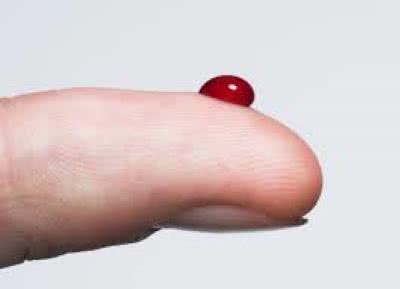
skin

/skɪn/

(noun) 皮肤, 表皮, 皮;

(verb) 剥皮, 去皮

示例:

She has very sensitive skin.
她的皮肤非常敏感。

blood

/blʌd/

(noun) 血, 血液, 性情;

(verb) 使流血, 使沾血

示例:

He lost a lot of blood in the accident.
他在事故中失了很多

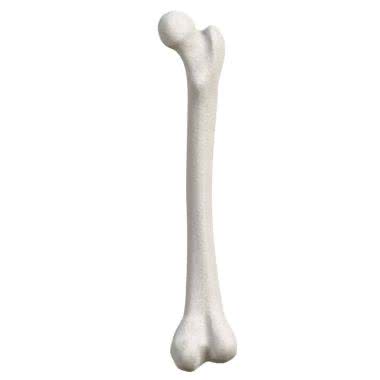
bone

/boʊn/

(noun) 骨头, 骨质材料;

(verb) 去骨, 剔骨

示例:

The dog buried a bone in the backyard.
狗在后院埋了一根骨头

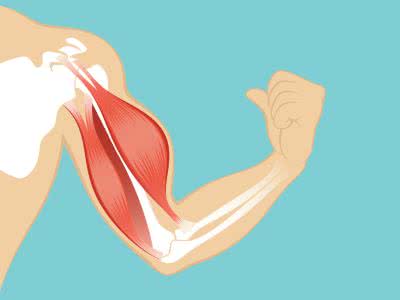
muscle

/ˈmʌs.əl/

(noun) 肌肉, 力量, 实力;

(verb) 强行进入, 挤过

示例:

He pulled a muscle in his leg while running.
他跑步时拉伤了腿部肌肉

chest

/tʃest/

(noun) 胸部, 箱子, 柜子

示例:

He felt a sharp pain in his chest.
他感到胸部一阵剧痛。

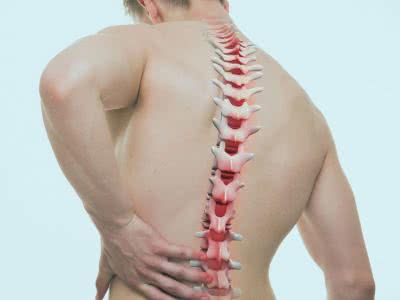
backbone

/ˈbæk.boʊn/

(noun) 脊柱, 脊椎, 骨气

示例:

The human backbone is made up of 33 vertebrae.
人类的脊柱由33块椎骨组成。
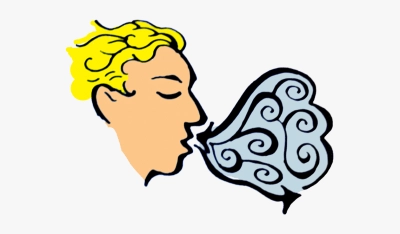
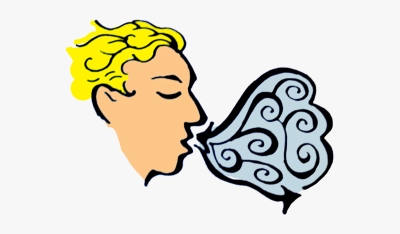
breath

/breθ/

(noun) 呼吸, 气息, 喘息

示例:

Take a deep breath and relax.
深吸一口气,放松。

breathing

/ˈbriː.ðɪŋ/

(noun) 呼吸;

(verb) 呼吸

示例:

Her breathing became shallow and rapid.
她的呼吸变得浅而急促。

fat

/fæt/

(noun) 脂肪, 肥肉;

(adjective) 胖的, 肥的, 丰厚的

示例:

The chef trimmed the excess fat from the meat.
厨师从肉上切掉了多余的脂肪

vein

/veɪn/

(noun) 静脉, 血管, 纹理

示例:

The nurse struggled to find a suitable vein for the injection.
护士费力地寻找适合注射的静脉

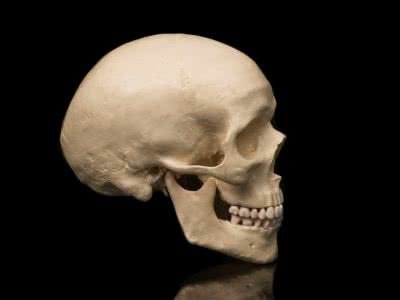
skull

/skʌl/

(noun) 颅骨, 头盖骨;

(verb) 击打头部

示例:

The human skull protects the brain.
人体的颅骨保护大脑。

gum

/ɡʌm/

(noun) 口香糖, 树胶, 牙龈;

(verb) 粘, 用胶粘

示例:

He chewed a piece of bubble gum.
他嚼了一块泡泡

eyelash

/ˈaɪ.læʃ/

(noun) 睫毛

示例:

She batted her long eyelashes at him.
她向他眨了眨长长的睫毛

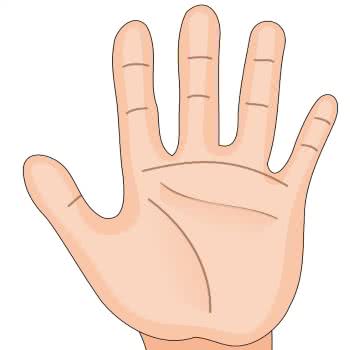
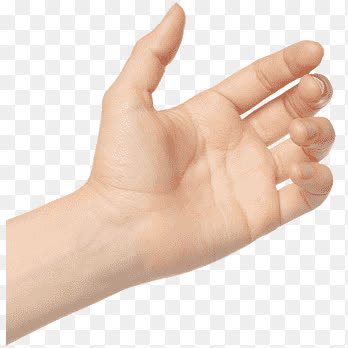
palm

/pɑːm/

(noun) 手掌, 棕榈树, 棕榈;

(verb) 藏匿, 冒充

示例:

She held the small bird gently in her palm.
她轻轻地把小鸟托在手掌里。
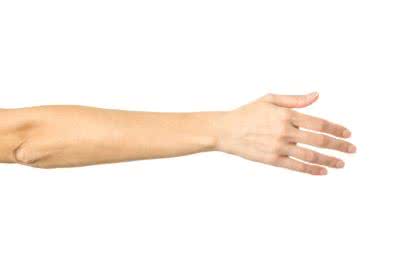
forearm

/ˈfɔːr.ɑːrm/

(noun) 前臂;

(verb) 预先武装, 提前准备

示例:

He protected his face with his forearm.
他用前臂护住了脸。

thigh

/θaɪ/

(noun) 大腿

示例:

She had strong thighs from cycling.
她因为骑自行车而拥有强壮的大腿

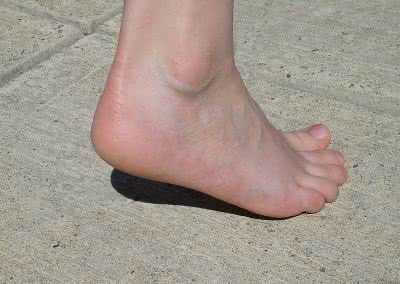
heel

/hiːl/

(noun) 脚后跟, 鞋跟, 袜跟;

(verb) 倾斜, 随行

示例:

She wore shoes with high heels.
她穿着高跟鞋。

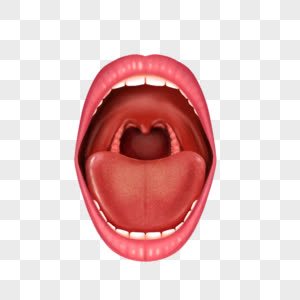
throat

/θroʊt/

(noun) 喉咙, 嗓子, 瓶颈;

(verb) 发出, 唱出

示例:

She cleared her throat before speaking.
她清了清嗓子才开口说话。

physical

/ˈfɪz.ɪ.kəl/

(adjective) 身体的, 肉体的, 物理的;

(noun) 体检, 身体检查

示例:

Regular physical activity is important for health.
定期的体育活动对健康很重要。

physically

/ˈfɪz.ɪ.kəl.i/

(adverb) 身体上, 体力上, 肢体上

示例:

He was physically exhausted after the marathon.
马拉松后他身体上精疲力尽。

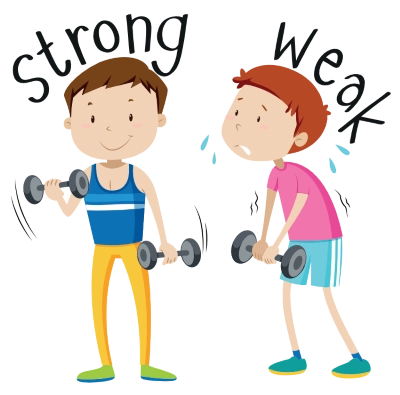
strong

/strɑːŋ/

(adjective) 强壮的, 有力的, 坚固的

示例:

He is a very strong man.
他是一个非常强壮的男人。

weak

/wiːk/

(adjective) 虚弱的, 无力的, 薄弱的

示例:

After the illness, he felt very weak.
生病后,他感到非常虚弱

alive

/əˈlaɪv/

(adjective) 活着的, 在世的, 活跃的

示例:

Is your grandmother still alive?
你奶奶还活着吗?

dead

/ded/

(adjective) 死的, 已故的, 不通的;

(adverb) 完全地, 彻底地;

(noun) 深处, 正中

示例:

The bird was found dead in the garden.
那只鸟被发现在花园里。

wrist

/rɪst/

(noun) 手腕

示例:

She wears a watch on her left wrist.
她左手腕上戴着一块手表。

elbow

/ˈel.boʊ/

(noun) 肘, 肘部, 弯头;

(verb) 用肘推, 挤开

示例:

He hit his elbow on the table.
他的肘部撞到了桌子。

human

/ˈhjuː.mən/

(adjective) 人类的, 人性的, 仁慈的;

(noun) 人, 人类

示例:

The ability to reason is a unique human trait.
推理能力是人类独有的特征。
在 Lingoland 学习此词汇集