Avatar of Vocabulary Set A2 - Corpo

Insieme di vocabolario A2 - Corpo in Livello A2: Lista completa e dettagliata

L'insieme di vocabolario 'A2 - Corpo' in 'Livello A2' è selezionato con cura da fonti di testi standard internazionali, aiutandoti a padroneggiare il vocabolario in breve tempo. Compilazione completa di definizioni, esempi illustrativi e pronuncia standard...

Impara questo insieme di vocabolario su Lingoland

Impara ora

skin

/skɪn/

(noun) pelle, buccia;

(verb) scuoiare, spellare

Esempio:
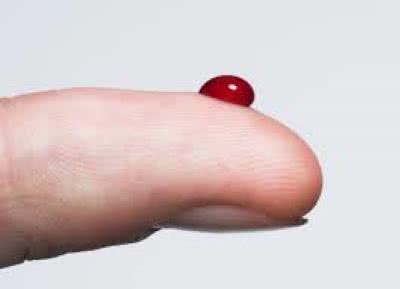
She has very sensitive skin.
Ha la pelle molto sensibile.

blood

/blʌd/

(noun) sangue, temperamento, indole;

(verb) insanguinare, macchiare di sangue

Esempio:
He lost a lot of blood in the accident.
Ha perso molto sangue nell'incidente.

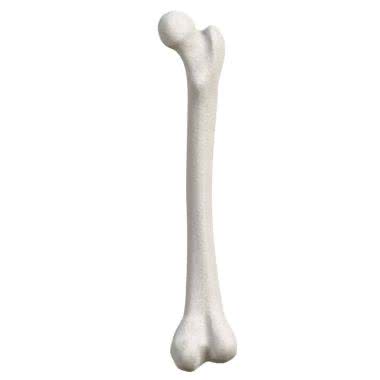
bone

/boʊn/

(noun) osso, materiale osseo;

(verb) disossare

Esempio:
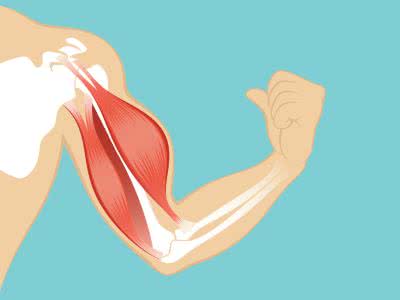
The dog buried a bone in the backyard.
Il cane ha seppellito un osso nel cortile.

muscle

/ˈmʌs.əl/

(noun) muscolo, forza, potere;

(verb) imporsi, farsi strada a forza

Esempio:
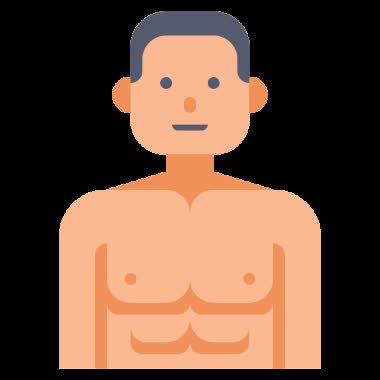
He pulled a muscle in his leg while running.
Si è stirato un muscolo nella gamba mentre correva.

chest

/tʃest/

(noun) petto, cassa, baule

Esempio:

He felt a sharp pain in his chest.
Ha sentito un dolore acuto al petto.

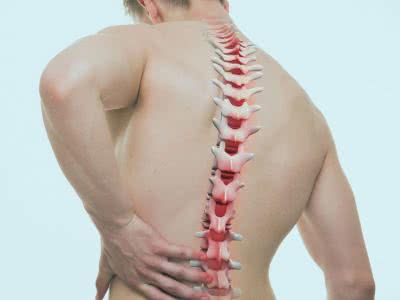
backbone

/ˈbæk.boʊn/

(noun) colonna vertebrale, spina dorsale, fermezza

Esempio:
The human backbone is made up of 33 vertebrae.
La colonna vertebrale umana è composta da 33 vertebre.

breath

/breθ/

(noun) respiro, fiato, pausa

Esempio:
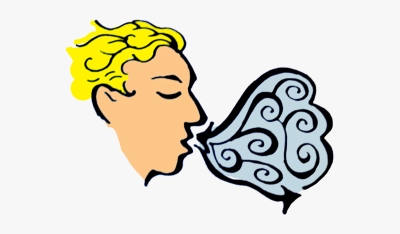
Take a deep breath and relax.
Fai un respiro profondo e rilassati.

breathing

/ˈbriː.ðɪŋ/

(noun) respirazione;

(verb) respirando

Esempio:
Her breathing became shallow and rapid.
Il suo respiro divenne superficiale e rapido.

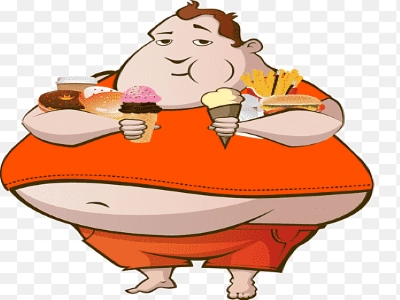
fat

/fæt/

(noun) grasso;

(adjective) grasso, grosso, spesso

Esempio:
The chef trimmed the excess fat from the meat.
Lo chef ha rimosso il grasso in eccesso dalla carne.

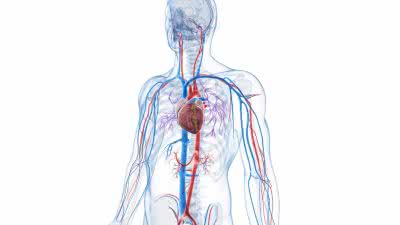
vein

/veɪn/

(noun) vena, venatura, tono

Esempio:

The nurse struggled to find a suitable vein for the injection.
L'infermiera ha faticato a trovare una vena adatta per l'iniezione.

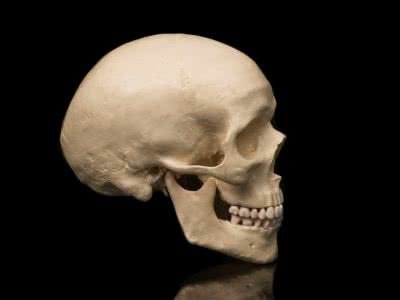
skull

/skʌl/

(noun) cranio;

(verb) colpire alla testa

Esempio:

The human skull protects the brain.
Il cranio umano protegge il cervello.

gum

/ɡʌm/

(noun) gomma, chewing-gum, gengiva;

(verb) incollare, gommare

Esempio:

He chewed a piece of bubble gum.
Ha masticato un pezzo di gomma da masticare.

eyelash

/ˈaɪ.læʃ/

(noun) ciglia

Esempio:

She batted her long eyelashes at him.
Ha sbattuto le sue lunghe ciglia verso di lui.

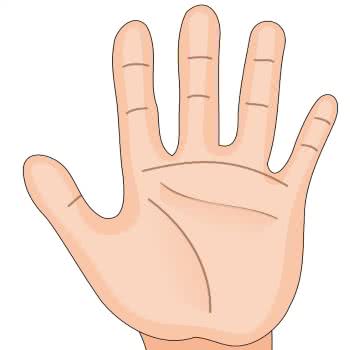
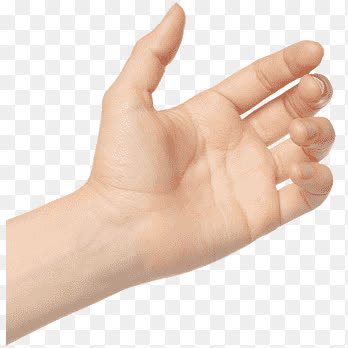
palm

/pɑːm/

(noun) palmo, palma;

(verb) nascondere, spacciare

Esempio:
She held the small bird gently in her palm.
Teneva il piccolo uccello delicatamente nel suo palmo.

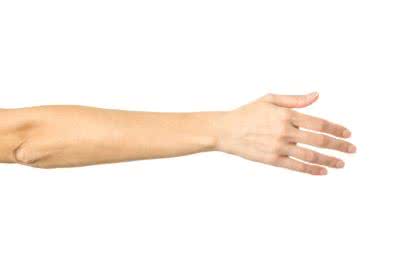
forearm

/ˈfɔːr.ɑːrm/

(noun) avambraccio;

(verb) preparare, armare in anticipo

Esempio:

He protected his face with his forearm.
Si protesse il viso con l'avambraccio.

thigh

/θaɪ/

(noun) coscia

Esempio:

She had strong thighs from cycling.
Aveva cosce forti grazie al ciclismo.

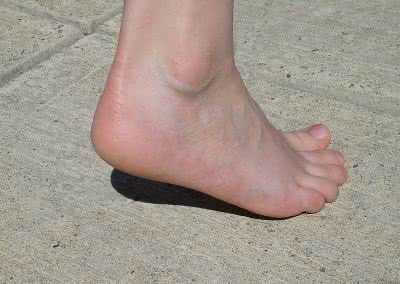
heel

/hiːl/

(noun) tallone, tacco, tallone (di calzino);

(verb) sbandare, seguire al piede

Esempio:
She wore shoes with high heels.
Indossava scarpe con i tacchi alti.

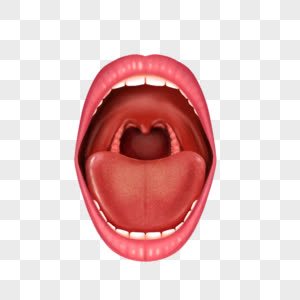
throat

/θroʊt/

(noun) gola, collo, passaggio stretto;

(verb) emettere, intonare

Esempio:
She cleared her throat before speaking.
Si schiarì la gola prima di parlare.

physical

/ˈfɪz.ɪ.kəl/

(adjective) fisico, corporeo, materiale;

(noun) visita medica, esame fisico

Esempio:

Regular physical activity is important for health.
L'attività fisica regolare è importante per la salute.

physically

/ˈfɪz.ɪ.kəl.i/

(adverb) fisicamente, con la forza

Esempio:

He was physically exhausted after the marathon.
Era fisicamente esausto dopo la maratona.

strong

/strɑːŋ/

(adjective) forte, robusto, solido

Esempio:
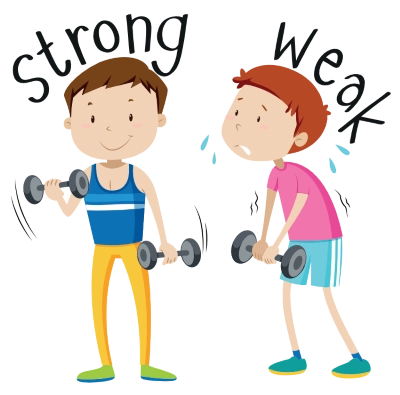
He is a very strong man.
È un uomo molto forte.

weak

/wiːk/

(adjective) debole, poco convincente, fragile

Esempio:

After the illness, he felt very weak.
Dopo la malattia, si sentiva molto debole.

alive

/əˈlaɪv/

(adjective) vivo, in vita, attivo

Esempio:
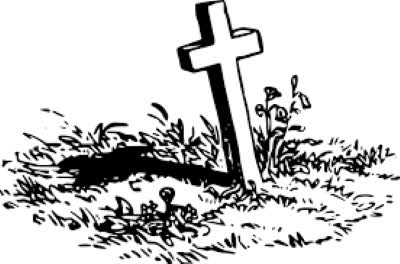
Is your grandmother still alive?
Tua nonna è ancora viva?

dead

/ded/

(adjective) morto, defunto, inattivo;

(adverb) completamente, assolutamente;

(noun) cuore, profondo

Esempio:
The bird was found dead in the garden.
L'uccello è stato trovato morto nel giardino.

wrist

/rɪst/

(noun) polso

Esempio:

She wears a watch on her left wrist.
Indossa un orologio al polso sinistro.

elbow

/ˈel.boʊ/

(noun) gomito, curva a gomito, gomito (tubo);

(verb) gomitare, farsi strada a gomitate

Esempio:
He hit his elbow on the table.
Ha sbattuto il gomito sul tavolo.

human

/ˈhjuː.mən/

(adjective) umano, compassionevole;

(noun) umano, essere umano

Esempio:

The ability to reason is a unique human trait.
La capacità di ragionare è un tratto umano unico.
Impara questo insieme di vocabolario su Lingoland