レベル A2 内 A2 - 体 語彙セット:完全かつ詳細なリスト
「レベル A2」内の「A2 - 体」語彙セットは国際標準教材から厳選され、短期間で語彙をマスターできます。定義、例文、標準発音を網羅…
Lingolandでこの語彙セットを学習
今すぐ学習
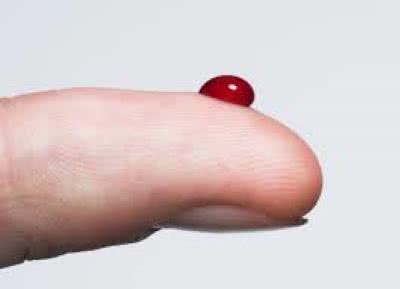
/blʌd/
(noun) 血液, 血, 気質;
(verb) 血を流させる, 血で汚す
例:
He lost a lot of blood in the accident.
彼は事故で大量の血液を失った。
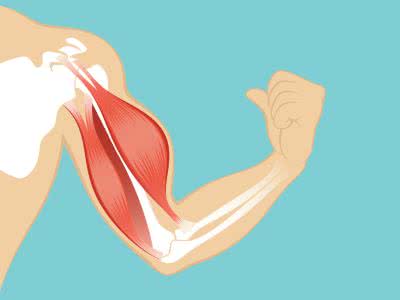
/ˈmʌs.əl/
(noun) 筋肉, 力, 腕力;
(verb) 力ずくで進む, 強引に押し進む
例:
He pulled a muscle in his leg while running.
彼は走っている最中に脚の筋肉を痛めた。
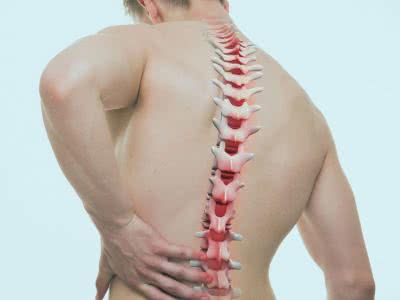
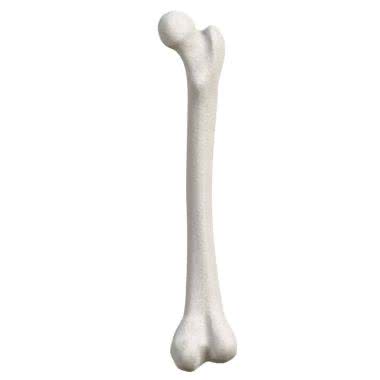
/ˈbæk.boʊn/
(noun) 背骨, 脊柱, 気骨
例:
The human backbone is made up of 33 vertebrae.
人間の背骨は33個の椎骨で構成されています。
/ˈbriː.ðɪŋ/
(noun) 呼吸;
(verb) 呼吸する
例:
Her breathing became shallow and rapid.
彼女の呼吸は浅く速くなった。
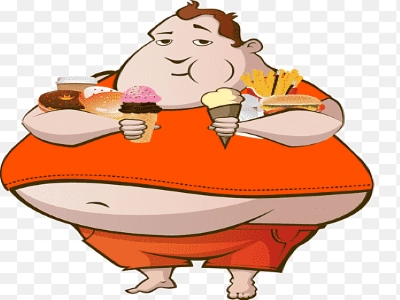
/fæt/
(noun) 脂肪, 脂身;
(adjective) 太った, 肥満の, 多額の
例:
The chef trimmed the excess fat from the meat.
シェフは肉から余分な脂肪を取り除いた。
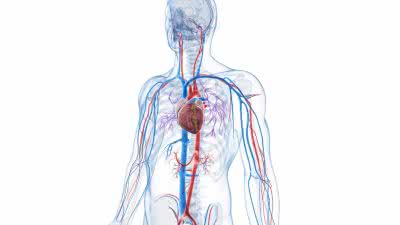
/veɪn/
(noun) 静脈, 血管, 筋
例:
The nurse struggled to find a suitable vein for the injection.
看護師は注射に適した静脈を見つけるのに苦労した。
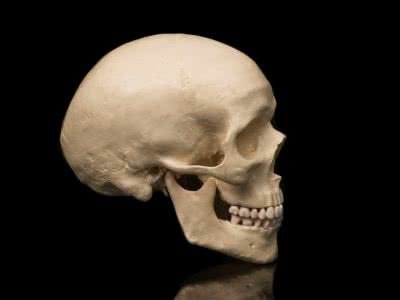
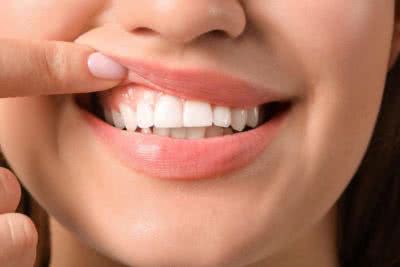
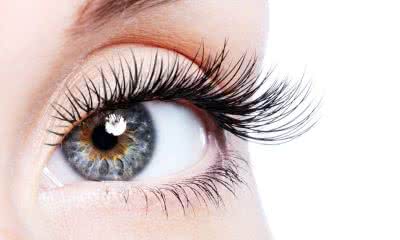
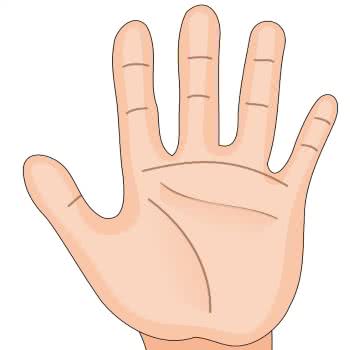
/pɑːm/
(noun) 手のひら, ヤシの木, ヤシ;
(verb) 隠す, 売りつける
例:
She held the small bird gently in her palm.
彼女は小さな鳥をそっと手のひらに抱いた。
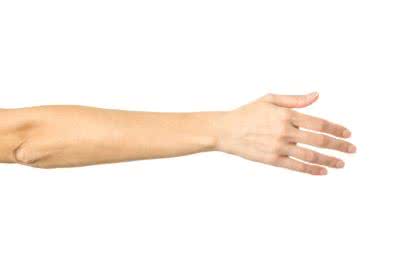
/ˈfɔːr.ɑːrm/
(noun) 前腕;
(verb) 事前に装備させる, 前もって準備する
例:
He protected his face with his forearm.
彼は前腕で顔を守った。

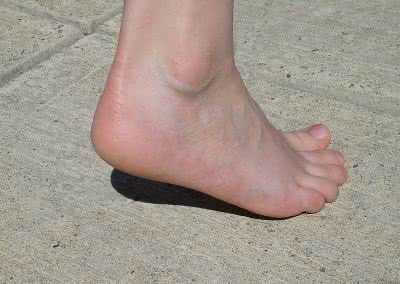
/hiːl/
(noun) かかと, ヒール, かかと (靴下の);
(verb) 傾く, かかとについて歩く
例:
She wore shoes with high heels.
彼女はハイヒールの靴を履いていた。
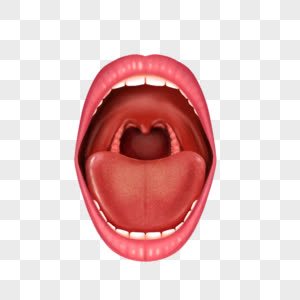
/θroʊt/
(noun) 喉, 口, 入り口;
(verb) 発する, 歌う
例:
She cleared her throat before speaking.
彼女は話す前に喉を鳴らした。
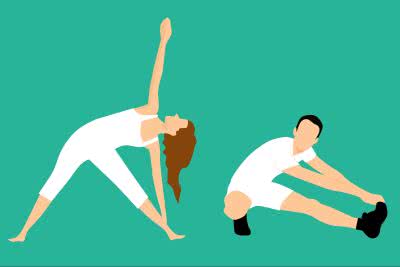
/ˈfɪz.ɪ.kəl/
(adjective) 身体の, 肉体の, 物理的な;
(noun) 身体検査, 健康診断
例:
Regular physical activity is important for health.
定期的な身体活動は健康に重要です。
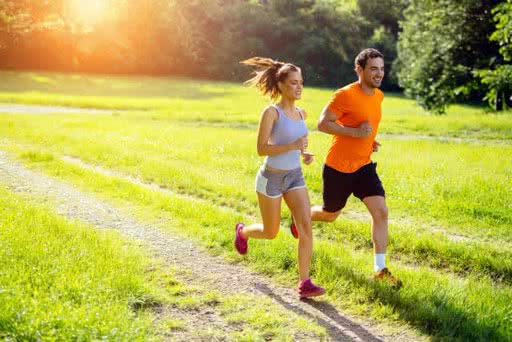
/ˈfɪz.ɪ.kəl.i/
(adverb) 肉体的に, 身体的に, 物理的に
例:
He was physically exhausted after the marathon.
マラソンの後、彼は肉体的に疲れ果てていた。

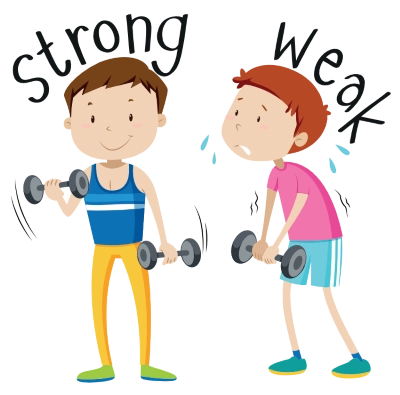

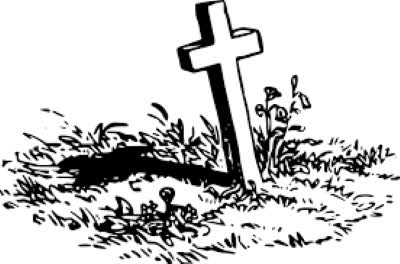
/ded/
(adjective) 死んだ, 死亡した, 使われていない;
(adverb) 完全に, 全く;
(noun) 真ん中, 真っ只中
例:
The bird was found dead in the garden.
その鳥は庭で死んでいるのが見つかった。
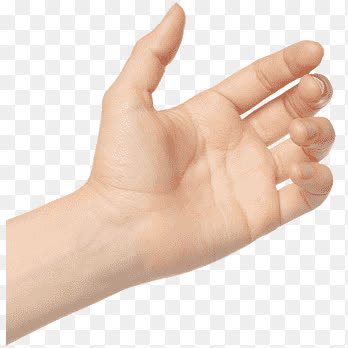
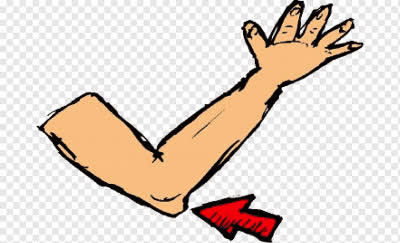
/ˈel.boʊ/
(noun) 肘, 急カーブ, エルボー;
(verb) 肘で押す, 肘で突く
例:
He hit his elbow on the table.
彼はテーブルに肘をぶつけた。
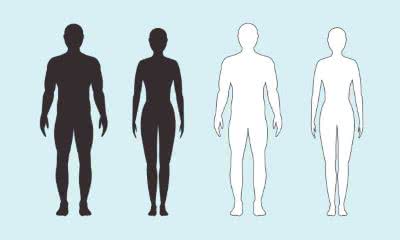
/ˈhjuː.mən/
(adjective) 人間の, 人間に特有の, 人間らしい;
(noun) 人間, 人類
例:
The ability to reason is a unique human trait.
推論する能力は、人間に特有の特性です。