Avatar of Vocabulary Set 健康と病気を描写する

健康 内 健康と病気を描写する 語彙セット:完全かつ詳細なリスト

「健康」内の「健康と病気を描写する」語彙セットは国際標準教材から厳選され、短期間で語彙をマスターできます。定義、例文、標準発音を網羅…

Lingolandでこの語彙セットを学習

今すぐ学習
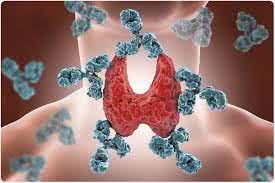
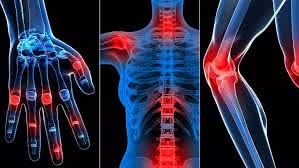
autoimmune

/ˌɑː.t̬oʊ.ɪˈmjuːn/

(adjective) 自己免疫の

例:

She suffers from an autoimmune disease that affects her joints.
彼女は関節に影響を与える自己免疫疾患を患っている。

communicable

/kəˈmjuː.nə.kə.bəl/

(adjective) 伝染性の, 伝達可能な

例:

The disease is highly communicable.
その病気は非常に伝染性が高い。

chronic

/ˈkrɑː.nɪk/

(adjective) 慢性の, 長期的な, 常習的な

例:

She suffers from chronic back pain.
彼女は慢性的な腰痛に苦しんでいる。

catching

/ˈkætʃ.ɪŋ/

(noun) 捕球, 捕獲;

(adjective) うつりやすい, 伝染性の

例:
The outfielder made a spectacular catching of the ball.
外野手はボールを華麗に捕球した。

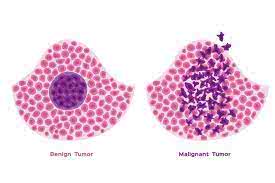
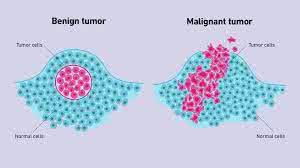
benign

/bɪˈnaɪn/

(adjective) 優しい, 穏やかな, 良性の

例:

He has a benign smile.
彼は優しい笑顔をしている。

autistic

/ɑːˈtɪs.tɪk/

(adjective) 自閉症の

例:

She works with autistic children to help them develop social skills.
彼女は自閉症の子供たちと協力して、彼らが社会性を発達させるのを助けている。

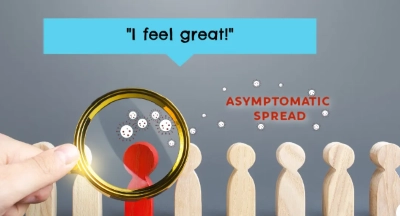
asymptomatic

/ˌeɪ.sɪmp.təˈmæt̬.ɪk/

(adjective) 無症状の

例:

Many people infected with the virus remain asymptomatic.
ウイルスに感染した多くの人々は無症状のままである。

congenital

/kənˈdʒen.ə.t̬əl/

(adjective) 先天性の, 生来の, 天性の

例:

She was born with a congenital heart defect.
彼女は先天性の心臓病を持って生まれた。

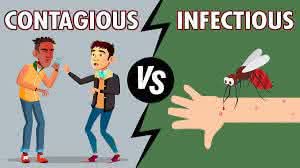
contagious

/kənˈteɪ.dʒəs/

(adjective) 伝染性の, 感染性の

例:

The flu is highly contagious.
インフルエンザは非常に伝染性が高い。

degenerative

/dɪˈdʒen.ə.rə.t̬ɪv/

(adjective) 変性性の, 退行性の

例:

Osteoarthritis is a common degenerative joint disease.
変形性関節症は一般的な変性関節疾患です。

febrile

/ˈfeb.rɪl/

(adjective) 発熱性の, 熱っぽい, 熱狂的な

例:

The patient was admitted with a febrile illness.
患者は発熱性疾患で入院した。

incurable

/ɪnˈkjʊr.ə.bəl/

(adjective) 不治の, 治らない

例:

He has an incurable disease.
彼は不治の病気にかかっている。

infectious

/ɪnˈfek.ʃəs/

(adjective) 感染性の, 伝染性の, 影響力のある

例:

The common cold is an infectious disease.
風邪は感染性の病気です。

inflammatory

/ɪnˈflæm.ə.tɔːr.i/

(adjective) 炎症性の, 扇動的な, 刺激的な

例:

The doctor prescribed medication for the inflammatory condition.
医師は炎症性疾患の薬を処方した。

malignant

/məˈlɪɡ.nənt/

(adjective) 悪性, 悪意のある

例:

He developed a malignant tumor that spread rapidly.
彼は急速に広がる悪性腫瘍を発症した。

mentally

/ˈmen.t̬əl.i/

(adverb) 精神的に, 心の中で, 頭の中で

例:

She is mentally strong and can handle pressure.
彼女は精神的に強く、プレッシャーに対処できる。

mild

/maɪld/

(adjective) 軽い, 穏やかな, 温厚な

例:

She suffered a mild headache.
彼女は軽い頭痛に苦しんだ。

morbid

/ˈmɔːr.bɪd/

(adjective) 病的な, 陰鬱な, 病気の

例:

He has a morbid fascination with true crime stories.
彼は実話犯罪に病的な魅力を感じている。

pathological

/ˌpæθ.əˈlɑː.dʒɪ.kəl/

(adjective) 病理学的, 病的な, 強迫的な

例:

The doctor ordered further tests to determine the pathological changes in the tissue.
医師は組織の病理学的変化を特定するためにさらなる検査を命じた。

psychosomatic

/ˌsaɪ.koʊ.soʊˈmæt̬.ɪk/

(adjective) 心身症の, 心身医学の

例:

Her chronic headaches were diagnosed as psychosomatic.
彼女の慢性的な頭痛は心身症と診断された。

quiescent

/kwiˈes.ənt/

(adjective) 休止状態の, 静止した, 不活発な

例:

The volcano has been quiescent for decades.
その火山は何十年も休止状態にある。

rheumatic

/ruːˈmæt̬.ik/

(adjective) リウマチの, リウマチ性の

例:

He suffered from rheumatic pains in his joints.
彼は関節にリウマチ性の痛みを抱えていた。

terminal

/ˈtɝː.mə.nəl/

(adjective) 末端の, 終点の, 末期の;

(noun) ターミナル, 終点, 端子

例:
The bus arrived at the terminal station.
バスは終点駅に到着した。

tubercular

/tuːˈbɝː.kjə.lɚ/

(adjective) 結核の, 結核性の, 結節状の

例:

The patient was diagnosed with tubercular meningitis.
患者は結核性髄膜炎と診断された。

aggressive

/əˈɡres.ɪv/

(adjective) 攻撃的な, 侵略的な, 積極的な

例:

The dog became aggressive when a stranger approached.
見知らぬ人が近づくと、その犬は攻撃的になった。

allergic

/əˈlɝː.dʒɪk/

(adjective) アレルギーの, アレルギーがある, 嫌悪感がある

例:
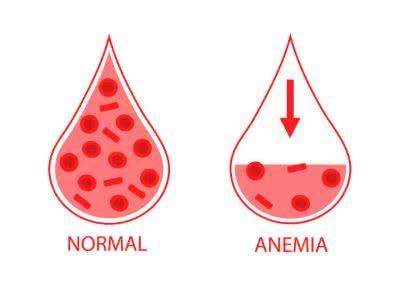
I'm allergic to peanuts.
私はピーナッツアレルギーです。

anemic

/əˈniː.mɪk/

(adjective) 貧血の, 精彩を欠く, 活気のない

例:

The patient was diagnosed as anemic and prescribed iron supplements.
患者は貧血と診断され、鉄分補給が処方された。

asthmatic

/æzˈmæt̬.ɪk/

(noun) 喘息患者;

(adjective) 喘息の, 喘息性の

例:

The doctor advised the young asthmatic to avoid dusty environments.
医師は若い喘息患者にほこりっぽい環境を避けるよう助言した。

diabetic

/ˌdaɪ.əˈbet̬.ɪk/

(noun) 糖尿病患者;

(adjective) 糖尿病の

例:

My grandmother is a diabetic and needs to monitor her blood sugar.
私の祖母は糖尿病患者で、血糖値を監視する必要があります。

diseased

/dɪˈziːzd/

(adjective) 病気の, 罹患した

例:

The doctor identified the diseased tissue.
医師は病気の組織を特定した。

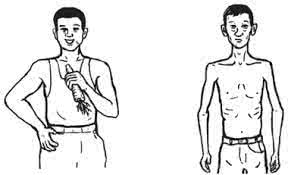
emaciated

/iˈmeɪ.si.eɪ.t̬ɪd/

(adjective) やせ細った, 衰弱した

例:

The starving dog was terribly emaciated.
飢えた犬はひどくやせ細っていた。

life-limiting

/ˈlaɪfˌlɪm.ɪ.tɪŋ/

(adjective) 生命を制限する

例:

She was diagnosed with a life-limiting illness.
彼女は生命を制限する病気と診断された。

malarial

/məˈler.i.əl/

(adjective) マラリアの, マラリア性の

例:

The region is known for its high incidence of malarial diseases.
この地域はマラリア病の発生率が高いことで知られている。

nauseous

/ˈnɑː.ʃəs/

(adjective) 吐き気がする, むかつく, 吐き気を催す

例:

The smell of the rotten food made her feel nauseous.
腐った食べ物の匂いで彼女は吐き気がした。

viral

/ˈvaɪ.rəl/

(adjective) ウイルス性の, バイラル, 拡散する

例:

The doctor diagnosed a viral infection.
医師はウイルス性感染症と診断した。

virulent

/ˈvɪr.jə.lənt/

(adjective) 毒性の強い, 悪性の, 激しい

例:

The disease was caused by a highly virulent strain of bacteria.
その病気は非常に毒性の強い細菌株によって引き起こされた。

notifiable

/ˈnoʊ.t̬ə.faɪ.ə.bəl/

(adjective) 届出義務のある, 通知すべき

例:

Measles is a notifiable disease.
麻疹は届出義務のある疾患です。

peaky

/ˈpiː.ki/

(adjective) 顔色の悪い, 病弱な

例:

You're looking a bit peaky today; are you feeling alright?
今日は少し顔色が悪いですね。大丈夫ですか?

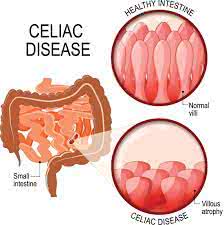
celiac

/ˈsiː.li.æk/

(adjective) 腹腔の, 腹部の, セリアック病の

例:

The celiac artery supplies blood to the stomach, liver, and spleen.
腹腔動脈は胃、肝臓、脾臓に血液を供給します。

symptomatic

/ˌsɪmp.təˈmæt̬.ɪk/

(adjective) 症状の, 兆候の, 対症的な

例:

His fatigue was symptomatic of a deeper health issue.
彼の疲労は、より深い健康問題の兆候だった。

wasted

/ˈweɪs.tɪd/

(adjective) 無駄な, 無益な, 衰弱した;

(past participle) 無駄にした, 浪費した

例:
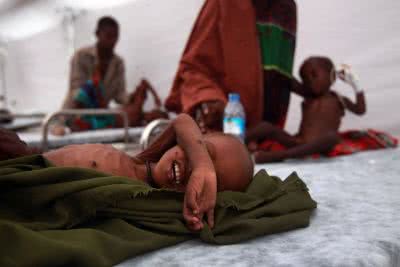
It was a wasted opportunity to make a difference.
それは変化をもたらす無駄な機会だった。

undernourished

/ˌʌn.dɚˈnɝː.ɪʃt/

(adjective) 栄養失調の, 栄養不足の

例:

Many children in the region are severely undernourished.
その地域の多くの子供たちは深刻な栄養失調です。

unfit

/ʌnˈfɪt/

(adjective) 不適格な, 不適切な, 不健康な

例:

The old building was declared unfit for human habitation.
その古い建物は人間の居住には不適格と宣言された。

unhealthy

/ʌnˈhel.θi/

(adjective) 不健康な, 体に悪い, 病弱な

例:

Eating too much fast food is unhealthy.
ファストフードを食べ過ぎるのは不健康です。

weak

/wiːk/

(adjective) 弱い, 弱々しい, 説得力のない

例:

After the illness, he felt very weak.
病気の後、彼はとても弱く感じた。

run-down

/ˌrʌnˈdaʊn/

(adjective) 荒廃した, 荒れ果てた, 疲れ果てた

例:

The old house was completely run-down.
その古い家は完全に荒廃していた

seasick

/ˈsiː.sɪk/

(adjective) 船酔い, 船酔いする

例:

She felt seasick as soon as the boat started moving.
船が動き出すとすぐに彼女は船酔いした。

sick

/sɪk/

(adjective) 病気の, 吐き気がする, すごい;

(verb) 吐く, 嘔吐する

例:

I feel sick, I think I ate something bad.
気分が悪い、何か悪いものを食べたと思う。

splitting

/ˈsplɪt̬.ɪŋ/

(noun) 分裂, 分割;

(adjective) 割れるような, 突き刺すような;

(verb) 割れる, 分裂する

例:
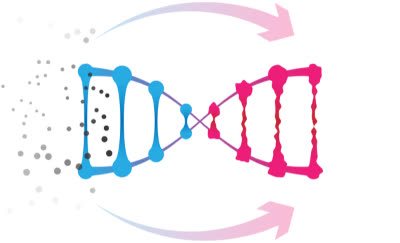
The splitting of the atom released immense energy.
原子の分裂は莫大なエネルギーを放出した。

hereditary

/həˈred.ə.ter.i/

(adjective) 遺伝性の, 世襲の

例:

Blue eyes are a hereditary trait in her family.
青い目は彼女の家族の遺伝的な特徴です。

genetic

/dʒəˈnet̬.ɪk/

(adjective) 遺伝子の, 遺伝的な

例:

The disease has a strong genetic component.
その病気は強い遺伝的要素を持っている。

anorexic

/ˌæn.əˈrek.sɪk/

(adjective) 拒食症の;

(noun) 拒食症患者

例:

She was diagnosed with an anorexic condition.
彼女は拒食症の状態と診断された。

pinched

/pɪntʃt/

(adjective) 困窮した, 乏しい, やつれた;

(verb) つねる, 挟む, 盗む

例:

The family was pinched for cash after the job loss.
仕事を失った後、家族は金銭的に困窮していた

sea legs

/ˈsiː leɡz/

(idiom) 船酔いしない体質, 船上での平衡感覚, 慣れる

例:

It took him a few days to get his sea legs on the cruise.
クルーズで船酔いしない体質になるのに数日かかった。
Lingolandでこの語彙セットを学習