Avatar of Vocabulary Set 描述健康与疾病

词汇集 描述健康与疾病(属于 健康):完整且详细的清单

词汇集「描述健康与疾病」(属于「健康」)从国际标准教材来源精心挑选,帮助您在短时间内掌握词汇。全面汇整定义、例句及标准发音…

在 Lingoland 学习此词汇集

立即学习
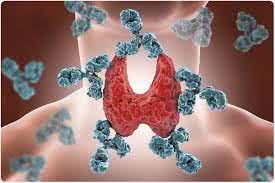
autoimmune

/ˌɑː.t̬oʊ.ɪˈmjuːn/

(adjective) 自身免疫的

示例:

She suffers from an autoimmune disease that affects her joints.
她患有影响关节的自身免疫疾病。

communicable

/kəˈmjuː.nə.kə.bəl/

(adjective) 可传播的, 传染性的

示例:

The disease is highly communicable.
这种疾病具有高度传染性

chronic

/ˈkrɑː.nɪk/

(adjective) 慢性的, 长期的, 积习难改的

示例:

She suffers from chronic back pain.
她患有慢性背痛。

catching

/ˈkætʃ.ɪŋ/

(noun) 接球, 捕捉;

(adjective) 传染性的, 有感染力的

示例:
The outfielder made a spectacular catching of the ball.
外野手精彩地接住了球。

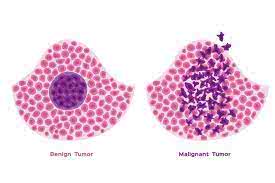
benign

/bɪˈnaɪn/

(adjective) 和蔼的, 仁慈的, 良性的

示例:

He has a benign smile.
他有一个和蔼的笑容。

autistic

/ɑːˈtɪs.tɪk/

(adjective) 自闭症的

示例:

She works with autistic children to help them develop social skills.
她与自闭症儿童一起工作,帮助他们发展社交技能。

asymptomatic

/ˌeɪ.sɪmp.təˈmæt̬.ɪk/

(adjective) 无症状的

示例:

Many people infected with the virus remain asymptomatic.
许多感染病毒的人仍然无症状

congenital

/kənˈdʒen.ə.t̬əl/

(adjective) 先天的, 与生俱来的, 天生的

示例:

She was born with a congenital heart defect.
她出生时患有先天性心脏缺陷。

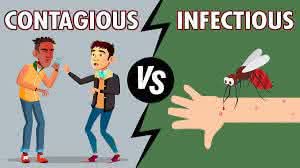
contagious

/kənˈteɪ.dʒəs/

(adjective) 传染性的, 有感染力的

示例:

The flu is highly contagious.
流感具有高度传染性

degenerative

/dɪˈdʒen.ə.rə.t̬ɪv/

(adjective) 退行性, 变性

示例:

Osteoarthritis is a common degenerative joint disease.
骨关节炎是一种常见的退行性关节疾病。

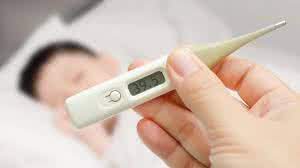
febrile

/ˈfeb.rɪl/

(adjective) 发热的, 发烧的, 狂热的

示例:

The patient was admitted with a febrile illness.
病人因发热性疾病入院。

incurable

/ɪnˈkjʊr.ə.bəl/

(adjective) 不治的, 无法治愈的

示例:

He has an incurable disease.
他患有不治之症

infectious

/ɪnˈfek.ʃəs/

(adjective) 传染性的, 感染性的, 有感染力的

示例:

The common cold is an infectious disease.
普通感冒是一种传染性疾病。

inflammatory

/ɪnˈflæm.ə.tɔːr.i/

(adjective) 炎症性的, 煽动性的, 激烈的

示例:

The doctor prescribed medication for the inflammatory condition.
医生为这种炎症性疾病开了药。

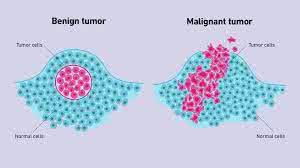
malignant

/məˈlɪɡ.nənt/

(adjective) 恶性的, 恶意的

示例:

He developed a malignant tumor that spread rapidly.
他患上了一种迅速扩散的恶性肿瘤。

mentally

/ˈmen.t̬əl.i/

(adverb) 精神上, 心理上, 在心里

示例:

She is mentally strong and can handle pressure.
精神上很强大,能够承受压力。

mild

/maɪld/

(adjective) 轻微的, 温和的, 和善的

示例:

She suffered a mild headache.
她患有轻微的头痛。

morbid

/ˈmɔːr.bɪd/

(adjective) 病态的, 不健康的, 疾病的

示例:

He has a morbid fascination with true crime stories.
他对真实犯罪故事有着病态的迷恋。

pathological

/ˌpæθ.əˈlɑː.dʒɪ.kəl/

(adjective) 病理的, 病态的, 强迫性的

示例:

The doctor ordered further tests to determine the pathological changes in the tissue.
医生要求进行进一步检查以确定组织中的病理变化。

psychosomatic

/ˌsaɪ.koʊ.soʊˈmæt̬.ɪk/

(adjective) 心身性, 身心性

示例:

Her chronic headaches were diagnosed as psychosomatic.
她的慢性头痛被诊断为心身性的。

quiescent

/kwiˈes.ənt/

(adjective) 静止的, 休眠的, 不活动的

示例:

The volcano has been quiescent for decades.
这座火山已经休眠了几十年。

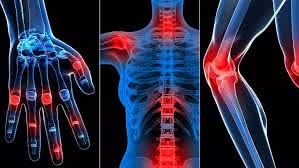
rheumatic

/ruːˈmæt̬.ik/

(adjective) 风湿的, 风湿病的

示例:

He suffered from rheumatic pains in his joints.
他患有风湿性关节疼痛。

terminal

/ˈtɝː.mə.nəl/

(adjective) 末端的, 终点的, 绝症的;

(noun) 终点站, 航站楼, 端子

示例:
The bus arrived at the terminal station.
巴士抵达了终点站。

tubercular

/tuːˈbɝː.kjə.lɚ/

(adjective) 结核的, 患结核病的, 结节状的

示例:

The patient was diagnosed with tubercular meningitis.
该患者被诊断出患有结核性脑膜炎。

aggressive

/əˈɡres.ɪv/

(adjective) 攻击性的, 侵略性的, 积极的

示例:

The dog became aggressive when a stranger approached.
当陌生人靠近时,狗变得具有攻击性

allergic

/əˈlɝː.dʒɪk/

(adjective) 过敏的, 讨厌, 反感

示例:

I'm allergic to peanuts.
我对花生过敏

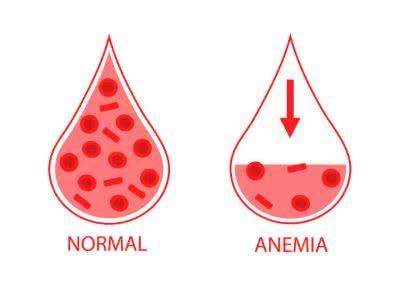
anemic

/əˈniː.mɪk/

(adjective) 贫血的, 苍白无力, 缺乏活力

示例:

The patient was diagnosed as anemic and prescribed iron supplements.
患者被诊断为贫血,并开具了铁补充剂。

asthmatic

/æzˈmæt̬.ɪk/

(noun) 哮喘患者;

(adjective) 哮喘的, 患哮喘的

示例:

The doctor advised the young asthmatic to avoid dusty environments.
医生建议这位年轻的哮喘患者避免尘土飞扬的环境。

diabetic

/ˌdaɪ.əˈbet̬.ɪk/

(noun) 糖尿病患者;

(adjective) 糖尿病的

示例:

My grandmother is a diabetic and needs to monitor her blood sugar.
我奶奶是糖尿病患者,需要监测血糖。

diseased

/dɪˈziːzd/

(adjective) 患病的, 有病的

示例:

The doctor identified the diseased tissue.
医生确认了病变组织。

emaciated

/iˈmeɪ.si.eɪ.t̬ɪd/

(adjective) 瘦弱的, 憔悴的, 消瘦的

示例:

The starving dog was terribly emaciated.
那只饥饿的狗瘦得可怕。

life-limiting

/ˈlaɪfˌlɪm.ɪ.tɪŋ/

(adjective) 限制生命的

示例:

She was diagnosed with a life-limiting illness.
她被诊断出患有限制生命的疾病。

malarial

/məˈler.i.əl/

(adjective) 疟疾的, 患疟疾的

示例:

The region is known for its high incidence of malarial diseases.
该地区以疟疾发病率高而闻名。

nauseous

/ˈnɑː.ʃəs/

(adjective) 恶心的, 想吐的, 令人作呕的

示例:

The smell of the rotten food made her feel nauseous.
腐烂食物的气味让她感到恶心

viral

/ˈvaɪ.rəl/

(adjective) 病毒性的, 病毒式传播的, 走红的

示例:

The doctor diagnosed a viral infection.
医生诊断出病毒性感染。

virulent

/ˈvɪr.jə.lənt/

(adjective) 剧毒的, 恶性的, 有害的

示例:

The disease was caused by a highly virulent strain of bacteria.
这种疾病是由一种高度剧毒的细菌引起的。

notifiable

/ˈnoʊ.t̬ə.faɪ.ə.bəl/

(adjective) 需要报告的, 可通知的

示例:

Measles is a notifiable disease.
麻疹是一种需要报告的疾病。

peaky

/ˈpiː.ki/

(adjective) 苍白的, 病态的

示例:

You're looking a bit peaky today; are you feeling alright?
你今天看起来有点苍白;你还好吗?

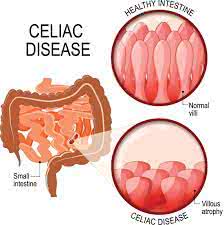
celiac

/ˈsiː.li.æk/

(adjective) 腹腔的, 腹部的, 乳糜泻的

示例:

The celiac artery supplies blood to the stomach, liver, and spleen.
腹腔动脉为胃、肝脏和脾脏供血。

symptomatic

/ˌsɪmp.təˈmæt̬.ɪk/

(adjective) 症状的, 有征兆的, 对症的

示例:

His fatigue was symptomatic of a deeper health issue.
他的疲劳是更深层健康问题的症状

wasted

/ˈweɪs.tɪd/

(adjective) 浪费的, 白费的, 虚弱的;

(past participle) 浪费, 虚度

示例:
It was a wasted opportunity to make a difference.
这是一个浪费的机会来做出改变。

undernourished

/ˌʌn.dɚˈnɝː.ɪʃt/

(adjective) 营养不良的, 营养不足的

示例:

Many children in the region are severely undernourished.
该地区许多儿童严重营养不良

unfit

/ʌnˈfɪt/

(adjective) 不适合的, 不合格的, 不健康的

示例:

The old building was declared unfit for human habitation.
这座旧建筑被宣布不适合人类居住。

unhealthy

/ʌnˈhel.θi/

(adjective) 不健康的, 有害健康的, 病态的

示例:

Eating too much fast food is unhealthy.
吃太多快餐是不健康的

weak

/wiːk/

(adjective) 虚弱的, 无力的, 薄弱的

示例:

After the illness, he felt very weak.
生病后,他感到非常虚弱

run-down

/ˌrʌnˈdaʊn/

(adjective) 破旧的, 衰败的, 疲惫的

示例:

The old house was completely run-down.
那座老房子完全破旧不堪

seasick

/ˈsiː.sɪk/

(adjective) 晕船的, 患有晕船症的

示例:

She felt seasick as soon as the boat started moving.
船一开动,她就感到晕船

sick

/sɪk/

(adjective) 生病的, 恶心的, 酷;

(verb) 呕吐, 吐

示例:

I feel sick, I think I ate something bad.
我感觉不舒服,我想我吃了不好的东西。

splitting

/ˈsplɪt̬.ɪŋ/

(noun) 分裂, 拆分;

(adjective) 剧烈的, 裂开的;

(verb) 开裂, 分裂

示例:

The splitting of the atom released immense energy.
原子的分裂释放了巨大的能量。

hereditary

/həˈred.ə.ter.i/

(adjective) 遗传的, 世袭的

示例:

Blue eyes are a hereditary trait in her family.
蓝眼睛是她家族的遗传特征。

genetic

/dʒəˈnet̬.ɪk/

(adjective) 遗传的, 基因的

示例:

The disease has a strong genetic component.
这种疾病有很强的遗传因素。

anorexic

/ˌæn.əˈrek.sɪk/

(adjective) 厌食症的;

(noun) 厌食症患者

示例:

She was diagnosed with an anorexic condition.
她被诊断出患有厌食症

pinched

/pɪntʃt/

(adjective) 拮据, 紧巴巴的, 憔悴的;

(verb) 捏, 夹, 偷

示例:

The family was pinched for cash after the job loss.
失业后,这家人手头很紧

sea legs

/ˈsiː leɡz/

(idiom) 海上适应能力, 不晕船的能力, 适应

示例:

It took him a few days to get his sea legs on the cruise.
他花了好几天才在游轮上适应海上生活
在 Lingoland 学习此词汇集