Avatar of Vocabulary Set 건강과 질병 묘사하기

건강 내 건강과 질병 묘사하기 어휘 세트: 완전하고 상세한 목록

'건강' 내 '건강과 질병 묘사하기' 어휘 세트는 국제 표준 교재 출처에서 엄선되어 짧은 시간 안에 어휘를 마스터할 수 있도록 도와줍니다. 정의, 예문, 표준 발음을 완벽하게 수록...

Lingoland에서 이 어휘 세트 학습하기

지금 학습하기
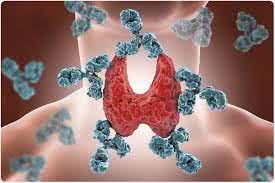
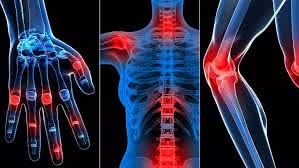
autoimmune

/ˌɑː.t̬oʊ.ɪˈmjuːn/

(adjective) 자가면역의

예시:

She suffers from an autoimmune disease that affects her joints.
그녀는 관절에 영향을 미치는 자가면역 질환을 앓고 있다.

communicable

/kəˈmjuː.nə.kə.bəl/

(adjective) 전염성의, 전달 가능한

예시:

The disease is highly communicable.
그 질병은 매우 전염성이 강하다.

chronic

/ˈkrɑː.nɪk/

(adjective) 만성적인, 오래 지속되는, 습관적인

예시:

She suffers from chronic back pain.
그녀는 만성적인 허리 통증을 겪고 있다.

catching

/ˈkætʃ.ɪŋ/

(noun) 포구, 잡기;

(adjective) 전염성이 있는, 감염성 있는

예시:
The outfielder made a spectacular catching of the ball.
외야수는 공을 멋지게 잡았다.

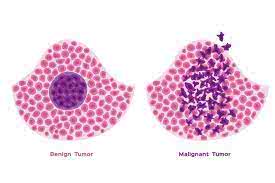
benign

/bɪˈnaɪn/

(adjective) 온화한, 친절한, 양성의

예시:

He has a benign smile.
그는 온화한 미소를 짓고 있다.

autistic

/ɑːˈtɪs.tɪk/

(adjective) 자폐증의, 자폐적인

예시:

She works with autistic children to help them develop social skills.
그녀는 자폐증 아동들과 함께 사회성 기술을 개발하도록 돕는다.

asymptomatic

/ˌeɪ.sɪmp.təˈmæt̬.ɪk/

(adjective) 무증상의

예시:

Many people infected with the virus remain asymptomatic.
바이러스에 감염된 많은 사람들이 무증상으로 남아있다.

congenital

/kənˈdʒen.ə.t̬əl/

(adjective) 선천적인, 타고난, 천성의

예시:

She was born with a congenital heart defect.
그녀는 선천성 심장 결함을 가지고 태어났다.

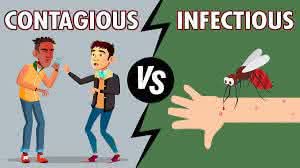
contagious

/kənˈteɪ.dʒəs/

(adjective) 전염성의, 전염성이 있는, 영향을 미치는

예시:

The flu is highly contagious.
독감은 매우 전염성이 강하다.

degenerative

/dɪˈdʒen.ə.rə.t̬ɪv/

(adjective) 퇴행성의

예시:

Osteoarthritis is a common degenerative joint disease.
골관절염은 흔한 퇴행성 관절 질환이다.

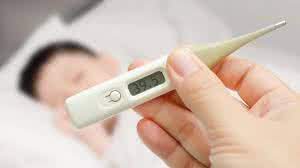
febrile

/ˈfeb.rɪl/

(adjective) 열이 나는, 열성, 흥분한

예시:

The patient was admitted with a febrile illness.
환자는 열성 질환으로 입원했다.

incurable

/ɪnˈkjʊr.ə.bəl/

(adjective) 불치의, 고칠 수 없는

예시:

He has an incurable disease.
그는 불치병을 앓고 있다.

infectious

/ɪnˈfek.ʃəs/

(adjective) 전염성의, 감염성의, 전염성 있는

예시:

The common cold is an infectious disease.
감기는 전염성 질병이다.

inflammatory

/ɪnˈflæm.ə.tɔːr.i/

(adjective) 염증성의, 선동적인, 자극적인

예시:

The doctor prescribed medication for the inflammatory condition.
의사는 염증성 질환에 대한 약을 처방했다.

malignant

/məˈlɪɡ.nənt/

(adjective) 악성, 악의적인

예시:

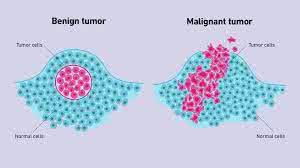
He developed a malignant tumor that spread rapidly.
그는 빠르게 퍼지는 악성 종양에 걸렸다.

mentally

/ˈmen.t̬əl.i/

(adverb) 정신적으로, 마음으로, 마음속으로

예시:

She is mentally strong and can handle pressure.
그녀는 정신적으로 강해서 압박감을 잘 처리할 수 있다.

mild

/maɪld/

(adjective) 가벼운, 온화한, 부드러운

예시:

She suffered a mild headache.
그녀는 가벼운 두통을 겪었다.

morbid

/ˈmɔːr.bɪd/

(adjective) 병적인, 음울한, 질병의

예시:

He has a morbid fascination with true crime stories.
그는 실제 범죄 이야기에 병적인 매력을 느낀다.

pathological

/ˌpæθ.əˈlɑː.dʒɪ.kəl/

(adjective) 병리학적, 병적인, 강박적인

예시:

The doctor ordered further tests to determine the pathological changes in the tissue.
의사는 조직의 병리학적 변화를 확인하기 위해 추가 검사를 지시했다.

psychosomatic

/ˌsaɪ.koʊ.soʊˈmæt̬.ɪk/

(adjective) 심인성, 정신 신체

예시:

Her chronic headaches were diagnosed as psychosomatic.
그녀의 만성 두통은 심인성으로 진단되었다.

quiescent

/kwiˈes.ənt/

(adjective) 휴면 상태의, 정지된, 조용한

예시:

The volcano has been quiescent for decades.
그 화산은 수십 년 동안 휴면 상태였다.

rheumatic

/ruːˈmæt̬.ik/

(adjective) 류마티스성

예시:

He suffered from rheumatic pains in his joints.
그는 관절에 류마티스성 통증을 겪었다.

terminal

/ˈtɝː.mə.nəl/

(adjective) 말단의, 최종의, 말기의;

(noun) 터미널, 종점, 단자

예시:
The bus arrived at the terminal station.
버스는 종점에 도착했다.

tubercular

/tuːˈbɝː.kjə.lɚ/

(adjective) 결핵의, 결핵성, 결절 모양의

예시:

The patient was diagnosed with tubercular meningitis.
환자는 결핵성 뇌수막염으로 진단받았다.

aggressive

/əˈɡres.ɪv/

(adjective) 공격적인, 적극적인, 공세적인

예시:

The dog became aggressive when a stranger approached.
낯선 사람이 다가오자 그 개는 공격적으로 변했다.

allergic

/əˈlɝː.dʒɪk/

(adjective) 알레르기가 있는, 혐오하는

예시:

I'm allergic to peanuts.
나는 땅콩 알레르기가 있어.

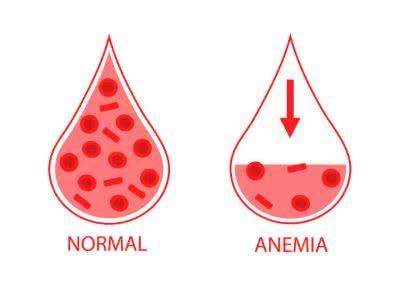
anemic

/əˈniː.mɪk/

(adjective) 빈혈의, 무기력한, 약한

예시:

The patient was diagnosed as anemic and prescribed iron supplements.
환자는 빈혈로 진단받고 철분 보충제를 처방받았다.

asthmatic

/æzˈmæt̬.ɪk/

(noun) 천식 환자;

(adjective) 천식의, 천식성

예시:

The doctor advised the young asthmatic to avoid dusty environments.
의사는 어린 천식 환자에게 먼지 많은 환경을 피하라고 조언했다.

diabetic

/ˌdaɪ.əˈbet̬.ɪk/

(noun) 당뇨병 환자;

(adjective) 당뇨병의

예시:

My grandmother is a diabetic and needs to monitor her blood sugar.
우리 할머니는 당뇨병 환자라서 혈당을 관리해야 해.

diseased

/dɪˈziːzd/

(adjective) 병든, 질병에 걸린

예시:

The doctor identified the diseased tissue.
의사는 병든 조직을 확인했다.

emaciated

/iˈmeɪ.si.eɪ.t̬ɪd/

(adjective) 쇠약해진, 수척한, 몹시 마른

예시:

The starving dog was terribly emaciated.
굶주린 개는 끔찍하게 쇠약해져 있었다.

life-limiting

/ˈlaɪfˌlɪm.ɪ.tɪŋ/

(adjective) 생명 제한적인

예시:

She was diagnosed with a life-limiting illness.
그녀는 생명 제한적인 질병으로 진단받았다.

malarial

/məˈler.i.əl/

(adjective) 말라리아의, 말라리아성

예시:

The region is known for its high incidence of malarial diseases.
이 지역은 말라리아 질병 발생률이 높은 것으로 알려져 있다.

nauseous

/ˈnɑː.ʃəs/

(adjective) 메스꺼운, 구역질 나는, 메스꺼움을 유발하는

예시:

The smell of the rotten food made her feel nauseous.
썩은 음식 냄새가 그녀를 메스껍게 만들었다.

viral

/ˈvaɪ.rəl/

(adjective) 바이러스성, 입소문이 난

예시:

The doctor diagnosed a viral infection.
의사는 바이러스성 감염이라고 진단했다.

virulent

/ˈvɪr.jə.lənt/

(adjective) 독성이 강한, 악성의, 맹렬한

예시:

The disease was caused by a highly virulent strain of bacteria.
그 질병은 매우 독성이 강한 박테리아 균주에 의해 발생했다.

notifiable

/ˈnoʊ.t̬ə.faɪ.ə.bəl/

(adjective) 신고해야 하는, 통보할 수 있는

예시:

Measles is a notifiable disease.
홍역은 신고해야 하는 질병이다.

peaky

/ˈpiː.ki/

(adjective) 창백한, 병약한

예시:

You're looking a bit peaky today; are you feeling alright?
오늘 좀 창백해 보이는데, 괜찮아?

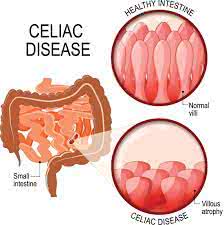
celiac

/ˈsiː.li.æk/

(adjective) 복강의, 복부의, 셀리악병의

예시:

The celiac artery supplies blood to the stomach, liver, and spleen.
복강 동맥은 위, 간, 비장에 혈액을 공급한다.

symptomatic

/ˌsɪmp.təˈmæt̬.ɪk/

(adjective) 증상적인, 징후적인

예시:

His fatigue was symptomatic of a deeper health issue.
그의 피로는 더 깊은 건강 문제의 증상이었다.

wasted

/ˈweɪs.tɪd/

(adjective) 낭비된, 허비된, 쇠약해진;

(past participle) 낭비했다, 허비했다

예시:
It was a wasted opportunity to make a difference.
그것은 변화를 만들 낭비된 기회였다.

undernourished

/ˌʌn.dɚˈnɝː.ɪʃt/

(adjective) 영양실조의, 영양 부족의

예시:

Many children in the region are severely undernourished.
그 지역의 많은 아이들이 심각하게 영양실조 상태이다.

unfit

/ʌnˈfɪt/

(adjective) 부적합한, 부적절한, 건강하지 못한

예시:

The old building was declared unfit for human habitation.
그 오래된 건물은 사람이 살기에 부적합하다고 선언되었다.

unhealthy

/ʌnˈhel.θi/

(adjective) 건강에 해로운, 불건강한, 건강하지 못한

예시:

Eating too much fast food is unhealthy.
패스트푸드를 너무 많이 먹는 것은 건강에 해롭다.

weak

/wiːk/

(adjective) 약한, 힘없는, 설득력 없는

예시:

After the illness, he felt very weak.
병을 앓고 나서 그는 매우 약해졌다.

run-down

/ˌrʌnˈdaʊn/

(adjective) 황폐한, 낡은, 지친

예시:

The old house was completely run-down.
그 오래된 집은 완전히 황폐했다.

seasick

/ˈsiː.sɪk/

(adjective) 멀미하는, 배멀미하는

예시:

She felt seasick as soon as the boat started moving.
배가 움직이기 시작하자마자 그녀는 멀미를 느꼈다.

sick

/sɪk/

(adjective) 아픈, 메스꺼운, 멋진;

(verb) 토하다, 구토하다

예시:

I feel sick, I think I ate something bad.
속이 안 좋아, 뭔가 잘못 먹은 것 같아.

splitting

/ˈsplɪt̬.ɪŋ/

(noun) 분열, 분할;

(adjective) 머리가 깨질 듯한, 찢어질 듯한;

(verb) 갈라지는, 분열하는

예시:
The splitting of the atom released immense energy.
원자의 분열은 엄청난 에너지를 방출했다.

hereditary

/həˈred.ə.ter.i/

(adjective) 유전적인, 세습적인

예시:

Blue eyes are a hereditary trait in her family.
파란 눈은 그녀 가족의 유전적인 특성이다.

genetic

/dʒəˈnet̬.ɪk/

(adjective) 유전적인, 유전학적인

예시:

The disease has a strong genetic component.
그 질병은 강한 유전적 요소를 가지고 있다.

anorexic

/ˌæn.əˈrek.sɪk/

(adjective) 거식증의;

(noun) 거식증 환자

예시:

She was diagnosed with an anorexic condition.
그녀는 거식증 진단을 받았다.

pinched

/pɪntʃt/

(adjective) 궁핍한, 부족한, 수척한;

(verb) 꼬집다, 조이다, 훔치다

예시:

The family was pinched for cash after the job loss.
일자리를 잃은 후 가족은 돈이 부족했다.

sea legs

/ˈsiː leɡz/

(idiom) 뱃멀미 극복 능력, 선상 균형 감각, 적응하다

예시:

It took him a few days to get his sea legs on the cruise.
그는 크루즈에서 뱃멀미를 극복하는 데 며칠이 걸렸다.
Lingoland에서 이 어휘 세트 학습하기