Avatar of Vocabulary Set 提案をする 1

決定 内 提案をする 1 語彙セット:完全かつ詳細なリスト

「決定」内の「提案をする 1」語彙セットは国際標準教材から厳選され、短期間で語彙をマスターできます。定義、例文、標準発音を網羅…

Lingolandでこの語彙セットを学習

今すぐ学習

advance

/ədˈvæns/

(noun) 前進, 進歩, 前払い;

(verb) 前進する, 進歩する, 前払いする;

(adjective) 事前の, 先行の

例:

The army made a rapid advance towards the enemy lines.
軍は敵陣に向かって急速な前進をした。

alternatively

/ɑːlˈtɝː.nə.t̬ɪv.li/

(adverb) あるいは, 別の方法で

例:

You can take the bus, or alternatively, you can walk.
バスに乗ることもできますし、あるいは歩くこともできます。

always

/ˈɑːl.weɪz/

(adverb) いつも, 常に, いつまでも

例:

She always arrives on time.
彼女はいつも時間通りに到着します。

bespeak

/bɪˈspiːk/

(verb) 示す, 表す, 物語る

例:

His elegant manners bespeak a refined upbringing.
彼の優雅な態度は洗練された育ちを示している

better

/ˈbet̬.ɚ/

(adjective) より良い, もっと良い;

(adverb) より良く, もっと上手に;

(verb) 改善する, 上回る;

(noun) 目上の人, 上位者

例:

This new model is much better than the old one.
この新しいモデルは古いものよりずっと良い

bring forward

/brɪŋ ˈfɔːr.wərd/

(phrasal verb) 前倒しする, 早める, 提示する

例:

Can we bring forward the meeting to Monday instead of Wednesday?
会議を水曜日ではなく月曜日に前倒しできますか?

can

/kæn/

(modal verb) できる, 可能である, 可能性がある;

(noun) 缶, 缶詰;

(verb) 缶詰にする, 保存する

例:

I can swim.
私は泳ぐことができます

challenge

/ˈtʃæl.ɪndʒ/

(noun) 挑戦, 果たし状, 課題;

(verb) 挑戦する, 異議を唱える, 疑問を呈する

例:
He accepted the challenge to a duel.
彼は決闘の挑戦を受け入れた。

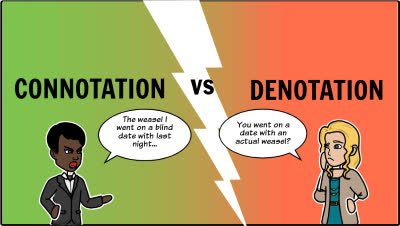
connotation

/ˌkɑː.nəˈteɪ.ʃən/

(noun) 含意, 暗示

例:

The word 'home' has a warm connotation.
「家」という言葉には温かい含意がある。

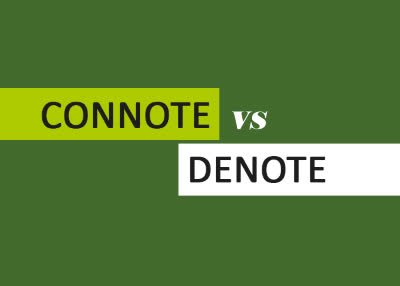
connote

/kəˈnoʊt/

(verb) 暗示する, 含意する

例:

The word 'home' may connote warmth and comfort.
「家」という言葉は、温かさと快適さを暗示するかもしれません。

could

/kʊd/

(modal verb) できた, 可能だった, かもしれない

例:

She could run very fast when she was younger.
彼女は若い頃、とても速く走ることができた

failing

/ˈfeɪ.lɪŋ/

(noun) 欠点, 弱点, 失敗;

(preposition) それがだめなら, もしそうでなければ;

(adjective) 衰えている, 機能不全の

例:

Despite his many talents, his biggest failing was his inability to manage money.
彼の多くの才能にもかかわらず、最大の欠点はお金の管理ができないことだった。

float

/floʊt/

(verb) 浮く, 漂う, 浮遊する;

(noun) 浮き, フロート, 山車

例:

The boat began to float on the water.
ボートは水面に浮かび始めた。

for what it's worth

/fɔːr wʌt ɪts wɜːrθ/

(idiom) 参考までに, ともかく

例:

For what it's worth, I think you did a great job.
参考までに、あなたは素晴らしい仕事をしたと思います。

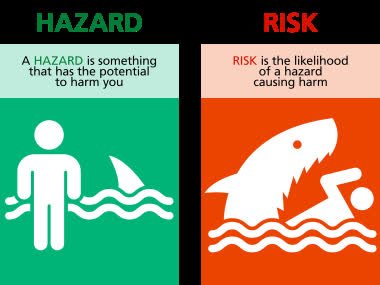
hazard

/ˈhæz.ɚd/

(noun) 危険, 危害;

(verb) 危険にさらす, あえてする

例:

The construction site was full of potential hazards.
建設現場は潜在的な危険でいっぱいだった。

hint

/hɪnt/

(noun) ヒント, 手がかり, 暗示;

(verb) 示唆する, ほのめかす, 暗示する

例:
She dropped a hint about what she wanted for her birthday.
彼女は誕生日に何が欲しいかについてヒントを落とした。

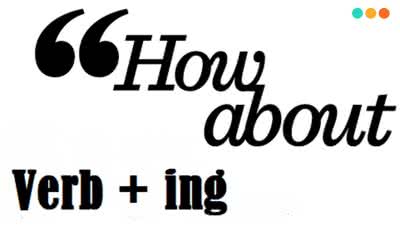
how about

/haʊ əˈbaʊt/

(phrase) いかがですか, どうですか

例:

How about we go to the movies tonight?
今夜映画に行きませんか?

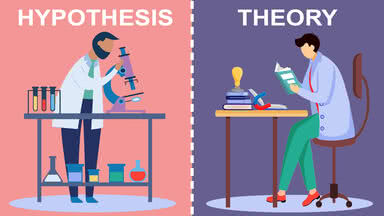
hypothesize

/haɪˈpɑː.θə.saɪz/

(verb) 仮説を立てる, 仮定する

例:

Scientists hypothesize that the universe began with a Big Bang.
科学者たちは宇宙がビッグバンで始まったと仮説を立てている

idea

/aɪˈdiː.ə/

(noun) アイデア, 考え, 概念

例:

That's a great idea!
それは素晴らしいアイデアですね!

I'll tell you what

/aɪl tɛl ju wʌt/

(phrase) あのね, いいかい

例:

I'll tell you what, let's just order pizza tonight.
あのね、今夜はピザを注文しよう。

implicit

/ɪmˈplɪs.ɪt/

(adjective) 暗黙の, 潜在的な, 絶対的な

例:

Her silence was taken as implicit consent.
彼女の沈黙は暗黙の同意と受け取られた。

implicitly

/ɪmˈplɪs.ɪt.li/

(adverb) 暗黙のうちに, それとなく, 完全に

例:

He implicitly agreed to the terms by not objecting.
彼は異議を唱えなかったことで、暗黙のうちに条件に同意した。
Lingolandでこの語彙セットを学習