
词汇集 提出建议 1(属于 决定):完整且详细的清单
词汇集「提出建议 1」(属于「决定」)从国际标准教材来源精心挑选,帮助您在短时间内掌握词汇。全面汇整定义、例句及标准发音…
在 Lingoland 学习此词汇集
立即学习
/ədˈvæns/
(noun) 前进, 进展, 预付款;
(verb) 前进, 发展, 预支;
(adjective) 预先的, 提前的
示例:
The army made a rapid advance towards the enemy lines.
军队向敌军阵地迅速推进。

/ɑːlˈtɝː.nə.t̬ɪv.li/
(adverb) 另外, 或者
示例:
You can take the bus, or alternatively, you can walk.
你可以坐公交车,或者另外,你可以步行。


/bɪˈspiːk/
(verb) 表明, 预示, 证明
示例:
His elegant manners bespeak a refined upbringing.
他优雅的举止表明他受过良好教育。

/ˈbet̬.ɚ/
(adjective) 更好, 更佳;
(adverb) 更好地, 更有效地;
(verb) 改善, 超越;
(noun) 长辈, 上级
示例:
This new model is much better than the old one.
这个新模型比旧的好得多。

/brɪŋ ˈfɔːr.wərd/
(phrasal verb) 提前, 提早, 提出
示例:
Can we bring forward the meeting to Monday instead of Wednesday?
我们能把会议提前到周一而不是周三吗?


/ˈtʃæl.ɪndʒ/
(noun) 挑战, 挑衅, 难题;
(verb) 挑战, 质疑, 反驳
示例:
He accepted the challenge to a duel.
他接受了决斗的挑战。
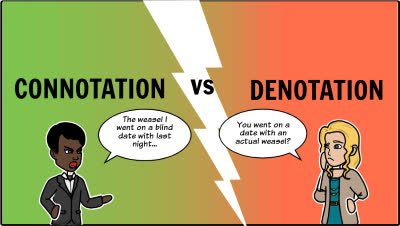
/ˌkɑː.nəˈteɪ.ʃən/
(noun) 内涵, 言外之意
示例:
The word 'home' has a warm connotation.
“家”这个词有温暖的内涵。
/kəˈnoʊt/
(verb) 暗示, 意味着
示例:
The word 'home' may connote warmth and comfort.
“家”这个词可能暗示着温暖和舒适。


/ˈfeɪ.lɪŋ/
(noun) 缺点, 弱点, 过失;
(preposition) 如果不行, 否则;
(adjective) 衰退的, 失效的
示例:
Despite his many talents, his biggest failing was his inability to manage money.
尽管他才华横溢,但他最大的缺点是无法管理金钱。

/floʊt/
(verb) 漂浮, 浮动, 飘浮;
(noun) 浮标, 浮筒, 花车
示例:
The boat began to float on the water.
船开始在水上漂浮。

/fɔːr wʌt ɪts wɜːrθ/
(idiom) 姑且听之, 无论如何
示例:
For what it's worth, I think you did a great job.
姑且听之,我觉得你做得很好。
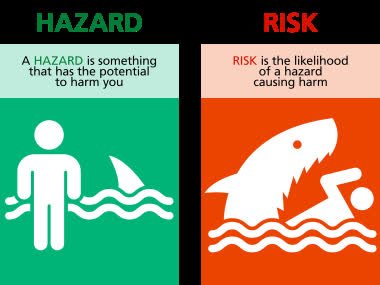
/ˈhæz.ɚd/
(noun) 危险, 危害;
(verb) 冒, 使处于危险
示例:
The construction site was full of potential hazards.
施工现场充满了潜在的危险。

/hɪnt/
(noun) 暗示, 线索, 提示;
(verb) 暗示, 提示, 示意
示例:
She dropped a hint about what she wanted for her birthday.
她暗示了她生日想要什么。

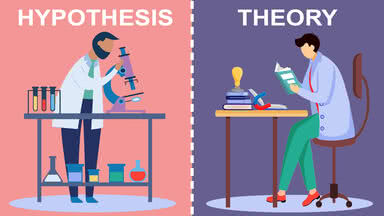
/haɪˈpɑː.θə.saɪz/
(verb) 假设, 提出假说
示例:
Scientists hypothesize that the universe began with a Big Bang.
科学家们假设宇宙始于大爆炸。


/aɪl tɛl ju wʌt/
(phrase) 我告诉你, 我说
示例:
I'll tell you what, let's just order pizza tonight.
我告诉你,今晚我们点披萨吧。

/ɪmˈplɪs.ɪt/
(adjective) 含蓄的, 暗示的, 绝对的
示例:
Her silence was taken as implicit consent.
她的沉默被视为默许。

/ɪmˈplɪs.ɪt.li/
(adverb) 默认地, 含蓄地, 完全地
示例:
He implicitly agreed to the terms by not objecting.
他没有反对,就默认了这些条款。