Avatar of Vocabulary Set 体に関する一般単語

身体 内 体に関する一般単語 語彙セット:完全かつ詳細なリスト

「身体」内の「体に関する一般単語」語彙セットは国際標準教材から厳選され、短期間で語彙をマスターできます。定義、例文、標準発音を網羅…

Lingolandでこの語彙セットを学習

今すぐ学習
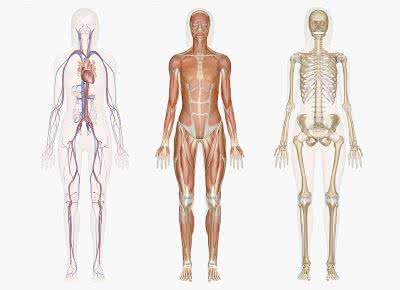
anatomy

/əˈnæt̬.ə.mi/

(noun) 解剖学, 解剖学的構造, 身体構造

例:

She is studying human anatomy at university.
彼女は大学で人体解剖学を学んでいます。

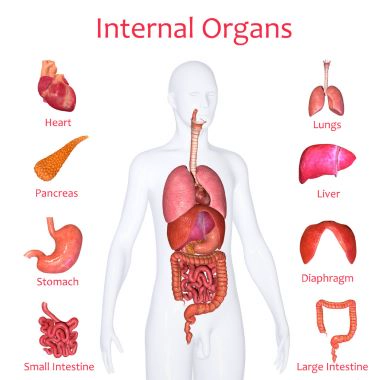
organ

/ˈɔːr.ɡən/

(noun) 臓器, 器官, オルガン

例:

The heart is a vital organ.
心臓は重要な臓器です。

orifice

/ˈɔːr.ə.fɪs/

(noun) 開口部, 穴

例:

The surgeon carefully examined the small orifice.
外科医は小さな開口部を注意深く調べた。

flesh

/fleʃ/

(noun) 肉, 肉体, 果肉;

(verb) 具体化する, 肉付けする

例:

The wound went deep into the flesh.
傷はの奥深くまで達した。

fat

/fæt/

(noun) 脂肪, 脂身;

(adjective) 太った, 肥満の, 多額の

例:
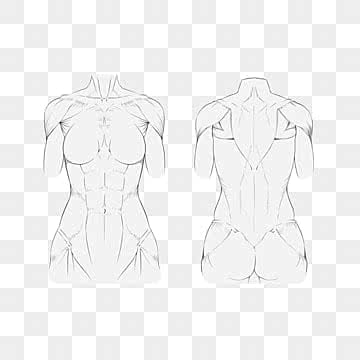
The chef trimmed the excess fat from the meat.
シェフは肉から余分な脂肪を取り除いた。

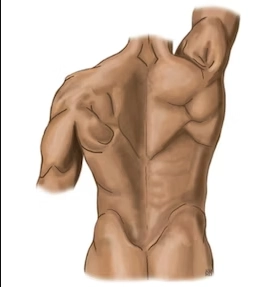
torso

/ˈtɔːr.soʊ/

(noun) 胴体, 胴

例:

The artist sculpted the muscular torso of a male figure.
芸術家は男性像の筋肉質な胴体を彫刻した。

trunk

/trʌŋk/

(noun) 幹, 鼻, トランク

例:

The elephant rubbed its back against the rough trunk of the tree.
象は木のざらざらしたに背中をこすりつけた。

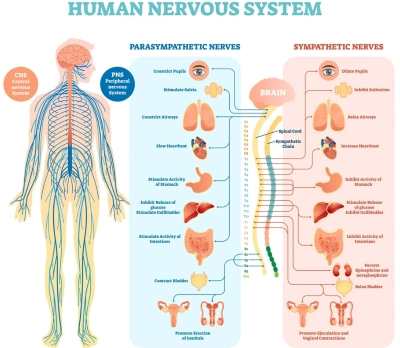
nervous system

/ˈnɜːr.vəs ˌsɪs.təm/

(noun) 神経系

例:

The brain and spinal cord are part of the central nervous system.
脳と脊髄は中枢神経系の一部です。

hormone

/ˈhɔːr.moʊn/

(noun) ホルモン

例:

Insulin is a hormone that regulates blood sugar.
インスリンは血糖値を調節するホルモンです。

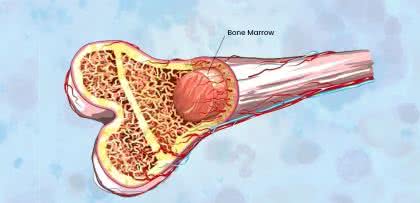
bone marrow

/ˈboʊn ˌmer.oʊ/

(noun) 骨髄

例:

The doctor explained that bone marrow is essential for producing blood cells.
医師は骨髄が血液細胞の生成に不可欠であると説明した。

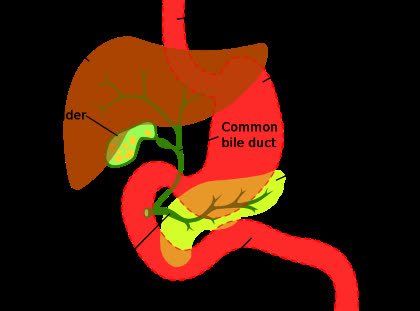
duct

/dʌkt/

(noun) ダクト, 管;

(verb) 案内する, 導く

例:

The air conditioning ducts need to be cleaned.
エアコンのダクトは清掃が必要です。

mucus

/ˈmjuː.kəs/

(noun) 粘液

例:

When you have a cold, your body produces more mucus.
風邪をひくと、体はより多くの粘液を生成します。

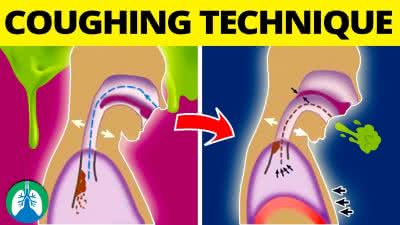
phlegm

/flem/

(noun) 痰, 粘液, 冷静

例:

He coughed up some phlegm after a long night.
彼は長い夜の後にを吐き出した。

lymphatic system

/lɪmˈfæt.ɪk ˌsɪs.təm/

(noun) リンパ系

例:

The lymphatic system plays a crucial role in the body's immune defense.
リンパ系は体の免疫防御において重要な役割を果たします。

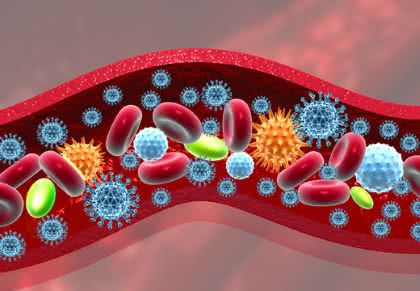
bloodstream

/ˈblʌd.striːm/

(noun) 血流, 血液

例:

The drug is absorbed directly into the bloodstream.
薬は直接血流に吸収されます。

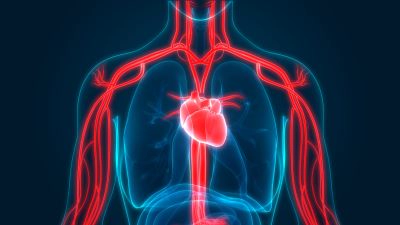
circulation

/ˌsɝː.kjəˈleɪ.ʃən/

(noun) 循環, 血行, 発行部数

例:

Regular exercise improves blood circulation.
定期的な運動は血液循環を改善します。

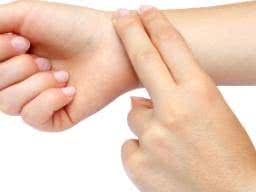
pulse

/pʌls/

(noun) 脈拍, 脈, パルス;

(verb) 脈打つ, 振動する

例:

The doctor checked her pulse.
医者は彼女の脈拍を測った。

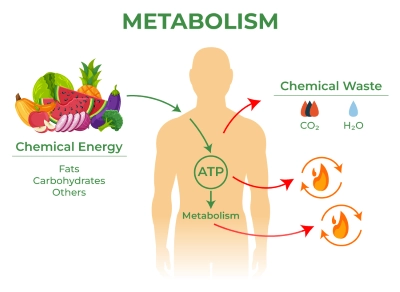
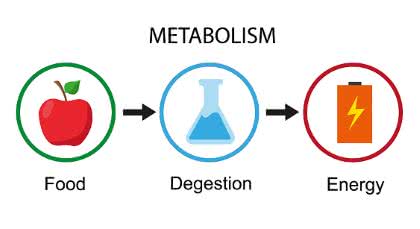
metabolism

/məˈtæb.əl.ɪ.zəm/

(noun) 代謝

例:

Exercise can boost your metabolism.
運動は代謝を高めることができます。

breath

/breθ/

(noun) 息, 呼吸, 一息

例:

Take a deep breath and relax.
深呼吸してリラックスしてください。

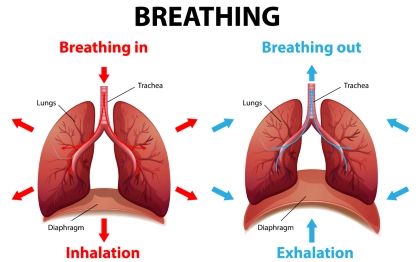
breathing

/ˈbriː.ðɪŋ/

(noun) 呼吸;

(verb) 呼吸する

例:

Her breathing became shallow and rapid.
彼女の呼吸は浅く速くなった。

inhalation

/ˌɪn.həˈleɪ.ʃən/

(noun) 吸入, 吸い込み

例:

Deep inhalation is good for relaxation.
深い吸入はリラックスに良い。

airway

/ˈer.weɪ/

(noun) 気道, 呼吸器, 航空路

例:

The paramedic cleared the patient's airway.
救急隊員は患者の気道を確保した。

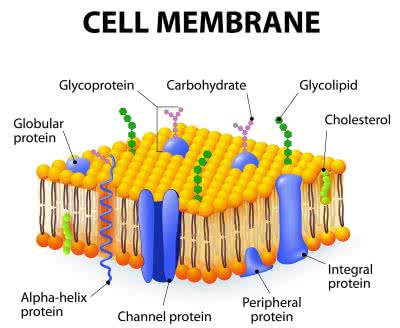
membrane

/ˈmem.breɪn/

(noun) 膜, シート

例:

The cell is surrounded by a protective membrane.
細胞は保護に囲まれている。

sinus

/ˈsaɪ.nəs/

(noun) 副鼻腔, 洞, 正弦

例:

I have a terrible headache due to my inflamed sinuses.
炎症を起こした副鼻腔のせいでひどい頭痛がする。

tissue

/ˈtɪʃ.uː/

(noun) 組織, ティッシュ, ティッシュペーパー

例:

Muscle tissue is responsible for movement.
筋肉組織は運動を司る。

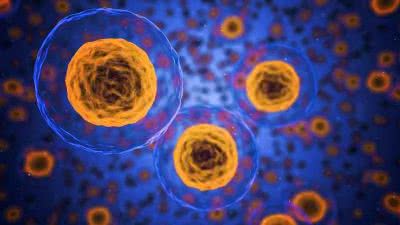
cell

/sel/

(noun) 独房, 小部屋, 細胞

例:

The prisoner was confined to a solitary cell.
囚人は独房に監禁された。

metabolise

/məˈtæb.ə.laɪz/

(verb) 代謝する

例:

The body needs time to metabolise the sugar.
体は糖を代謝するのに時間が必要です。

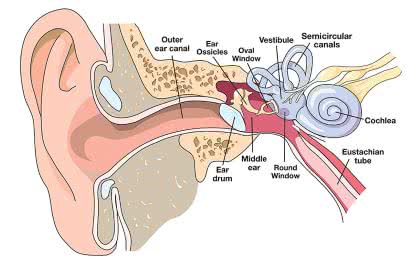
vestibule

/ˈves.tə.bjuːl/

(noun) 玄関, 前室, ロビー

例:

She waited for him in the vestibule.
彼女は玄関で彼を待った。

dorsum

/ˈdɔːr.səm/

(noun) 背, 甲

例:

The doctor examined the dorsum of the patient's hand.
医師は患者の手のを診察した。

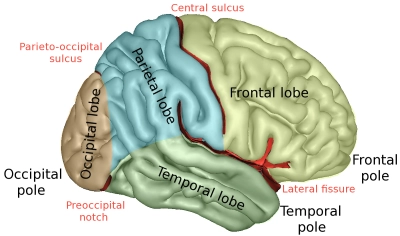
lobe

/loʊb/

(noun) 葉, 耳たぶ

例:

The frontal lobe is involved in planning and decision-making.
前頭葉は計画と意思決定に関与しています。

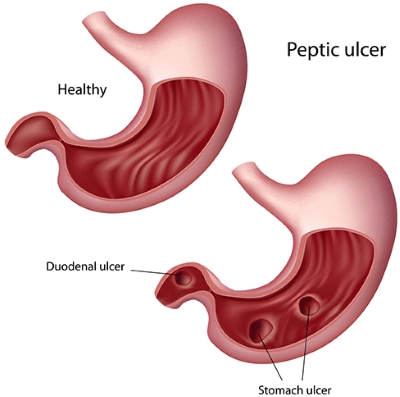
duodenal

/ˌduː.əˈdiː.nəl/

(adjective) 十二指腸の

例:

The doctor diagnosed a duodenal ulcer.
医師は十二指腸潰瘍と診断した。

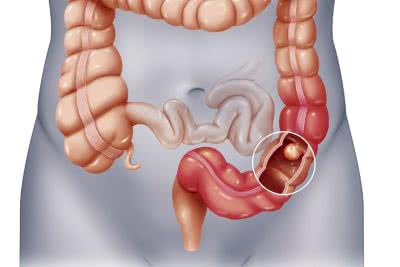
intestinal

/ˌɪnˈtes.tɪn.əl/

(adjective) 腸の, 腸に関する

例:

The doctor diagnosed an intestinal infection.
医師は腸の感染症と診断した。

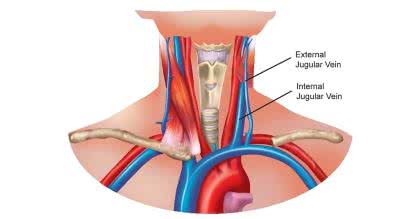
jugular

/ˈdʒʌɡ.jʊ.lɚ/

(noun) 頸静脈, ジュグラー;

(adjective) 頸部の, 頸静脈の, 弱点

例:
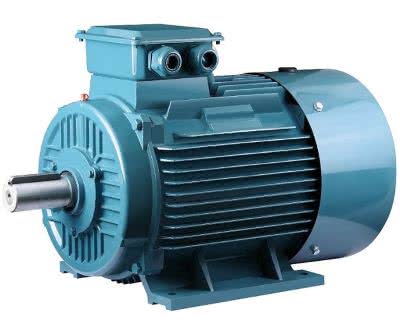
The doctor carefully examined the patient's jugular vein.
医師は患者の頸静脈を注意深く調べた。

motor

/ˈmoʊ.t̬ɚ/

(noun) モーター, 発動機;

(verb) 車で移動する, 運転する

例:

The car's motor seized up on the highway.
高速道路で車のモーターが故障した。

muscular

/ˈmʌs.kjə.lɚ/

(adjective) 筋肉質の, 筋骨たくましい, 筋肉の

例:

The athlete had a very muscular physique.
その選手は非常に筋肉質な体格をしていた。

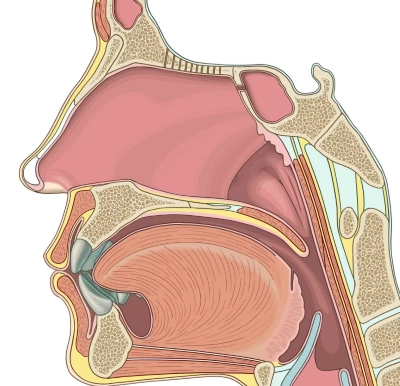
nasal

/ˈneɪ.zəl/

(adjective) 鼻の, 鼻音の, 鼻音;

(noun) 鼻音

例:

She has a slight nasal voice.
彼女は少し鼻にかかった声をしている。

oral

/ˈɔːr.əl/

(adjective) 口の, 口腔の, 口頭の;

(noun) 口頭試験, 口頭試問

例:
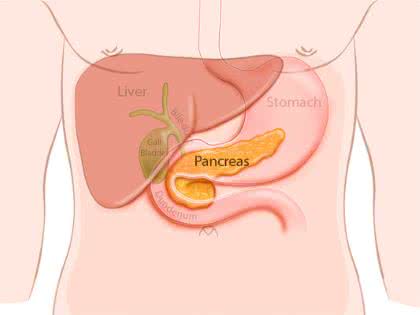
She has good oral hygiene.
彼女は良好な口腔衛生を保っている。

pancreatic

/pæŋ.kriˈæt.ik/

(adjective) 膵臓の

例:

Pancreatic enzymes aid in digestion.
膵臓酵素は消化を助ける。

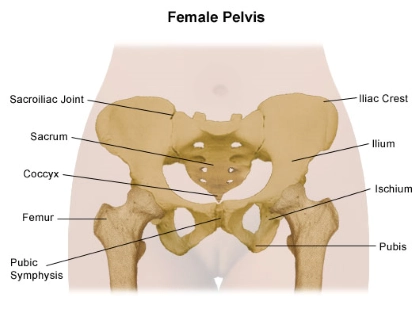
pelvic

/ˈpel.vɪk/

(adjective) 骨盤の

例:

She experienced sharp pelvic pain.
彼女は鋭い骨盤の痛みを経験した。

physically

/ˈfɪz.ɪ.kəl.i/

(adverb) 肉体的に, 身体的に, 物理的に

例:

He was physically exhausted after the marathon.
マラソンの後、彼は肉体的に疲れ果てていた。

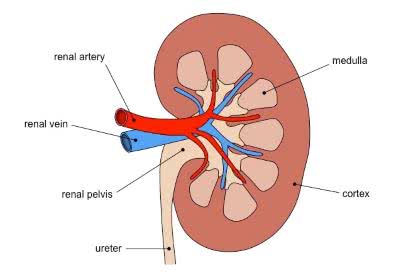
renal

/ˈriː.nəl/

(adjective) 腎臓の, 腎の

例:

The patient is suffering from chronic renal failure.
患者は慢性腎不全を患っている。

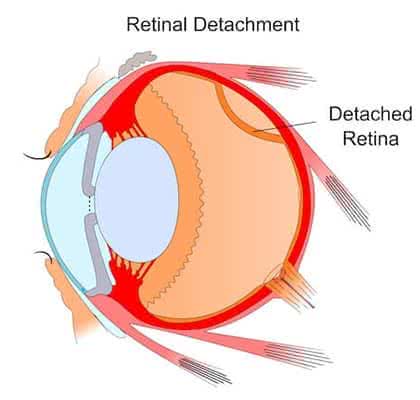
retinal

/ˈret.ən.əl/

(adjective) 網膜の;

(noun) レチナール

例:

The doctor performed a retinal examination.
医師は網膜検査を行った。

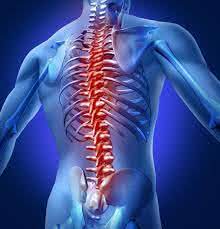
spinal

/ˈspaɪ.nəl/

(adjective) 脊椎の, 脊髄の

例:

He suffered a severe spinal injury.
彼は重度の脊髄損傷を負った。

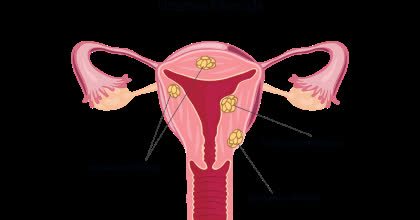
uterine

/ˈjuː.t̬ɚ.ɪn/

(adjective) 子宮の

例:

The doctor performed a uterine examination.
医師は子宮検査を行った。

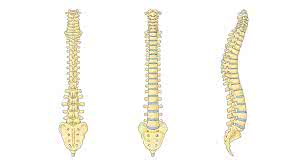
vertebral

/ˈvɝːt̬ə.brəl/

(adjective) 脊椎の, 椎骨の

例:

The doctor examined the patient's vertebral column for any abnormalities.
医師は患者の脊椎に異常がないか検査した。

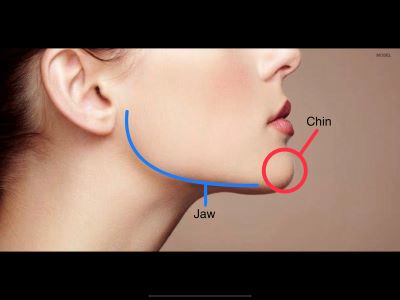
jaw

/dʒɑː/

(noun) 顎, あご, 入り口;

(verb) 長々と話す, 不平を言う

例:

He clenched his jaw in anger.
彼は怒りでを食いしばった。

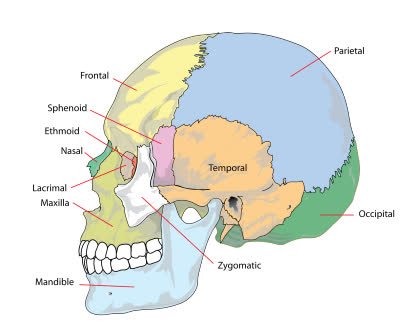
cranial

/ˈkreɪ.ni.əl/

(adjective) 頭蓋の, 頭蓋骨の

例:

The surgeon performed a complex cranial operation.
外科医は複雑な頭蓋手術を行った。

temporal

/ˈtem.pɚ.əl/

(adjective) 世俗の, 現世の, 時間の

例:

The church has both spiritual and temporal power.
教会は精神的な力と世俗的な力の両方を持っている。
Lingolandでこの語彙セットを学習