词汇集 与身体相关的常用词汇(属于 身体):完整且详细的清单
词汇集「与身体相关的常用词汇」(属于「身体」)从国际标准教材来源精心挑选,帮助您在短时间内掌握词汇。全面汇整定义、例句及标准发音…
在 Lingoland 学习此词汇集
立即学习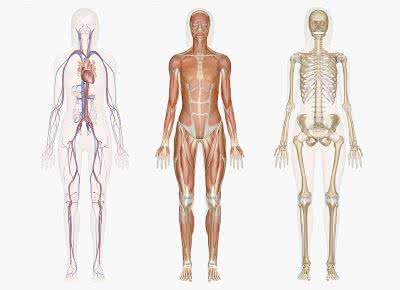
/əˈnæt̬.ə.mi/
(noun) 解剖学, 身体结构, 解剖
示例:
She is studying human anatomy at university.
她在大学学习人体解剖学。

/ˈɔːr.ə.fɪs/
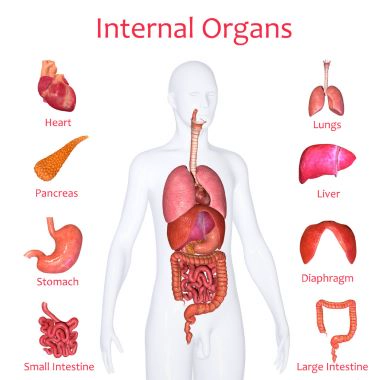
(noun) 孔, 口
示例:
The surgeon carefully examined the small orifice.
外科医生仔细检查了那个小孔。


/fæt/
(noun) 脂肪, 肥肉;
(adjective) 胖的, 肥的, 丰厚的
示例:
The chef trimmed the excess fat from the meat.
厨师从肉上切掉了多余的脂肪。
/ˈtɔːr.soʊ/
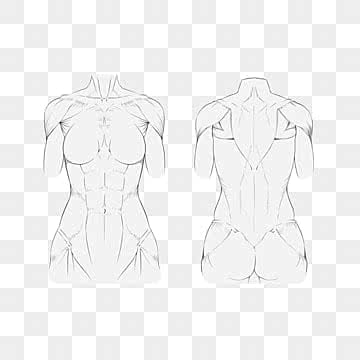
(noun) 躯干, 上身
示例:
The artist sculpted the muscular torso of a male figure.
艺术家雕刻了一个男性人物的肌肉发达的躯干。

/trʌŋk/
(noun) 树干, 象鼻, 箱子
示例:
The elephant rubbed its back against the rough trunk of the tree.
大象把背部蹭在粗糙的树干上。
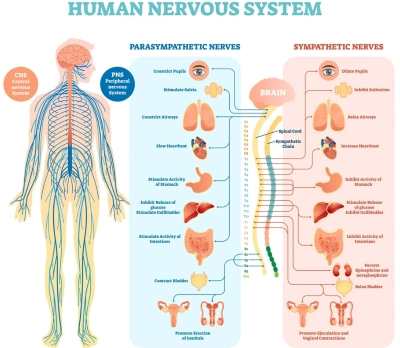
/ˈnɜːr.vəs ˌsɪs.təm/
(noun) 神经系统
示例:
The brain and spinal cord are part of the central nervous system.
大脑和脊髓是中枢神经系统的一部分。

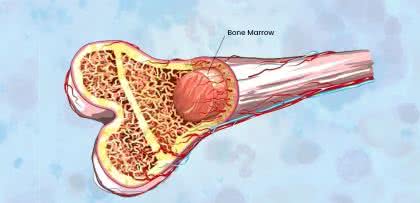
/ˈboʊn ˌmer.oʊ/
(noun) 骨髓
示例:
The doctor explained that bone marrow is essential for producing blood cells.
医生解释说,骨髓对于产生血细胞至关重要。
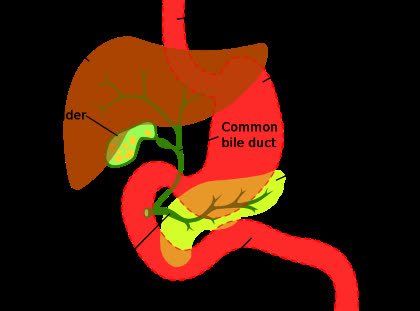
/dʌkt/
(noun) 管道, 导管;
(verb) 引导, 输送
示例:
The air conditioning ducts need to be cleaned.
空调管道需要清洗。

/ˈmjuː.kəs/
(noun) 粘液
示例:
When you have a cold, your body produces more mucus.
当你感冒时,你的身体会产生更多的粘液。

/lɪmˈfæt.ɪk ˌsɪs.təm/
(noun) 淋巴系统
示例:
The lymphatic system plays a crucial role in the body's immune defense.
淋巴系统在身体的免疫防御中起着至关重要的作用。
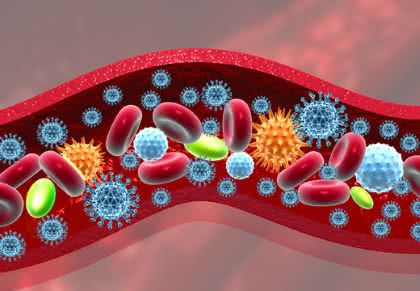
/ˈblʌd.striːm/
(noun) 血液, 血流
示例:
The drug is absorbed directly into the bloodstream.
药物直接吸收到血液中。
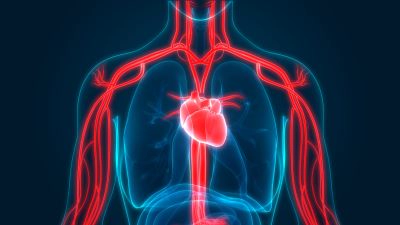
/ˌsɝː.kjəˈleɪ.ʃən/
(noun) 循环, 血液循环, 发行量
示例:
Regular exercise improves blood circulation.
经常锻炼可以改善血液循环。



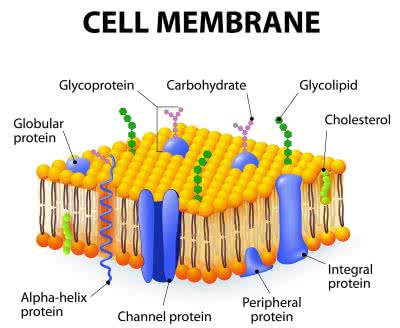
/ˈmem.breɪn/
(noun) 膜, 薄膜
示例:
The cell is surrounded by a protective membrane.
细胞被一层保护膜包围着。

/ˈsaɪ.nəs/
(noun) 鼻窦, 窦, 正弦
示例:
I have a terrible headache due to my inflamed sinuses.
我因为鼻窦发炎而头痛欲裂。

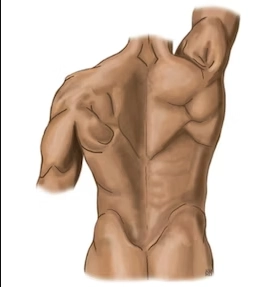
/ˈdɔːr.səm/
(noun) 背部, 背面
示例:
The doctor examined the dorsum of the patient's hand.
医生检查了患者手部的手背。
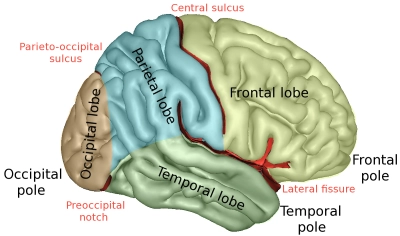
/loʊb/
(noun) 叶, 耳垂
示例:
The frontal lobe is involved in planning and decision-making.
额叶参与规划和决策。
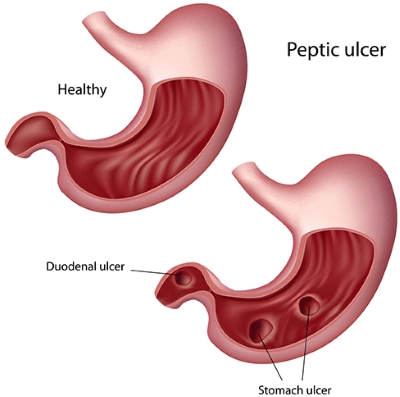
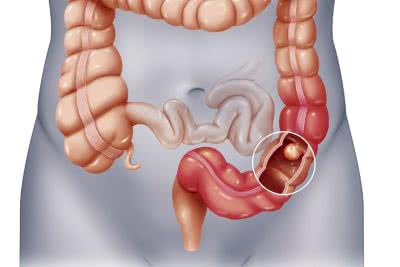
/ˌɪnˈtes.tɪn.əl/
(adjective) 肠的, 肠道的
示例:
The doctor diagnosed an intestinal infection.
医生诊断出肠道感染。
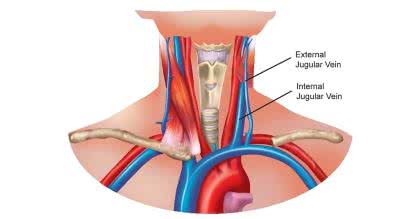
/ˈdʒʌɡ.jʊ.lɚ/
(noun) 颈静脉, 颈动脉;
(adjective) 颈部的, 颈静脉的, 要害的
示例:
The doctor carefully examined the patient's jugular vein.
医生仔细检查了患者的颈静脉。
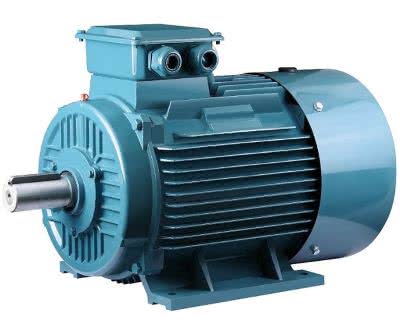
/ˈmoʊ.t̬ɚ/
(noun) 马达, 发动机;
(verb) 驾车, 乘车
示例:
The car's motor seized up on the highway.
汽车发动机在高速公路上熄火了。

/ˈmʌs.kjə.lɚ/
(adjective) 肌肉发达的, 健壮的, 肌肉的
示例:
The athlete had a very muscular physique.
这位运动员拥有非常健壮的体格。
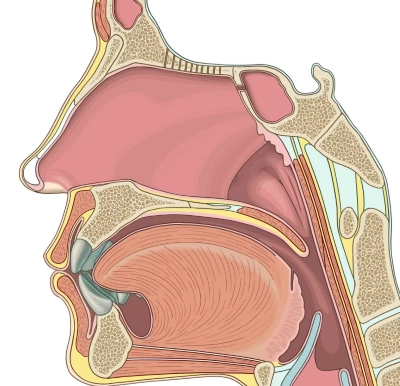

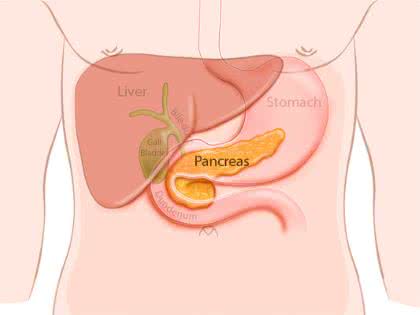
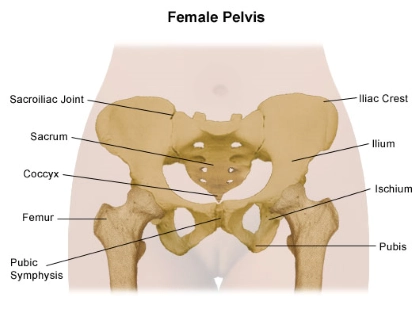

/ˈfɪz.ɪ.kəl.i/
(adverb) 身体上, 体力上, 肢体上
示例:
He was physically exhausted after the marathon.
马拉松后他身体上精疲力尽。
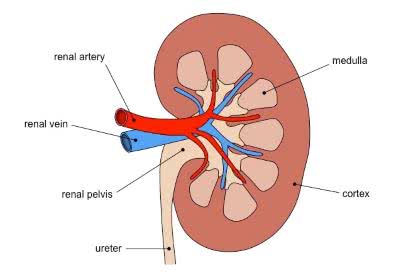
/ˈriː.nəl/
(adjective) 肾的, 肾脏的
示例:
The patient is suffering from chronic renal failure.
患者患有慢性肾衰竭。
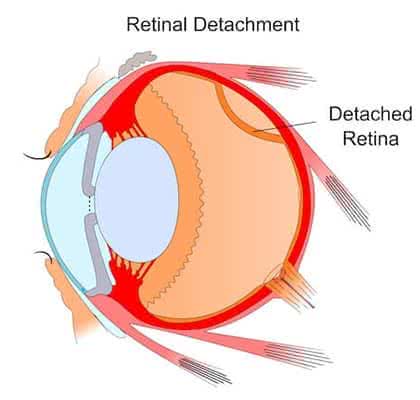
/ˈret.ən.əl/
(adjective) 视网膜的;
(noun) 视黄醛
示例:
The doctor performed a retinal examination.
医生进行了视网膜检查。
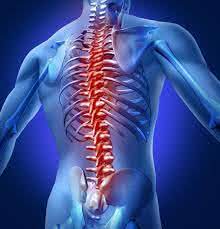
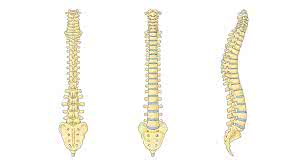
/ˈvɝːt̬ə.brəl/
(adjective) 椎骨的, 脊椎的
示例:
The doctor examined the patient's vertebral column for any abnormalities.
医生检查了患者的脊柱是否有异常。

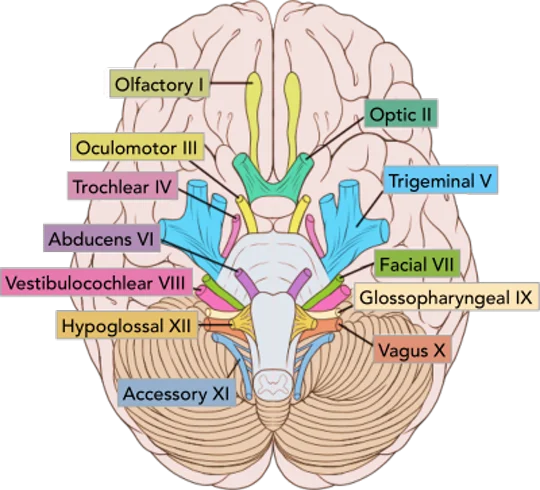
/ˈkreɪ.ni.əl/
(adjective) 颅骨的, 头盖的
示例:
The surgeon performed a complex cranial operation.
外科医生进行了一项复杂的颅骨手术。
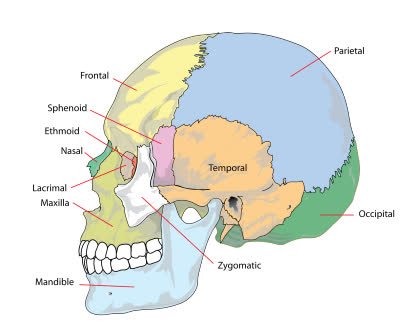
/ˈtem.pɚ.əl/
(adjective) 世俗的, 暂时的, 时间的
示例:
The church has both spiritual and temporal power.
教会既有精神权力,也有世俗权力。