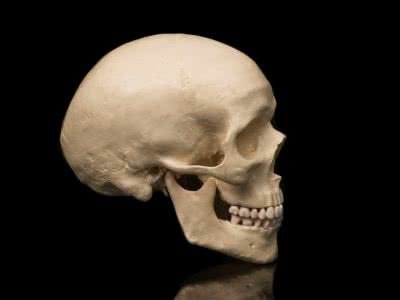
TOEFL必須語彙 内 人間の体 語彙セット:完全かつ詳細なリスト
「TOEFL必須語彙」内の「人間の体」語彙セットは国際標準教材から厳選され、短期間で語彙をマスターできます。定義、例文、標準発音を網羅…
Lingolandでこの語彙セットを学習
今すぐ学習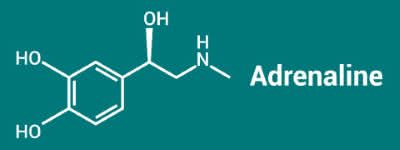
/əˈdren·əl·ən, -ˌin/
(noun) アドレナリン
例:
The sudden fright caused an immediate rush of adrenaline.
突然の恐怖が即座にアドレナリンの放出を引き起こした。
/ˈhɔːr.moʊn/
(noun) ホルモン
例:
Insulin is a hormone that regulates blood sugar.
インスリンは血糖値を調節するホルモンです。
/əˈnæt̬.ə.mi/
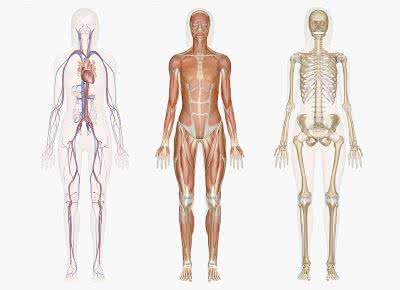
(noun) 解剖学, 解剖学的構造, 身体構造
例:
She is studying human anatomy at university.
彼女は大学で人体解剖学を学んでいます。
/əˈpen.dɪks/
(noun) 虫垂, 付録, 補遺
例:
The surgeon removed his inflamed appendix.
外科医は彼の炎症を起こした虫垂を切除した。
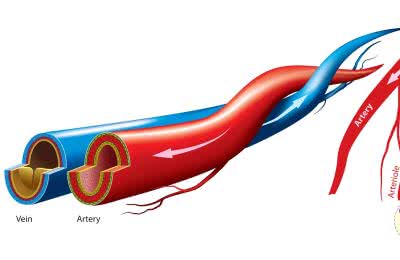
/ˈɑːr.t̬ɚ.i/
(noun) 動脈, 幹線道路, 主要道路
例:
The surgeon carefully repaired the damaged artery.
外科医は損傷した動脈を慎重に修復した。
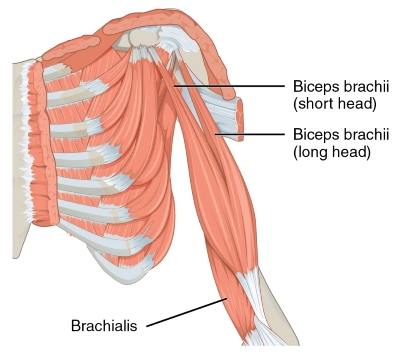
/ˈbaɪ.seps/
(noun) 上腕二頭筋
例:
He flexed his biceps to show off his strength.
彼は力を誇示するために上腕二頭筋を曲げた。
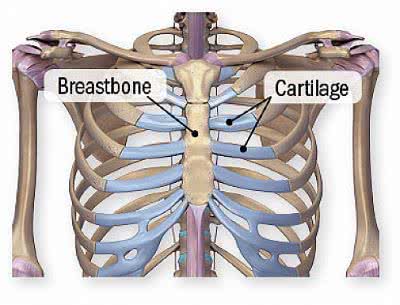
/ˈbrest.boʊn/
(noun) 胸骨
例:
The doctor examined the patient's breastbone for any abnormalities.
医師は患者の胸骨に異常がないか検査した。

/kæf/
(noun) 子牛, ふくらはぎ, 氷塊
例:
The farmer watched the newborn calf take its first wobbly steps.
農夫は生まれたばかりの子牛がよろめきながら最初の歩みをするのを見守った。
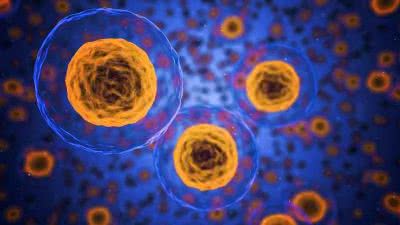
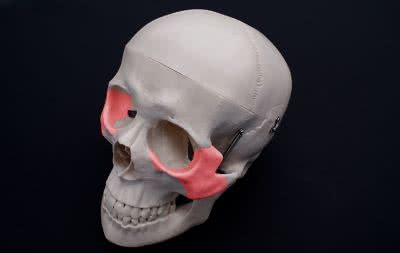

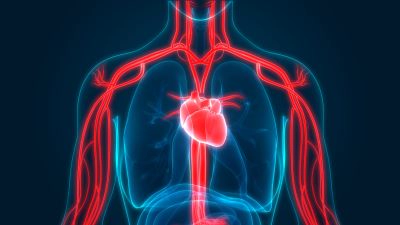
/ˌsɝː.kjəˈleɪ.ʃən/
(noun) 循環, 血行, 発行部数
例:
Regular exercise improves blood circulation.
定期的な運動は血液循環を改善します。
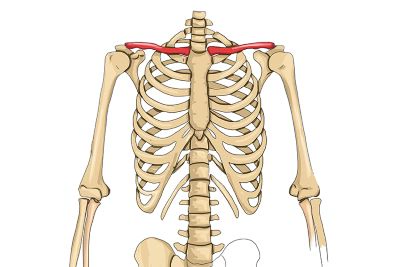
/ˈkɑː.lɚ.boʊn/
(noun) 鎖骨
例:
She broke her collarbone in a skiing accident.
彼女はスキー事故で鎖骨を骨折した。

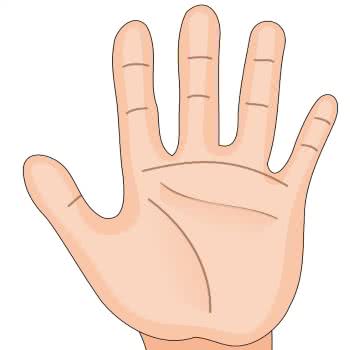
/pɑːm/
(noun) 手のひら, ヤシの木, ヤシ;
(verb) 隠す, 売りつける
例:
She held the small bird gently in her palm.
彼女は小さな鳥をそっと手のひらに抱いた。

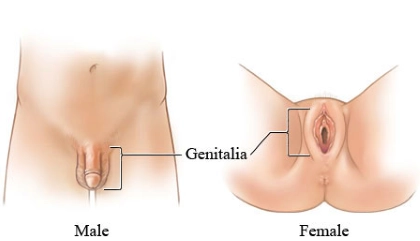
/ˈdʒen.ə.t̬əlz/
(plural noun) 性器, 生殖器
例:
The doctor examined the patient's genitals.
医師は患者の性器を診察した。
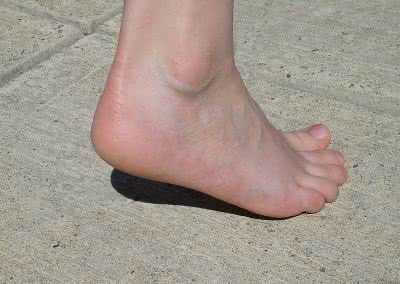
/hiːl/
(noun) かかと, ヒール, かかと (靴下の);
(verb) 傾く, かかとについて歩く
例:
She wore shoes with high heels.
彼女はハイヒールの靴を履いていた。
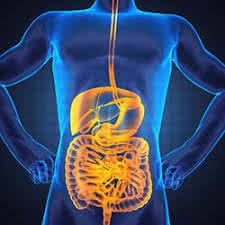
/ɡʌt/
(noun) 腸, 腹, 直感;
(verb) 内臓を取り除く, はらわたを出す, 内部を破壊する;
(adjective) 直感的な, 本能的な
例:
He felt a knot in his gut.
彼はお腹に結び目を感じた。
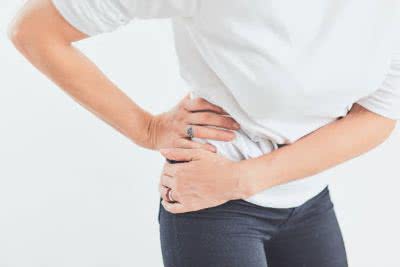
/hɪp/
(noun) 腰, 股関節;
(adjective) 流行の最先端の, おしゃれな, ヒップな;
(exclamation) ヒップ
例:
She put her hands on her hips and sighed.
彼女は両手を腰に当ててため息をついた。
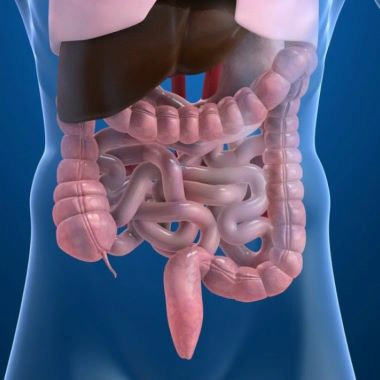
/ɪnˈtes.tɪn/
(noun) 腸
例:
The small intestine is where most of the digestion and absorption of nutrients takes place.
小腸は、ほとんどの消化と栄養素の吸収が行われる場所です。
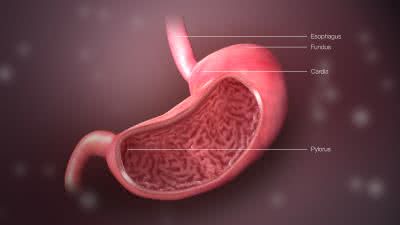
/ˈstʌm.ək/
(noun) 胃, お腹, 腹部;
(verb) 我慢する, 受け入れる
例:
My stomach hurts after eating too much.
食べ過ぎてお腹が痛い。
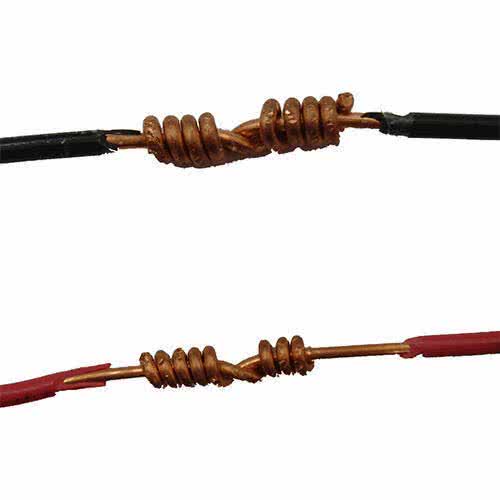
/dʒɔɪnt/
(noun) 関節, 接合部, 継ぎ目;
(adjective) 共同の, 合同の;
(verb) 接合する, つなぐ
例:
My knee joint aches after running.
走った後、膝の関節が痛む。
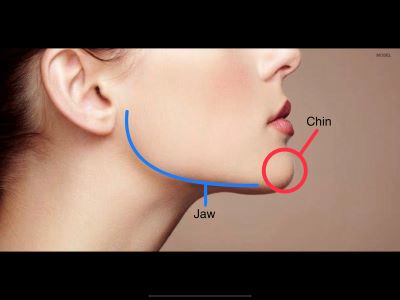

/læp/
(noun) 膝, ひざ, 周;
(verb) 打ち寄せる, なめる, 周回遅れにする
例:
The child sat on her mother's lap.
子供は母親の膝の上に座った。
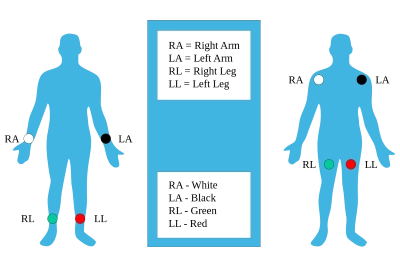
/lɪm/
(noun) 手足, 四肢, 枝;
(verb) 手足を切断する, ばらばらにする
例:
The accident resulted in the loss of a limb.
その事故は手足の喪失をもたらした。
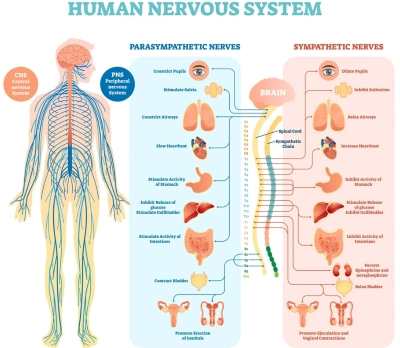
/ˈnɜːr.vəs ˌsɪs.təm/
(noun) 神経系
例:
The brain and spinal cord are part of the central nervous system.
脳と脊髄は中枢神経系の一部です。
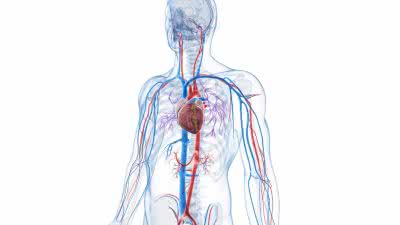
/veɪn/
(noun) 静脈, 血管, 筋
例:
The nurse struggled to find a suitable vein for the injection.
看護師は注射に適した静脈を見つけるのに苦労した。

/ˈtɪʃ.uː/
(noun) 組織, ティッシュ, ティッシュペーパー
例:
Muscle tissue is responsible for movement.
筋肉組織は運動を司る。

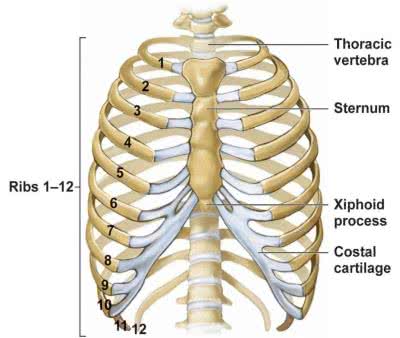
/ˈrɪbˌkeɪdʒ/
(noun) 肋骨, 胸郭
例:
The doctor examined the patient's ribcage for any abnormalities.
医師は患者の肋骨に異常がないか検査した。