词汇集 人体(属于 托福必备词汇):完整且详细的清单
词汇集「人体」(属于「托福必备词汇」)从国际标准教材来源精心挑选,帮助您在短时间内掌握词汇。全面汇整定义、例句及标准发音…
在 Lingoland 学习此词汇集
立即学习
/əˈdren·əl·ən, -ˌin/
(noun) 肾上腺素
示例:
The sudden fright caused an immediate rush of adrenaline.
突如其来的恐惧导致肾上腺素立即飙升。

/əˈnæt̬.ə.mi/
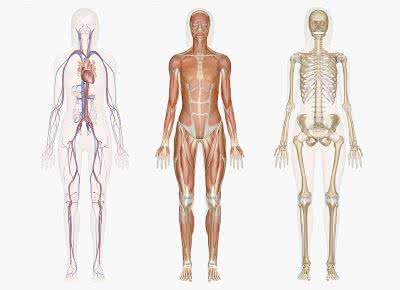
(noun) 解剖学, 身体结构, 解剖
示例:
She is studying human anatomy at university.
她在大学学习人体解剖学。
/əˈpen.dɪks/
(noun) 阑尾, 附录, 附件
示例:
The surgeon removed his inflamed appendix.
外科医生切除了他发炎的阑尾。

/ˈɑːr.t̬ɚ.i/
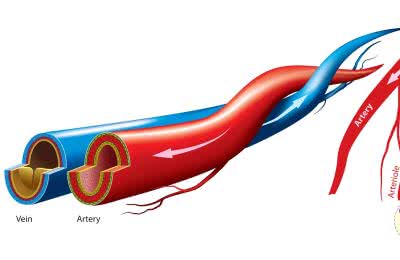
(noun) 动脉, 干道, 主要路线
示例:
The surgeon carefully repaired the damaged artery.
外科医生小心翼翼地修复了受损的动脉。
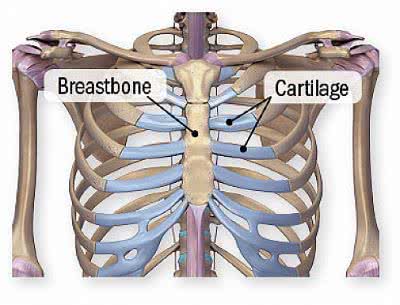
/ˈbrest.boʊn/
(noun) 胸骨
示例:
The doctor examined the patient's breastbone for any abnormalities.
医生检查了患者的胸骨是否有异常。

/kæf/
(noun) 小牛, 小腿, 冰块
示例:
The farmer watched the newborn calf take its first wobbly steps.
农民看着刚出生的小牛迈出摇摇晃晃的第一步。



/ˌsɝː.kjəˈleɪ.ʃən/
(noun) 循环, 血液循环, 发行量
示例:
Regular exercise improves blood circulation.
经常锻炼可以改善血液循环。
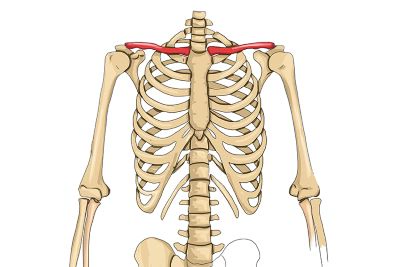
/ˈkɑː.lɚ.boʊn/
(noun) 锁骨
示例:
She broke her collarbone in a skiing accident.
她在一次滑雪事故中摔断了锁骨。

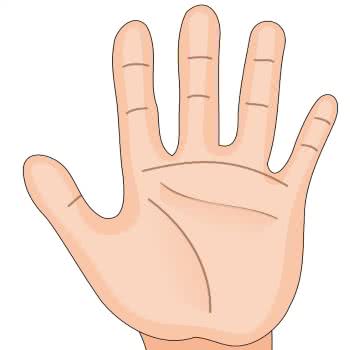
/pɑːm/
(noun) 手掌, 棕榈树, 棕榈;
(verb) 藏匿, 冒充
示例:
She held the small bird gently in her palm.
她轻轻地把小鸟托在手掌里。

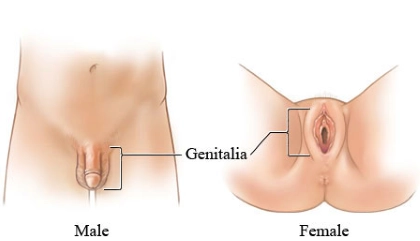
/ˈdʒen.ə.t̬əlz/
(plural noun) 生殖器, 外生殖器
示例:
The doctor examined the patient's genitals.
医生检查了病人的生殖器。

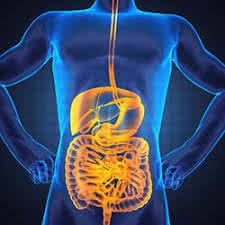
/ɡʌt/
(noun) 肠, 肚子, 直觉;
(verb) 清理内脏, 取出内脏, 烧毁内部;
(adjective) 直觉的, 本能的
示例:
He felt a knot in his gut.
他感到肚子里打了个结。

/hɪp/
(noun) 臀部, 髋部;
(adjective) 时髦的, 酷的, 潮的;
(exclamation) 万岁
示例:
She put her hands on her hips and sighed.
她把手放在臀部上,叹了口气。
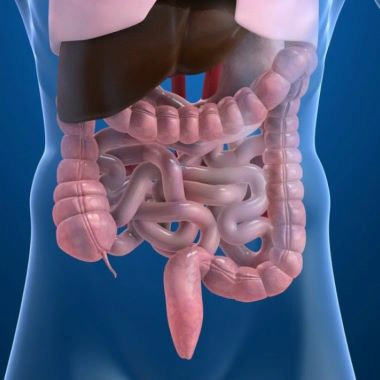
/ɪnˈtes.tɪn/
(noun) 肠
示例:
The small intestine is where most of the digestion and absorption of nutrients takes place.
小肠是大部分消化和营养吸收发生的地方。
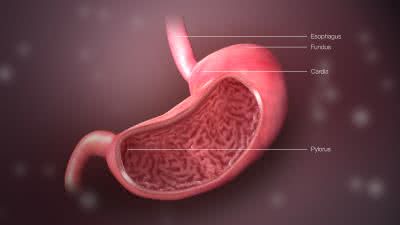
/ˈstʌm.ək/
(noun) 胃, 肚子, 腹部;
(verb) 忍受, 容忍
示例:
My stomach hurts after eating too much.
吃太多后我的胃很痛。
/dʒɔɪnt/
(noun) 关节, 接头, 连接处;
(adjective) 共同的, 联合的;
(verb) 连接, 接合
示例:
My knee joint aches after running.
跑步后我的膝关节疼痛。


/lɪm/
(noun) 肢体, 四肢, 树枝;
(verb) 肢解, 截肢
示例:
The accident resulted in the loss of a limb.
事故导致失去一个肢体。
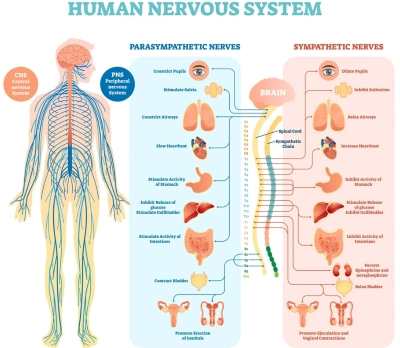
/ˈnɜːr.vəs ˌsɪs.təm/
(noun) 神经系统
示例:
The brain and spinal cord are part of the central nervous system.
大脑和脊髓是中枢神经系统的一部分。
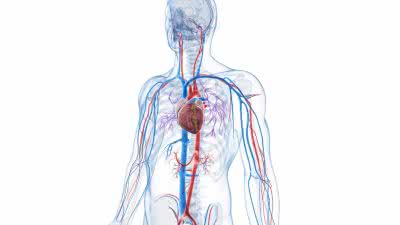
/veɪn/
(noun) 静脉, 血管, 纹理
示例:
The nurse struggled to find a suitable vein for the injection.
护士费力地寻找适合注射的静脉。



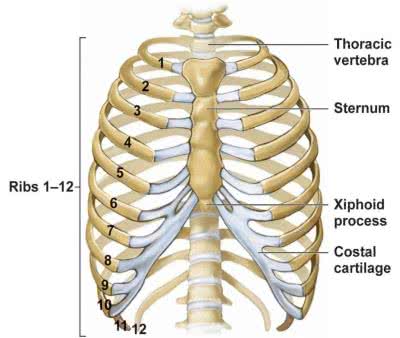
/ˈrɪbˌkeɪdʒ/
(noun) 胸腔, 肋骨架
示例:
The doctor examined the patient's ribcage for any abnormalities.
医生检查了病人的胸腔是否有异常。