Avatar of Vocabulary Set 言語と文法

TOEFL必須語彙 内 言語と文法 語彙セット:完全かつ詳細なリスト

「TOEFL必須語彙」内の「言語と文法」語彙セットは国際標準教材から厳選され、短期間で語彙をマスターできます。定義、例文、標準発音を網羅…

Lingolandでこの語彙セットを学習

今すぐ学習
abbreviation

/əˌbriː.viˈeɪ.ʃən/

(noun) 略語

例:

''Dr.'' is the abbreviation for ''Doctor''.
「Dr.」は「Doctor」の略語です。

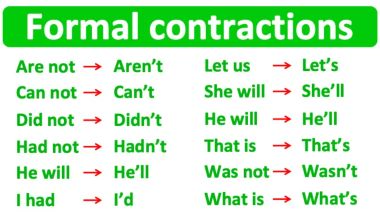
contraction

/kənˈtræk.ʃən/

(noun) 収縮, 縮小, 短縮形

例:

The contraction of the muscles caused the arm to bend.
筋肉の収縮により腕が曲がった。

dialect

/ˈdaɪ.ə.lekt/

(noun) 方言, なまり

例:

The local dialect is quite different from the standard language.
地元の方言は標準語とはかなり異なります。

accent

/ˈæk.sənt/

(noun) アクセント, なまり, 強勢;

(verb) 強調する, 際立たせる

例:
She spoke with a strong French accent.
彼女は強いフランス語のアクセントで話した。

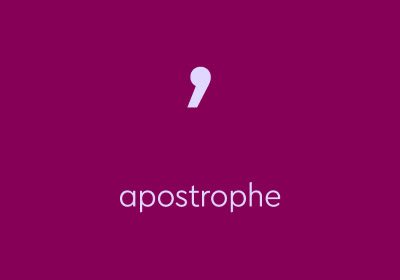
apostrophe

/əˈpɑː.strə.fi/

(noun) アポストロフィ, 呼びかけ

例:

The boy's hat was lost, so he used an apostrophe to show possession.
少年の帽子が失われたので、彼は所有を示すためにアポストロフィを使った。

article

/ˈɑːr.t̬ɪ.kəl/

(noun) 記事, 論文, 品物;

(article) 冠詞

例:

She wrote an interesting article about climate change.
彼女は気候変動に関する興味深い記事を書いた。

agreement

/əˈɡriː.mənt/

(noun) 合意, 同意, 協定

例:

We reached an agreement on the terms of the contract.
契約条件について合意に達しました。

number

/ˈnʌm.bɚ/

(noun) 数, 数字, 番号;

(verb) 数に達する, 総計する, 番号を付ける

例:
Write down your phone number.
電話番号を書いてください。

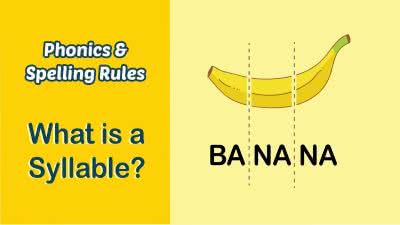
syllable

/ˈsɪl.ə.bəl/

(noun) 音節

例:

The word 'cat' has one syllable.
「cat」という単語は1つの音節です。

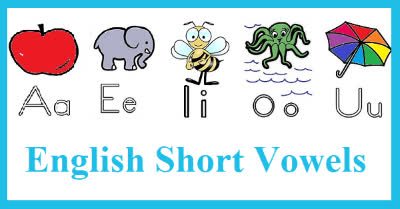
vowel

/vaʊəl/

(noun) 母音

例:

The word 'cat' has one vowel sound.
「cat」という単語には母音が1つあります。

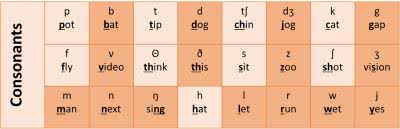
consonant

/ˈkɑːn.sə.nənt/

(noun) 子音;

(adjective) 一致した, 調和した

例:

The letter 'B' represents a consonant sound.
文字「B」は子音を表します。

voice

/vɔɪs/

(noun) 声, 発言権, 意見;

(verb) 表明する, 述べる

例:
Her voice was clear and strong.
彼女のは澄んでいて力強かった。

auxiliary

/ɑːɡˈzɪl.i.er.i/

(adjective) 補助の, 予備の;

(noun) 補助員, 助手;

(auxiliary verb) 助動詞

例:
The hospital has an auxiliary power generator.
病院には補助発電機があります。

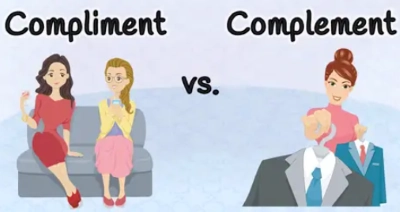
complement

/ˈkɑːm.plə.ment/

(noun) 補完物, 補足, 完全な数;

(verb) 補完する, 引き立てる

例:
The wine was a perfect complement to the meal.
そのワインは食事に完璧な補完だった。

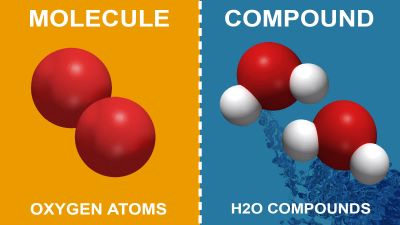
compound

/ˈkɑːm.paʊnd/

(noun) 化合物, 混合物, 敷地;

(verb) 悪化させる, 増幅させる, 複利で計算する;

(adjective) 複合の, 合成の

例:
Water is a chemical compound of hydrogen and oxygen.
水は水素と酸素の化学化合物です。

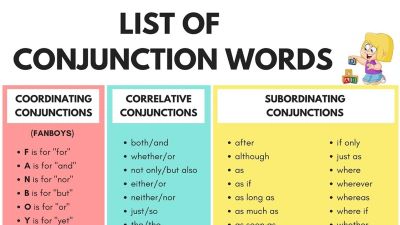
conjunction

/kənˈdʒʌŋk.ʃən/

(noun) 接続詞, 合, 結合

例:

The word 'and' is a common conjunction.
「and」という単語は一般的な接続詞です。

prepositional

/ˌprep.əˈzɪʃ.ən.əl/

(adjective) 前置詞の

例:

The phrase 'on the table' is a prepositional phrase.
「テーブルの上に」というフレーズは前置詞句です。

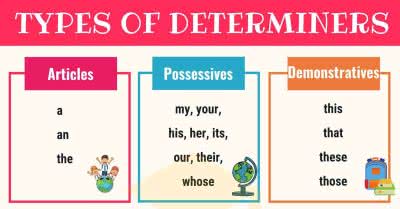
determiner

/dɪˈtɝː.mə.nɚ/

(noun) 限定詞

例:

In the sentence 'The cat sat on the mat,' 'the' is a determiner.
「猫がマットに座った」という文では、「the」は限定詞です。

fluency

/ˈfluː.ən.si/

(noun) 流暢さ, 堪能さ, 滑らかさ

例:

Her fluency in French impressed everyone.
彼女のフランス語の流暢さは皆を感心させた。

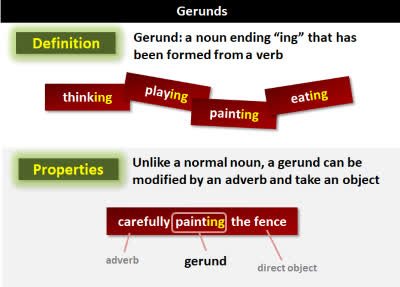
gerund

/ˈdʒer.ənd/

(noun) 動名詞

例:

The word 'swimming' is a gerund in the sentence 'Swimming is good exercise.'
「swimming」という単語は、「Swimming is good exercise.」という文では動名詞です。

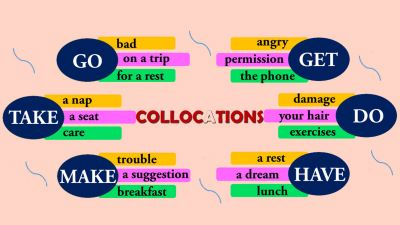
collocation

/ˌkɑː.ləˈkeɪ.ʃən/

(noun) コロケーション, 連語

例:

Strong coffee is a common collocation.
「強いコーヒー」は一般的なコロケーションです。

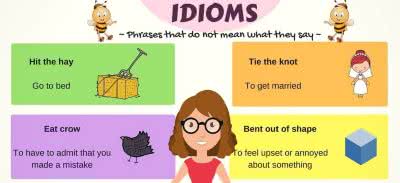
idiom

/ˈɪd.i.əm/

(noun) イディオム, 慣用句

例:

Learning English idioms can be challenging but rewarding.
英語のイディオムを学ぶのは難しいですが、やりがいがあります。

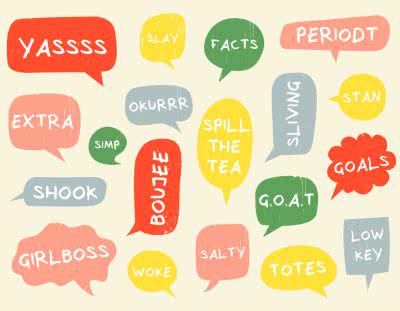
slang

/slæŋ/

(noun) 俗語, スラング;

(verb) 俗語を使う, スラングで話す

例:
The teenagers were speaking in a lot of slang I didn't understand.
ティーンエイジャーたちは、私が理解できない多くの俗語で話していた。

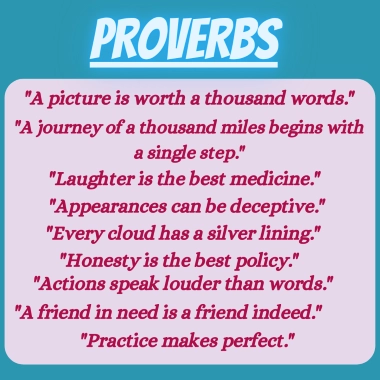
proverb

/ˈprɑː.vɝːb/

(noun) ことわざ, 格言

例:

The old proverb says, "Actions speak louder than words."
古いことわざに「行動は言葉よりも雄弁である」とあります。

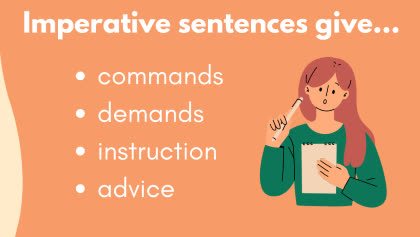
imperative

/ɪmˈper.ə.t̬ɪv/

(adjective) 不可欠な, 緊急の, 必須の;

(noun) 必須事項, 緊急課題, 命令形

例:
It is imperative that we act now.
今すぐ行動することが不可欠です。

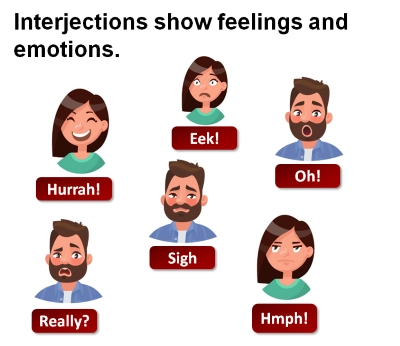
interjection

/ˌɪn.t̬ɚˈdʒek.ʃən/

(noun) 間投詞, 感嘆詞

例:

Ouch!” he cried, after hitting his thumb with a hammer.
痛っ!」彼はハンマーで親指を叩いた後、叫んだ。

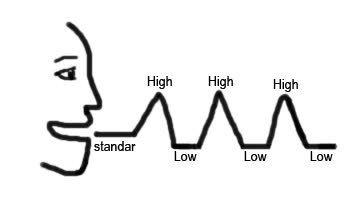
intonation

/ˌɪn.təˈneɪ.ʃən/

(noun) イントネーション, 抑揚

例:

Her voice had a peculiar intonation that made her sound foreign.
彼女の声には独特のイントネーションがあり、それが彼女を外国人のように聞こえさせた。

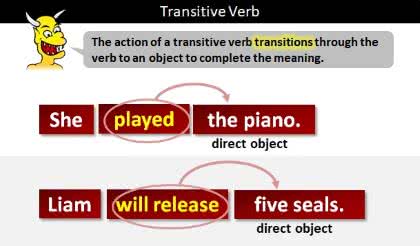
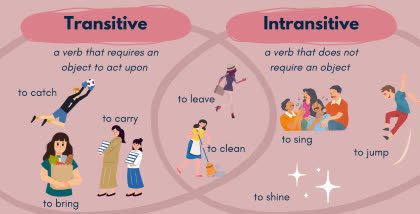
transitive

/ˈtræn.sə.t̬ɪv/

(adjective) 他動詞の

例:

The verb 'eat' is transitive because you can 'eat an apple'.
動詞「食べる」は「リンゴを食べる」と言えるので他動詞です。

intransitive

/ɪnˈtræn.sə.t̬ɪv/

(adjective) 自動詞の

例:

The verb 'sleep' is intransitive.
動詞「sleep」は自動詞です。

linguistic

/lɪŋˈɡwɪs.tɪk/

(adjective) 言語の, 言語学の

例:

The study of linguistic diversity is fascinating.
言語の多様性の研究は魅力的です。

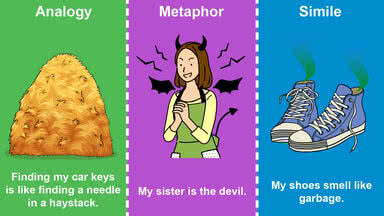
metaphor

/ˈmet̬.ə.fɔːr/

(noun) 比喩, 隠喩

例:

The phrase 'drowning in debt' is a common metaphor.
「借金漬け」というフレーズは一般的な比喩です。

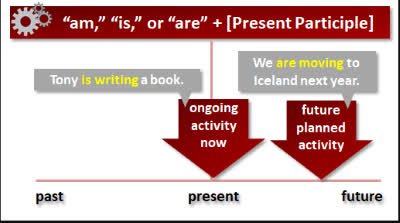
progressive

/prəˈɡres.ɪv/

(adjective) 漸進的な, 段階的な, 進歩的な;

(noun) 進歩主義者, 革新派

例:
The disease showed a progressive decline in health.
その病気は健康の漸進的な低下を示した。

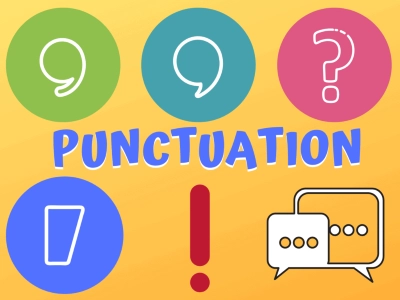
punctuation

/ˌpʌŋk.tʃuˈeɪ.ʃən/

(noun) 句読点, 句読法

例:

Proper punctuation is essential for clear writing.
明確な文章には適切な句読点が不可欠です。

quote

/kwoʊt/

(verb) 引用する, 抜粋する, 見積もる;

(noun) 引用, 名言, 見積もり

例:
She likes to quote Shakespeare in her essays.
彼女はエッセイでシェイクスピアを引用するのが好きだ。

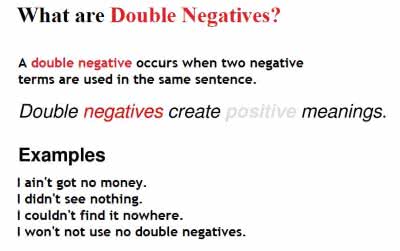
double negative

/ˌdʌbl ˈneɡətɪv/

(noun) 二重否定

例:

The sentence "I don't know nothing" is an example of a double negative.
「何も知らない」という文は二重否定の例です。
Lingolandでこの語彙セットを学習