Avatar of Vocabulary Set Langue et grammaire

Ensemble de vocabulaire Langue et grammaire dans Vocabulaire essentiel pour le TOEFL : Liste complète et détaillée

L'ensemble de vocabulaire 'Langue et grammaire' dans 'Vocabulaire essentiel pour le TOEFL' est soigneusement sélectionné à partir de sources de manuels internationaux standard, vous aidant à maîtriser le vocabulaire en peu de temps. Compilation complète de définitions, exemples illustratifs et prononciation standard...

Apprendre cet ensemble de vocabulaire sur Lingoland

Apprendre maintenant
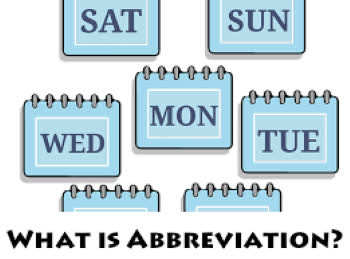
abbreviation

/əˌbriː.viˈeɪ.ʃən/

(noun) abréviation

Exemple:

''Dr.'' is the abbreviation for ''Doctor''.
« Dr » est l'abréviation de « Docteur ».

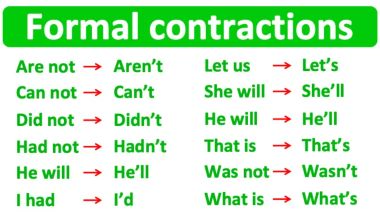
contraction

/kənˈtræk.ʃən/

(noun) contraction, réduction, forme abrégée

Exemple:

The contraction of the muscles caused the arm to bend.
La contraction des muscles a fait plier le bras.

dialect

/ˈdaɪ.ə.lekt/

(noun) dialecte, patois

Exemple:

The local dialect is quite different from the standard language.
Le dialecte local est assez différent de la langue standard.

accent

/ˈæk.sənt/

(noun) accent, emphase, signe diacritique;

(verb) accentuer, mettre en valeur

Exemple:
She spoke with a strong French accent.
Elle parlait avec un fort accent français.

apostrophe

/əˈpɑː.strə.fi/

(noun) apostrophe, interpellation

Exemple:

The boy's hat was lost, so he used an apostrophe to show possession.
Le chapeau du garçon était perdu, il a donc utilisé une apostrophe pour indiquer la possession.

article

/ˈɑːr.t̬ɪ.kəl/

(noun) article, objet;

(article) article

Exemple:

She wrote an interesting article about climate change.
Elle a écrit un article intéressant sur le changement climatique.

agreement

/əˈɡriː.mənt/

(noun) accord, entente, consentement

Exemple:
We reached an agreement on the terms of the contract.
Nous sommes parvenus à un accord sur les termes du contrat.

number

/ˈnʌm.bɚ/

(noun) nombre, numéro, édition;

(verb) chiffrer, s'élever à, numéroter

Exemple:
Write down your phone number.
Notez votre numéro de téléphone.

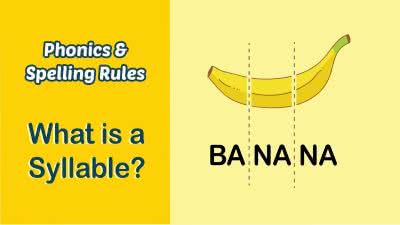
syllable

/ˈsɪl.ə.bəl/

(noun) syllabe

Exemple:

The word 'cat' has one syllable.
Le mot 'chat' a une syllabe.

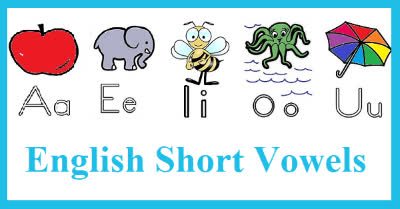
vowel

/vaʊəl/

(noun) voyelle

Exemple:

The word 'cat' has one vowel sound.
Le mot 'chat' a un son de voyelle.

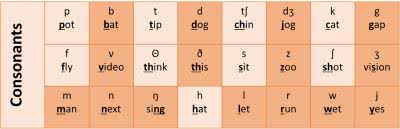
consonant

/ˈkɑːn.sə.nənt/

(noun) consonne;

(adjective) conforme, en accord

Exemple:

The letter 'B' represents a consonant sound.
La lettre 'B' représente un son consonne.

voice

/vɔɪs/

(noun) voix, droit de parole;

(verb) exprimer, formuler

Exemple:
Her voice was clear and strong.
Sa voix était claire et forte.

auxiliary

/ɑːɡˈzɪl.i.er.i/

(adjective) auxiliaire, supplémentaire;

(noun) auxiliaire, assistant;

(auxiliary verb) verbe auxiliaire

Exemple:
The hospital has an auxiliary power generator.
L'hôpital dispose d'un générateur d'énergie auxiliaire.

complement

/ˈkɑːm.plə.ment/

(noun) complément, effectif;

(verb) compléter

Exemple:
The wine was a perfect complement to the meal.
Le vin était un parfait complément au repas.

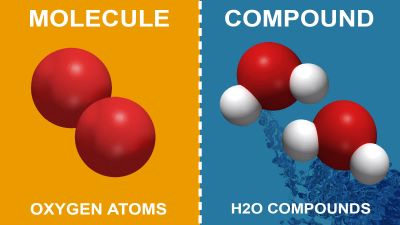
compound

/ˈkɑːm.paʊnd/

(noun) composé, mélange, complexe;

(verb) aggraver, intensifier, composer;

(adjective) composé

Exemple:
Water is a chemical compound of hydrogen and oxygen.
L'eau est un composé chimique d'hydrogène et d'oxygène.

conjunction

/kənˈdʒʌŋk.ʃən/

(noun) conjonction, coïncidence, union

Exemple:

The word 'and' is a common conjunction.
Le mot 'et' est une conjonction courante.

prepositional

/ˌprep.əˈzɪʃ.ən.əl/

(adjective) prépositionnel

Exemple:

The phrase 'on the table' is a prepositional phrase.
L'expression 'sur la table' est une locution prépositionnelle.

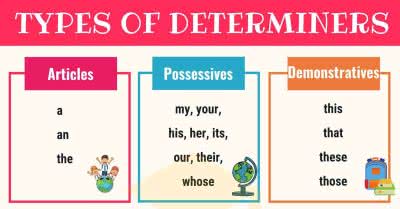
determiner

/dɪˈtɝː.mə.nɚ/

(noun) déterminant

Exemple:

In the sentence 'The cat sat on the mat,' 'the' is a determiner.
Dans la phrase 'Le chat était assis sur le tapis', 'le' est un déterminant.

fluency

/ˈfluː.ən.si/

(noun) maîtrise, fluidité, aisance

Exemple:
Her fluency in French impressed everyone.
Sa maîtrise du français a impressionné tout le monde.

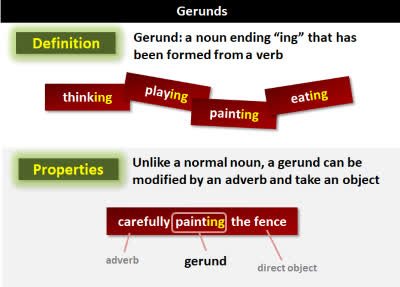
gerund

/ˈdʒer.ənd/

(noun) gérondif

Exemple:

The word 'swimming' is a gerund in the sentence 'Swimming is good exercise.'
Le mot 'swimming' est un gérondif dans la phrase 'Swimming is good exercise.'

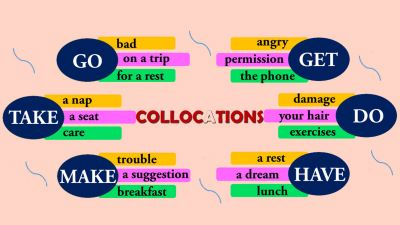
collocation

/ˌkɑː.ləˈkeɪ.ʃən/

(noun) collocation

Exemple:

Strong coffee is a common collocation.
Café fort est une collocation courante.

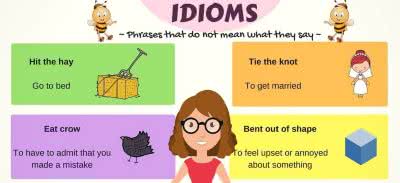
idiom

/ˈɪd.i.əm/

(noun) idiome, expression idiomatique

Exemple:
Learning English idioms can be challenging but rewarding.
Apprendre les idiomes anglais peut être difficile mais gratifiant.

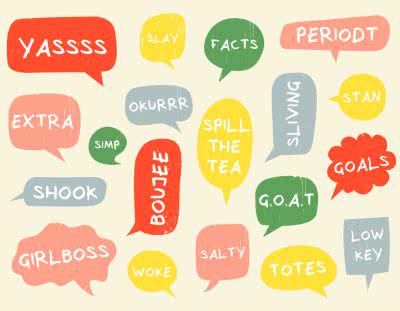
slang

/slæŋ/

(noun) argot, langage familier;

(verb) parler en argot, utiliser l'argot

Exemple:
The teenagers were speaking in a lot of slang I didn't understand.
Les adolescents parlaient beaucoup d'argot que je ne comprenais pas.

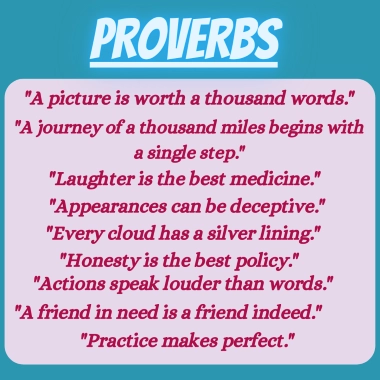
proverb

/ˈprɑː.vɝːb/

(noun) proverbe, dicton

Exemple:

The old proverb says, "Actions speak louder than words."
Le vieux proverbe dit : « Les actions parlent plus fort que les mots. »

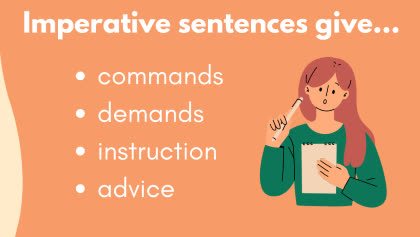
imperative

/ɪmˈper.ə.t̬ɪv/

(adjective) impératif, essentiel, crucial;

(noun) impératif, nécessité, mode impératif

Exemple:
It is imperative that we act now.
Il est impératif que nous agissions maintenant.

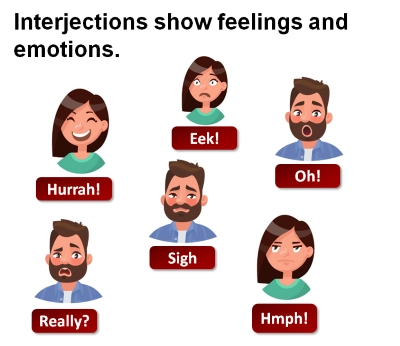
interjection

/ˌɪn.t̬ɚˈdʒek.ʃən/

(noun) interjection, exclamation

Exemple:
Ouch!” he cried, after hitting his thumb with a hammer.
« Aïe ! » cria-t-il, après s'être frappé le pouce avec un marteau.

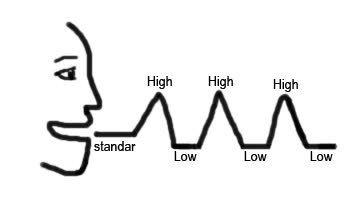
intonation

/ˌɪn.təˈneɪ.ʃən/

(noun) intonation

Exemple:

Her voice had a peculiar intonation that made her sound foreign.
Sa voix avait une intonation particulière qui la faisait paraître étrangère.

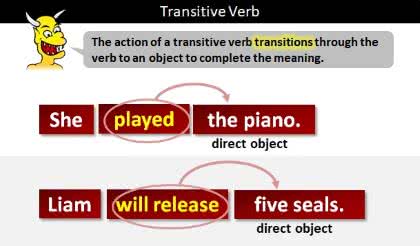
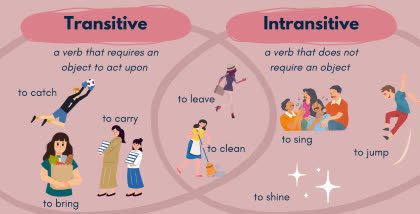
transitive

/ˈtræn.sə.t̬ɪv/

(adjective) transitif

Exemple:

The verb 'eat' is transitive because you can 'eat an apple'.
Le verbe 'manger' est transitif car on peut 'manger une pomme'.

intransitive

/ɪnˈtræn.sə.t̬ɪv/

(adjective) intransitif

Exemple:

The verb 'sleep' is intransitive.
Le verbe 'dormir' est intransitif.

linguistic

/lɪŋˈɡwɪs.tɪk/

(adjective) linguistique

Exemple:

The study of linguistic diversity is fascinating.
L'étude de la diversité linguistique est fascinante.

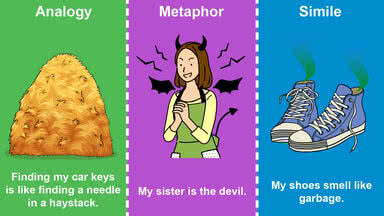
metaphor

/ˈmet̬.ə.fɔːr/

(noun) métaphore

Exemple:

The phrase 'drowning in debt' is a common metaphor.
L'expression 'noyé sous les dettes' est une métaphore courante.

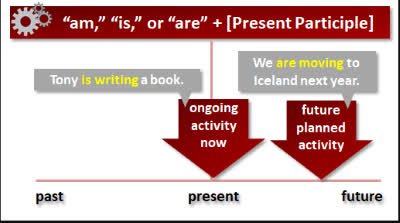
progressive

/prəˈɡres.ɪv/

(adjective) progressif, graduel, progressiste;

(noun) progressiste, réformateur

Exemple:
The disease showed a progressive decline in health.
La maladie a montré un déclin progressif de la santé.

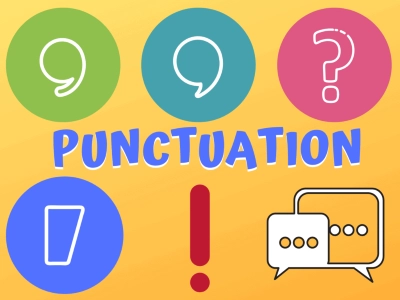
punctuation

/ˌpʌŋk.tʃuˈeɪ.ʃən/

(noun) ponctuation

Exemple:

Proper punctuation is essential for clear writing.
Une ponctuation correcte est essentielle pour une écriture claire.

quote

/kwoʊt/

(verb) citer, reproduire, citer un prix;

(noun) citation, extrait, devis

Exemple:
She likes to quote Shakespeare in her essays.
Elle aime citer Shakespeare dans ses essais.

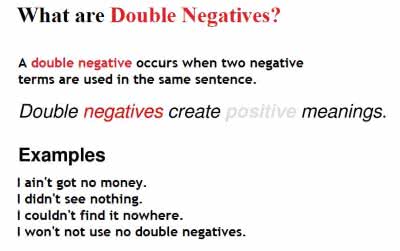
double negative

/ˌdʌbl ˈneɡətɪv/

(noun) double négation

Exemple:

The sentence "I don't know nothing" is an example of a double negative.
La phrase « Je ne sais rien » est un exemple de double négation.
Apprendre cet ensemble de vocabulaire sur Lingoland