Avatar of Vocabulary Set ヘルスケアと医療

TOEFL必須語彙 内 ヘルスケアと医療 語彙セット:完全かつ詳細なリスト

「TOEFL必須語彙」内の「ヘルスケアと医療」語彙セットは国際標準教材から厳選され、短期間で語彙をマスターできます。定義、例文、標準発音を網羅…

Lingolandでこの語彙セットを学習

今すぐ学習
treatment

/ˈtriːt.mənt/

(noun) 扱い, 対応, 治療

例:

She received excellent treatment from the hospital staff.
彼女は病院のスタッフから素晴らしい対応を受けた。

medicine

/ˈmed.ɪ.sən/

(noun) 医学, 医療, 薬

例:

She is studying medicine at university.
彼女は大学で医学を学んでいます。

medication

/ˌmed.əˈkeɪ.ʃən/

(noun) 薬, 薬剤, 投薬

例:

He is currently on medication for his high blood pressure.
彼は現在、高血圧のを服用しています。

heal

/hiːl/

(verb) 治る, 癒す

例:

The wound will heal quickly with proper care.
適切な手当てをすれば、傷はすぐに治るでしょう。

painkiller

/ˈpeɪnˌkɪl.ɚ/

(noun) 鎮痛剤, 痛み止め

例:

She took a painkiller for her headache.
彼女は頭痛のために鎮痛剤を飲んだ。

cure

/kjʊr/

(noun) 治療法, 治療薬;

(verb) 治す, 治療する, 熟成させる

例:

Scientists are still searching for a cure for cancer.
科学者たちはまだ癌の治療法を探している。

remedy

/ˈrem.ə.di/

(noun) 治療法, 薬, 解決策;

(verb) 改善する, 是正する

例:
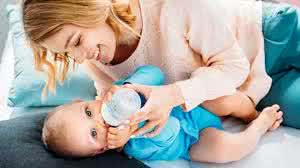
There is no known remedy for the common cold.
風邪に効く既知の治療法はありません。

soothe

/suːð/

(verb) なだめる, 和らげる, 軽減する

例:

She tried to soothe the crying baby with a lullaby.
彼女は子守歌で泣いている赤ちゃんをなだめようとした。

revive

/rɪˈvaɪv/

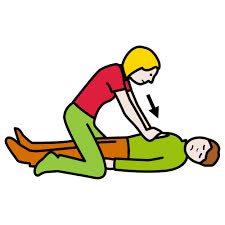
(verb) 蘇生させる, 生き返らせる, 復活させる

例:

The paramedics tried to revive the unconscious man.
救急隊員は意識不明の男性を蘇生させようとした。

rehabilitate

/ˌriː.həˈbɪl.ə.teɪt/

(verb) 更生させる, リハビリする, 改修する

例:

The program aims to rehabilitate offenders.
このプログラムは犯罪者を更生させることを目的としている。

therapy

/ˈθer.ə.pi/

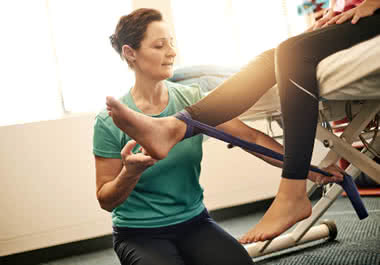
(noun) 治療, 療法

例:

She is undergoing physical therapy after her accident.
彼女は事故後、理学療法を受けている。

vaccine

/vækˈsiːn/

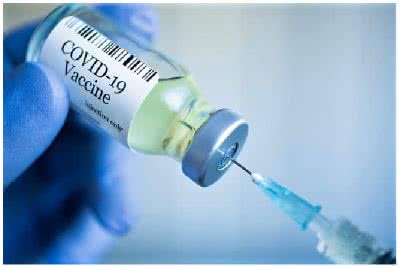
(noun) ワクチン, 予防接種;

(verb) ワクチンを接種する, 予防接種をする

例:
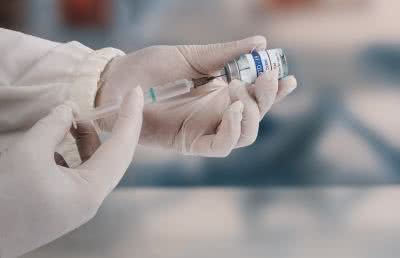
The new vaccine offers protection against several strains of the virus.
新しいワクチンは、ウイルスのいくつかの株に対する防御を提供します。

vaccination

/ˌvæk.səˈneɪ.ʃən/

(noun) 予防接種, ワクチン接種

例:

The doctor recommended vaccination for all children.
医師はすべての子供に予防接種を推奨した。

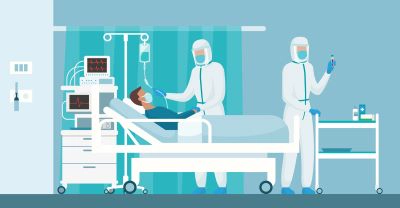
quarantine

/ˈkwɔːr.ən.tiːn/

(noun) 検疫, 隔離;

(verb) 隔離する, 検疫する

例:

The ship was placed under quarantine due to an outbreak of illness.
病気の発生により、船は検疫下に置かれた。

isolate

/ˈaɪ.sə.leɪt/

(verb) 隔離する, 分離する, 遮断する

例:

The patient was isolated to prevent the spread of the virus.
ウイルスの拡散を防ぐため、患者は隔離された。

injection

/ɪnˈdʒek.ʃən/

(noun) 注射, 注入, 投入

例:

The nurse gave him an injection to relieve the pain.
看護師は痛みを和らげるために彼に注射をした。

side effect

/ˈsaɪd ɪˌfekt/

(noun) 副作用, 副次的影響, 予期せぬ結果

例:

Drowsiness is a common side effect of this medication.
眠気はこの薬の一般的な副作用です。

immune

/ɪˈmjuːn/

(adjective) 免疫のある, 抵抗力のある, 免除された

例:

After getting the vaccine, she became immune to the virus.
ワクチンを接種した後、彼女はウイルスに免疫ができた

resistance

/rɪˈzɪs.təns/

(noun) 抵抗, 反抗, 耐性

例:

The local population offered strong resistance to the invading army.
地元住民は侵攻軍に強い抵抗を示した。

practice

/ˈpræk.tɪs/

(noun) 実践, 実行, 習慣;

(verb) 練習する, 稽古する, 実践する

例:

It's a good theory, but it won't work in practice.
それは良い理論だが、実際にはうまくいかないだろう。

pharmacy

/ˈfɑːr.mə.si/

(noun) 薬局, 薬学, 調剤

例:

I need to go to the pharmacy to pick up my prescription.
処方箋を受け取るために薬局に行く必要があります。

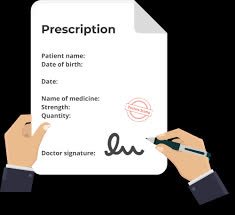
prescription

/prɪˈskrɪp.ʃən/

(noun) 処方箋, 処方, 処方行為

例:

The doctor gave me a prescription for antibiotics.
医者は私に抗生物質の処方箋をくれた。

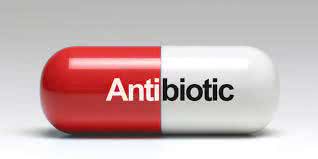
antibiotic

/ˌæn.t̬i.baɪˈɑː.t̬ɪk/

(noun) 抗生物質;

(adjective) 抗生物質の, 抗菌の

例:
The doctor prescribed an antibiotic for her infection.
医師は彼女の感染症に抗生物質を処方した。

first aid

/ˌfɜːrst ˈeɪd/

(noun) 応急処置

例:

He administered first aid to the injured runner.
彼は負傷したランナーに応急処置を施した。

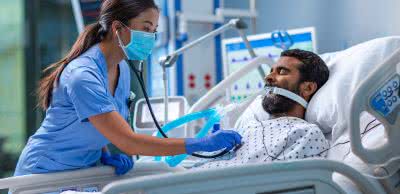
intensive care

/ɪnˌten.sɪv ˈker/

(noun) 集中治療

例:

After the accident, he was admitted to intensive care.
事故後、彼は集中治療室に入院した。

self-care

/ˌselfˈker/

(noun) セルフケア, 自己管理

例:

Meditation and exercise are important forms of self-care.
瞑想と運動はセルフケアの重要な形態です。

recovery

/rɪˈkʌv.ɚ.i/

(noun) 回復, 復旧, 回収

例:

Her recovery from the illness was slow but steady.
彼女の病気からの回復は遅かったが着実だった。

physical therapy

/ˈfɪz.ɪ.kəl ˈθer.ə.pi/

(noun) 理学療法

例:

After the car accident, he had to go to physical therapy twice a week.
自動車事故の後、彼は週に2回理学療法に通わなければなりませんでした。

conventional

/kənˈven.ʃən.əl/

(adjective) 従来の, 慣習的な, 型にはまった

例:

She prefers conventional methods of teaching.
彼女は従来の教授法を好む。

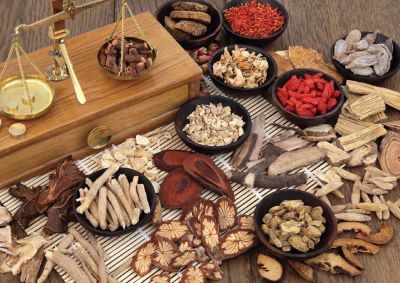
traditional medicine

/trəˈdɪʃ.ən.əl ˈmed.ɪ.sən/

(noun) 伝統医学

例:

Many people in rural areas still rely on traditional medicine for their primary healthcare.
農村地域の多くの人々は、依然として一次医療を伝統医学に頼っています。

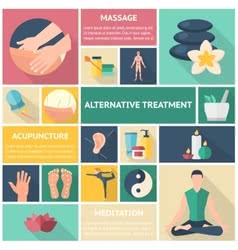
alternative medicine

/ˌɑːl.tɝː.nə.tɪv ˈmed.ɪ.sɪn/

(noun) 代替医療

例:

Many people are turning to alternative medicine for chronic conditions.
多くの人々が慢性疾患のために代替医療に目を向けています。

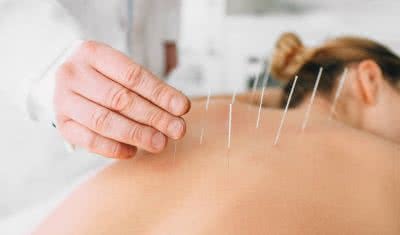
acupuncture

/ˈæk.jə.pʌŋk.tʃɚ/

(noun) 鍼治療, 鍼

例:

She decided to try acupuncture for her chronic back pain.
彼女は慢性的な腰痛のために鍼治療を試すことにした。

mental health

/ˈmen.təl ˌhelθ/

(noun) メンタルヘルス, 精神的健康

例:

Regular exercise can improve your mental health.
定期的な運動はメンタルヘルスを改善することができます。

antidepressant

/ˌæn.t̬i.dɪˈpres.ənt/

(noun) 抗うつ剤

例:

The doctor prescribed an antidepressant to help with her mood.
医師は彼女の気分を助けるために抗うつ剤を処方した。

insurance

/ɪnˈʃɝː.əns/

(noun) 保険, 保険業

例:

I need to get car insurance before I can drive.
運転する前に自動車保険に入らなければならない。

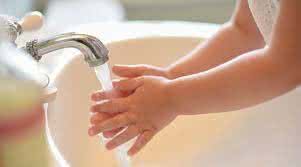
hygiene

/ˈhaɪ.dʒiːn/

(noun) 衛生, 清潔

例:

Good personal hygiene is essential for preventing the spread of germs.
良い個人衛生は、細菌の拡散を防ぐために不可欠です。

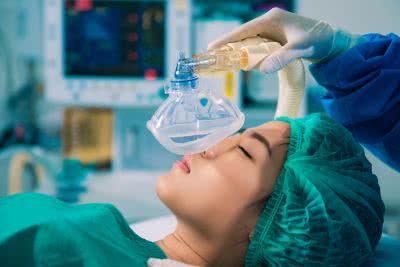
anesthetic

/ˌæn.əsˈθet̬.ɪk/

(noun) 麻酔薬, 麻酔剤;

(adjective) 麻酔の, 麻酔作用のある

例:

The dentist administered a local anesthetic before the extraction.
歯科医は抜歯前に局所麻酔薬を投与した。
Lingolandでこの語彙セットを学習