Avatar of Vocabulary Set 自然現象と環境

TOEFL上級語彙 内 自然現象と環境 語彙セット:完全かつ詳細なリスト

「TOEFL上級語彙」内の「自然現象と環境」語彙セットは国際標準教材から厳選され、短期間で語彙をマスターできます。定義、例文、標準発音を網羅…

Lingolandでこの語彙セットを学習

今すぐ学習

drizzle

/ˈdrɪz.əl/

(noun) 霧雨;

(verb) 霧雨が降る, たらす, かける

例:

A fine drizzle was falling as we left the house.
家を出るとき、細かい霧雨が降っていた。

inundate

/ˈɪn.ʌn.deɪt/

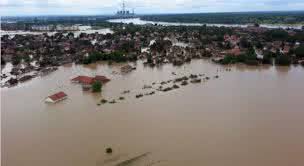
(verb) 殺到させる, 押し寄せる, 水浸しにする

例:

We have been inundated with requests for help.
助けを求める依頼が殺到しています。

anticyclone

/ˌæn.t̬iˈsaɪ.kloʊn/

(noun) 高気圧, 反低気圧

例:

The prolonged dry spell was caused by a persistent anticyclone.
長引く乾燥は、持続的な高気圧によって引き起こされた。

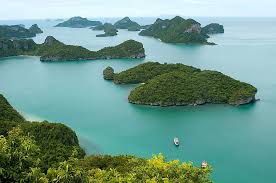
archipelago

/ˌɑːr.kəˈpel.ə.ɡoʊ/

(noun) 群島, 諸島

例:

Indonesia is the largest archipelago in the world.
インドネシアは世界最大の群島です。

aerosol

/ˈer.ə.sɑːl/

(noun) エアロゾル, スプレー, 浮遊粒子

例:

She used an aerosol can of hairspray.
彼女はヘアスプレーのエアロゾル缶を使った。

deluge

/ˈdel.juːdʒ/

(noun) 大洪水, 豪雨, 殺到;

(verb) 水浸しにする, 氾濫させる, 殺到する

例:
The town was hit by a sudden deluge.
町は突然の大洪水に見舞われた。

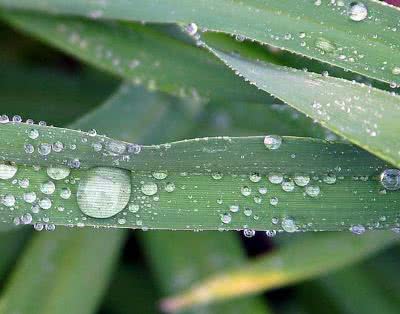
dew

/duː/

(noun) 露;

(verb) 露で覆う, 湿らせる

例:

The grass was wet with morning dew.
草は朝ので濡れていた。

flurry

/ˈflɝː.i/

(noun) 慌ただしさ, 動揺, 一陣;

(verb) 舞い上がらせる, 慌てさせる

例:
There was a flurry of activity before the guests arrived.
ゲストが到着する前に、慌ただしい動きがあった。

gust

/ɡʌst/

(noun) 突風, 一陣の風, 一陣;

(verb) 突風が吹く, 吹き荒れる

例:
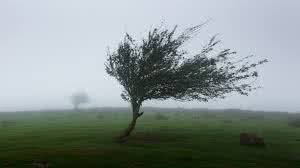
A sudden gust of wind blew her hat off.
突然の突風が彼女の帽子を吹き飛ばした。

icicle

/ˈaɪ.sɪ.kəl/

(noun) つらら

例:

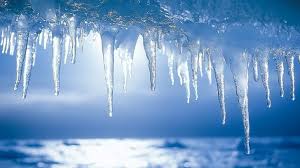
Long, sharp icicles hung from the eaves of the house.
長くて鋭いつららが家の軒先からぶら下がっていた。

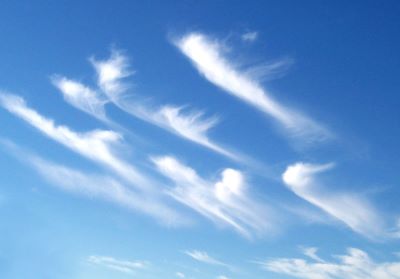
cirrus

/ˈsɪr.əs/

(noun) 巻雲, けんうん

例:

The sky was filled with delicate cirrus clouds that looked like feathers.
空は羽のような繊細な巻雲でいっぱいだった。

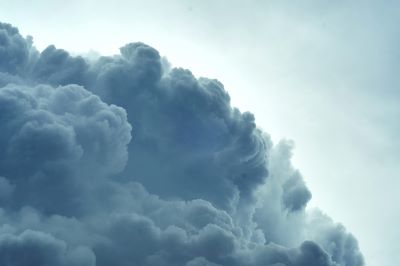
nimbus

/ˈnɪm.bəs/

(noun) 後光, 光背, 乱層雲

例:

The saint was depicted with a golden nimbus around his head.
その聖人は頭の周りに金の後光を伴って描かれていた。

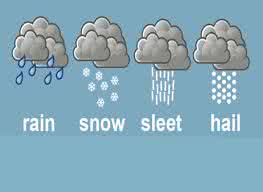
precipitation

/priːˌsɪp.əˈteɪ.ʃən/

(noun) 降水, 雨, 雪

例:

The forecast calls for a high chance of precipitation tomorrow.
明日は降水確率が高いと予報されています。

thaw

/θɑː/

(verb) 解凍する, 溶ける, 打ち解ける;

(noun) 解氷, 雪解け

例:

Let the frozen chicken thaw in the refrigerator overnight.
冷凍チキンを一晩冷蔵庫で解凍してください。

biohazard

/ˌbaɪ.oʊˈhæz.ɚd/

(noun) バイオハザード, 生物学的危険

例:

The spilled liquid was marked with a biohazard symbol.
こぼれた液体にはバイオハザードの記号が付けられていた。

cataclysm

/ˈkæt̬.ə.klɪ.zəm/

(noun) 大変動, 大災害, 激変

例:

The eruption of the supervolcano caused a global cataclysm.
超火山の噴火は世界的な大変動を引き起こした。

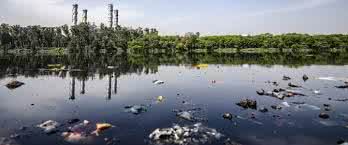
contamination

/kənˌtæm.əˈneɪ.ʃən/

(noun) 汚染, 混入

例:

The river suffered from severe chemical contamination.
その川は深刻な化学物質による汚染に苦しんだ。

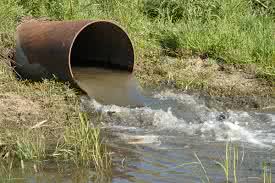
effluent

/ˈef.lu.ənt/

(noun) 廃水, 排出物;

(adjective) 流出する, 排出する

例:
The factory was fined for discharging untreated effluent into the river.
工場は未処理の廃水を川に放流したため罰金を科された。

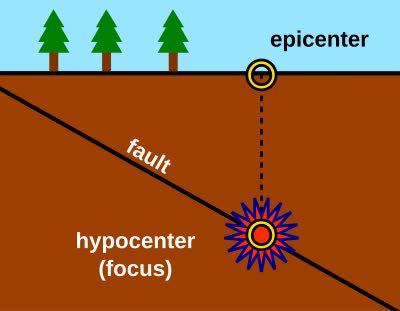
epicenter

/ˈep.ə.sen.t̬ɚ/

(noun) 震源地, 震央, 中心

例:

The epicenter of the earthquake was located near the coast.
地震の震源地は海岸近くに位置していた。

eye

/aɪ/

(noun) 目, 穴;

(verb) 見る, じっと見る

例:

She has beautiful blue eyes.
彼女は美しい青いをしている。

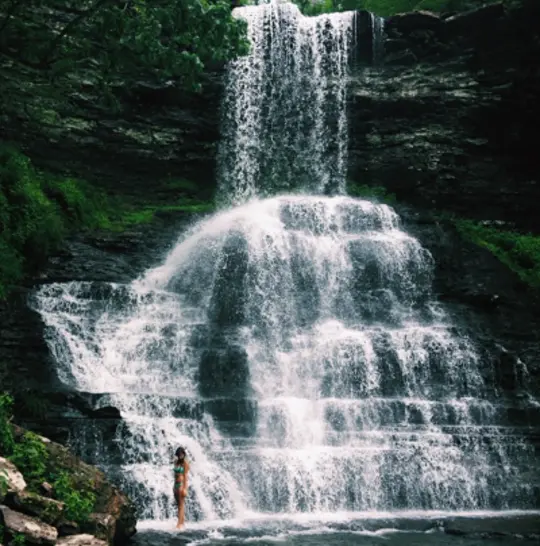
cascade

/kæsˈkeɪd/

(noun) 滝, 連瀑, 連鎖;

(verb) 流れ落ちる, 連鎖的に起こる

例:
The river flowed over a series of beautiful cascades.
川は美しいの連なりを流れ落ちた。

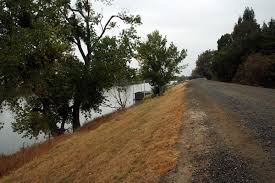
dike

/daɪk/

(noun) 堤防, 土手;

(verb) 堤防を築く

例:

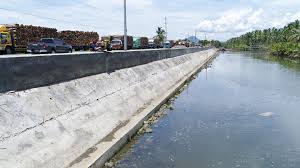
The engineers built a dike to protect the low-lying farmland.
エンジニアは低地の農地を守るために堤防を築いた。

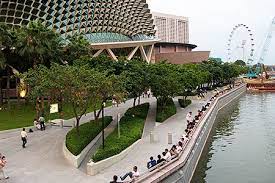
esplanade

/ˈes.plə.nɑːd/

(noun) 遊歩道, 広場

例:

We took a relaxing stroll along the esplanade at sunset.
私たちは夕暮れ時に遊歩道をのんびりと散歩しました。

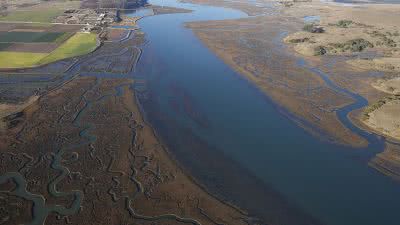
estuary

/ˈes.tu.er.i/

(noun) 河口, 入り江

例:

Many species of fish and birds thrive in the rich ecosystem of the estuary.
多くの種類の魚や鳥が河口の豊かな生態系で繁殖しています。

gorge

/ɡɔːrdʒ/

(noun) 峡谷, 渓谷;

(verb) むさぼり食う, がつがつ食べる

例:
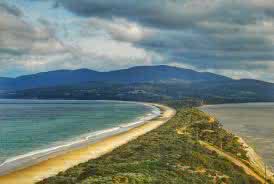
The river carved a deep gorge through the mountains.
川は山々に深い峡谷を刻んだ。

isthmus

/ˈɪsθ.məs/

(noun) 地峡

例:

The Isthmus of Panama connects North and South America.
パナマ地峡は北アメリカと南アメリカを結んでいます。

levee

/ˈlev.i/

(noun) 堤防, 土手;

(verb) 堤防を築く, 土手で囲む

例:
The town was protected by a large levee.
その町は大きな堤防で守られていた。

meridian

/məˈrɪd.i.ən/

(noun) 子午線, 絶頂期, 最盛期

例:

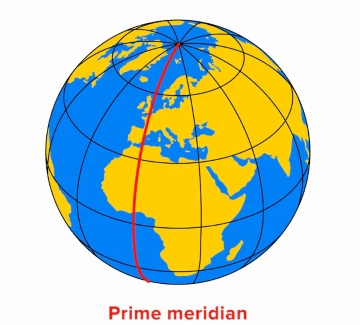
The Prime Meridian passes through Greenwich, London.
本初子午線はロンドンのグリニッジを通る。

morass

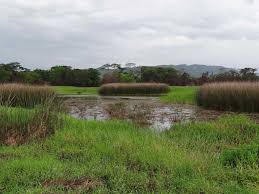
/məˈræs/

(noun) 沼地, 泥沼, 混迷

例:

The hikers found themselves stuck in a deep morass.
ハイカーたちは深い沼地にはまってしまった。

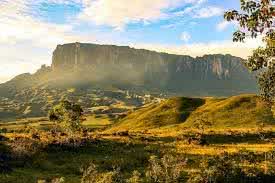
plateau

/plætˈoʊ/

(noun) 高原, 台地, 停滞期;

(verb) 停滞する, 横ばいになる

例:
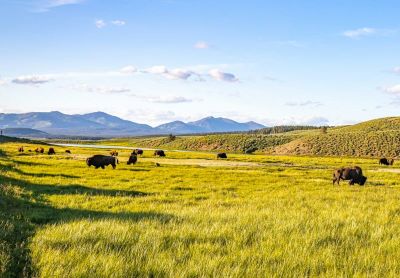
The explorers reached a vast plateau after a long climb.
探検家たちは長い登りの後、広大な高原に到達した。

prairie

/ˈprer.i/

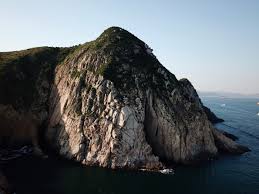
promontory

/ˈprɑː.mən.tɔːr/

(noun) 岬, 突端

例:

The lighthouse stood on a rocky promontory, guiding ships safely to shore.
灯台は岩だらけのに立っており、船を安全に岸へ導いていた。

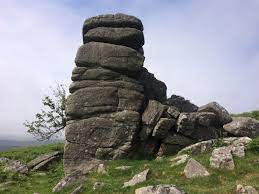
tor

/tɔːr/

(noun) 岩山, 露頭

例:

The hikers reached the summit of the tor after a long climb.
ハイカーたちは長い登りの後、岩山の頂上に到達した。

tremor

/ˈtrem.ɚ/

(noun) 震え, 戦慄, 微震

例:

There was a slight tremor in her voice as she spoke.
彼女が話すとき、声にわずかな震えがあった。

zenith

/ˈziː.nɪθ/

(noun) 絶頂期, 頂点, 天頂

例:

The Roman Empire reached its zenith in the 2nd century AD.
ローマ帝国は紀元2世紀にその絶頂期を迎えた。

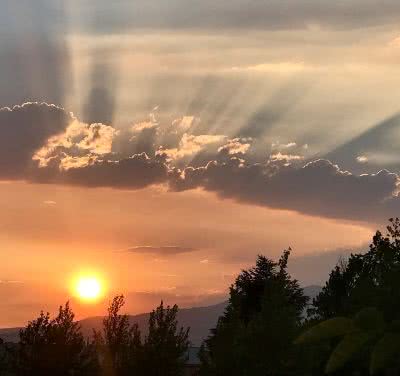
crepuscular

/krɪˈpʌs.kjə.lɚ/

(adjective) 薄明かりの, たそがれの, 薄明活動性の

例:

The forest takes on a mysterious glow during the crepuscular hours.
森は薄明かりの時間帯に神秘的な輝きを放つ。

geothermal

/ˌdʒiː.oʊˈθɝː.məl/

(adjective) 地熱の

例:

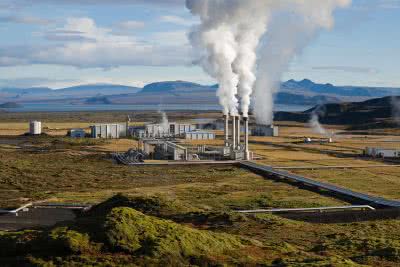
Geothermal energy is a renewable resource.
地熱エネルギーは再生可能な資源です。

seismic

/ˈsaɪz.mɪk/

(adjective) 地震の, 地震に関する, 甚大な

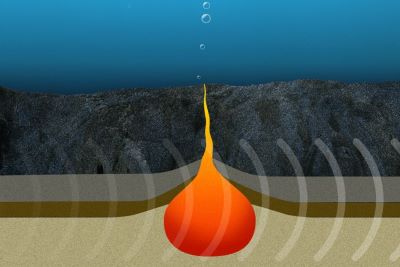
例:

The region is prone to frequent seismic activity.
この地域は頻繁な地震活動にさらされています。

tectonic

/tekˈtɑː.nɪk/

(adjective) 地殻変動の, 構造の, 建築の

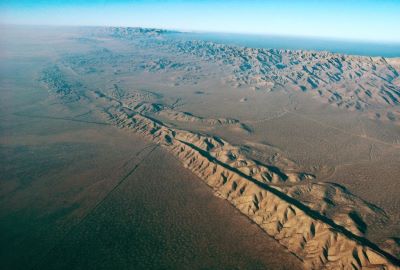
例:

The earthquake was caused by the movement of tectonic plates.
地震は地殻変動プレートの動きによって引き起こされた。
Lingolandでこの語彙セットを学習