
TOEFL上級語彙 内 歴史 語彙セット:完全かつ詳細なリスト
「TOEFL上級語彙」内の「歴史」語彙セットは国際標準教材から厳選され、短期間で語彙をマスターできます。定義、例文、標準発音を網羅…
Lingolandでこの語彙セットを学習
今すぐ学習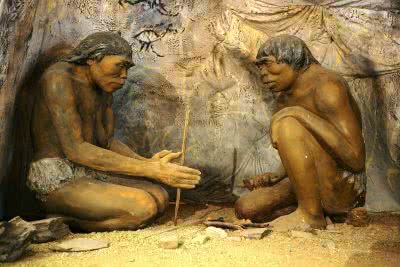
/ˈstoʊn ˌeɪdʒ/
(noun) 石器時代, 原始時代, 時代遅れ
例:
Humans lived in caves during the Stone Age.
人類は石器時代に洞窟に住んでいた。
/priːˈhɪs.t̬ɚ.i/
(noun) 先史時代
例:
Archaeologists study artifacts from prehistory to understand early human societies.
考古学者は初期人類社会を理解するために先史時代の遺物を研究する。
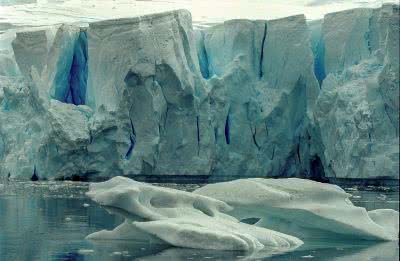
/ˈaɪs ˌeɪdʒ/
(noun) 氷河時代
例:
The last Ice Age ended about 10,000 years ago.
最後の氷河時代は約1万年前に終わった。
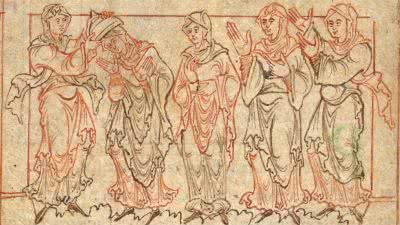
/ænˈtɪk.wə.t̬i/
(noun) 古代, 古くからの時代, 古さ
例:
The museum houses artifacts from antiquity.
その博物館には古代の遺物が収蔵されている。
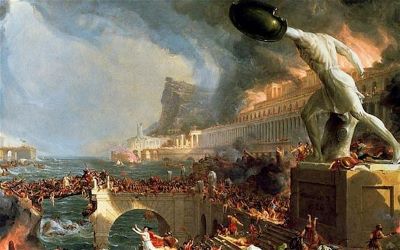
/ðə dɑːrk ˈeɪ.dʒɪz/
(noun) 暗黒時代, 無知な時代
例:
Many historical myths about the Dark Ages have been debunked by modern scholars.
暗黒時代に関する多くの歴史的神話が、現代の学者によって否定されてきました。
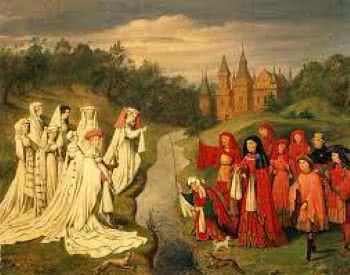
/ðə ˌmɪd.əl ˈeɪ.dʒɪz/
(noun) 中世
例:
Life was very different during the Middle Ages.
中世の生活は大きく異なっていた。
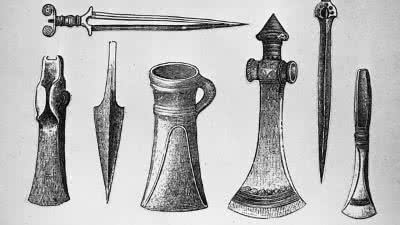
/ðə ˈaɪərn eɪdʒ/
(noun) 鉄器時代
例:
Archaeologists have found many artifacts from the Iron Age.
考古学者は鉄器時代の多くの遺物を発見しました。
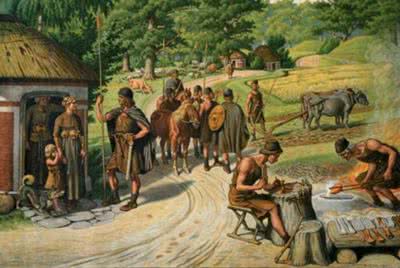
/ðə ˈbrɑːnz eɪdʒ/
(noun) 青銅器時代
例:
Archaeologists found artifacts from the Bronze Age.
考古学者は青銅器時代の遺物を発見した。
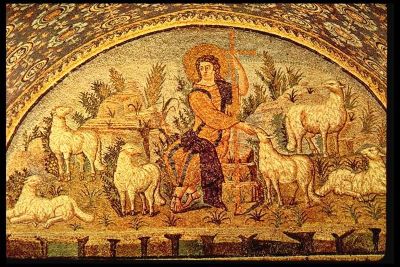
/ðə ˈkrɪs.tʃən ˈɪr.ə/
(noun) 西暦, キリスト紀元
例:
The calendar we use today is based on the Christian era.
私たちが今日使っているカレンダーは西暦に基づいています。
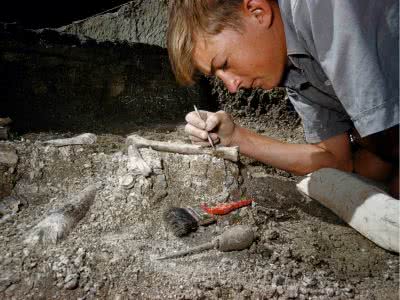
/ˌpeɪ.li.ənˈtɑː.lə.dʒi/
(noun) 古生物学
例:
She decided to major in paleontology after visiting a natural history museum.
彼女は自然史博物館を訪れた後、古生物学を専攻することに決めた。
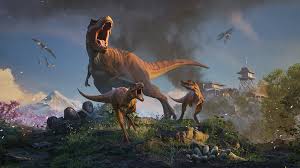
/dʒəˈræs.ɪk/
(adjective) ジュラ紀の
例:
The Jurassic period is famous for its giant dinosaurs.
ジュラ紀は巨大な恐竜で有名です。
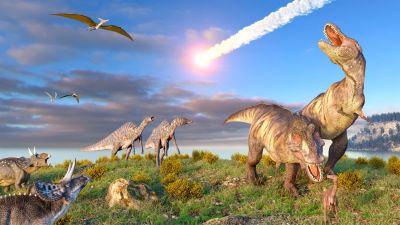
/krɪˈteɪ.ʃəs/
(adjective) 白亜紀の;
(noun) 白亜紀
例:
Tyrannosaurus rex lived during the late Cretaceous period.
ティラノサウルス・レックスは白亜紀後期に生息していました。
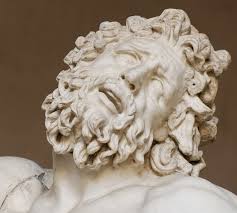
/ˌhel.əˈnɪs.tɪk/
(adjective) ヘレニズムの
例:
The museum features a remarkable collection of Hellenistic sculptures.
その博物館には、素晴らしいヘレニズム彫刻のコレクションがあります。
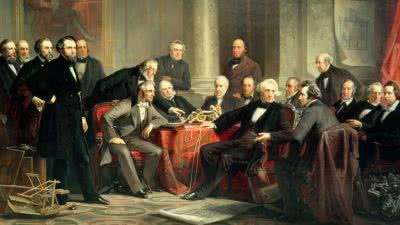
/ɪnˈlaɪ.t̬ən.mənt/
(noun) 啓発, 悟り, 理解
例:
Reading widely can lead to intellectual enlightenment.
幅広く読書することは知的な啓発につながる。
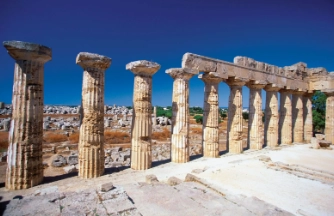
/ɑːrˈkeɪ.ɪk/
(adjective) 古風な, 古臭い, 古語の
例:
The company's computer system is archaic and needs to be updated.
その会社のコンピュータシステムは古臭く、更新が必要だ。
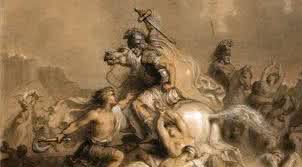
/bɑːrˈber.i.ən/
(noun) 野蛮人, 残忍な人;
(adjective) 野蛮な, 残忍な
例:
The Roman Empire eventually fell to the invading barbarians.
ローマ帝国は最終的に侵略する野蛮人に滅ぼされた。
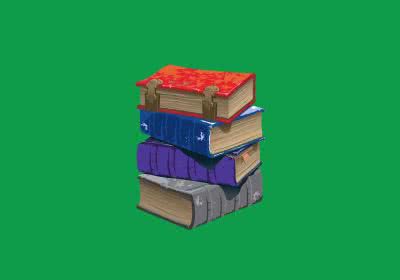
/ˈkrɑː.nɪ.kəl/
(noun) 年代記, 記録;
(verb) 記録する, 年代記に記す
例:
The book is a detailed chronicle of the events leading up to the war.
その本は戦争に至る出来事の詳細な年代記である。
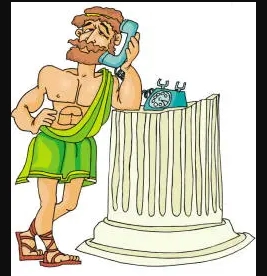
/əˈnæk.rə.nɪ.zəm/
(noun) 時代錯誤, 時代遅れ
例:
The sword in the modern play was an anachronism.
現代劇における剣は時代錯誤だった。
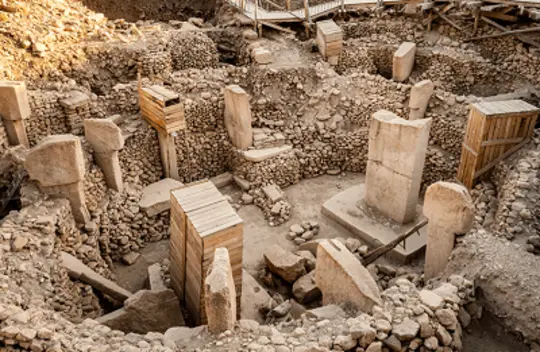
/ˌɑːr.kiˈɑː.lə.dʒi/
(noun) 考古学
例:
She decided to major in archeology at university.
彼女は大学で考古学を専攻することに決めた。
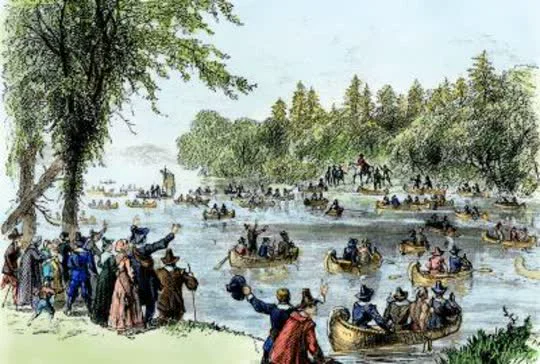
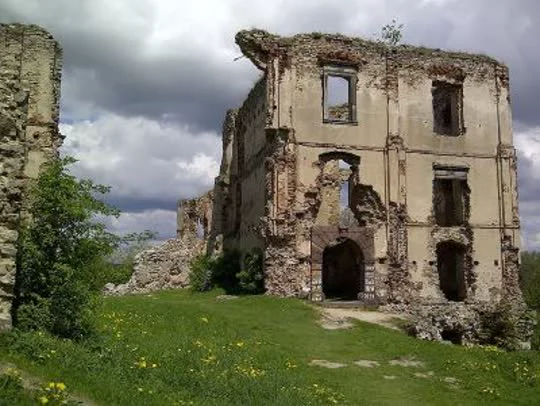
/ˈruː.ɪn/
(noun) 廃墟, 破滅, 荒廃;
(verb) 台無しにする, 破滅させる, 破壊する
例:
The old castle was left in ruin after the war.
古い城は戦争の後、廃墟と化した。

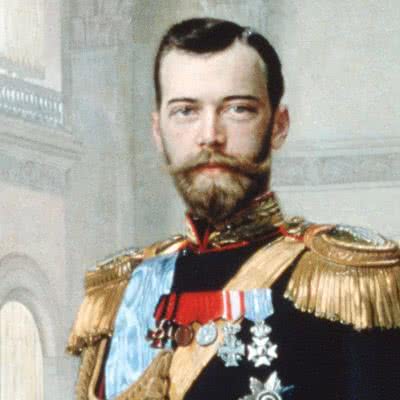
/zɑːr/
(noun) ツァーリ, 帝王, 最高責任者
例:
The last tsar of Russia was Nicholas II.
ロシア最後のツァーリはニコライ2世でした。

/ˈkɑː.mən.welθ/
(noun) コモンウェルス, 英連邦
例:
Many countries in the Commonwealth participate in the Commonwealth Games.
コモンウェルスの多くの国がコモンウェルスゲームズに参加しています。