
词汇集 历史(属于 托福高级词汇):完整且详细的清单
词汇集「历史」(属于「托福高级词汇」)从国际标准教材来源精心挑选,帮助您在短时间内掌握词汇。全面汇整定义、例句及标准发音…
在 Lingoland 学习此词汇集
立即学习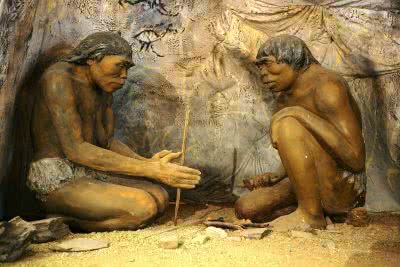
/ˈstoʊn ˌeɪdʒ/
(noun) 石器时代, 原始时代
示例:
Humans lived in caves during the Stone Age.
人类在石器时代住在洞穴里。
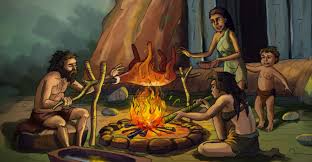
/priːˈhɪs.t̬ɚ.i/
(noun) 史前时期, 史前史
示例:
Archaeologists study artifacts from prehistory to understand early human societies.
考古学家研究史前时期的文物,以了解早期人类社会。
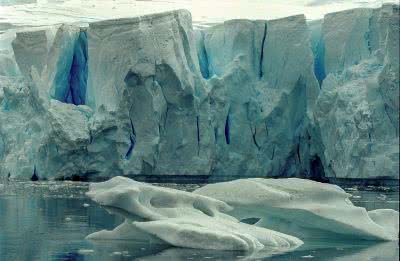
/ˈaɪs ˌeɪdʒ/
(noun) 冰河时代
示例:
The last Ice Age ended about 10,000 years ago.
上一个冰河时代大约在1万年前结束。
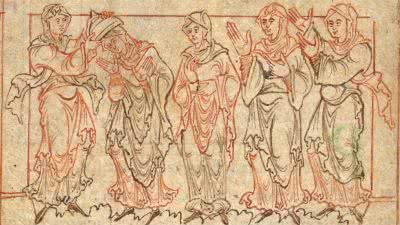
/ænˈtɪk.wə.t̬i/
(noun) 古代, 古时, 古老性
示例:
The museum houses artifacts from antiquity.
博物馆收藏着来自古代的文物。
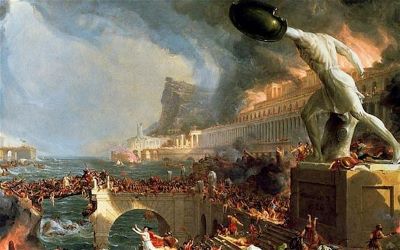
/ðə dɑːrk ˈeɪ.dʒɪz/
(noun) 黑暗时代, 黑暗时期, 落后时代
示例:
Many historical myths about the Dark Ages have been debunked by modern scholars.
许多关于黑暗时代的历史神话已被现代学者揭穿。
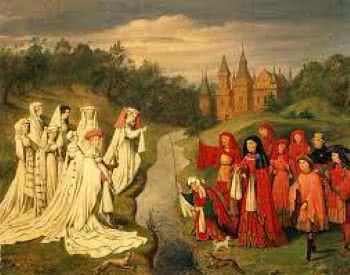
/ðə ˌmɪd.əl ˈeɪ.dʒɪz/
(noun) 中世纪
示例:
Life was very different during the Middle Ages.
中世纪的生活非常不同。
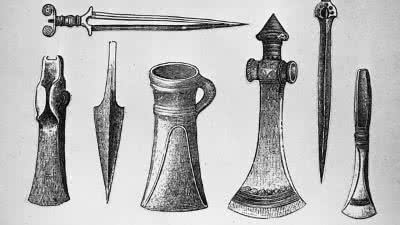
/ðə ˈaɪərn eɪdʒ/
(noun) 铁器时代
示例:
Archaeologists have found many artifacts from the Iron Age.
考古学家发现了许多铁器时代的文物。
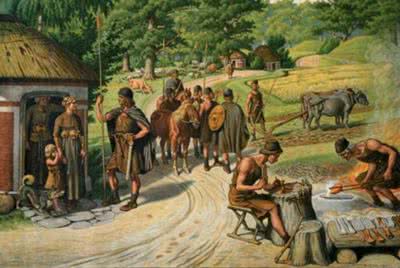
/ðə ˈbrɑːnz eɪdʒ/
(noun) 青铜时代
示例:
Archaeologists found artifacts from the Bronze Age.
考古学家发现了青铜时代的文物。
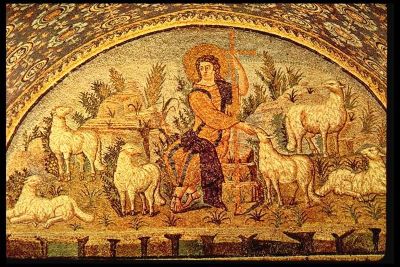
/ðə ˈkrɪs.tʃən ˈɪr.ə/
(noun) 公元, 基督纪元
示例:
The calendar we use today is based on the Christian era.
我们今天使用的日历是基于公元的。
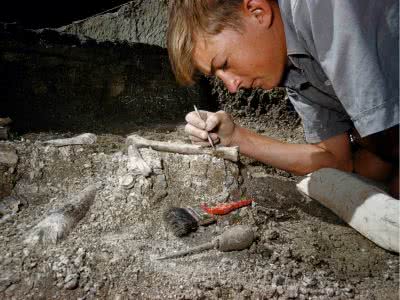
/ˌpeɪ.li.ənˈtɑː.lə.dʒi/
(noun) 古生物学
示例:
She decided to major in paleontology after visiting a natural history museum.
参观自然历史博物馆后,她决定主修古生物学。
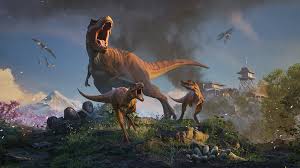
/dʒəˈræs.ɪk/
(adjective) 侏罗纪的
示例:
The Jurassic period is famous for its giant dinosaurs.
侏罗纪以其巨大的恐龙而闻名。
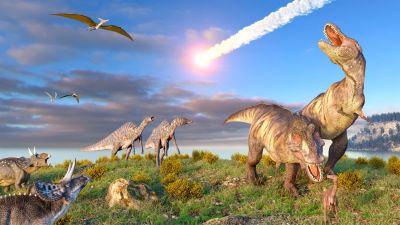
/krɪˈteɪ.ʃəs/
(adjective) 白垩纪的;
(noun) 白垩纪
示例:
Tyrannosaurus rex lived during the late Cretaceous period.
霸王龙生活在白垩纪晚期。
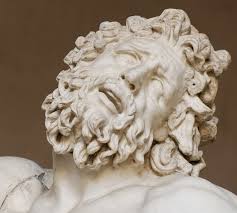
/ˌhel.əˈnɪs.tɪk/
(adjective) 希腊化时期的, 希腊风的
示例:
The museum features a remarkable collection of Hellenistic sculptures.
该博物馆收藏了大量精美的希腊化时期雕塑。
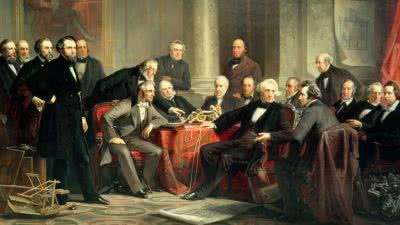
/ɪnˈlaɪ.t̬ən.mənt/
(noun) 启迪, 领悟, 顿悟
示例:
Reading widely can lead to intellectual enlightenment.
广泛阅读可以带来思想上的启迪。
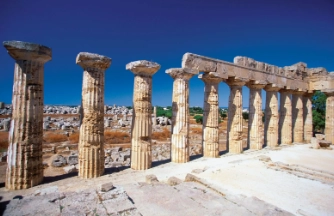
/ɑːrˈkeɪ.ɪk/
(adjective) 陈旧的, 古老的
示例:
The company's computer system is archaic and needs to be updated.
这家公司的电脑系统太陈旧了,需要更新。
/bɑːrˈber.i.ən/
(noun) 野蛮人, 残暴的人;
(adjective) 野蛮的, 残忍的
示例:
The Roman Empire eventually fell to the invading barbarians.
罗马帝国最终被入侵的野蛮人攻陷。

/ˈkrɑː.nɪ.kəl/
(noun) 编年史, 纪事;
(verb) 记录, 记载
示例:
The book is a detailed chronicle of the events leading up to the war.
这本书是导致战争事件的详细编年史。
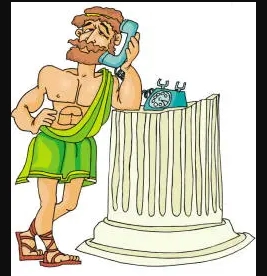
/əˈnæk.rə.nɪ.zəm/
(noun) 时代错误, 不合时宜的事物
示例:
The sword in the modern play was an anachronism.
现代剧中的剑是一个时代错误。
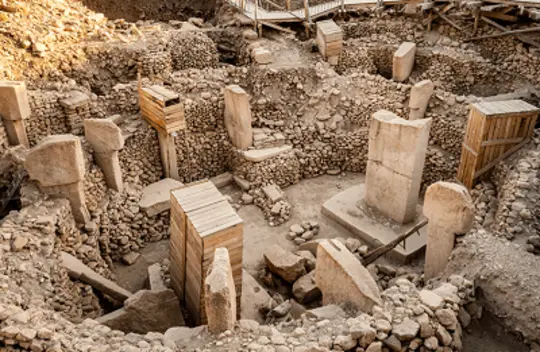
/ˌɑːr.kiˈɑː.lə.dʒi/
(noun) 考古学
示例:
She decided to major in archeology at university.
她决定在大学主修考古学。
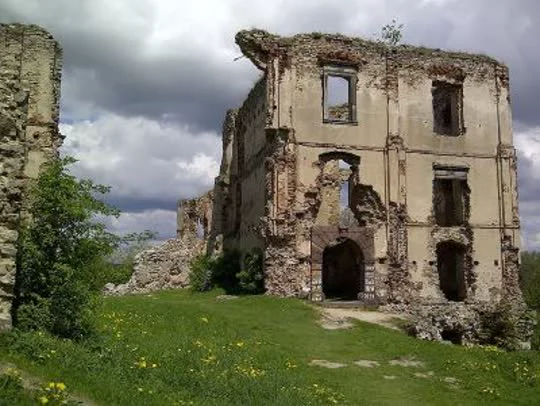
/ˈruː.ɪn/
(noun) 废墟, 毁灭, 破产;
(verb) 毁坏, 破坏, 使破产
示例:
The old castle was left in ruin after the war.
战后,这座古老的城堡沦为废墟。


/ˈkɑː.mən.welθ/
(noun) 英联邦
示例:
Many countries in the Commonwealth participate in the Commonwealth Games.
许多英联邦国家参加英联邦运动会。