
TOEFL 고급 어휘 내 역사 어휘 세트: 완전하고 상세한 목록
'TOEFL 고급 어휘' 내 '역사' 어휘 세트는 국제 표준 교재 출처에서 엄선되어 짧은 시간 안에 어휘를 마스터할 수 있도록 도와줍니다. 정의, 예문, 표준 발음을 완벽하게 수록...
Lingoland에서 이 어휘 세트 학습하기
지금 학습하기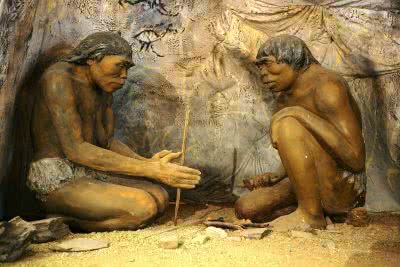
/ˈstoʊn ˌeɪdʒ/
(noun) 석기 시대, 원시 시대, 구식 시대
예시:
Humans lived in caves during the Stone Age.
인류는 석기 시대에 동굴에서 살았다.
/priːˈhɪs.t̬ɚ.i/
(noun) 선사 시대
예시:
Archaeologists study artifacts from prehistory to understand early human societies.
고고학자들은 초기 인류 사회를 이해하기 위해 선사 시대 유물을 연구한다.
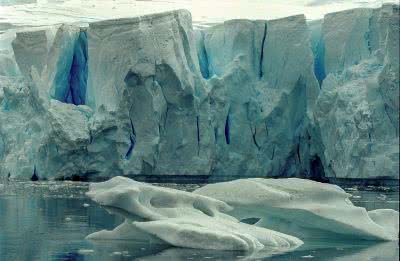
/ˈaɪs ˌeɪdʒ/
(noun) 빙하기
예시:
The last Ice Age ended about 10,000 years ago.
마지막 빙하기는 약 1만 년 전에 끝났다.
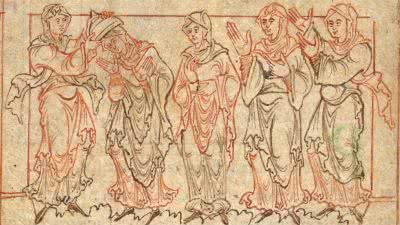
/ænˈtɪk.wə.t̬i/
(noun) 고대, 옛날, 오래됨
예시:
The museum houses artifacts from antiquity.
그 박물관은 고대 유물을 소장하고 있다.
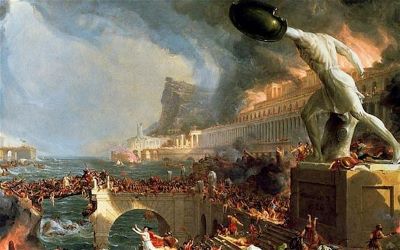
/ðə dɑːrk ˈeɪ.dʒɪz/
(noun) 암흑 시대, 암흑기, 낙후된 시대
예시:
Many historical myths about the Dark Ages have been debunked by modern scholars.
암흑 시대에 대한 많은 역사적 신화들이 현대 학자들에 의해 반박되었습니다.
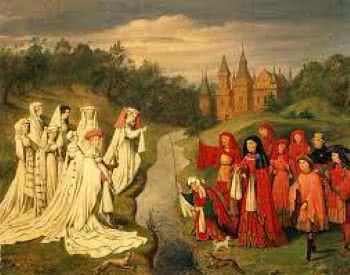
/ðə ˌmɪd.əl ˈeɪ.dʒɪz/
(noun) 중세
예시:
Life was very different during the Middle Ages.
중세 시대에는 삶이 매우 달랐다.
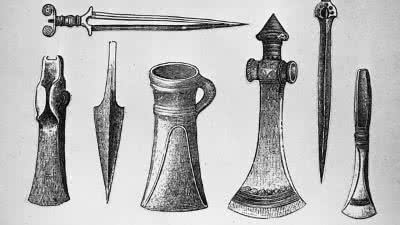
/ðə ˈaɪərn eɪdʒ/
(noun) 철기 시대
예시:
Archaeologists have found many artifacts from the Iron Age.
고고학자들은 철기 시대의 많은 유물을 발견했다.
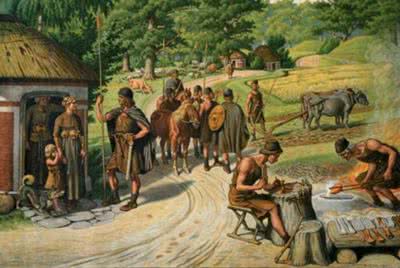
/ðə ˈbrɑːnz eɪdʒ/
(noun) 청동기 시대
예시:
Archaeologists found artifacts from the Bronze Age.
고고학자들은 청동기 시대 유물을 발견했다.
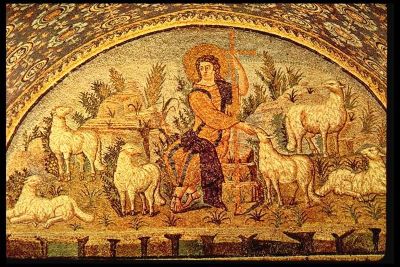
/ðə ˈkrɪs.tʃən ˈɪr.ə/
(noun) 서기, 기원후
예시:
The calendar we use today is based on the Christian era.
우리가 오늘날 사용하는 달력은 서기를 바탕으로 합니다.
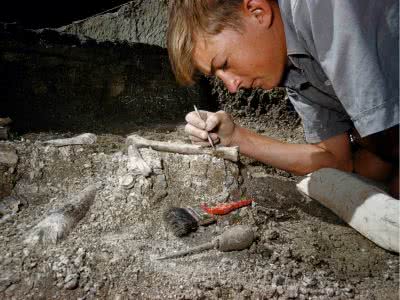
/ˌpeɪ.li.ənˈtɑː.lə.dʒi/
(noun) 고생물학
예시:
She decided to major in paleontology after visiting a natural history museum.
그녀는 자연사 박물관을 방문한 후 고생물학을 전공하기로 결정했다.
/dʒəˈræs.ɪk/
(adjective) 쥐라기의
예시:
The Jurassic period is famous for its giant dinosaurs.
쥐라기는 거대한 공룡으로 유명하다.
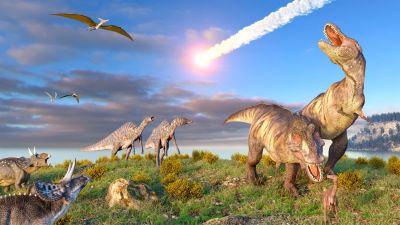
/krɪˈteɪ.ʃəs/
(adjective) 백악기의;
(noun) 백악기
예시:
Tyrannosaurus rex lived during the late Cretaceous period.
티라노사우루스 렉스는 백악기 후기에 살았습니다.
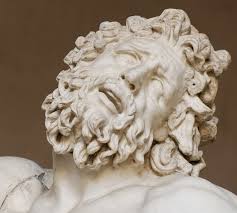
/ˌhel.əˈnɪs.tɪk/
(adjective) 헬레니즘의
예시:
The museum features a remarkable collection of Hellenistic sculptures.
그 박물관은 놀라운 헬레니즘 조각품 컬렉션을 갖추고 있습니다.
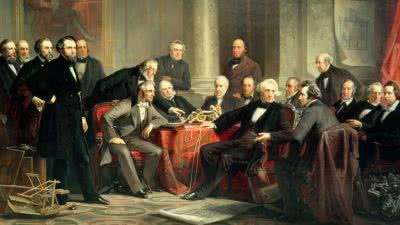
/ɪnˈlaɪ.t̬ən.mənt/
(noun) 깨달음, 계몽, 계몽주의
예시:
Reading widely can lead to intellectual enlightenment.
폭넓은 독서는 지적인 깨달음으로 이어질 수 있다.
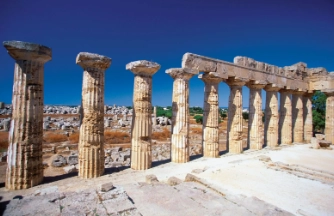
/ɑːrˈkeɪ.ɪk/
(adjective) 구식의, 고대의, 낡은
예시:
The company's computer system is archaic and needs to be updated.
그 회사의 컴퓨터 시스템은 구식이라 업데이트가 필요하다.
/bɑːrˈber.i.ən/
(noun) 야만인, 잔인한 사람;
(adjective) 야만적인, 잔인한
예시:
The Roman Empire eventually fell to the invading barbarians.
로마 제국은 결국 침략하는 야만인들에게 함락되었다.

/ˈkrɑː.nɪ.kəl/
(noun) 연대기, 기록;
(verb) 기록하다, 연대순으로 기록하다
예시:
The book is a detailed chronicle of the events leading up to the war.
그 책은 전쟁으로 이어진 사건들의 상세한 연대기이다.
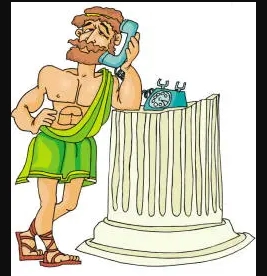
/əˈnæk.rə.nɪ.zəm/
(noun) 시대착오, 시대에 뒤떨어진 것
예시:
The sword in the modern play was an anachronism.
현대극에 등장하는 검은 시대착오적이었다.
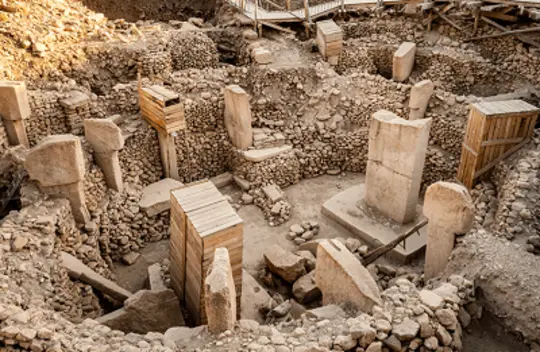
/ˌɑːr.kiˈɑː.lə.dʒi/
(noun) 고고학
예시:
She decided to major in archeology at university.
그녀는 대학에서 고고학을 전공하기로 결정했다.
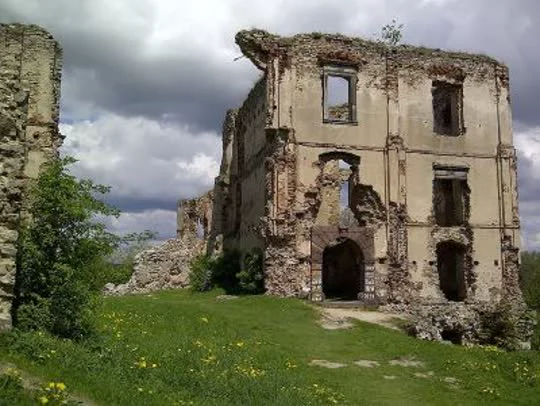
/ˈruː.ɪn/
(noun) 폐허, 파멸, 파괴;
(verb) 망치다, 파괴하다, 파멸시키다
예시:
The old castle was left in ruin after the war.
오래된 성은 전쟁 후 폐허가 되었다.

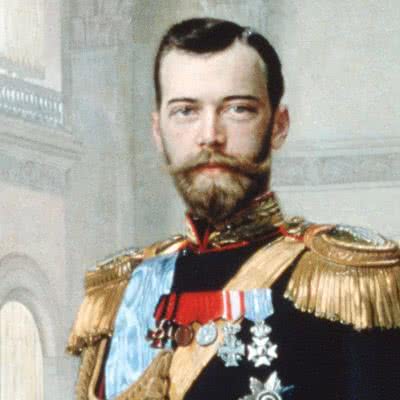
/zɑːr/
(noun) 차르, 황제, 총책임자
예시:
The last tsar of Russia was Nicholas II.
러시아의 마지막 차르는 니콜라이 2세였다.

/ˈkɑː.mən.welθ/
(noun) 영연방
예시:
Many countries in the Commonwealth participate in the Commonwealth Games.
영연방의 많은 국가들이 영연방 경기 대회에 참가한다.