
TOEFL上級語彙 内 生物学者 語彙セット:完全かつ詳細なリスト
「TOEFL上級語彙」内の「生物学者」語彙セットは国際標準教材から厳選され、短期間で語彙をマスターできます。定義、例文、標準発音を網羅…
Lingolandでこの語彙セットを学習
今すぐ学習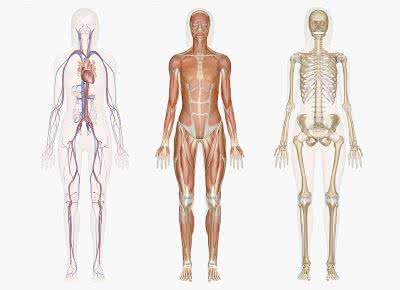
/əˈnæt̬.ə.mi/
(noun) 解剖学, 解剖学的構造, 身体構造
例:
She is studying human anatomy at university.
彼女は大学で人体解剖学を学んでいます。
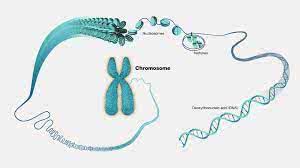
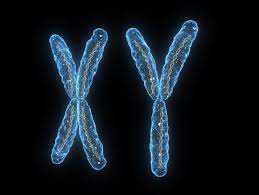
/ˈeks ˌkroʊ.mə.soʊm/
(noun) X染色体
例:
Females typically have two X chromosomes, while males have one X and one Y.
女性は通常2本のX染色体を持ち、男性はXとYを1本ずつ持っています。
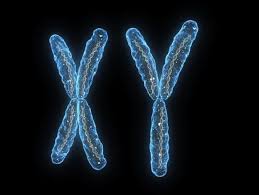
/ˈwaɪ ˌkroʊ.mə.soʊm/
(noun) Y染色体
例:
The Y chromosome is passed down from father to son.
Y染色体は父から息子へと受け継がれます。
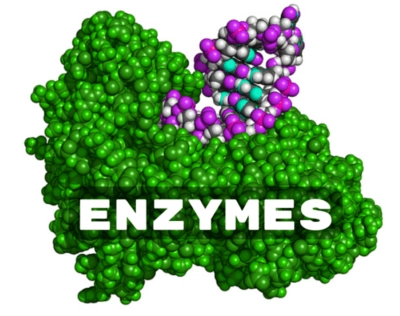
/ˈen.zaɪm/
(noun) 酵素
例:
Digestion relies on various enzymes to break down food.
消化は食物を分解するために様々な酵素に依存している。
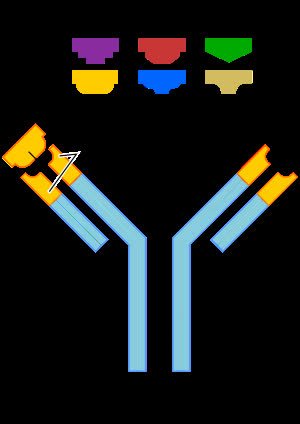
/ˈæn.tɪ.dʒən/
(noun) 抗原
例:
The vaccine introduces a weakened antigen to stimulate antibody production.
ワクチンは抗体産生を刺激するために弱毒化された抗原を導入する。
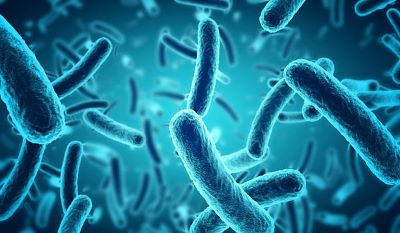
/ˈmaɪ.kroʊb/
(noun) 微生物, 細菌
例:
Scientists are studying how different microbes interact in the soil.
科学者たちは、土壌中で異なる微生物がどのように相互作用するかを研究している。
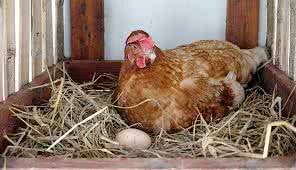
/ˈɪŋ.kjə.beɪt/
(verb) 抱卵する, 孵化させる, 潜伏する
例:
The hen will incubate her eggs for 21 days.
雌鶏は21日間卵を抱卵します。
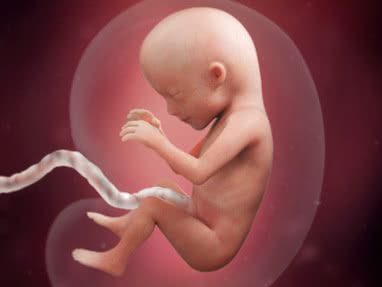
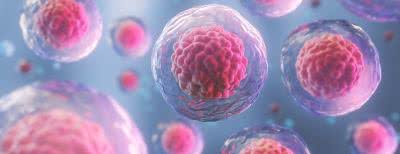
/ˈem.bri.oʊ/
(noun) 胚, 胎芽, 初期段階
例:
The doctor explained the development of the embryo.
医師は胚の発生について説明した。
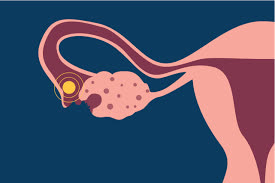
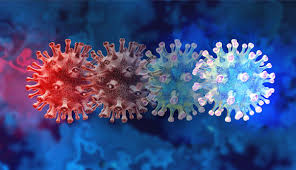
/mjuːˈteɪt/
(verb) 変異する, 変化する
例:
The virus has mutated into a more dangerous strain.
ウイルスはより危険な型に変異した。
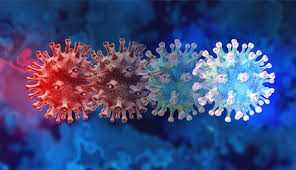
/ˈmjuː.tənt/
(noun) 突然変異体, ミュータント;
(adjective) 突然変異の, ミュータントの
例:
The scientists discovered a new mutant strain of bacteria.
科学者たちは新しい突然変異株のバクテリアを発見した。

/lɪmf/
(noun) リンパ, リンパ液
例:
The lymph nodes in his neck were swollen due to the infection.
感染症のため、彼の首のリンパ節が腫れていた。
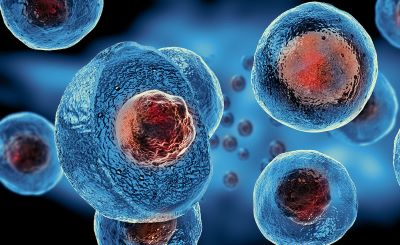
/ˈstem ˌsel/
(noun) 幹細胞
例:
Doctors are researching how stem cells can be used to treat spinal cord injuries.
医師たちは、幹細胞を脊髄損傷の治療にどのように利用できるか研究しています。
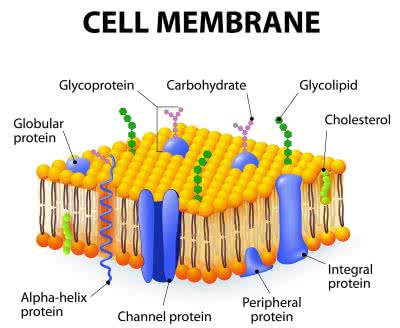
/ˈmem.breɪn/
(noun) 膜, シート
例:
The cell is surrounded by a protective membrane.
細胞は保護膜に囲まれている。
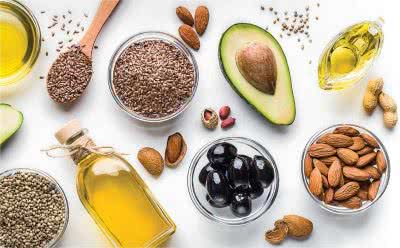
/ˈlɪp.ɪd/
(noun) 脂質, 脂肪
例:
The cell membrane is primarily composed of a bilayer of lipids.
細胞膜は主に脂質の二重層で構成されています。
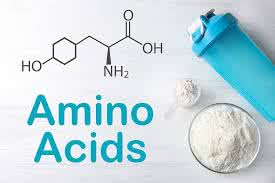
/ˌæm.ɪ.noʊ ˈæs.ɪd/
(noun) アミノ酸
例:
Proteins are made up of long chains of amino acids.
タンパク質は長いアミノ酸の鎖で構成されています。
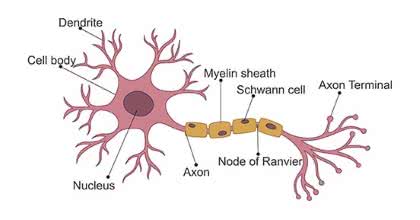
/ˈnʊr.ɑːn/
(noun) ニューロン, 神経細胞
例:
The brain contains billions of neurons.
脳には何十億ものニューロンが含まれています。
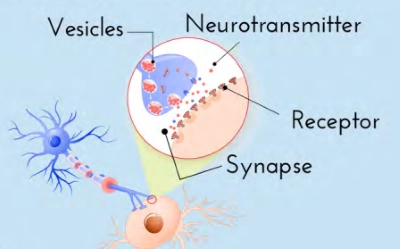
/ˌnʊr.oʊ.trænsˈmɪt̬.ɚ/
(noun) 神経伝達物質
例:
Dopamine is a neurotransmitter that plays a role in how we feel pleasure.
ドーパミンは、私たちが快感を感じる仕組みに役割を果たす神経伝達物質です。
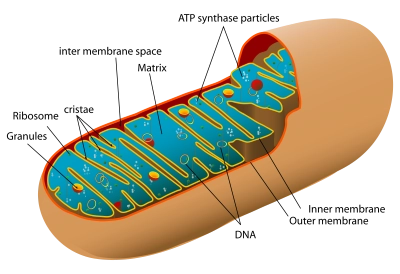
/ˌmaɪ.t̬oʊˈkɑːn.dri.ən/
(noun) ミトコンドリア
例:
The mitochondrion is often called the powerhouse of the cell.
ミトコンドリアはしばしば細胞の発電所と呼ばれます。

/ˌæn.əˈroʊ.bɪk/
(adjective) 嫌気性, 無酸素
例:
Anaerobic bacteria thrive in environments without oxygen.
嫌気性細菌は酸素のない環境で繁殖します。
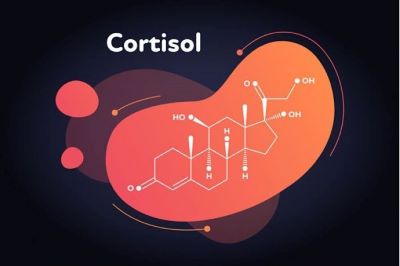
/ˈkɔːr.t̬ə.zɑːl/
(noun) コルチゾール
例:
High levels of cortisol can lead to increased anxiety and sleep problems.
高レベルのコルチゾールは、不安の増大や睡眠障害につながる可能性があります。
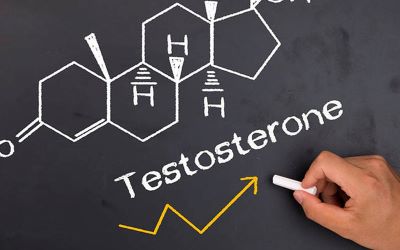
/ˌtesˈtɑː.stɚ.oʊn/
(noun) テストステロン
例:
High levels of testosterone are associated with male pattern baldness.
高レベルのテストステロンは男性型脱毛症と関連しています。
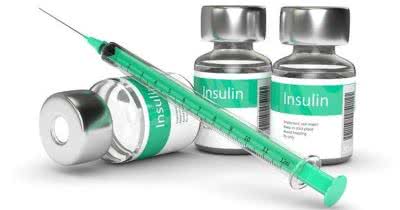
/ˈɪn.sə.lɪn/
(noun) インスリン
例:
Patients with type 1 diabetes require daily insulin injections.
1型糖尿病の患者は毎日インスリン注射が必要です。
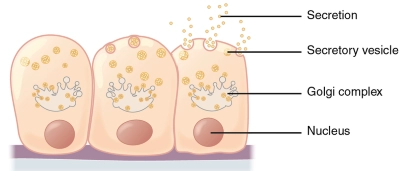
/sɪˈkriːt/
(verb) 分泌する, 排出する, 隠す
例:
The glands secrete hormones into the bloodstream.
腺はホルモンを血流に分泌する。
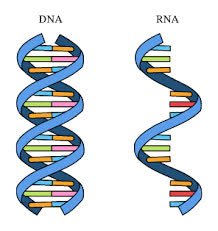
/ˌɑːr.enˈeɪ/
(abbreviation) RNA, リボ核酸
例:
Messenger RNA carries genetic information from DNA to ribosomes.
メッセンジャーRNAはDNAからリボソームへ遺伝情報を運びます。
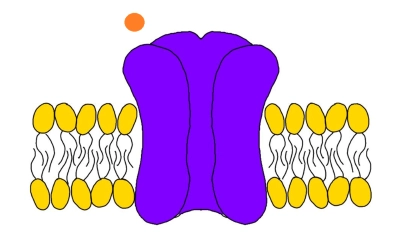
/-tɚ/
(noun) 受容体, レセプター, 細胞受容体
例:
The eye contains light-sensitive receptors.
目には光感受性受容体が含まれています。
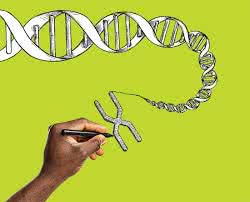
/ˈdʒiː.noʊm/
(noun) ゲノム
例:
Scientists are working to map the human genome.
科学者たちはヒトゲノムの地図作成に取り組んでいる。

/ˈdɑː.mə.nənt/
(adjective) 支配的な, 優勢な, 優性
例:
The company has a dominant position in the market.
その会社は市場で支配的な地位を占めている。
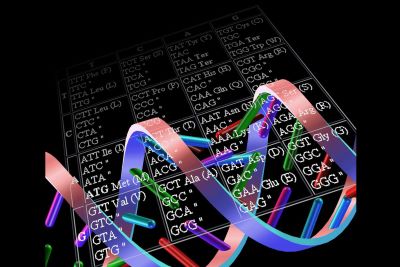
/dʒəˈnet̬.ɪk koʊd/
(noun) 遺伝暗号, ゲノム
例:
Scientists have finally mapped the entire genetic code of that species.
科学者たちはついにその種の全遺伝暗号を解読した。

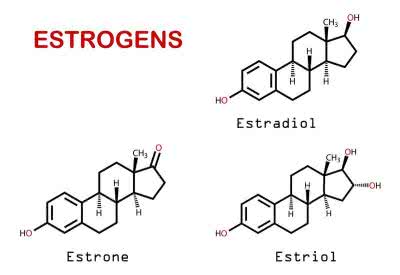
/ˈes.trə.dʒən/
(noun) エストロゲン
例:
Estrogen levels fluctuate during the menstrual cycle.
月経周期中にエストロゲンレベルは変動します。

/ˈhaɪ.brɪd/
(noun) ハイブリッド, 混成物, 雑種;
(adjective) ハイブリッドの, 混合の
例:
The new car is a hybrid, running on both gasoline and electricity.
新しい車はガソリンと電気の両方で走るハイブリッドです。
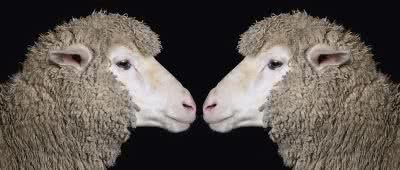
/kloʊn/
(noun) クローン, そっくりさん;
(verb) クローンする, コピーする, 複製する
例:
Scientists successfully created a clone of the sheep.
科学者たちは羊のクローンを成功裏に作成した。