
词汇集 生物学家(属于 托福高级词汇):完整且详细的清单
词汇集「生物学家」(属于「托福高级词汇」)从国际标准教材来源精心挑选,帮助您在短时间内掌握词汇。全面汇整定义、例句及标准发音…
在 Lingoland 学习此词汇集
立即学习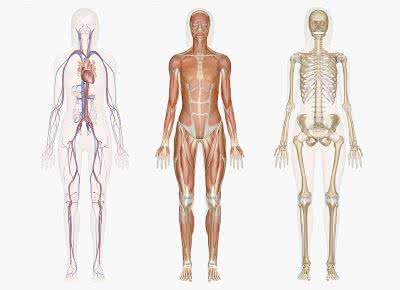
/əˈnæt̬.ə.mi/
(noun) 解剖学, 身体结构, 解剖
示例:
She is studying human anatomy at university.
她在大学学习人体解剖学。
/ˈeks ˌkroʊ.mə.soʊm/
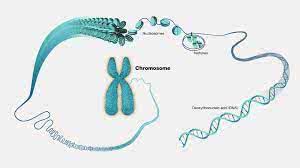
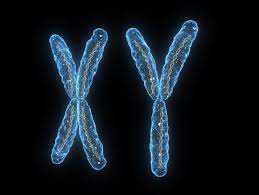
(noun) X染色体
示例:
Females typically have two X chromosomes, while males have one X and one Y.
女性通常有两个X染色体,而男性有一个X和一个Y。
/ˈwaɪ ˌkroʊ.mə.soʊm/
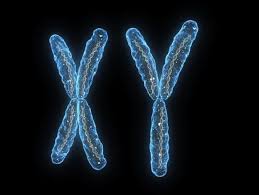
(noun) Y染色体
示例:
The Y chromosome is passed down from father to son.
Y染色体是由父亲传给儿子的。
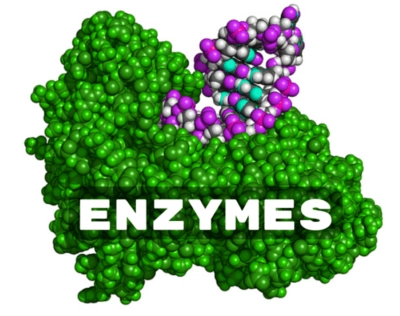
/ˈen.zaɪm/
(noun) 酶
示例:
Digestion relies on various enzymes to break down food.
消化依赖各种酶来分解食物。

/ˈæn.tɪ.dʒən/
(noun) 抗原
示例:
The vaccine introduces a weakened antigen to stimulate antibody production.
疫苗引入减弱的抗原以刺激抗体产生。
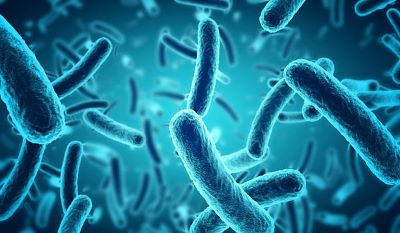
/ˈmaɪ.kroʊb/
(noun) 微生物, 细菌
示例:
Scientists are studying how different microbes interact in the soil.
科学家正在研究不同微生物在土壤中如何相互作用。
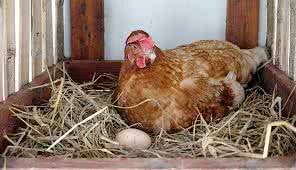
/ˈɪŋ.kjə.beɪt/
(verb) 孵化, 培育, 潜伏
示例:
The hen will incubate her eggs for 21 days.
母鸡将孵化她的蛋21天。
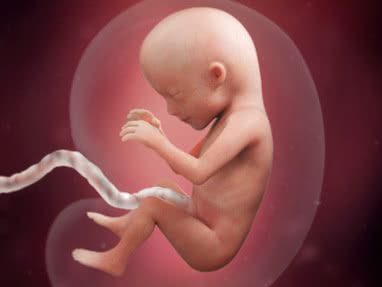
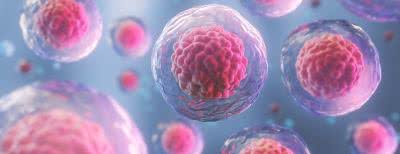
/ˈem.bri.oʊ/
(noun) 胚胎, 萌芽, 雏形
示例:
The doctor explained the development of the embryo.
医生解释了胚胎的发育。
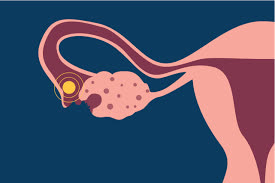
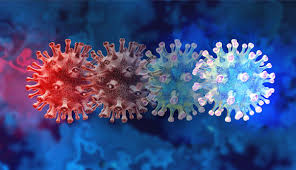
/mjuːˈteɪt/
(verb) 变异, 改变
示例:
The virus has mutated into a more dangerous strain.
病毒已经变异成一种更危险的毒株。
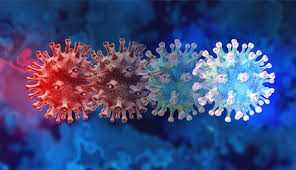
/ˈmjuː.tənt/
(noun) 变种, 突变体;
(adjective) 变异的, 突变的
示例:
The scientists discovered a new mutant strain of bacteria.
科学家们发现了一种新的变异细菌株。

/lɪmf/
(noun) 淋巴, 淋巴液
示例:
The lymph nodes in his neck were swollen due to the infection.
由于感染,他脖子上的淋巴结肿大了。
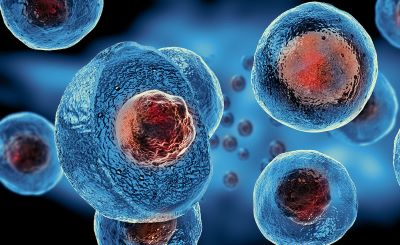
/ˈstem ˌsel/
(noun) 干细胞
示例:
Doctors are researching how stem cells can be used to treat spinal cord injuries.
医生们正在研究如何利用干细胞治疗脊髓损伤。
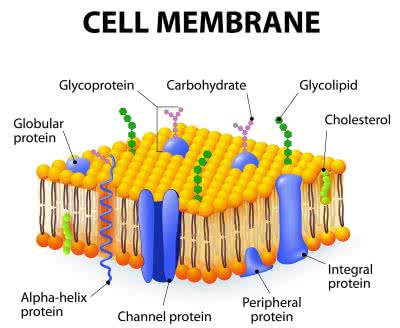
/ˈmem.breɪn/
(noun) 膜, 薄膜
示例:
The cell is surrounded by a protective membrane.
细胞被一层保护膜包围着。
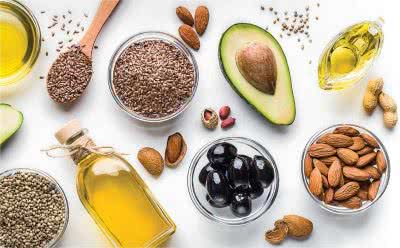
/ˈlɪp.ɪd/
(noun) 脂质, 脂肪
示例:
The cell membrane is primarily composed of a bilayer of lipids.
细胞膜主要由脂质双层构成。
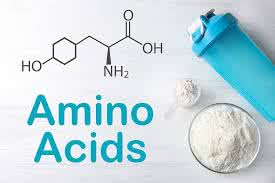
/ˌæm.ɪ.noʊ ˈæs.ɪd/
(noun) 氨基酸
示例:
Proteins are made up of long chains of amino acids.
蛋白质由长链氨基酸组成。
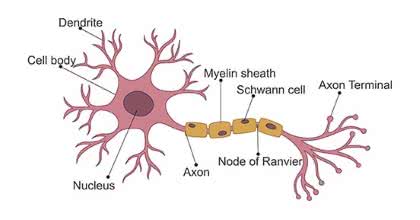
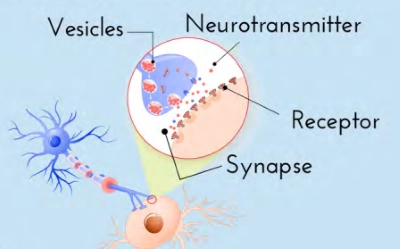
/ˌnʊr.oʊ.trænsˈmɪt̬.ɚ/
(noun) 神经递质
示例:
Dopamine is a neurotransmitter that plays a role in how we feel pleasure.
多巴胺是一种在我们的愉悦感中起作用的神经递质。
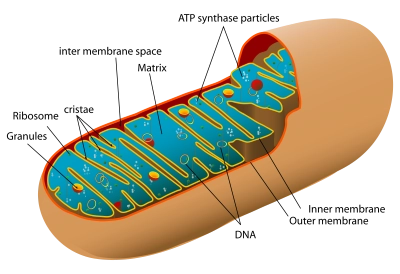
/ˌmaɪ.t̬oʊˈkɑːn.dri.ən/
(noun) 线粒体
示例:
The mitochondrion is often called the powerhouse of the cell.
线粒体常被称为细胞的发电站。

/ˌæn.əˈroʊ.bɪk/
(adjective) 厌氧的, 无氧的
示例:
Anaerobic bacteria thrive in environments without oxygen.
厌氧细菌在无氧环境中茁壮成长。
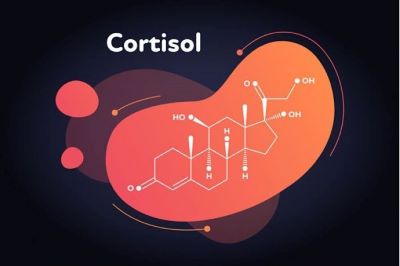
/ˈkɔːr.t̬ə.zɑːl/
(noun) 皮质醇
示例:
High levels of cortisol can lead to increased anxiety and sleep problems.
高水平的皮质醇会导致焦虑增加和睡眠问题。

/ˌtesˈtɑː.stɚ.oʊn/
(noun) 睾酮, 睾丸素
示例:
High levels of testosterone are associated with male pattern baldness.
高水平的睾酮与男性型脱发有关。

/ˈɪn.sə.lɪn/
(noun) 胰岛素
示例:
Patients with type 1 diabetes require daily insulin injections.
1型糖尿病患者需要每天注射胰岛素。
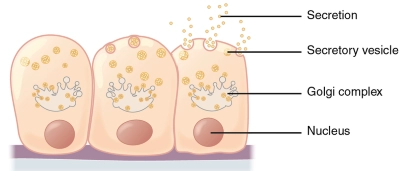
/sɪˈkriːt/
(verb) 分泌, 排出, 隐藏
示例:
The glands secrete hormones into the bloodstream.
腺体分泌激素到血液中。
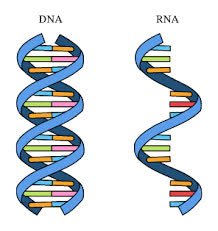
/ˌɑːr.enˈeɪ/
(abbreviation) RNA, 核糖核酸
示例:
Messenger RNA carries genetic information from DNA to ribosomes.
信使RNA将遗传信息从DNA传递到核糖体。
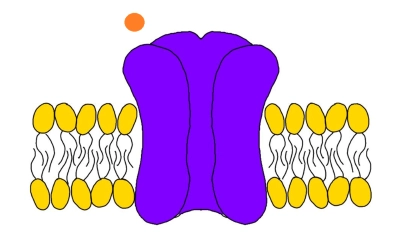
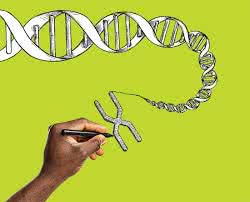

/ˈdɑː.mə.nənt/
(adjective) 主导的, 占优势的, 显性
示例:
The company has a dominant position in the market.
该公司在市场上占据主导地位。

/dʒəˈnet̬.ɪk koʊd/
(noun) 遗传密码
示例:
Scientists have finally mapped the entire genetic code of that species.
科学家们终于绘制出了该物种的完整遗传密码。

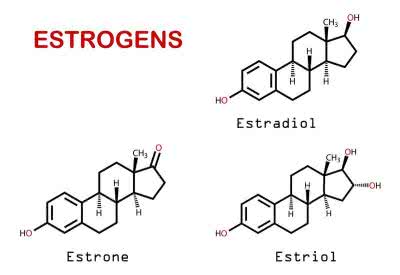
/ˈes.trə.dʒən/
(noun) 雌激素
示例:
Estrogen levels fluctuate during the menstrual cycle.
雌激素水平在月经周期中波动。

/ˈhaɪ.brɪd/
(noun) 混合体, 杂交种, 混血儿;
(adjective) 混合的, 杂交的
示例:
The new car is a hybrid, running on both gasoline and electricity.
这款新车是混合动力车,既能烧汽油也能用电。
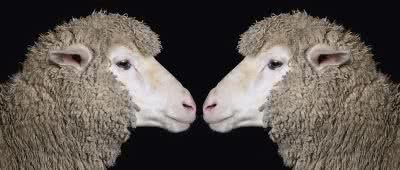
/kloʊn/
(noun) 克隆体, 复制品, 克隆;
(verb) 克隆, 复制
示例:
Scientists successfully created a clone of the sheep.
科学家成功地制造了这只羊的克隆体。