Avatar of Vocabulary Set 人間の動き

SAT理科語彙 内 人間の動き 語彙セット:完全かつ詳細なリスト

「SAT理科語彙」内の「人間の動き」語彙セットは国際標準教材から厳選され、短期間で語彙をマスターできます。定義、例文、標準発音を網羅…

Lingolandでこの語彙セットを学習

今すぐ学習

ingress

/ˈɪn.ɡres/

(noun) 入り口, 入場, 入場権;

(verb) 入る, 突入する

例:
The building has a separate ingress for deliveries.
その建物には配達用の別の入り口があります。

egress

/ˈiː.ɡres/

(noun) 出口, 退去, 脱出路;

(verb) 出る, 退去する

例:

The building has multiple points of egress in case of emergency.
その建物には緊急時に備えて複数の出口がある。

ascent

/əˈsent/

(noun) 上昇, 登り, 上り坂

例:

The climbers began their slow ascent of the mountain.
登山家たちは山のゆっくりとした登りを始めた。

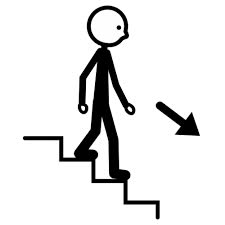
descent

/dɪˈsent/

(noun) 降下, 下り, 家系

例:

The plane began its gradual descent into the airport.
飛行機は空港への緩やかな降下を開始した。

departure

/dɪˈpɑːr.tʃɚ/

(noun) 出発, 発車, 逸脱

例:

Our departure was delayed due to bad weather.
悪天候のため、私たちの出発が遅れました。

navigation

/ˌnæv.əˈɡeɪ.ʃən/

(noun) ナビゲーション, 航行, 航海

例:

GPS devices have revolutionized car navigation.
GPSデバイスは車のナビゲーションに革命をもたらしました。

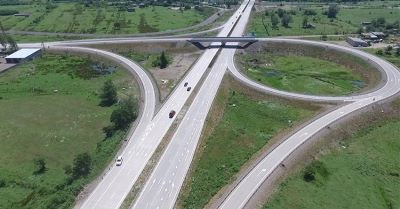
bypass

/ˈbaɪ.pæs/

(noun) バイパス, 迂回路, 迂回手術;

(verb) 迂回する, 回避する

例:
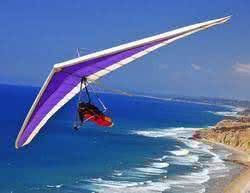
The new bypass will significantly reduce traffic congestion in the town center.
新しいバイパスは、町の中心部の交通渋滞を大幅に軽減するでしょう。

glide

/ɡlaɪd/

(verb) 滑る, 滑空する;

(noun) 滑り, 滑空

例:

The swan seemed to glide effortlessly across the water.
白鳥は水面を楽々と滑るように見えた。

skip

/skɪp/

(verb) スキップする, 跳ねる, 飛ばす;

(noun) スキップ, 跳躍, 省略

例:
The children were skipping happily down the street.
子供たちは楽しそうに通りをスキップしていた。

stray

/streɪ/

(noun) 野良動物, 迷子;

(verb) はぐれる, それる;

(adjective) 野良の, 迷子の

例:
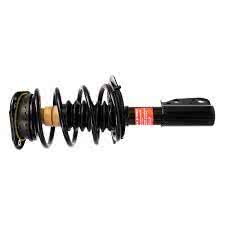
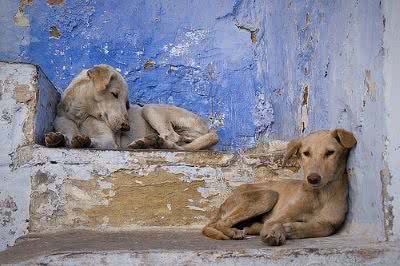
The children found a lost stray dog near the park.
子供たちは公園の近くで迷子の野良犬を見つけた。

strut

/strʌt/

(verb) 威張って歩く, 気取って歩く;

(noun) 威張った歩き方, 気取った歩き方, 支柱

例:
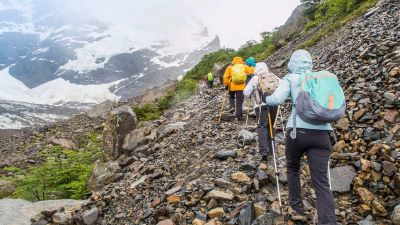
He likes to strut around the office as if he owns the place.
彼はまるで自分がオフィスの持ち主であるかのように威張って歩くのが好きだ。

trek

/trek/

(noun) トレッキング, 長い旅;

(verb) トレッキングする, 長い旅をする

例:

They embarked on a challenging trek through the Himalayas.
彼らはヒマラヤを横断する困難なトレッキングに乗り出した。

wander

/ˈwɑːn.dɚ/

(verb) ぶらつく, さまよう, 放浪する

例:

We spent the afternoon wandering through the old town.
私たちは午後を旧市街をぶらぶら歩いて過ごした。

tremble

/ˈtrem.bəl/

(verb) 震える, 揺れる, 振動する;

(noun) 震え, 揺れ

例:

His hands began to tremble as he opened the letter.
彼が手紙を開けると、手が震え始めた。

shiver

/ˈʃɪv.ɚ/

(noun) 震え, 身震い;

(verb) 震える, 身震いする

例:

She felt a shiver run down her spine as she heard the eerie sound.
不気味な音を聞いたとき、彼女は背筋に震えを感じた。

shudder

/ˈʃʌd.ɚ/

(verb) 身震いする, 震える, 激しく揺れる;

(noun) 身震い, 震え

例:

I shuddered at the thought of having to go back there.
そこに戻らなければならないと考えただけで身震いした

approach

/əˈproʊtʃ/

(verb) 近づく, 接近する, 話しかける;

(noun) アプローチ, 方法, 接近

例:

As we approach the city, the traffic gets heavier.
都市に近づくにつれて、交通量が増える。

retire

/rɪˈtaɪr/

(verb) 引退する, 退職する, 撤退する

例:

My father plans to retire next year.
私の父は来年引退する予定です。

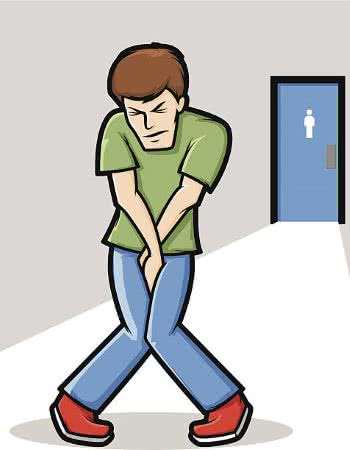
squirm

/skwɝːm/

(verb) もじもじする, 身をよじる, うごめく

例:

The child began to squirm in his seat during the long lecture.
長い講義の間、子供は座席でもじもじし始めた。

jog

/dʒɑːɡ/

(verb) ジョギングする, 軽く走る, 軽く押す;

(noun) ジョギング, 軽い走り, 軽い押し

例:
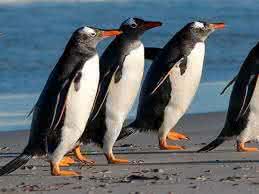
She likes to jog in the park every morning.
彼女は毎朝公園でジョギングするのが好きです。

waddle

/ˈwɑː.dəl/

(verb) よちよち歩く, ふらふら歩く;

(noun) よちよち歩き, ふらふら歩き

例:

The duck began to waddle towards the pond.
アヒルは池に向かってよちよち歩き始めた。

roam

/roʊm/

(verb) 歩き回る, ぶらつく, 放浪する;

(noun) 散策, ぶらつき, 放浪

例:
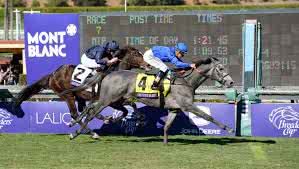
The cattle were left to roam freely in the fields.
牛たちは野原を自由に歩き回ることを許された。

outstrip

/ˌaʊtˈstrɪp/

(verb) 上回る, 追い越す

例:

The new car can easily outstrip its competitors in terms of speed.
新しい車は速度の点で競合他社を簡単に上回ることができます。

scale

/skeɪl/

(noun) スケール, 規模, うろこ;

(verb) 登る, よじ登る, うろこを取る

例:
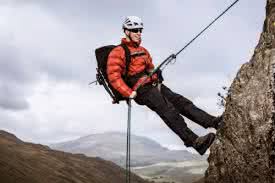
The Richter scale measures the magnitude of earthquakes.
リヒタースケールは地震の規模を測定します。

rappel

/ræpˈel/

(verb) 懸垂下降する;

(noun) 懸垂下降

例:

The climbers decided to rappel down the cliff.
登山家たちは崖を懸垂下降することにした。

tramp

/træmp/

(noun) 放浪者, 浮浪者, 長い散歩;

(verb) 踏みしめる, どたどた歩く

例:
The old tramp walked along the dusty road, carrying all his possessions in a sack.
老いた放浪者は、持ち物すべてを袋に入れて、埃っぽい道を歩いていた。

scuttle

/ˈskʌt̬.əl/

(noun) 石炭バケツ, 石炭入れ;

(verb) ちょこちょこ走る, 小走りする, 沈める

例:
He carried the coal scuttle to the fireplace.
彼は石炭バケツを暖炉に運んだ。

sprint

/sprɪnt/

(verb) 全力疾走する, 短距離を走る;

(noun) 全力疾走, 短距離走

例:
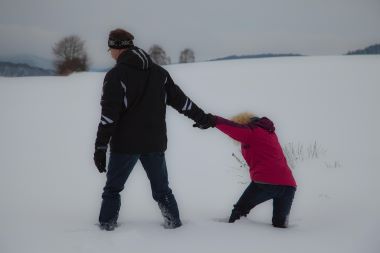
The athlete decided to sprint the last 100 meters of the race.
選手はレースの最後の100メートルを全力疾走することにした。

trudge

/trʌdʒ/

(verb) とぼとぼ歩く, 重い足取りで歩く;

(noun) 骨の折れる歩み, 重い足取り

例:

The soldiers had to trudge through the deep snow for miles.
兵士たちは深い雪の中を何マイルもとぼとぼ歩かなければならなかった。

stagger

/ˈstæɡ.ɚ/

(verb) よろめく, よろよろ歩く, ずらす;

(noun) よろめき, よろよろした歩み

例:
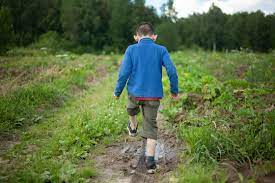
The injured man managed to stagger to the nearest house.
負傷した男は何とか近くの家までよろよろと歩いて行った。

tromp

/trɑːmp/

(verb) ドタドタ歩く, 踏みつける;

(noun) 足音, 長い道のり

例:

The children tromped through the house in their muddy boots.
子供たちは泥だらけのブーツを履いて、家の中をドタドタと歩き回った

flinch

/flɪntʃ/

(verb) 身じろぎする, びくっとする;

(noun) 身じろぎ, びくつき

例:
He didn't even flinch when the nurse gave him the injection.
看護師が注射をしたとき、彼は身じろぎもしなかった。

wade

/weɪd/

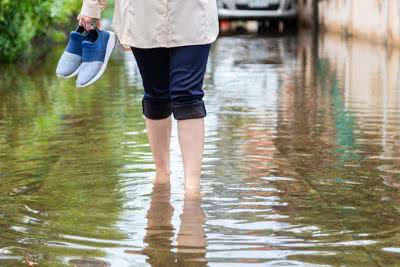
(verb) 水の中を歩く, 渡る, 介入する

例:

We had to wade through the river to get to the other side.
向こう岸に行くために川を渡らなければならなかった。

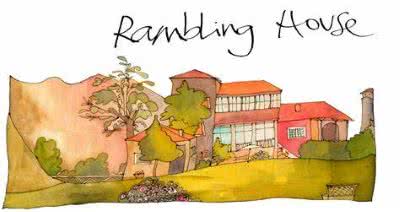
rambling

/ˈræm.blɪŋ/

(adjective) 散策する, ぶらぶら歩く, 不規則な

例:

We went for a long rambling walk in the countryside.
私たちは田舎で長い散策に出かけました。

sluggish

/ˈslʌɡ.ɪʃ/

(adjective) だるい, 低迷した, 動きの鈍い

例:

The economy has been sluggish for the past few years.
過去数年間、経済は低迷している。

circumnavigate

/ˌsɝː.kəmˈnæv.ə.ɡeɪt/

(verb) 一周する, 周航する, 回避する

例:

Magellan's expedition was the first to circumnavigate the globe.
マゼランの探検隊は、初めて世界を一周した
Lingolandでこの語彙セットを学習